

共找到 737 项 “Foreword” 相关结果
- 全部分类
- 全部
- 文学
- 历史
- 哲学/宗教
- 法律
- 政治/社会
- 医学
- 教育/心理学
- 艺术/传媒
- 研究生考试
- 资格认证考试
- 公开课
- 语言
- 经济金融
- 管理学
- IT/计算机
- 自然科学
- 工学/工程
- 体育
- 行业资料
- 音乐
- 汽车机械制造
- 文档模板
- 创业
- 农学
- 生活
- 数据库教程
- 民族

作者: (美)本杰明·格雷厄姆(Benjamin Graham),(美)戴维·多德(David L. Dodd)著;徐彬[等]译
出版社:中国人民大学出版社,2009
简介:《证券分析(上)(原书第6版)》在长达70年的时间里共发行了5版,计有百万册,充当了无数美国最杰出投资家的启蒙教程,加上本杰明·格雷厄姆与戴维·多德两人在华尔街创下的不朽业绩,使得《证券分析》一书成为投资方面不史以来最有影响力的著作。从它于1934年问世以来,至今仍是人们最为关注的书籍,被誉为投资者的圣经。这部著作是华尔街的经典,也是奠定格雷厄姆声誉的里程碑。书中第一次阐述了寻找“物美价廉”的股票和债券的方法,这些方法在格雷厄姆去世后20年依然适用。 强力推荐:英文原版《证券分析(上)(第6版)》火热发售 点击链接进入英文版: Security Analysis: Sixth Edition, Foreword by Warren Buffett
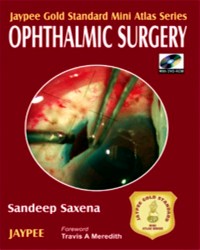
简介:An insightful, highly visual guide to the state-of-the-art in the practice of ophthalmic surgery "The subjects include new diagnostic instruments and have multiple chapters on individual surgical problems. This text is an excellent compilation of lucid color figures and surgical videos....An important contribution to contemporary opht... more 籬almic education...which will be of great value to the readers."--Travis A. Meredith, MD, Sterling A. Barrett Distinguished Professor, Chairman, Department of Ophthalmology, University of North Carolina, Chapel Hill (from the foreword) "Dr. Sandeep Saxena has compiled an excellent collection of chapters, all written by experts in their respective fields. I am certain this book will make its space on the tables of all postgraduate students and ophthalmic surgeons."--Dipak Kumar, MS, Professor and Head, Department of Ophthalmology, King George's Medical University, Lucknow (from the foreword) Ophthalmologists determined to stay on the leading edge of the field as new diagnostic and therapeutic modalities emerge will find everything they need in this comprehensive guide to current practice. Here, in a single reference, is a far-reaching, authoritative compilation of the latest and best techniques in contemporary ophthalmic surgery -- enriched by more than 800 full-color photographs and illustrations. FEATURES:Offers expert guidance: chapters are written, and procedures demonstrated, by 77 of the world's leading practitioners in ophthalmic surgery Vividly and visually illustrates key concepts and surgical techniques with more than 1,500 illustrations -- 800 in full color Two DVD's demonstrate, in 75 videos, every surgical technique discussed in the book Treats anterior segment surgeries, including corneal and refractive surgeries, glaucoma surgeries, phacoemulsification, bimanual microphacoemulsification, small incision cataract surgery, and pediatric cataract surgery Includes posterior segment surgeries such as laser photocoagulation, photodynamic therapy, transpupillary thermotherapy, vitreoretinal surgeries and macular and submacular surgeries including macular translocation Presents surgical strategies in uveitis, strabismus, lid, orbit, and intraocular tumors Introduces the latest advances in phacoemulsification technology, including cold phaco, intraocular lens material and designs, plasma blade, and vitreoretinal surgery ?less

Security analysis : principles and technique / 6th ed.
光盘作者: by Benjamin Graham and David L. Dodd.
简介:First published in 1934,Security Analysisis one of the most influential financial books ever written. Selling more than one million copies through five editions, it has provided generations of investors with the timeless value investing philosophy and techniques of Benjamin Graham and David L. Dodd. .As relevant today as when they first appeared nearly 75 years ago, the teachings of Benjamin Graham, ?the father of value investing,? have withstood the test of time across a wide diversity of market conditions, countries, and asset classes. .This new sixth edition, based on the classic 1940 version, is enhanced with 200 additional pages of commentary from some of today's leading Wall Street money managers. These masters of value investing explain why the principles and techniques of Graham and Dodd are still highly relevant even in today's vastly different markets. The contributor list includes: . Seth A. Klarman,president of The Baupost Group, L.L.C. and author ofMargin of Safety. James Grant,founder ofGrant's Interest Rate Observer, general partner of Nippon Partners. Jeffrey M. Laderman,twenty-five year veteran ofBusinessWeek. Roger Lowenstein, author ofBuffett: The Making of an American CapitalistandWhen America Agedand Outside Director, Sequoia Fund. Howard S. Marks, CFA,Chairman and Co-Founder, Oaktree Capital Management L.P.. J. Ezra Merkin,Managing Partner, Gabriel Capital Group .. Bruce Berkowitz,Founder, Fairholme Capital Management.. Glenn H. Greenberg,Co-Founder and Managing Director, Chieftain Capital Management. Bruce Greenwald,Robert Heilbrunn Professor of Finance and Asset Management, Columbia Business School. David Abrams,Managing Member, Abrams Capital ..Featuring a foreword by Warren E. Buffett (in which he reveals that he has read the 1940 masterwork ?at least four times?), this new edition ofSecurity Analysiswill reacquaint you with the foundations of value investing'more relevant than ever in the tumultuous 21st century markets. .
简介: Introduction Foreword About the Author Core MFC The MFC Architecture A Brief History of MFC The MFC Class Hierarchy CObject CCmdTarget CWinThread CWinApp CWnd CFrameWnd CView CDocument Summary MFC Dialogs, Controls, and Data Interaction Creating an Application Starting and Using MFC AppWizard The AppWizard-Generated Code Modifying the Application Adding Dialog Controls Adding Initialization Using Dialog Controls ToolTips Enabling ToolTips Displaying Text Dialog Data Exchange Standard DDX UpdateData Using Standard Dialog Boxes File Open/Save Color Selector Font Selector Print Dialog Summary The Windows Common Controls Initializing and Using the Common Controls Notifications for Windows Common Controls The Notification Message Structure Overview of the Notification Process A Better Notification Handling Scheme Specifying Notification Ranges with ON_NOTIFY_RANGE Hot Key Controls: Class CHotKeyCtrl CHotKeyCtrl Class Methods Creating and Initializing a CHotKeyCtrl Object Using a Hot Key Control Spin Controls: Class CSpinButtonCtrl Spin Control Styles CSpinButtonCtrl Messages CSpinButtonCtrl Class Methods Creating and Initializing a Spin Control Sample Program: SPIN1 Slider Controls: Class CSliderCtrl Slider Control Styles CSliderCtrl Messages CSliderCtrl Class Methods Creating and Initializing a Slider Control Sample Program: Slider Controls (SLIDER1) Sample Program: SLIDER1 Progress Bar Controls: Class CProgressCtrl CProgressCtrl Class Methods Creating and Initializing a CProgressCtrl Object Using a Progress Control Image Lists: Class CImageList CImageList Class Methods Creating and Initializing a CImageList Control List View Controls: Class CListCtrl List View Control Styles Image Lists and the List View Control List View Items and Subitems List View Notification Messages Creating and Initializing a CListCtrl Object Using the List View Control Tree View Controls: Class CTreeCtrl Tree View Control Styles Tree View Notification Messages CTreeCtrl Class Methods Creating and Initializing a Tree View Control Using a CTreeCtrl Object Sample Program: TREELIST.EXE Tab Controls: Class CTabCtrl Tab Control Styles Tab Control Notification Messages CTabCtrl Class Methods The Tab Item Structure (TC_ITEM) Creating and Initializing a Tab Control Using a Tab Control Animate Controls: Class CAnimateCtrl Animate Control Styles Animate Control Notification Messages CAnimateCtrl Class Methods Creating and Initializing an Animate Control Using an Animate Control Rich Edit Controls: Class CRichEditCtrl Rich Edit Control Window Styles The Character Format Structure (CHARFORMAT) The Paragraph Format Structure (PARAFORMAT) CRichEditCtrl Class Methods CRichEditCtrl Line-Related Methods CRichEditCtrl Text-Selection Methods CRichEditCtrl Formatting Methods CRichEditCtrl Editing Methods CRichEditCtrl Clipboard Methods CRichEditCtrl General-Purpose Methods Creating and Initializing a Rich Edit Control Using a Rich Edit Control Summary Painting, Device Contexts, Bitmaps, and Fonts Device Contexts The Graphics Device Interface MFC Wrapping MFC Device Context Classes The Base Class: CDC Painting with Class CPaintDC Managing Client Areas with Class CClientDC Managing Frame Windows with Class CWindowDC Windows Graphic Objects Pens: Class CPen Brushes: Class CBrush Fonts: Class CFont Bitmaps: Class CBitmap Palettes: Class CPalette Regions: Class CRgn GDI Coordinate Systems Logical Mapping Modes Vector Graphics Drawing Modes Lines and Polylines Rectangles Regions Polygons Ellipses Bezier Curves Fonts and Text Font Characteristics The TEXTMETRIC Structure The LOGFONT Structure Font Creation Drawing Text Sample Program: Vector Graphics and Text Methods (VECTEXT1.EXE) Raster Graphics Named Raster Operations (ROPs) Bitmaps Device-Dependent Bitmaps Device-Independent Bitmaps (DIBs) The CBitmap Class Transferring and Contorting Bitmaps Bitmap Resources Tacking Resources onto an Executable File Getting Image Resources out of an Executable File Sample Program: Exploring Bitmap Resources (BITMAP1) Summary Custom Control Development Window Classes Versus C++ Classes A Validating Edit Control The Clock Static Control Control Metrics Painting the Face Locating the Hands Painting the Hands Setting the Time Pitfalls of Subclassing Standard Controls The Hyperlink Control Implementation Strategy Font Processing Painting the Window Controlling the Cursor Mouse Input Keyboard Input Launching the Link Advanced Custom Control Topics Subclassing Limitations Notifications Using the Resource Editor with Custom Classes Summary The MFC Application Object, Message Routing, and Idle Processing The MFC Application Object CWinApp and Application Lifetime The CWinApp Data Members The CWinApp Member Functions Application-Specific Initialization Functionality in InitInstance OLE Container Support 3D Look for Windows NT 3.5x Registry Usage Most Recently Used Files List SDI and MDI Document/View Main Frame Window Creation Automation Support Rich Edit Control Support Command-Line Handling Message Routing, Message Maps, and Message Categories Message Routing PreTranslateMessage Message Maps Idle Processing OnIdle Idle Processing for Dialogs The Splash Screen Component Summary Documents, Views, and Applications That Use Them The Document/View Architecture Documents, Frames, and Views Document Templates Creating New Documents Opening New Files Single Versus Multiple Document Templates Views The CView Class The CScrollView Class The CFormView Class The Database View Classes The Control Views Changing Views in an SDI Using the MDI Summary Extending the User Interface Responding to the User Keyboard Messaging Handling Keyboard Messages Mouse Messaging Handling Mouse Messages User Interfaces and AppWizard Extending Menus Obtaining Menus and Pop-up Menus Adding Menu Items Using Floating Pop-up Menus Putting Control Bars to Use Using Toolbars and Rebars Using Status Bars Showing and Hiding Control Bars Supporting ToolTips Updating the User Interface Property Sheets and Wizards MFC's Support for Property Sheets and Wizards Creating a Simple Wizard Splitting a View Summary Printing Printing Fundamentals Printing with MFC Printing in the View The PrintInfo Object Printing Menu Commands Printing and GDI Mapping Modes WYSIWYG Printing Application Resources The Application Class The View Class Pagination Printing with a Known Page Count Printing with an Unknown Page Count Printing Page Numbers Stopping and Aborting Print Jobs Halting a Print Job in OnPrepareDC() Halting a Print Job in OnPrint() Summary MFC and COM Programming COM A Little History Interfaces, Objects, and Methods Some Terminology A Real-World View The IUnknown Interface Servers, Clients, and Classes The COM Runtime Environment Defining the Class Factory How Are COM Objects Reused? Marshaling and Threading Marshaling Threading COM, OLE, and Automation IDispatch Automation Servers, Objects, and Controllers Supporting Both IDispatch and IUnknown Persisting COM Data Structured Storage Identifying COM Data (Monikers) Transferring Data Uniform Data Transfer Connectable Objects DCOM Object Creation Invoking Methods Security Issues Some Important Information BSTR SAFEARRAY HRESULT VARIANT Further Reading Summary COM and MFC Understanding the Afx Global Functions Application Lifetime Control Client Control Management Connection Point Management Control Registration Exceptions Initialization Licensing Type Information Reviewing the OLE Macros Class Factories Client/Container Common Commands Control Property Persistence Dialog Data Exchange Dispatch Maps Event Maps Property Page Data Mapping Property Pages Type Library Access MFC and the OLE Class Categories Active Document Automation Common Dialogs for OLE Container Control Drag and Drop (Universal Data Transfer) Document Servers Support Summary MFC OLE Servers Document Servers Server Types Full Server Active Document Container/Server Mini-Server Document Server Design OLE Documents Active Documents Building an Active Document Server Persistence Rendering the View Automation Servers IDispatch GetIDsOfNames GetTypeInfo GetTypeInfoCount Invoke IDispatch-Derived Interface in ODL Calling Methods Through IDispatch GetIDsOfNames Type Information Methods Invoke Dispinterfaces Differ from Interfaces Calling Methods Through IDispatch Dual Interfaces The Variant An Automation Server Using MFC Server Type Declaring and Defining Additional Dispinterfaces Adding Methods and Properties Summary MFC OLE Clients IDispatch and Its Place in Automation Interface Definition for Automation Servers IDL and ATL ODL and MFC Dual Interfaces MFC and Automation Controller Connecting to a Server Server Review Building a Controller Using COleDispatchDriver Using #import Remote Automation Summary MFC ActiveX Controls Development Strategy MFC ATL MFC and ATL Control Development Two Faces of a Control Runtime Design Time Subclassing a Control MFC ATL Component Categories ICatRegister ICatInformation Methods, Properties, and Events Properties Methods Events Property Pages Property Pages in ATL Property Pages in MFC Component Registration Registration Scripts Registration and Controls COM Object Subkeys Building an MFC Control Interface Definition A Quick ATL Port Summary MFC ActiveX Control Containers Active Document Container Storage Site Objects In-Place Activation Document Extensions Building the Simplest Active Document Container OLE Controls Adding Containment to an Existing Project ActiveX Container Control Containment and Events Summary Using MFC and ATL What Is ATL and Why Is It Important for Programming in MFC? Helpful ATL COM Support for MFC Applications COM Pointers the Smart Way Other ATL COM Support Advanced ATL Support for MFC Applications Begin with Your MFC Application Add the Required ATL Support Summary Scripting Your MFC Application Scripting Basics Scripting Interfaces Dual Interfaces Object Models Implementing a Scripted Application Object Implementation Summary MFC Database Programming MFC Database Processing Relational Database Concepts Tables Columns Records Cursors Transactions Storing and Retrieving Data SELECT INSERT DELETE UPDATE Database Communication Mechanisms ODBC DAO Which Methodology Should I Use? ODBC/MFC CDatabase CRecordset DAO CDaoWorkspace CDaoDatabase CDaoRecordset CDaoTableDef CDaoQueryDef Summary Advanced Database Support The COM Approach OLE DB ADO Which One Should I Use? OLE DB Consumers Using the ATL Wrapper Classes CDataSource CSession Accessors Rowsets Accessing Datasource Data Using the ADO C++ Interfaces ADOConnection ADORecordset ADOCommand ADOField ADOProperty ADOParameter ADOError Summary MFC Utility Classes Strings and Collections Strings and String Classes Inside the CString Class Practical CString Usage CString Summary Collections Inside Collection Classes Templated Collections The UNL_MultiEd Application Overview An STL Approach Summary File I/O and MFC The CFile Class Processing Files with CFile Inside the CFile Class The CStdioFile Class The CMemFile Class The CSharedFile Class The CFileDialog Class The User-Defined CFileDialog Class Practical Usage of CFile and CFileDialog Opening a File Reading Data from a File A Classical Approach What Are Streams? Summary Exceptions What Are They Good For? Types of Exceptions Structured Exception Handlers Nesting of Structured Exception Handlers Raising Structured Exceptions Cleaning Up After an Exception C++ Exceptions Defining a C++ Exception Class MFC Exceptions MFC CException-Derived Classes CMemoryException CNotSupportedException CArchiveException CFileException CResourceException COleException CDbException COleDispatchException CUserException CDaoException CInternetException Deriving Your Own MFC-Compliant Exception Objects Deleting Exceptions Using MFC Exception Macros Mixing Exceptions Summary MFC and the Web MFC and DHTML DHTML, MSIE, and the Internet Using the Internet Explorer Web ActiveX Control Internet Explorer ActiveX Control Basics CHtmlView CHtmlView and the Document/View Relationship CHtmlView and COM Using the Internet Explorer ActiveX Control in a Dialog Box Using DHTML The DHTML Object Model The Document Object Other DHTML Objects Collection Objects DHTML COM Interfaces Obtaining the Document DHTML Interface Obtaining the DHTML Collections Interfaces Using the DHTML Interface The DHTML Element Interface Methods Document Navigation Summary CSocket Programming How Do Network Communications Work? Sockets, Ports, and Addresses Winsock and MFC Initializing the Winsock Environment Creating a Socket Making a Connection Sending and Receiving Messages Closing the Connection Socket Events Controlling Event Triggering Detecting Errors Getting Socket Information Sockets and I/O Serialization Building a Networked Application Creating the Application Shell Window Layout and Startup Functionality Inheriting from the CAsyncSocket Class Connecting the Application Sending and Receiving Ending the Connection Summary WinInet Programming Web Application Protocols and WinInet Hypertext Transfer Protocol File Transfer Protocol Gopher Protocol WinInet API and MFC Internet Session Basics CInternetSession CInternetFile CInternetException CInternetConnection Building a Simple WinInet Application Application-Level Functionality HTTP Classes FTP Classes Gopher Classes Building a Simple FTP Client Summary ISAPI Extensions The Foundation From There to Here From GET to POST Adding Some Form Elements Change the Form Change the Parse Map Declare and Use the Handler Function Add a Radio Button Other Form Input Elements Change the Form Change the Parse Map Change the Handler Function Summary MAPI and MFC The Messaging Application Programming Interface Client Applications Two Higher-Level Alternatives: Simple MAPI and CMC Simple MAPI Common Messaging Calls The MapiMessage Structure The MapiFileDesc Structure Limited MAPI Functionality in MFC The CDocument Connection Doing MAPI the MFC Way The CDocument::OnFileSendMail() Method Sample Program: MAPI1.EXE Summary TAPE and MFC Overview Assisted Telephony Basic Telephony Service Supplemental Telephony Service Extended Telephony Service History of TAPI TAPI 1.3 TAPI 1.4 TAPI 1.5 TAPI 2 TAPI 2.1 TAPI 2.2 TAPI 3 Using Assisted Telephony Using Basic Telephony Configuring TAPI Connecting with TAPI Transmitting Data with TAPI Disconnection with TAPI Terminating a TAPI Session Summary MFC and Graphics Programming MFC and OpenGL What Is OpenGL? Graphics Boot Camp Core Terms and Key Concepts The Basic Mathematics of Graphics Programming OpenGL Boot Camp OpenGL Datatypes OpenGL Function Naming Conventions OpenGL Render Function Scoping The OpenGL Matrix Stack The OpenGL Rendering Context Minimal OpenGL Program and a Custom View Creating Your Basic MFC Application Adding the Custom OpenGL Base Class Integrate the Custom View Class into Your Application Build Your 3D Scene Add the OpenGL Libraries to Your Project抯 Link List 2D and 3D Models Basic Model Development Model Transformations Display Lists Light The Basics of Light in OpenGL Types of Light Object Material Properties Texture Mapping OpenGL Images and Windows Device-Independent Bitmaps Applying Texture Special Effects Blending Fog Summary MFC and DirectX What Is DirectX? DirectX in a Nutshell DirectX Components DirectX Basics Differences in COM Programming Style and DirectX DirectX Component Startup Sequence DirectDraw Basics Initializing DirectDraw DirectDraw and Palettes DirectDraw Surfaces DirectDraw Page Flipping DirectDraw from a Window Using DirectDraw in Practice Surfaces and Bitmaps Windowed Rendering Error Handling DirectDraw Shutdown Summary Multimedia and MFC Multimedia Fundamentals The DirectX Media Player Control Media Formats Supported by the Media Player Control Inside the Media Player Control The CMediaPlayer Class Using the Media Player Control Playing Sound Working with Waves Revisiting DirectSound Using DirectSound to Play Sound Effects Summary Advanced MFC Inside the Registry Registry Usage Configuration Services Information State User Preferences The Registry Structure Programmatic Control of the Registry The Registry API The Registry Sample Application The Registry Key Editor Dialog Creating a New Key Deleting a Key Deleting a Name/Value Pair A Word About Wrapping the Registry Functions A Word About Installation Summary Writing and Using DLLs Advantages of DLLs Code Elimination Modularity and Packaging Extensibility Inside an AFX DLL Exporting Classes, Functions, and Data The Big Deal About Exports Mangled Names Exporting Classes What Goes Around, Comes Around Exporting Explicit Functions Exporting Data Exporting MFC Data Exporting the Destructor Export Toolkit include Files What to Export Other DLL Issues AfxLoadLibrary and AfxFreeLibrary Designing for Extensibility and Reuse Resource Location Multiple Module Definition Files Load Addresses and the Linker Summary Creating Custom Wizards Property Sheets and Property Pages The CPropertySheet and CPropertyPage Classes The Wizard Walk and the Property Sheet Connection Creating a Wizard Setting the Wizard Mode Enabling the Wizard Buttons Displaying the Wizard Wizard Notification Messages Sample Program: Off to See the Wizard (WIZARD1.EXE) Creating Wizard Page Dialog Template Resources Create a Dialog Class for Each Dialog Resource Exploring the Welcome Page: Class CIntroPage Exploring the About You Page: Class CPage1 Updating Wizard Information for CPage2 and CPage3 Creating and Displaying the Wizard Summary Index

简介:"Computer graphics, and rendering in particular, is full of beautiful theory. The theory covers physical concepts, such as light fields and the interaction of light with different materials, and mathematical concepts, such as integral equations and Monte Carlo integration. The great thing about computers is that they allow us to build rendering systems based on the best theory. This book turns the theory of image-making into a practical method for creating images." from the foreword by Pat Hanrahan, Canon USA Professor, Stanford University From movies to video games, computer-rendered images are pervasive today.Physically Based Rendering introduces the concepts and theory of photorealistic rendering hand in hand with the source code for a sophisticated renderer. By coupling the discussion of rendering algorithms with their implementations, Matt Pharr and Greg Humphreys are able toreveal many of the details and subtleties of these algorithms. But this book goes further; it also describes the design strategies involved with building real systemsthere is much more to writing a good renderer than stringing together a set of fast algorithms. For example, techniques for high-quality antialiasing must be considered from the start, as they have implications throughout the system. The rendering system described in this book is itself highly readable, written in a style called literate programming that mixes text describing thesystem with the code that implements it. Literate programming gives a gentle introduction to working with programs of this size. This lucid pairing of text and codeoffers the most complete and in-depth book available for understanding, designing, and building physically realistic rendering systems. * Winner of an Honorable Mention in the Computer and Information Science category from The Professional and Scholarly Publishing Division (PSP) of the Association of American Publishers (AAP) * Finalist for the 15th Annual Jolt Awards * Companion CD-ROM includes the source code for a complete rendering system for Windows, Mac OS X, and Linuxwith many of the features found in high-quality commercial systems. * The system's plug-in architecture makes its basic structure transparent and allows for new features to be added easily. * The rendering system implements a number of newer or difficult-to-implement algorithms and techniques,including subdivision surfaces, Monte Carlo light transport, and volumetric scattering.

简介:From the foreword of the second edition: "All of the above make this a unique, invaluable book for the student, professor, or hydrologist seeking to acquire a thorough understanding of this area of hydrology" Philip B. Bedient, Rice University, Texas, USA From the reviews of the first edition: "Although this book is generally concerned with surface runoff and flood periods, the conceptions and methods, as well as the method of utilizing GIS for distributed models, are remakably useful. Careful study of this excellent book will help achieve understanding of GIS-based distributed modelling, and it is highly recommended to students, teachers, researchers, and engineers involved in hydrology, water resources, and environmental Sciences." (Bulletin of the American Meteological Society, May 2002)
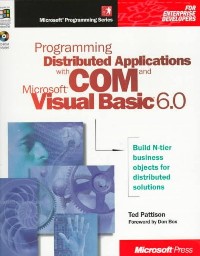
简介:Summary: Publisher Summary 1 This reference speaks to the huge base of Visual Basic developers who, until now, could only learn about COM by reading books written for C++ programmers. Now they can get up to speed quickly and participate in Microsoft's strategy for distributed computing. The Foreword is by Don Box, the industry guru for COM technology.

作者: (奥)S.弗洛伊德(Sigmund Freud)著;[英][A.A.布里尔]A.A.Brill译
出版社:外语教学与研究出版社,1998
简介:弗氏原序(第一版)我尝试在本书中描述《梦的解析》;相信在这么做的时候,我并没有超越神经病理学的范围。因为心理学上的探讨显示梦是许多病态心理现象的第一种;它如歇斯底里性恐惧、强迫性思想、妄想亦是属于此现象,并且因为实际的理由,很为医生们所看重。由后遗症看来,梦并没有实际上的重要性;不过由它成为一种范例的理论价值来看,其重要性却相对地增加不少。不管是谁,如果他不能解释梦中影像的来源,那么他也极不可能会了解恐惧症、强迫症或是妄想,并且不能借此给病人带来任何治疗上的影响。不过形成本论题的重要性的原因亦应为本著作无法完全负责的原因——这本书里常常有许多失落的线索,以致我的论述常常不得不中断;其数目不亚于梦的形成和那比较容易被了解的病态心理问题两者间所存在的许多相关点。关于这些问题,我不拟在此书中加以讨论,不过如果时间和精力允许,并且能够得到更多的资料,那么我以后将陆续地加以探讨。造成发表本书困难的另一个原因是那些运用来说明“梦的解析”的材料的特殊性。在阅读本书时,大家自然会明白为什么那些刊载于文献上,或者来源不明的梦都能够加以利用。只有本人以及那些接受我心理治疗的病患的梦才能够有资格被选用。我放弃病人的梦不用,因为其梦形成的程序由于现存的神经质特征而有不必要的混杂。不过在发表自己的梦时,我又不可避免地要将许多私人的精神生活呈露在众人面前——超过我所愿意做的,或者可以说,超过任何科学家发表其论述时所要牵涉到的私人事情(当然在诗人就不一样)。这是我的痛苦,但却是必要的;与其完全地舍弃了提供对这心理学上发现的证据,我宁可选择后者。但自然的,我无法避免以省略或以替代品来取代我的一些草率行为。然而这么一来,它的价值就减低了不少。我只希望读者能设身处地站在我的困难立场上想一想,多多包涵;另外,如果有谁发现我的梦涉及他时,请允许我在梦中生活有这自由思想的权利。 弗洛伊德(1900年) FOREWORD In 1909,G.Stanley Hall invited me to Clark University,in Worcester,to give the first lectures on psychoanalysis.In the same year,Dr Brill published the first of his translations of my writings,which were soon followed by further ones.If psychoanalysis now plays a role in Amarican intellectual life,or if it does so in the future,a large part of this result will have to be attributed to this and other activities of Dr Briss's. His first translation of The Interpretation of Dreams appeared in 1913.Since then,much has taked place in the world,and much has been changed in our views about the neuroses.This book,with the new contribution to plychology which surprised the world when it was published(1900),remains essentially unaltered.It contains,even according to my present-day judgment,the most valuable of all the discoveries it has been my good fortune to make.Insight such as this falls to one's lot but once in a lifetime. 外国文学经典--原汁原味的英语,适合英语专业大中专生及英语阅读爱好者 安徒生童话 苔丝 哈克贝利·费恩历险记 呼啸山庄 红字 名利场(上下) 爱玛 远离尘嚣 傲慢与偏见 绿野仙踪 小公主 傲慢与偏见 福尔摩斯探案集1:血字的研究 四签名 福尔摩斯探案集2:福尔摩斯历险记 福尔摩斯探案集3:福尔摩斯回忆录 福尔摩斯探案集4:福尔摩斯归来 福尔摩斯探案集5:巴斯克维尔的猎犬 恐怖谷 福尔摩斯探案集6:福尔摩斯的最后致意 福尔摩斯探案集7:福尔摩斯新探案 汤姆·索亚历险记 雾都孤儿 雾都孤儿 劝导 艰难时世 茶花女 外国文学经典:鲁滨逊漂流记 复活 月亮宝石 双城记 小妇人 茶花女 远大前程 远大前程 红与黑 海底两万里 汤姆·索亚历险记 绿野仙踪 绿野仙踪 复活 包法利夫人 海底两万里 基督山伯爵(套装全3册) 红与黑(英文原版) 三个火枪手(套装上下册) 战争与和平(套装全3册) 诺桑觉寺 安徒生童话 大卫科波菲尔(英文版) 小妇人 包法利夫人 远大前程 远离尘嚣 爱玛 名利场 名利场 卡斯特桥市长 二十世纪外国文学精选 简·萨默斯的日记 宠儿(二十世纪外国文学精选) 霍华德庄园 夜色温柔 纯真年代 看不见的人 占有 日瓦戈医生 日瓦戈医生 走出非洲 城堡 宠儿 洛丽塔 看不见的人 洛丽塔(英文版) 日瓦戈医生 看不见的人 了不起的盖茨比 了不起的盖茨比——20世纪百部最佳小说之一、青年人必读的经典小说 大师经典文库 理想国(英文) 马可波罗游记:英文 乌托邦(英文) 培根论说文集(英文) 忏悔录:英文 梦的解析(英文) 道德经(汉英对照) 论语(汉英对照) 孙子兵法 中国人的精神 宽容(英文) 人类的故事 中国的文艺复兴 中国人的精神(英文版) 人类的故事(英文版 房龙著) 梦的解析(英文版)(弗洛伊德著) 理想国 马可波罗游记 乌托邦 培根论说文集 忏悔录 道德经 论语 宽容 中国的文艺复兴(英汉对照) 轻松英语名作欣赏:大话名人 浪漫史诗:鲍蒂卡女王 风云际会:莎士比亚 身后疑云:图坦卡蒙 乱世传奇:圣女贞德 群雄逐鹿:拿破仑 另类成长故事:达尔文 学问人生:爱因斯坦

Where Are The Customers' Yachts? Or A Good Hard Look At Wall Street 9780471770893
作者: Fred Schwed 著 Peter Arno 绘
出版社:Wiley 2006-1-1
简介: "Once I picked it up I did not put it down until I finished. .. . What Schwed has done is capture fully-in deceptively cleanlanguage-the lunacy at the heart of the investment business." -- From the Foreword by Michael Lewis, Bestselling author ofLiar's Poker ". . . one of the funniest books ever writtenabout Wall Street." -- Jane Bryant Quinn, The Washington Post "How great tohave a reissue of a hilarious classic that proves the more thingschange the more they stay the same. Only the names have beenchanged to protect the innocent." -- Michael Bloomberg "It's amazing how well Schwed's bookis holding up after fifty-five years. About the only thing that'schanged on Wall Street is that computers have replaced pencils andgraph paper. Otherwise, the basics are the same. The investor'sneed to believe somebody is matched by the financial advisor's needto make a nice living. If one of them has to be disappointed, it'sbound to be the former." -- John Rothchild, Author, A Fool and His Money, FinancialColumnist, Time magazine Humorous and entertaining, this bookexposes the folly and hypocrisy of Wall Street. The title refers toa story about a visitor to New York who admired the yachts of thebankers and brokers. Naively, he asked where all the customers'yachts were? Of course, none of the customers could afford yachts,even though they dutifully followed the advice of their bankers andbrokers. Full of wise contrarian advice and offering a true look atthe world of investing, in which brokers get rich while theircustomers go broke, this book continues to open the eyes ofinvestors to the reality of Wall Street.
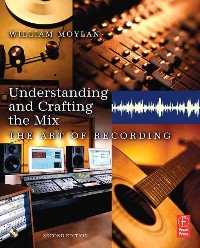
简介:Understanding and Crafting the Mix gives you clear and systematic methods for identifying, evaluating, and shaping the artistic elements in music and audio recording. The exercises throughout help you to develop critical listening and evaluating skills and gain greater control over the quality of your recordings. William Moylan takes an inside look into a range of popular music,including recordings by The Beatles, offering you insightsinto making meaningful sound judgements during recording. Sample production sequences and descriptions of the recordist's roles as composer, conductor and performer provides you with a clear view of the entire recording process. The foreword has graciously been provided by industry legend Rupert Neve. The book also includes an audio CD featuring exercises, reference materials, examples of mixes and sound qualities, and tracks and instructions for setting up and evaluating playback systems. * Unique in its focus on the aesthetics of recording and mixing and how to apply these to the mixing desk * Improve your critical listening skills with the series of exercises * Real life examples and popular musicused throughout - also includes FREE CD-ROM with audio clips and demos.
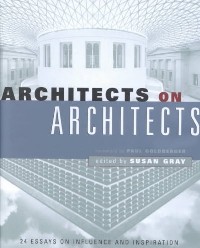
作者: Susan Gray, editor ; foreword by Paul Goldberger.
简介: This work provides a glimpse into the mind of the architect. It contains essays from 25 of the world's foremost architects, from Michael Graves to Richard Meier, who describe their greatest influentia

Creating women's networks : a how-to guide for women and companies /
作者: Catalyst ; foreword bySheila W. Wellington.
简介:Summary: Publisher Summary 1 Presents step-by-step instructions for businesswomen on creating business networks and for increasing the success of networks already in place Publisher Summary 2 The non-profit organization Catalyst offers research and advisory services aimed at maximizing opportunities for women in management and executive positions. Here the staff explains the advantages of women's networks to help enlist, retrain, and advance talented women, and provides step-by-step instructions for creating one or increasing the success of one already established. Annotation c. Book News, Inc., Portland, OR (booknews.com) Publisher Summary 3 Discover a dynamic new force in leadership development. This remarkable guide shows companies exactly how they can better retain and increase leadership talent through the establishment of women's networks--networks that link specific female employee concerns and larger organizational goals in ways that bolster the bottom line. Based on the cutting-edge research of Catalyst--America's foremost nonprofit dedicated to the advancement of women in business--this guide explains why women's networks are valuable. It shows how companies large and small have leveraged women's networks to their advantage. And it provides a detailed framework readers can follow to create a network within their organization. Charged with first-person success stories, it will prove invaluable to executives and managers concerned with decreasing turnover, increasing employee satisfaction, and optimizing the leadership potential of their entire work force.

作者: (美)本杰明·格雷厄姆(Benjamin Graham),(美)戴维·多德(David L. Dodd)著;徐彬[等]译
出版社:中国人民大学出版社,2009
简介:《证券分析(下)(原书第6版)》在长达70年的时间里共发行了5版,计有百万册,充当了无数美国最杰出投资家的启蒙教程,加上本杰明·格雷厄姆与戴维·多德两人在华尔街创下的不朽业绩,使得《证券分析》一书成为投资方面不史以来最有影响力的著作。从它于1934年问世以来,至今仍是人们最为关注的书籍,被誉为投资者的圣经。这部著作是华尔街的经典,也是奠定格雷厄姆声誉的里程碑。书中第一次阐述了寻找“物美价廉”的股票和债券的方法,这些方法在格雷厄姆去世后20年依然适用。 点击链接进入英文版: Security Analysis: Sixth Edition, Foreword by Warren Buffett

简介:Stand still, and I will read to thee A lecture, Love, in love's philosophy.--John Donne What does philosophy know of love? From Plato on, philosophers have struggled to pin love to the dissecting table and view it in the cold light of logic. Yet, as Arthur Danto writes in the foreword to this volume, "how incorrigibly stiff philosophy is when it undertakes to lay its icy fingers on the frilled and beating wings of the butterfly of love." Love, elusive and philosophically intractable as it is, has long fascinated philosophers. In this collection of classic and modern writings on the topic of erotic love, Robert Solomon and Kathleen Higgins have chosen excerpts from the great philosophical texts and combined them with the most exciting new work of philosophers writing today. The result is a broadly conceived, comprehensive, and important work, nearly as stimulating and provocative as love itself. It examines the mysteries of erotic love from a variety of philosophical perspectives and provides an impressive display of the wisdom that the world's best thinkers have brought, and continue to bring, to the study of love. In the end one loves one's desire and not what is desired.--Friedrich Nietzsche Free love? As if love is anything but free!--Emma Goldman I know of no more frequently cited word than love . . . Shouldn't this support the suspicion, along with rump-shaped hearts on bumper stickers . . . that in our language there may be no more bankrupt a word? Still these days bankruptcy does not prevent one from continuing to do very profitable business.--William Gass Love is a kind of war, and no assignment for cowards.--Ovid Every man carries within him the eternal image of woman . . . Even if no woman existed, it would still be possible to deduce from this unconscious image exactly how a woman would have to be constituted physically.--Carl Jung Love as a virtue? The passion that makes fools of us all and has led to the demise of Anthony, Cleopatra, young Romeo, Juliet and King Kong? Love is nice but it is not a virtue. Maybe it is not even nice.--Robert C. Solomon Contributions from: Plato, Sappho, Theano, Ovid, Heloise and Abelard, Andreas Capellanus, William Shakespeare, John Milton, Baruch Spinoza, Jean-Jacques Rousseau, G.W.F. Hegel, Arthur Schopenhauer, Stendhal, Friedrich Nietzsche, Sigmund Freud, Carol Jung, Karen Horney, D. H. Lawrence, Emma Goldmann, Jean-Paul Sartre, Simone deBeauvoir, Philip Slater, Shulamith Firestone, Irving Singer, Martha Nussbaum, Jerome Neu, Louis Mackey, Amelie Rorty, Elizabeth Rapaport, Kathryn Pauly Morgan, Robert Nozick, Annette Baier, William Gass, Larry Thomas, Ronald de Sousa, Robert C. Solomon.

English for administration for industry and commerce
作者: 国家工商行政管理总局编著
出版社:中国工商出版社,2005
简介: Foreword前言…………………………………(1) EVeryday Dialogue 常用会话 (一)Everyday English日常用语………………(1) 一、Meeting会面……………………………(1) 二、Talking on the telephone电话用语………(4) 三、Time and Place时间、地点……………(6) 四、Office English一般办公用语……………(8) (二)Professional English业务用语……………(13) 一、Genera]Administration政务综合………(13) 二、Legal Affairs法制工作…………………(17) 三、Administration on Enterprise Registration 企业登记管理……………………………(28) 四、Administration on Registration of Foreign- invested Enterprise 外商投资企业登记管理…………………(36) 五、Administration on Privme Economy 个体私营经济监督管理…………………(46) 六、Law En~rcement on Fair Trade 公平交易执法……………………………(55) . 七、Consumer Protection消费者权益保护…(62) 八、Manet Regulation市场规范管理………(80) 九、Trademark Registration,Review and Ajudication商标注册管理与评审………(87) 十、Regulation on Advertising 广告监督管理……………………………(110) Professional words and phrases 专业词汇与常用短语 一、General Administration政务综合………(114) 二、Legal Affairs法制工作…………………(118) 三、Administration on Enterprise Registration 企业登记管理……………………………(127) 四、Administration on Registration of Foreign— invested Enterprise 外商投资企业登记管理…………………(134) 五、Administration on Private Economy 个体私营经济监督管理…………………(138) 六、Law Enforcement 0n Fair Trade 公平交易执法……………………………(142) 七、Lonsumer Protection消费者权益保护…(155) 八、Market Regulation市场规范管理………(162) 九、Trademark Registration,Review and Ajudication商标注册管理与评审………(172) 十、Regulation on Advertising 广告监督管理……………………………(194) Appendix 附 录 一、Functions and Organizational structure 0f the State Administration for Industry and Commerce(sAIC)国家工商行政管理 总局职能配置与内设机构………………(199) 二、Main Laws and Regulations of Aaministration for Industry and Commerce工商行政管理 主要法律法规名称………………………(213) 三、Related International Organizations 相关国际组织名称………………………(217) 总计218页 注:中英文结合

作者: 蒋庆,盛洪著
出版社:上海三联书店,2004
简介:康德在其《永久和平论》中指出,不是和平状态,而是战争状态才是人类的“自然状态”。而“大自然的机制”却会使人们通过战争走向永久和平。他乐观地指出,所谓永久和平“这样一个问题是必定可以解决的。因为它并不在于人类道德的改善,而只在于要求懂得那种大自然的机制我们怎样才能用之于人类,以便这样地指导一个民族中间的那些心愿不和的冲突,使他们自身必须相互都屈服于强制性的法律之下并且必然导致使法律在其中具有力量的和平状态。…… 大自然的机制就通过彼此在外部自然而然是相互对抗着的自私倾向而可以被理性用来作为它自身的目的,即权利的规定,扫清道路的工具;从而在国家本身力所能及的范围内也就促进了内部的以及外部的和平”(加重号为引者所加,《历史理性批判文集》,商务印书馆,1996,第126页)。而在《世界公民观点之下的普遍历史观念》中,康德说得更为直白:“大自然是通过战争,通过极度紧张而永远不松驰的备战活动 ……”最终达到一个“伟大的各民族联盟”(第12页)。 康德关于永久和平的理论可以被概括为“以恶致善”。作为一个哲学家,他可能对人类“恶”的本性不抱幻想,并且由于从一个长期的视野讨论问题,即人类经过恶的血的洗礼后,最终会达到善的境界,并不具体考虑血的代价。同时,康德作为一个西方人,也许没有切身感受在力量不平衡时,弱势一方所承受的痛苦。然而,即使仅从逻辑上看,康德的“以恶致善”之路并非没有矛盾。在国际上,他所谓一种自私的力量可由另一种抗衡和抵消的情形,只在非常特殊的条件下才成立,即各方势均力敌。只要力量对比悬殊,理性会驱使强势一方尽量利用它的优势。而在人类历史中,力量间的不平衡是常态,平衡则非常罕见。即使在平衡状态中,互相对峙的各方也不甘于这种平衡,想方设法通过各种技术的或组织的创新打破平衡,重新占据优势。上个世纪的美苏冷战就是明证。如果没有伟大道德的强力约束,康德设想的“一个强大而开明的民族”作为“和平联盟”的“中心点”(第113页)是很难实现的,因为按照“以恶致善”的逻辑,具有力量优势的大国对其它国家使用武力才符合所谓“理性”。冷战结束后美国的单边主义行为说明了这一点。 康德认为一个社会依赖于权利结构体系就可正常运行,这个结构是由自利的人之间经过对抗形成的。作为一种哲学观念,这种所谓人无需克制私欲,反而具有“合目的性”的说法,可以对应于经济学中的“第一定律”,即斯密的“看不的手”,意思是说,“人人为自己,社会将更好”。但后来的经济学家并不认为这种情形能覆盖整个社会。曼瑟?奥尔森认为,在有的时候,“无论每位个体如何努力追求自己的利益,社会的理性结果最终不会自动产生。”(”Foreword” to Todd Sandler’s Collective Action: Theory and Application, The University of Michigan Press, 1992)这被称为“经济学第二定律”。它起因于大量的外部性问题和集体行动问题。外部性是指不同的私利互相对抗不能恰好达成均衡的情形,例如分散的居民不能很好地对抗传布污染的工厂。集体行动问题则揭示了,如果没有可操作的合理分摊成本的方案,就无法提供集体产品。很显然,战争或掠夺是更为直接的外部性问题,而永久和平则是世界的集体产品。它们无法通过人的自利行为自动解决或提供。奥尔森提出,必须有相应的组织或制度安排,如政府,工会,卡特尔,或某种国际联盟,才能解决集体行动问题。但实际上这些有形制度不仅各有自身的弊端,只能部分地解决问题,而且还可能产生负面作用。例如政府虽然可能提供公共物品,但如果不加控制,可能会直接侵害公民的利益。 任何社会的有效运转,实际上都要依赖于如权利体系这样的有形制度,和如道德这样的无形制度的结合。道德作为一种自律的制度不仅节约了强制成本,在社会的一些领域中直接发挥作用;而且作为一种社会理念和共识,奠定了有形制度的宪法原则。正是道德,才最后解决了“经济学第二定律”的问题,使社会得以实际存在。由于这一点,近年来制度经济学很关注对文化和道德的研究;近来走红的心理经济学又指出,人们对公共物品作出贡献的意愿,要高于经济人的假设。如果将“社会只需权利体系、而无需道德”的错误理解放大到国际上,认为实现永久和平无需借助道德,则是一个更为严重的错误。 更重要的是,在力量不平衡的情况下,“以恶致善”的大旗更容易为占有优势的人群所利用。他们为自己所认为的“善”不惜动用武力。而一旦使用“恶”的手段,目的之“善”就会被改变。正如康德所引希腊格言,“战争之为害,就在于它制造的坏人比它所消除的坏人更多。”更何况,人们还可能将自己的私利说成是“善”,甚至以恶为善。我国春秋时期发动战争的都是“仁义之师”,近代世界上有哪场战争不是为“正义”而战? 无论如何,这条“以恶致善”的道路却给予了人类原谅自己恶行的道德辩护。自康德以后又持续了数百年的战争,时至今天,我们也没有感觉到我们离“善的目的”更近了。但“以恶致善”却依然是西方世界对待国际问题的主流的哲学思想。据说,马克沁机枪的发明人的动机,就是让欧洲人对战争更为恐惧,从而结束战争走向和平。诺贝尔奖设有和平奖,不无讽刺地,在刚刚打完第一次世界大战的1918年,一个发明了固氮法,从而解决了大批量制造炸药的原料问题的化学家获得了诺贝尔奖,也许是同一思路。在今天,像美国这样一个有实力的大国,不能承担国际和平的义务,却致力于将最新的技术发明用于军事。这都反映了近代以来西方人“以恶致善”的基本取向:不断改进杀人武器与争取永久和平并不冲突。这种“以恶致善”的逻辑阻止了将道德原则作为国际关系的宪法基础,它放纵形成国家的人群不去进行提升道德水准的努力。这样,不仅一个和谐的国际社会将会遥遥无期,国家之内的文明成果将会毁于国家之间的野蛮冲突之中。 知道“以恶”不能“致善”,也就只能“以善致善”了。这本来很简单,只是在近代以来西方世界利用军事强力占据优势后,暂时的利益蒙蔽了大多数西方知识分子的眼睛,使他们看不到康德式的永久和平道路的弊害,他们的优势地位又使他们的文化成为世界主流,“以善致善”的主张反而显得奇怪了。这也是我对蒋庆先生的回答感到惊讶的另一个原因。事实上,在惊讶之余,我也意识到,这可能就是我们这次对话最有价值的成果,因为它给出了面对社会达尔文主义的世界的一条文化原则。它表面上看来颇为无力,但也许是人类走出丛林时代的唯一道路。而最具讽刺意味的是,这并不是人类的最新发现,它本来就在儒学之中,而儒学已经存在两千多年了。 儒学诞生于战国时代。它当时所面对的重要问题之一,就是结束连年的战乱,实现永久和平。它的方案是大一统。但理想的统一者不是武力最强之人,而是“不嗜杀人者”。换句话说,是最具有道德之人。它认为道德是一个社会最重要的基础,因此要求统治者是道德高尚的君子。在社会制度结构中,儒家倾向于采用非强制的礼治。因此以儒学的理解,社会就不仅是一组权利结构,还有与人为善的道德文化。据说战国时,有一个叫赵襄子的人,一上午攻下两座城池,却在那里叹息。有人问为什么。他说,我的武功发展很快,但道德却没有跟上,我正发愁怎样统治被攻下的城池呢。这个故事说明他对道德之于统治的理解。在一个社会中,建立个人之间的和谐秩序尚且如此,道德也必然应该是建立永久和平的世界的重要基础。

The Illustrated encyclopedia of orchids /
作者: edited by Alec Pridgeon ; foreword by Alasdair Morrison.
简介:"The first section, by the general editor, Alec Pridgeon, introduces orchid habitats, distribution, names and classification, hybrids, pollination, how to grow orchids and control pests and diseases, and orchid conservation. The alphabetical section, 'Orchids A-Z,' includes descriptions, names and synonyms, geographic distribution, notes on culture, and photographs drawn from collections around the world, showing the best-known species in cultivation."--Book jacket

作者: 梁永宣
出版社:五洲传播出版社 2015年05月
简介:
中医药学在中华民族在长期生活和生产实践中形成的宝贵财富。它以解除人类的疾病痛苦为目的,以人与自然的和谐相处为基本思路,在吸收中国古代哲学理念的基础上,构建了自己的理论框架,形成了独特的诊疗方式。
【目录】
Contents
Foreword
The Evolution of Ancient TCM
A Brief Introduction to TCM and Chinese Traditional Culture
The Spread of Ancient Medical Knowledge
The Skills and Virtues of Ancient Doctors
Aspects of Ancient TCM
Basic TCM Theories
The Foundation Works of TCM – The Yellow Emperor’s Classic of Internal Medicine
Sun, Moon and Yin, Yang – the Yin-yang Theory of TCM
Starting with Five-colored Soil – the Five-elements of TCM
Man Is an Integral Part of Nature – the Holistic View of TCM
The Essence, Qi and Shen of the Chinese People
Blood and Body Fluids
TCM on the Five Internal Organs (Viscera)
Why Do We Get Sick?
The Diagnostic Methods of TCM
Syndrome Differentiation
Treating Disease by Preventing Illness before It Begins
About Traditional Chinese Medicine
The Origins of Traditional Chinese Medicine
The Rich Variety of Traditional Chinese Medicine
Processing Traditional Chinese Medicine
The Natures and Flavors of Traditional Chinese Medicine
The Forms of Traditional Chinese Drugs
The Combination of Medicine
The Modern Development of TCM
Acupuncture, Moxibustion and Other External treatments
Channels, Network Vessels and Acupoints
Acupuncture and Moxa-moxibustion
External Treatments to Treat Internal Illness
TCM Theories about the Cultivation of Health
Balance and Health
Emotions and Diseases
The Homology of Medicine and Food
Nourishing the Body with the Five Grains
Health Maintenance in the Four Seasons
Moderate Movement and Rest
The Development of TCM in Modern Times
The Competition between TCM and Western Medicine
The Integration of Traditional
Chinese and Western Medicine
The Combination of Traditional
Chinese and Western Medicine
Modern TCM Education
Modern TCM Diagnoses and Treatments
The Medicine of China’s Ethnic Groups
【免费在线读】
TCM on the Five Internal Organs (Viscera)
The Monarch Organ – the Heart
The Yellow Emperor’s Classic of Internal Medicine compares the human body to a country where the king and ministers each performs their own duties. If each performs their duties properly and works in harmony with each other, the country will be able to resist aggression and evil and people will be able to live healthy and long lives.
Of the five major internal organs, the heart enjoys the most important position. In TCM theory, the heart dominates all the vital activities of the human body and is the body’s supreme commander. As The Yellow Emperor’s Classic of Internal Medicine states: “The heart is the monarch of the organs”. The monarch is the highest ruler of a country and master of all its citizens. The fact that the classic text refers to the heart as the monarch confirms the importance of the heart amongst the viscera.
One of the major functions of the heart is to govern the blood and the vessels. The Yellow Emperor’s Classic of Internal Medicine says that the “heart governs the blood of the human body”, it also describes the relationship between the organs and the blood and states plainly that the blood is dominated by the heart. The book also points out that the blood “never stops running and circulates in the body”, meaning that blood circulates around the body from the internal organs to the muscles in a continuous flow. This, of course, has been proved by modern anatomy to be true.
The Yellow Emperor’s Classic of Internal Medicine also explains several major aspects of the blood circulatory system. It shows knowledge of the different functions of arteries and veins and differentiates between “blood ejects” (arterial blood) and “blood bleed, black and turbid” (venous blood). It is interesting to compare this with developments in Western medicine: the Romans only recognized that the blood was like a tide in the 2nd Century and did not know that blood circulated at all. In the 13th Century, the Arabs started to recognize that blood circulated. However it was only in 1628 that the British doctor William Harvey put forward his more complex views on blood circulation.
According to TCM, another function of the heart is to “govern mental activities”, This means that the heart controls the spirit, thinking and conscious activities (and the intelligence and wisdom reflected in such activities). If the heart is functioning normally in this respect, then a person is spiritually healthy and has “sound sense”. Conversely, if a person’s state of mind is abnormal, then they may suffer from palpitations, forgetfulness, insomnia, mania or functional disorder of the internal organs.
The philosophers and thinkers of ancient China all believed that the heart controlled thinking, wisdom and the spiritual activities of the human body. This led to sayings such as Xin (heart), Xiang Shi Cheng (all wishes come to true) and Xin Ling Shou Qiao (quick-witted and nimble-fingered). The novel Dream of the Red Mansion praises how clever Lin Daiyu is by using an interesting remark, “her heart has one more hole than Bigan”. Where does this literary quotation mean?
Bigan was a talented minister of the Shang Dynasty who first assisted his brother Emperor Yi and then Emperor Yi’s son Emperor Zhou. It was said Bigan’s heart had seven holes. In ancient times it was believed that if a person’s heart had more holes than normal, then he or she must be clever. So the sages, who were known to be very clever and sophisticated, were thought to have more holes in their hearts than the common people. It was also thought that if a person’s heart holes were confused, that person would be clouded in the mind and silly. Such thinking became absorbed by traditional Chinese medicine.
As said above, the concept that “the heart governs mental activities” is an important basic TCM theory. It runs through the whole theoretical system of traditional Chinese medicine, and is an idea that has been followed by most doctors for generations. How do TCM practitioners understand mental activities? One way to explain this is through the following metaphor: “A person’s body is like a car with well-equipped fully functional parts. But if there is no driver, the car cannot run no matter how excellent it is. Mental activities work like the driver.”
The idea that “the heart governs mental activities” also reflects the TCM belief that the heart is the “ruler of life’s activities” and the captain of all internal organs, coordinating them as they undertake all the body’s complicated physiological activities. If the heart gets sick, TCM practitioners believe that the other internal organs will suffer from various disorders and diseases. Therefore, it is not an overstatement to compare the heart to the monarch, to reflect its important role and position amongst the internal organs.
Although TCM places the heart as the organ that governs mental activity, TCM theory does not neglect the functions of the brain. The Yellow Emperor’s Classic of Internal Medicine reads: “The brain is the sea of marrow…the head is the home of sharp intelligence”.
Zhang Zhongjing also said in the Treatise on Febrile and Miscellaneous Diseases that the “head is the ruler of the body and where the spirit light concentrates”. The medical works of later generations of physicians also confirm the important relationship between the brain, the spirit and consciousness.

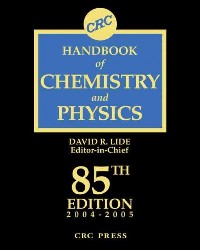
简介:Oliver Sacks contributes a wonderful foreword in which he documents the handbook's changing physical dimensions--from the early octavo editions to the nearly cubical 41st (still octavo but with 3,500 pages), to this monumental 85th edition. The handbook provides a concise source of data needed by R&D professionals, engineers, and students, including conversion factors, terminology and nomenclature, physical constants, and properties spanning the full range of the physical sciences. Updates include additions to several tables, including Aqueous Solubility of Organic Compounds and Thermal Conductivity of Liquids; a new table on Azeotropic Data for Binary Mixtures; and the return of topics such as coefficient of friction and miscibility of organic solvents. The latest recommended values of the Fundamental Physical Constants are included, and the appendix on mathematical tables has been revised by Dr. Daniel Zwillinger (editor of the CRC Standard Mathematical Tables and Formulae). This new edition is distributed with a facsimile of the 116-page first edition which appeared in 1913. Annotation 漏2004 Book News, Inc., Portland, OR (booknews.com)
热门推荐
Where Are The Customers' Yachts? Or A Good Hard Look At Wall Street 9780471770893
Creating women's networks : a how-to guide for women and companies /