

简介
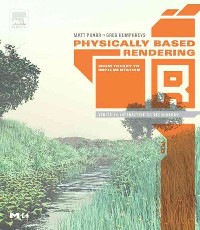
"Computer graphics, and rendering in particular, is full of beautiful theory. The theory covers physical concepts, such as light fields and the interaction of light with different materials, and mathematical concepts, such as integral equations and Monte Carlo integration. The great thing about computers is that they allow us to build rendering systems based on the best theory. This book turns the theory of image-making into a practical method for creating images." from the foreword by Pat Hanrahan, Canon USA Professor, Stanford University From movies to video games, computer-rendered images are pervasive today.Physically Based Rendering introduces the concepts and theory of photorealistic rendering hand in hand with the source code for a sophisticated renderer. By coupling the discussion of rendering algorithms with their implementations, Matt Pharr and Greg Humphreys are able toreveal many of the details and subtleties of these algorithms. But this book goes further; it also describes the design strategies involved with building real systemsthere is much more to writing a good renderer than stringing together a set of fast algorithms. For example, techniques for high-quality antialiasing must be considered from the start, as they have implications throughout the system. The rendering system described in this book is itself highly readable, written in a style called literate programming that mixes text describing thesystem with the code that implements it. Literate programming gives a gentle introduction to working with programs of this size. This lucid pairing of text and codeoffers the most complete and in-depth book available for understanding, designing, and building physically realistic rendering systems. * Winner of an Honorable Mention in the Computer and Information Science category from The Professional and Scholarly Publishing Division (PSP) of the Association of American Publishers (AAP) * Finalist for the 15th Annual Jolt Awards * Companion CD-ROM includes the source code for a complete rendering system for Windows, Mac OS X, and Linuxwith many of the features found in high-quality commercial systems. * The system's plug-in architecture makes its basic structure transparent and allows for new features to be added easily. * The rendering system implements a number of newer or difficult-to-implement algorithms and techniques,including subdivision surfaces, Monte Carlo light transport, and volumetric scattering.
目录
Copyright
Index of Notation
聽
The Morgan Kaufmann Series in Interactive 3D Technology
About the Authors
Foreword
Preface
Chapter 01.聽Introduction Section 1.1.聽Literate Programming
Section 1.2.聽Photorealistic Rendering and the Ray-Tracing Algorithm
Section 1.3.聽pbrt: System Overview
Section 1.4.聽How to Proceed through This Book
Section 1.5.聽Using and Understanding the Code
Further Reading
Exercise
Chapter 02.聽Geometry and Transformations Section 2.1.聽Coordinate Systems
Section 2.2.聽Vectors
Section 2.3.聽Points
Section 2.4.聽Normals
Section 2.5.聽Rays
Section 2.6.聽Three-Dimensional Bounding Boxes
Section 2.7.聽Transformations
Section 2.8.聽Applying Transformations
Section 2.9.聽Differential Geometry
Further Reading
Exercises
Chapter 03.聽Shapes Section 3.1.聽Basic Shape Interface
Section 3.2.聽Spheres
Section 3.3.聽Cylinders
Section 3.4.聽Disks
Section 3.5.聽Other Quadrics
Section 3.6.聽Triangles and Meshes
Section *3.7.聽Subdivision Surfaces
Further Reading
Exercises
Chapter 04.聽Primitives and Intersection Acceleration Section 4.1.聽Primitive Interface and Geometric Primitives
Section 4.2.聽Aggregates
Section 4.3.聽Grid Accelerator
Section 4.4.聽Kd-Tree Accelerator
Further Reading
Exercises
Chapter 05.聽Color and Radiometry Section 5.1.聽Spectral Representation
Section 5.2.聽Basic Radiometry
Section 5.3.聽Working with Radiometric Integrals
Section 5.4.聽Surface Reflection and the BRDF
Further Reading
Exercises
Chapter 06.聽Camera Models Section 6.1.聽Camera Model
Section 6.2.聽Projective Camera Models
Section 6.3.聽Environment Camera
Further Reading
Exercises
Chapter 07.聽Sampling and Reconstruction Section 7.1.聽Sampling Theory
Section 7.2.聽Image Sampling Interface
Section 7.3.聽Stratified Sampling
Section *7.4.聽Low-Discrepancy Sampling
Section *7.5.聽Best-Candidate Sampling Patterns
Section 7.6.聽Image Reconstruction
Further Reading
Exercises
Chapter 08.聽Film and the Imaging Pipeline Section 8.1.聽Film Interface
Section 8.2.聽Image Film
Section 8.3.聽Image Pipeline
Section *8.4.聽Perceptual Issues and Tone Mapping
Section 8.5.聽Final Imaging Pipeline Stages
Further Reading
Exercises
Chapter 09.聽Reflection Models Basic Terminology
Geometric Setting
Section 9.1.聽Basic Interface
Section 9.2.聽Specular Reflection and Transmission
Section 9.3.聽Lambertian Reflection
Section 9.4.聽Microfacet Models
Section 9.5.聽Lafortune Model
Section 9.6.聽Fresnel Incidence Effects
Further Reading
Exercises
Chapter 10.聽Materials Section 10.1.聽BSDFs
Section 10.2.聽Material Interface and Implementations
Section 10.3.聽Bump Mapping
Further Reading
Exercises
Chapter 11.聽Texture Section 11.1.聽Sampling and Antialiasing
Section 11.2.聽Texture Coordinate Generation
Section 11.3.聽Texture Interface and Basic Textures
Section 11.4.聽Image Texture
Section 11.5.聽Solid and Procedural Texturing
Section 11.6.聽Noise
Further Reading
Exercises
Chapter *12.聽Volume Scattering Section 12.1.聽Volume Scattering Processes
Section 12.2.聽Phase Functions
Section 12.3.聽Volume Interface and Homogeneous Media
Section 12.4.聽Varying-Density Volumes
Section 12.5.聽Volume Aggregates
Further Reading
Exercises
Chapter 13.聽Light Sources Section 13.1.聽Light Interface
Section 13.2.聽Point Lights
Section 13.3.聽Distant Lights
Section 13.4.聽Area Lights
Section 13.5.聽Infinite Area Lights
Further Reading
Exercises
Chapter 14.聽Monte Carlo Integration I: Basic Concepts Section 14.1.聽Background and Probability Review
Section 14.2.聽The Monte Carlo Estimator
Section 14.3.聽Sampling Random Variables
Section 14.4.聽Transforming between Distributions
Section 14.5.聽2D Sampling with Multidimensional Transformations
Further Reading
Exercises
Chapter 15.聽Monte Carlo Integration II: Improving Efficiency Section 15.1.聽Russian Roulette and Splitting
Section 15.2.聽Careful Sample Placement
Section 15.3.聽Bias
Section 15.4.聽Importance Sampling
Section 15.5.聽Sampling Reflection Functions
Section 15.6.聽Sampling Light Sources
Section *15.7.聽Volume Scattering
Further Reading
Exercises
Chapter 16.聽Light Transport I: Surface Reflection Section 16.1.聽Direct Lighting
Section 16.2.聽The Light Transport Equation
Section 16.3.聽Path Tracing
Section 16.4.聽Irradiance Caching
Section 16.5.聽Particle Tracing and Photon Mapping
Further Reading
Exercises
Chapter *17.聽Light Transport II: Volume Rendering Section 17.1.聽The Equation of Transfer
Section 17.2.聽Volume Integrator Interface
Section 17.3.聽Emission-Only Integrator
Section 17.4.聽Single Scattering Integrator
Further Reading
Exercises
Chapter 18.聽Summary and Conclusion Section 18.1.聽Design Retrospective
Section 18.2.聽Major Projects
Section 18.3.聽Conclusion
Appendix A.聽Utilities Section A.1.聽Communicating with the User
Section A.2.聽Memory Management
Section A.3.聽Mathematical Routines
Section A.4.聽Octrees
Section A.5.聽Kd-Trees
Section A.6.聽Image File Handling
Section A.7.聽Main Include File
Further Reading
Exercises
Appendix B.聽Scene Description Interface Section B.1.聽Parameter Sets
Section B.2.聽Initialization and Rendering Options
Section B.3.聽Scene Definition
Section B.4.聽Dynamic Object Creation
Further Reading
Exercises
Appendix C.聽Input File Format Section C.1.聽Parameter Lists
Section C.2.聽Statement Types
Section C.3.聽Standard Plug-Ins
Appendix D.聽Index of Fragments
Appendix E.聽Index of Classes and their Members
Appendix F.聽Index of Miscellaneous Identifiers
References
About the CD-ROM License Agreement
Cd-Rom Contents
Building the System Under Windows
Physically Based Rendering From Theory to Implementation
Index of Notation
聽
The Morgan Kaufmann Series in Interactive 3D Technology
About the Authors
Foreword
Preface
Chapter 01.聽Introduction Section 1.1.聽Literate Programming
Section 1.2.聽Photorealistic Rendering and the Ray-Tracing Algorithm
Section 1.3.聽pbrt: System Overview
Section 1.4.聽How to Proceed through This Book
Section 1.5.聽Using and Understanding the Code
Further Reading
Exercise
Chapter 02.聽Geometry and Transformations Section 2.1.聽Coordinate Systems
Section 2.2.聽Vectors
Section 2.3.聽Points
Section 2.4.聽Normals
Section 2.5.聽Rays
Section 2.6.聽Three-Dimensional Bounding Boxes
Section 2.7.聽Transformations
Section 2.8.聽Applying Transformations
Section 2.9.聽Differential Geometry
Further Reading
Exercises
Chapter 03.聽Shapes Section 3.1.聽Basic Shape Interface
Section 3.2.聽Spheres
Section 3.3.聽Cylinders
Section 3.4.聽Disks
Section 3.5.聽Other Quadrics
Section 3.6.聽Triangles and Meshes
Section *3.7.聽Subdivision Surfaces
Further Reading
Exercises
Chapter 04.聽Primitives and Intersection Acceleration Section 4.1.聽Primitive Interface and Geometric Primitives
Section 4.2.聽Aggregates
Section 4.3.聽Grid Accelerator
Section 4.4.聽Kd-Tree Accelerator
Further Reading
Exercises
Chapter 05.聽Color and Radiometry Section 5.1.聽Spectral Representation
Section 5.2.聽Basic Radiometry
Section 5.3.聽Working with Radiometric Integrals
Section 5.4.聽Surface Reflection and the BRDF
Further Reading
Exercises
Chapter 06.聽Camera Models Section 6.1.聽Camera Model
Section 6.2.聽Projective Camera Models
Section 6.3.聽Environment Camera
Further Reading
Exercises
Chapter 07.聽Sampling and Reconstruction Section 7.1.聽Sampling Theory
Section 7.2.聽Image Sampling Interface
Section 7.3.聽Stratified Sampling
Section *7.4.聽Low-Discrepancy Sampling
Section *7.5.聽Best-Candidate Sampling Patterns
Section 7.6.聽Image Reconstruction
Further Reading
Exercises
Chapter 08.聽Film and the Imaging Pipeline Section 8.1.聽Film Interface
Section 8.2.聽Image Film
Section 8.3.聽Image Pipeline
Section *8.4.聽Perceptual Issues and Tone Mapping
Section 8.5.聽Final Imaging Pipeline Stages
Further Reading
Exercises
Chapter 09.聽Reflection Models Basic Terminology
Geometric Setting
Section 9.1.聽Basic Interface
Section 9.2.聽Specular Reflection and Transmission
Section 9.3.聽Lambertian Reflection
Section 9.4.聽Microfacet Models
Section 9.5.聽Lafortune Model
Section 9.6.聽Fresnel Incidence Effects
Further Reading
Exercises
Chapter 10.聽Materials Section 10.1.聽BSDFs
Section 10.2.聽Material Interface and Implementations
Section 10.3.聽Bump Mapping
Further Reading
Exercises
Chapter 11.聽Texture Section 11.1.聽Sampling and Antialiasing
Section 11.2.聽Texture Coordinate Generation
Section 11.3.聽Texture Interface and Basic Textures
Section 11.4.聽Image Texture
Section 11.5.聽Solid and Procedural Texturing
Section 11.6.聽Noise
Further Reading
Exercises
Chapter *12.聽Volume Scattering Section 12.1.聽Volume Scattering Processes
Section 12.2.聽Phase Functions
Section 12.3.聽Volume Interface and Homogeneous Media
Section 12.4.聽Varying-Density Volumes
Section 12.5.聽Volume Aggregates
Further Reading
Exercises
Chapter 13.聽Light Sources Section 13.1.聽Light Interface
Section 13.2.聽Point Lights
Section 13.3.聽Distant Lights
Section 13.4.聽Area Lights
Section 13.5.聽Infinite Area Lights
Further Reading
Exercises
Chapter 14.聽Monte Carlo Integration I: Basic Concepts Section 14.1.聽Background and Probability Review
Section 14.2.聽The Monte Carlo Estimator
Section 14.3.聽Sampling Random Variables
Section 14.4.聽Transforming between Distributions
Section 14.5.聽2D Sampling with Multidimensional Transformations
Further Reading
Exercises
Chapter 15.聽Monte Carlo Integration II: Improving Efficiency Section 15.1.聽Russian Roulette and Splitting
Section 15.2.聽Careful Sample Placement
Section 15.3.聽Bias
Section 15.4.聽Importance Sampling
Section 15.5.聽Sampling Reflection Functions
Section 15.6.聽Sampling Light Sources
Section *15.7.聽Volume Scattering
Further Reading
Exercises
Chapter 16.聽Light Transport I: Surface Reflection Section 16.1.聽Direct Lighting
Section 16.2.聽The Light Transport Equation
Section 16.3.聽Path Tracing
Section 16.4.聽Irradiance Caching
Section 16.5.聽Particle Tracing and Photon Mapping
Further Reading
Exercises
Chapter *17.聽Light Transport II: Volume Rendering Section 17.1.聽The Equation of Transfer
Section 17.2.聽Volume Integrator Interface
Section 17.3.聽Emission-Only Integrator
Section 17.4.聽Single Scattering Integrator
Further Reading
Exercises
Chapter 18.聽Summary and Conclusion Section 18.1.聽Design Retrospective
Section 18.2.聽Major Projects
Section 18.3.聽Conclusion
Appendix A.聽Utilities Section A.1.聽Communicating with the User
Section A.2.聽Memory Management
Section A.3.聽Mathematical Routines
Section A.4.聽Octrees
Section A.5.聽Kd-Trees
Section A.6.聽Image File Handling
Section A.7.聽Main Include File
Further Reading
Exercises
Appendix B.聽Scene Description Interface Section B.1.聽Parameter Sets
Section B.2.聽Initialization and Rendering Options
Section B.3.聽Scene Definition
Section B.4.聽Dynamic Object Creation
Further Reading
Exercises
Appendix C.聽Input File Format Section C.1.聽Parameter Lists
Section C.2.聽Statement Types
Section C.3.聽Standard Plug-Ins
Appendix D.聽Index of Fragments
Appendix E.聽Index of Classes and their Members
Appendix F.聽Index of Miscellaneous Identifiers
References
About the CD-ROM License Agreement
Cd-Rom Contents
Building the System Under Windows
Physically Based Rendering From Theory to Implementation
- 名称
- 类型
- 大小
光盘服务联系方式: 020-38250260 客服QQ:4006604884
云图客服:
用户发送的提问,这种方式就需要有位在线客服来回答用户的问题,这种 就属于对话式的,问题是这种提问是否需要用户登录才能提问
Video Player
×
Audio Player
×
pdf Player
×
亲爱的云图用户,
光盘内的文件都可以直接点击浏览哦
无需下载,在线查阅资料!
