共找到 113 项 “Flip” 相关结果
- 全部分类
- 全部
- 文学
- 历史
- 哲学/宗教
- 法律
- 政治/社会
- 医学
- 教育/心理学
- 艺术/传媒
- 研究生考试
- 资格认证考试
- 公开课
- 语言
- 经济金融
- 管理学
- IT/计算机
- 自然科学
- 工学/工程
- 体育
- 行业资料
- 音乐
- 汽车机械制造
- 文档模板
- 创业
- 农学
- 生活
- 数据库教程
- 民族
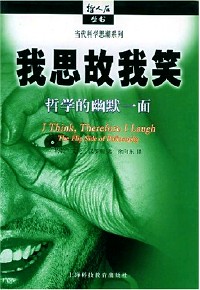
I Think, Therefore I Laugh:The Flip Side of Philosophy
作者: [美]约翰·艾伦·保罗斯(John Allen Paulos)著;徐向东译
出版社:上海科技教育出版社,2002
简介:哲人石丛书·当代科学思潮系列。 哲学关怀 幽默感=语言治疗,“胜读十年书”之奇书。 本书共分4章:两对不可能的搭档;逻辑;科学;人物。作者通过维特根斯坦与卡罗尔、格劳乔与罗素之间虚构的对话,妙趣横生地探讨“哲学的幽默一面”、逻辑推理中的“傻段论”、说谎者悖论,生动形象地阐释歌德尔不完全性定理、绿蓝——蓝绿悖论、渡鸦悖论,从还原论、可错论和机会主义,到随机性、复杂性和贝尔不等式,借助大量寓言、故事、谜题,发掘分析哲学与幽默的深层共鸣,揭示非决定论、囚徒困境、投票悖论背后的意蕴,最终归结为“我思故我笑”。 本书自1985年出版英文版以来,已被翻译成西班牙文、法文、荷兰文、德文、意大利文、土耳其文、日文等文字出版。
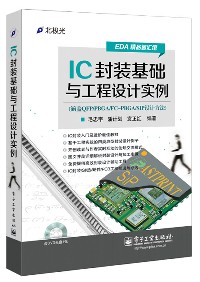
作者: 毛忠宇,潘计划,袁正红 著
出版社:电子工业出版社 2014-7-1
简介: 本书通过四种最有代表性的封装类设计实例(QFP、PBGA、FC-PBGA、SiP),详细介绍了封装设计过程及基板、封装加工、生产方面的知识。本书还涵盖封装技术的概念、常用封装材料介绍及封装工艺流程、金属线框QFP的设计、WireBond介绍、PBGA设计、基板工艺、封装工艺、8个Die堆叠的SiP设计与制作过程、高速SerDes的FC-PBGA设计关键点、Flip Chip设计过程中Die与Package的局部Co-Design。本书免费提供作者在日常封装设计过程中自行开发的多个高效率封装辅助软件小工具,并不定期到www.eda365.com网站的“IC封装设计与仿真”版块更新及增加。
作者: 施威铭研究室编著
出版社:清华大学出版社,2010
简介: 如果您想晋级为Windows 7高手,本书是您必读指南,书中全面揭示最 新操作系统Windows 7注册表的奧秘,教您活用注册表的技法,充分发挥 Windows 7的系统效能。 书中精选105个注册表秘技,其中涵盖快速打造炫丽个性化的桌面、 Aero特效和Flip 3D完整调校、快速启动系统、提高安全防范功能、微软暗 藏的上帝模式、IE和Windows Live Mail全新改造秘技、高手必会的组策略 改机组合技巧、隐藏特定磁盘等,这些技巧都很难从微软手册和帮助文档 中找到。 本书图文结合,尤其是图解标注十分清晰、实用,直观易读,适合于 所有使用Windows 7操作系统和有兴趣了解注册表的用户。
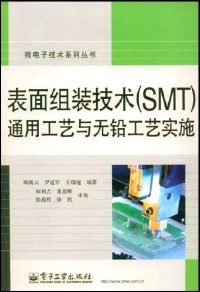
作者: 顾霭云,罗道军,王瑞庭编著
出版社:电子工业出版社,2008
简介:本书比较全面、系统地介绍表面组装技术(SMT)通用工艺和无铅工艺实施。通用工艺规程是企业生产活动中最基础的技术文件。通用工艺的内容包括工艺条件、工艺流程、操作程序、安全技术操作方法、工艺参数、检验标准、检验方法、缺陷分析,以及静电防护技术和SMT制造中的工艺控制与质量管理等,还介绍通孔元件再流焊、三防涂覆工艺,挠性板、陶瓷基板表面组装工艺,0201、01005、POFN、倒装芯片(Flip Chip)、COB、晶圆级CSP、晶圆级FC、三维堆叠POP及ACA、ACF与ESC等新工艺和新技术;无铅工艺实施部分通过对锡焊(钎焊)机理的学习,介绍如何运用焊接理论,正确设置再流焊温度曲线、正确实施无铅工艺的过程与方法,讨论过渡阶段有铅、无铅混用应注意的问题,以及焊点可靠性试验与失效分析技术。 全书联系当前SMT与无铅现状,讲解深入浅出,对SMT专业人员,尤其对刚刚介入SMT的从业人员提高焊接理论水平、尽快掌握正确的工艺方法、提高工艺能力具有很实用的指导作用。 本书每章后都配有思考题,既可作为中高等院校先进电子制造SMT专业教材,也可作为工程师继续教育、技术培训教材与参考资料更多>>
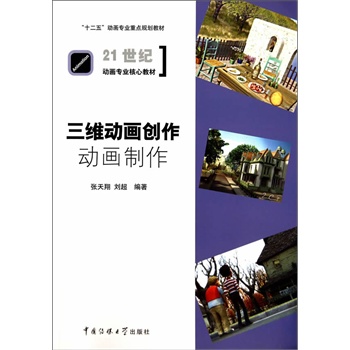
作者: 张天翔,刘超 编著
简介: 张天翔、刘超编著的《三维动画创作动画制作》 主要包括两部分:一部分主要是讲解基本的动画运动 规律,例如,小球的弹跳,角色走、跑、跳等,角色 的面部表情等,该部分通过flip book软件的绘制使 读者基本掌握角色基本几个动作的运动规律。第二部 分主要讲解技术部分,例如设置角色骨骼以及给骨骼 添加控制器,maya中如何制作角色的骨骼以及控制器 ,角色的面部表情的控制器做法。
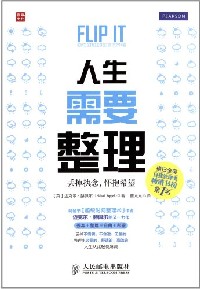
Flip it: how to get the best out of everything
作者: (英)迈克尔·赫佩尔(Michael Heppell)著;董元元译
出版社:人民邮电出版社,2013
简介:《人生需要整理——丢掉执念,怀抱希望》是英国家喻户晓的激励大师迈克尔·赫佩尔的一部最新力作,也是其最受欢迎的一部作品。作为人生整理专家,作者从自信、社交圈、健康、财富、成功、工作、创造力、“糟糕的一天”等11个角度教导人们如何运用时下最流行的“丢弃与整理”理念重新整理自己的人生,他鼓励大家丢掉“不需要的”、“不舒适的”负能量,留下“必要的”、“有益的”正能量,进而轻装上阵,提高做事效率、重获内心的平和与愉悦,享受畅快淋漓的人生。适合职场人士、SOHO一族、全职主妇等所有感觉生活需要重新整理、渴望享受自由人生的读者阅读。
作者: Pilkey
简介:
Book De*ion
The Captain Underpants series, by Dav Pilkey, is a series of American children's books about two 4th graders, George Beard and Harold Hutchins, and the aptly-named superhero they accidentally created, who is their principal, Mr. Benny Krupp.
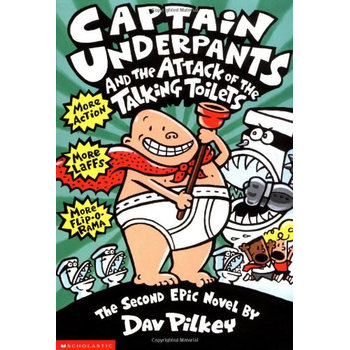
Captain Underpants and the Attack of the Talking Toilets is a children's book by Dav Pilkey, the second in the series of books with "Captain Underpants" in the titles.
Harold and George run into trouble when they use the school brain's science project to print copies of their latest Captain Underpants adventure — they accidentally unleash an invasion of Talking Toilets! The boys have to hypnotize Principal Krupp again so that, as Captain Underpants, he can battle the menace. But will it be enough?
From Publishers Weekly
In this worthy sequel to The Adventures of Captain Underpants, Pilkey maintains the original's satiric, self-referential formula as he revisits fourth-grade pranksters Harold and George, along with their school principal and principle nemesis, Mr. Krupp (aka superhero Captain Underpants). Trouble begins when Harold and George sabotage a science fair and are punished with "The Invention Convention Detention." Bored, the boys collaborate on a comic book about Talking Toilets. To their surprise, the Toilets come to life and Mr. Krupp's alter ego is called into service. Worst of all, even the brave Captain Underpants may be no match for the Toilets' leader, "nearly a ton of twisting steel and raging porcelain" known as the TT 2000. Pilkey illustrates in uncomplicated black-and-white line drawings with washes of gray, and offers "Flip-O-RamaTM," which requires turning a page back and forth for low-low-budget animation ("Don't forget to add your own sound-effects!"). He promises "extremely graphic violence" in scenes of "a giant toilet getting its shiny hiney kicked," ridicules teachers named "Ms. Ribble" and "Miss Anthrope" and decides that the story just wouldn't be complete without "upchucking." Bart Simpson could learn a few things from the subversively hilarious Harold and George, who consider inventing a robot urinal ("The Urinator"), then decide, "They'll never let us get away with that in a children's book. We're skating on thin ice as it is!" Ages 7-10.
From School Library Journal
Grade 3-6This epic novel opens with an introductory cartoon strip that tells the top-secret truth about how two kids, George and Harold, used the 3-D Hypno-Ring to hypnotize their principal, who now becomes Captain Underpants whenever he hears fingers snaping. In this second adventure, the boys are banned from attending the annual Invention Convention and sent to detention to keep them out of trouble. This, of course, is impossible, so they sneak into the school that evening and tamper with all of the inventions to wreak havoc. They also make copies of their newest comic strip of vicious attack toilets and the daddy monster of them allTurbo Toilet 2000. The copy machine is an invention that duplicates into live matter all images it copies and the attack toilets come to life. The wild story actually comes to a logical conclusion, but it really doesnt matter. The fun is in the reading, which is full of puns, rhymes, and nonsense along with enough revenge and wish fulfillment for every downtrodden fun-seeking kid who never wanted to read a book. The cartoon drawings and the amazing flip-o-rama pages make this book so appealing that youngsters wont notice that their vocabulary is stretching. Hooray for Captain Underpants! Watch him fly off your shelves.
Marlene Gawron, Orange County Library, Orlando, FL
From Booklist
Pilkey keeps his promise (or threat) to continue the adventures of George, Harold, and their split-personality principal, Mr. Krupp. Using school brainiac Melvin Sneedly's science project, a specially modified copy machine, to reproduce their latest homemade comic book, George and Harold inadvertently create an army of teacher-eating toilets led by evil supercommode Turbo Toilet 2000. Enter Captain Underpants, Krupp's briefs-clad alter ego, "faster than a speeding waistband . . . more powerful than boxer shorts," able to lay the attackers low with generous glops of school lunch--but not even Wedgie Power can stop the menacing meisterjohn. What to do? It's back to the copier for a new superhero, the Incredible Robo-Plunger. One climactic battle later, the triumphant lads send all their creations off to Uranus, and kick back to enjoy their reward: a gig as Principals for a Day. Destined to be at least as popular as the first book, this, too, is profusely illustrated with black-and-white cartoon art, including actual pages of the lads' comics, and two chapters done in back-and-forth Flip-o-Rama, "the world famous cheesy animation technique." 'Nuff said.
John Peters
Book Dimension :
length: (cm)20.3 width:(cm)14
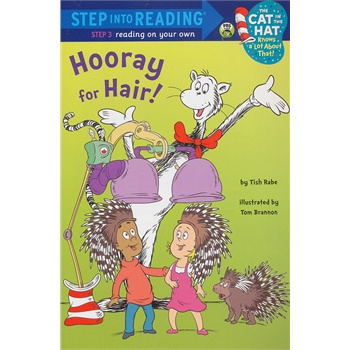
Hooray for Hair! 苏斯博士:换个发型 ISBN9780375870484
作者: Tish Rabe 著
简介: The Cat in the Hat goes on a hairy adventure inthis leveled reader for independent readers all about--whatelse?--hair! It's Crazy Hair Day at Sally and Nick's school, andthe kids can't pick a style to wear. Curly or straight? Long orshort? It's too hard to choose--until the Cat in the Hat arriveswith his Wig-o-lator--a machine that allows the kids to "try on"the hairstyles of a yak, a fur seal, and a porcupine--with comical(and educational) results! Written specifically for childrenlearing to read on their own, this Step 3 reader is based on anepisode of the PBS KIDS preschool science show The Cat in the HatKnows a Lot About That! Young readers will flip their wigsover it!
作者: Pilkey
简介:
Book De*ion
The Captain Underpants series, by Dav Pilkey, is a series of American children's books about two 4th graders, George Beard and Harold Hutchins, and the aptly-named superhero they accidentally created, who is their principal, Mr. Benny Krupp.
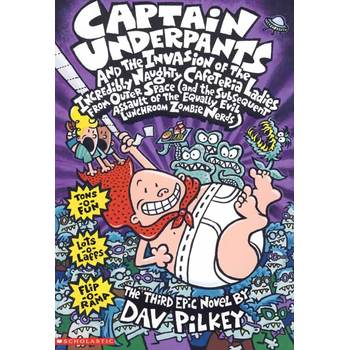
It's a bird! It's a plane! No, wait a minute...it's Captain Underpants! Back for another adventure, this Wedgie-Powered-cottony-hero has to outwit the alien threesome — Zorx, Klax, and Jennifer — who are up to no good. They've turned all of the students at the Jerome Horwitz Elementary School into zombie nerds, and try to take over the world by posing as chili-making cafeteria ladies! But who else can possibly help Captain Underpants stop all of the hullabaloo? George and Harold, two fun-loving troublemakers, that's who! With black-and-white cartoons.
Amazon.com
Hooray for Captain Underpants! Everybody's favorite waistband warrior is back, ready to fight for Truth, Justice, and all that is Pre-Shrunk and Cottony. If you've read Dav Pilkey's first two comic epics, The Adventures of Captain Underpants and Captain Underpants and the Attack of the Talking Toilets, you already know the brave Captain is really just crabby old Principal Krupp, hypnotized into becoming the world's greatest superhero every time someone snaps their fingers. And of course you know the trouble-making hypnotists are none other than Jerome Horwitz Elementary School's two most notorious tricksters, George and Harold ("We rule!" "Me, too!").
Well, George and Harold--surprise, surprise--are at it again. The cranky lunch ladies quit after George and Harold fool them into baking super-volcanic krispy kupcakes that flood the school with gigantic green globs o' goo. Mr. Krupp finds replacements and fast, but he unwittingly hires the tentacled alien trio of Zorx, Klax, and Jennifer in disguise! Will they turn everyone in school into evil zombie nerds? Can George and Harold save the world before it's too late? All seems lost until the diabolical Zorx snaps his... um, tentacles in front of Mr. Krupp, and the power of wedgies comes to the rescue once again.
Captain Underpants's third outing is better than ever, with patented Flip-o-Rama animation and wacky bonus comics like "Captain Underpants--Wedgie Wars" and "Captain Underpants and the Night of the Living Lunch Ladies." (Ages 8 to 12)
--Paul Hughes
From Publishers Weekly
Fourth-grade cut-ups Harold and George and their principal-turned-superhero are as funny as ever in Pilkey's third Captain Underpants caper. (For those in the dark, the superhero in question is an underwear-clad, toilet-paper-toting crusader for "Truth, Justice, and ALL that is Preshrunk and Cottony"). As in the earlier installments, this zany tale adopts a variety of formats, including sprightly illustrated text; reproductions of the two boys' homemade comic books; and "flip-o-rama" pages that replicate "world-famous cheesy animation technique." Captain Underpants and his errant students here go up against a trio of aliens posing as lunch ladies. Suddenly students begin turning into "zombie nerds": "Look," says George, "They're all wearing broken eyeglasses held together with masking tape... and they've got vinyl pocket protectors!!!" It's all part of the aliens' quest to take over the world: "It won't be long now," says the evil Klax. "Tomorrow we'll feed them Super Evil Rapid-Growth Juice! Then they will grow to the size of Zleqxisfp trees." Those with a limited tolerance for the silly need not apply to the Captain Underpants fan club, yet its legion members will plunge happily into his latest bumbling adventure. Ages 7-10. (Sept.)
From Library Journal
Grade 3-6-Captain Underpants is back (and stronger than ever thanks to some "extra-strength super power juice"). Jerome Horwitz Elementary School is invaded by three "incredibly naughty cafeteria ladies" who are really hideously evil aliens in disguise. Their dastardly plan is to take over Earth by turning its inhabitants into giant zombie nerds starting with the children of Piqua, OH. Harold, George, and Captain Underpants once again save the day with quick thinking and Wedgie Power. Pilkey's hilarious black-and-white pencil cartoons complement the comic humor of the text. Added to the fun are the ever-present Flip-O-Rama pages and a zany Captain Underpants comic. Whether first-time readers of this series or avid fans, children will enjoy this outrageously funny adventure.
Krista Grosick, Cuyahoga County Public Library, OH
From Booklist
In their third "epic" adventure, George and Harold show just what you get when you expect fourth-graders "to sit still and pay attention for seven hours a day." An introductory cartoon strip, "Wedgie Wars," takes parody and bad spelling to new depths. Mr. Krupp, the principal, still turns into Captain Underpants at the snap of a finger--and gains new superpowers before the end of the book. And there are fart jokes, dead jokes, the "Toilet Paper of Justice," sly references to everything from Batman to the Wizard of Oz, and a "Flip-O-Rama" featuring "incredibly graphic violence" (not really). What can you say about a book in which space aliens are named Zorx, Klax, and Jennifer? Or about the incredibly tasteless cafeteria lady jokes? And what can you say about the next in the series, which will feature a character named Professor Poopypants? You know how many copies you'll need to buy.
GraceAnne A. DeCandido
From Kirkus Reviews
Once again, it's Wedgie Power to the rescue, in a book subtitled ``And the Invasion of the Incredibly Naughty Cafeteria Ladies from Outer Space (and the Subsequent Assault of the Equally Evil Lunchroom Zombie Nerds).'' When aliens Zorx, Klax, and Jennifer launch their invasion of Earth by converting the students and teachers of the Jerome Horwitz Elementary School into an army of zombies with pocket protectors, it's up to inveterate troublemakers George and Harold, with their feckless ally Captain Underpants (he's the mean principal's alter-ego), to save the planet. The deed is done in a crowd-pleasing welter of plot twists and bathroom humor, wisecracks and free shots at school food; Pilkey's black-and-white cartoons move from crudely-drawn comic books created by the boys to pages that readers are required to flip back and forth for an animated effect. As in the previous appearances of Captain Underpants (The Adventures of Captain Underpants, 1997, etc.), this gross but not gruesome adventure will have fans looking forward to the upcoming (and obviously perfectly tasteful) Captain Underpants and the Perilous Plot of Professor Poopypants. (Fiction. 8-10)
Book Dimension :
作者: 李淳飞
出版社:科学出版社 2015年12月
简介:
The content of this book is divided into 10 chapters. Chapter 1 introduces the importance, classificatioand parameter of optical switch, and points out the research directioof the all-optical switch; Chapter 2 gives the basic knowledge of nonlinear optical physics and materials for all- optical switches; Chapter 3 introduces the electricity-controUed optical switches, which are available ithe market; Chapter 4 studies the optical bistable device (OBD) including the pure optical OBD and the electro-optical hybrid OBD, iadditiothe instability of OBD; Chapter 5 discusses the nonlinear interferometer all-optical switches as a kind of space-type AOSs; Chapter 6 introduces the nonlinear fiber grating AOS, which is one of intensity-type AOSs; Chapter 7 shows the nanoscale AOS including the nanoscale waveguide AOS, the photocrystal AOS and the surface plasmonic AOS; Chapter 8 discusses the optical flip- flop, a time-type AOS, and the wavelength convertor, a wavelength-type AOS; Chapter 9 talks about optical-limiting optical switches, which is a transmittance switch used for preventing laser injure to eyes. Finally, Chapter 10 discusses the applications of AOSs iall-optical communicationetworks.
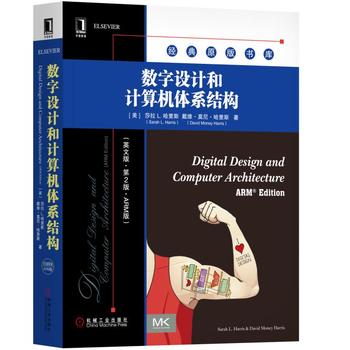
作者: 莎拉
出版社:机械工业出版社 2018年01月
简介:
本书采用ARM取代了早先使用MIPS作为核心处理器来介绍计算机组织和设计的基本概念,涵盖了数字逻辑设计的主要内容。本书以一种流行的方式介绍了从计算机组织和设计到更细节层次的内容,涵盖了数字逻辑设计的主要内容,并通过ARM微处理器的设计强化数字逻辑的概念。本书的典型特色是将数字逻辑和计算机体系结构融合,教学内容反映了当前数字电路设计的主流方法,并突出计算机体系结构的工程特点,书中的大量示例及习题也可以加强读者对基本概念和技术的理解和记忆。
【目录】
Contents
Preface . vi
Features . vii
Online Supplements viii
How to Use the Software Tools in a Course ix
Labs ix
Bugs x
Acknowledgments xi
Chapter 1 From Zero to One 3
1.1 TheGamePlan 3
1.2 The Art of Managing Complexity . 4
1.2.1 Abstraction 4
1.2.2 Discipline 5
1.2.3 The Three-Y’s 6
1.3 The Digital Abstraction 7
1.4 Number Systems. 9
1.4.1 Decimal Numbers 9
1.4.2 Binary Numbers 9
1.4.3 Hexadecimal Numbers . 11
1.4.4 Bytes, Nibbles, and All That Jazz . 13
1.4.5 Binary Addition . 14
1.4.6 Signed Binary Numbers 15
1.5 Logic Gates 19
1.5.1 NOT Gate 20
1.5.2 Buffer 20
1.5.3 AND Gate 20
1.5.4 OR Gate . 21
1.5.5 Other Two-Input Gates 21
1.5.6 Multiple-Input Gates . 21
1.6 Beneath the Digital Abstraction 22
1.6.1 Supply Voltage 22
1.6.2 Logic Levels 22
1.6.3 Noise Margins 23
1.6.4 DC Transfer Characteristics 24
1.6.5 The Static Discipline . 24
1.7 CMOSTransistors 26
1.7.1 Semiconductors 27
1.7.2 Diodes 27
1.7.3 Capacitors 28
1.7.4 nMOS and pMOS Transistors 28
1.7.5 CMOS NOT Gate . 31
1.7.6 Other CMOS Logic Gates . 31
1.7.7 Transmission Gates 33
1.7.8 Pseudo-nMOS Logic . 33
1.8 Power Consumption 34
1.9 Summary and a Look Ahead 35
Exercises 37
Interview Questions . 52
Chapter 2 Combinational Logic Design 55
2.1 Introduction 55
2.2 BooleanEquations 58
2.2.1 Terminology 58
2.2.2 Sum-of-Products Form . 58
2.2.3 Product-of-Sums Form . 60
2.3 BooleanAlgebra 60
2.3.1 Axioms . 61
2.3.2 Theorems of One Variable . 61
2.3.3 Theorems of Several Variables 62
2.3.4 The Truth Behind It All 64
2.3.5 Simplifying Equations 65
2.4 From Logic to Gates 66
2.5 Multilevel Combinational Logic 69
2.5.1 Hardware Reduction . 70
2.5.2 Bubble Pushing 71
2.6 X’s and Z’s, Oh My 73
2.6.1 Illegal Value: X . 73
2.6.2 Floating Value: Z 74
2.7 Karnaugh Maps 75
2.7.1 Circular Thinking . 76
2.7.2 Logic Minimization with K-Maps . 77
2.7.3 Don't Cares . 81
2.7.4 The Big Picture 82
2.8 Combinational Building Blocks 83
2.8.1 Multiplexers . 83
2.8.2 Decoders . 86
2.9 Timing. 88
2.9.1 Propagation and Contamination Delay 88
2.9.2 Glitches . 92
2.10 Summary 95
Exercises 97
Interview Questions 106
Chapter 3 Sequential Logic Design 109
3.1 Introduction. 109
3.2 Latches and Flip-Flops . 109
3.2.1 SR Latch . 111
3.2.2 D Latch 113
3.2.3 D FIip-Flop . 114
3.2.4 Register . 114
3.2.5 Enabled Flip-Flop . 115
3.2.6 Resettable Flip-Flop 116
3.2.7 Transistor-Level Latch and Flip-Flop Designs 116
3.2.8 Putting It All Together . 118
3.3 Synchronous Logic Design 119
3.3.1 Some Problematic Circuits 119
3.3.2 Synchronous Sequential Circuits 120
3.3.3 Synchronous and Asynchronous Circuits . 122
3.4 Finite State Machines 123
3.4.1 FSM Design Example 123
3.4.2 State Encodings . 129
3.4.3 Moore and Mealy Machines 132
3.4.4 Factoring State Machines . 134
3.4.5 Deriving an FSM from a Schematic . 137
3.4.6 FSM Review 140
3.5 Timing of Sequential Logic . 141
3.5.1 The Dynamic Discipline 142
3.5.2 System Timing 142
3.5.3 Clock Skew . 148
3.5.4 Metastability 151
3.5.5 Synchronizers . 152
3.5.6 Derivation of Resolution Time 154
3.6 Parallelism 157
3.7 Summary . 161
Exercises 162
Interview Questions 171
Chapter 4 Hardware Description Languages 173
4.1 Introduction. 173
4.1.1 Modules 173
4.1.2 Language Origins . 174
4.1.3 Simulation and Synthesis . 175
4.2 Combinational Logic. 177
4.2.1 Bitwise Operators . 177
4.2.2 Comments and White Space 180
4.2.3 Reduction Operators . 180
4.2.4 Conditional Assignment 181
4.2.5 Internal Variables . 182
4.2.6 Precedence 184
4.2.7 Numbers 185
4.2.8 Z’s and X’s . 186
4.2.9 Bit Swizzling 188
4.2.10 Delays 188
4.3 Structural Modeling 190
4.4 Sequential Logic . 193
4.4.1 Registers 193
4.4.2 Resettable Registers 194
4.4.3 Enabled Registers 196
4.4.4 Multiple Registers . 197
4.4.5 Latches . 198
4.5 MoreCombinationalLogic. 198
4.5.1 Case Statements . 201
4.5.2 If Statements 202
4.5.3 Truth Tables with Don’t Cares . 205
4.5.4 Blocking and Nonblocking Assi
作者: Jane Austen.
简介: Book Description Emma, when first published in 1816, was written when Jane Austen was at the height of her powers. In it, we have her two greatest comic creations — the eccentric Mr. Woodhouse and that quintissential bore, Miss Bates. In it, too, we have her most profound characterization: the witty, imaginative, self-deluded Emma, a heroine the author declared "no one but myself will much like," but who has been much loved by generations of readers. Delightfull funny, full of rich irony, Emma is regarded as one of Jane Austen's finest achievements. Amazon.com Of all Jane Austen's heroines, Emma Woodhouse is the most flawed, the most infuriating, and, in the end, the most endearing. Pride and Prejudice's Lizzie Bennet has more wit and sparkle; Catherine Morland in Northanger Abbey more imagination; and Sense and Sensibility's Elinor Dashwood certainly more sense--but Emma is lovable precisely because she is so imperfect. Austen only completed six novels in her lifetime, of which five feature young women whose chances for making a good marriage depend greatly on financial issues, and whose prospects if they fail are rather grim. Emma is the exception: "Emma Woodhouse, handsome, clever, and rich, with a comfortable home and happy disposition seemed to unite some of the best blessings of existence; and had lived nearly twenty-one years in the world with very little to distress or vex her." One may be tempted to wonder what Austen could possibly find to say about so fortunate a character. The answer is, quite a lot. For Emma, raised to think well of herself, has such a high opinion of her own worth that it blinds her to the opinions of others. The story revolves around a comedy of errors: Emma befriends Harriet Smith, a young woman of unknown parentage, and attempts to remake her in her own image. Ignoring the gaping difference in their respective fortunes and stations in life, Emma convinces herself and her friend that Harriet should look as high as Emma herself might for a husband--and she zeroes in on an ambitious vicar as the perfect match. At the same time, she reads too much into a flirtation with Frank Churchill, the newly arrived son of family friends, and thoughtlessly starts a rumor about poor but beautiful Jane Fairfax, the beloved niece of two genteelly impoverished elderly ladies in the village. As Emma's fantastically misguided schemes threaten to surge out of control, the voice of reason is provided by Mr. Knightly, the Woodhouse's longtime friend and neighbor. Though Austen herself described Emma as "a heroine whom no one but myself will much like," she endowed her creation with enough charm to see her through her most egregious behavior, and the saving grace of being able to learn from her mistakes. By the end of the novel Harriet, Frank, and Jane are all properly accounted for, Emma is wiser (though certainly not sadder), and the reader has had the satisfaction of enjoying Jane Austen at the height of her powers. --Alix Wilber Amazon.co.uk Review "I should like to see Emma in love, and in some doubt of return; it would do her good," remarks one of Jane Austen's characters in Emma. Quick-witted, beautiful, headstrong and rich, Emma Woodhouse is inordinately fond of match-making select inhabitants of the village of Highbury, yet aloof and oblivious as to the question of whom she herself might marry. This paradox multiplies the intrigues and sparkling ironies of Jane Austen's masterpiece, her comedy of a sentimental education through which Emma discovers a capacity for love and marriage. From Library Journal This is another case where a classic is being reprinted simply as a tie-in to a TV/feature film presentation. Libraries, nonetheless, can benefit by picking up a quality hardcover for a nice price. From AudioFile The luxury of the unabridged edition requires a certain commitment. But a luxury it is. Jenny Agutter's reading is perfectly suited to the story, both in tone and pace. She brings out the comic insight that is the hallmark of Austen's stories, making one laugh out loud at times, so well has she caught the moment or the temperament of the characters. The genius of Austen's wit often depends, not on what is said, but on how it is said, and Agutter has given the perfect voice to this lighthearted classic, delicately differentiating each character's personality. A glorious way to experience the essential Austen. K.R. From 500 Great Books by Women; review by Chris Kellett First published in 1816, Emma is generally regarded as Jane Austen's most technically brilliant book. But that's not the reason to read it. Read it to see how a scheming heiress who is determined not to marry ends up embracing love and growing in maturity without dying or becoming impossibly insipid, the fate of so many nineteenth-century heroines. As her fourth novel was taking shape, Jane Austen noted "I am going to take a heroine whom no one but myself will much like." She was wrong. It is easy to love Emma Woodhouse. She is a snob, a meddler, and a spoiled child - she is also smart, funny, generous, and compassionate. Determined to control the arrangements of other people's lives, Emma takes on the self-appointed role of matchmaker in a world that grants little public power to women. Small wonder that Emma, who has a "mind lively and at ease," wastes her considerable creative powers dreaming up romantic scenarios that consistently and comically fail all reality checks. As in all of Jane Austen's works, the simple theme of courtship belies the complexity of her vision of human nature and of our need for power. Technical brilliance? Yes. Moral brilliance? Most definitely. -- For great reviews of books for girls, check out Let's Hear It for the Girls: 375 Great Books for Readers 2-14. From School Library Journal Grade 7 Up. Starring Kate Beckinsale, this is the story of a rich, clever and beautiful young woman who can't resist orchestrating other people's love lives. The New York Times, 2/15/97 "An 'Emma' Both Darker and Funnier" "I am going to take a heroine whom no one but myself will much like," Jane Austen wrote of Emma, vastly underestimating her readers' good taste. The trick of adapting Emma is to recapture Austen's delicate balance, which allows us to see why the heroine still has friends and social influence, despite being the worst matchmaker and busybody in the village of Highbury. In this smart and spirited new version, Kate Beckinsale's Emma walks that fine line beautifully. Her Emma meddles in her friends' lives with near-disastrous results, and of course remains blind to her own romantic feelings for her old friends Mr. Knightly. But her sure-fire social assumptions are innocently wrong-headed, not willfully arrogant. In this and almost every other way, this new television film called Jane Austen's Emma represents the flip side of last year's movie with Gwyneth Paltrow. Though both are faithful to Austen's plot, the earlier film was all about brightness and pretty gardens. It was a slick commercial Emma, whose appeal depended on My. Paltrow's graceful looks; not a bad idea, but not nearly what Austen had in mind. Among the flood of recent Austen Movies, this new Emma has the most in common with Persuasion, sharing a smaller scale, a darker tone, and a focus on psychological nuance. Ms. Beckensale's Emma is plainer looking than Ms. Paltrow's, and altogether more believable and funnier. She came to the role well prepared, after playing another socially self-assured comic figure in the recent film Cold Comfort Farm. The screenplay by Andrew Davies (who also did the wise television adaptations of Pride and Prejudice and (Moll Flanders) does a deft job of letting viewers pick up the social cures that Emma misses. We see, as she should, the glances between the eligible Frank Churchill and the poor Jane Fairfax. We can guess that the clergyman Mr. Elton has designs on Emma and her dowry, not on her penniless friend Harriet. This version also makes it clear why Emma and Knightly are such a good match. Like Ms. Beckinsale's Emma, Mark Strong's Knightly does not have movie-star looks, but these two make excellent verbal sparring partners, vehemently matching wits and social observations. Prunella scales also stands out as Miss Bates, the flibbertigibbet, motor-mouthed neighbor whom Emma callously insults at a picnic. Occasionally, this film plays out Emma's fantasies. There is a brief glimpse of Harriet marrying Mr. Elton, and Frank Churchill's portrait comes alive and speaks to Emma, saying, "Miss Woodhouse, we meet at last." The device is used just enough to add an imaginative touch without becoming a useless gimmick. After so many Austen films, it would be easy to overlook this latest, but its charms are those Austen herself might have valued. It is understated and sly, loaded with a sense that even as society as well-ordered as Emma's leaves plenty of room for comic misjudgments and happy endings. Book Dimension: length: (cm)17.1 width:(cm)10.2
作者: 张克竞译
出版社:晨光出版社,2002
简介: 如果只有你一个人答题,可用手或一长卡片先盖住答案部分,再将你认为正确的答案写在另一张纸上,等写完以后再与正确答案进行比较,看看自己答对了多少。. 如果你和小伙伴们一起答题,你可以将折叠部分展开,把这个问答活页卡放在你和小伙伴中间,然后进行游戏。你可以大声读出问题(但千万别把答案也读出来约),你的伙伴可以大声说出他们的答案成将答案写在纸上。你们可以轮流进行问答,把所有人的得分都记在纸上,等到最后进行分数比较,评出胜负。.. 在与小伙伴进行比赛时一定要留心那些插图,它们会给你很大的帮助。比如当你进行智力问答时,你可以看到智力问答二的插图。这样,智力问答二的插图在很大程度上会为你回答智力问题提供一些启发。仔细观察那些用插图编排的标签,它们会给你回答问题的线索。尽管在每一页上端隐藏在标题后面的插图并不是十分明显的线索,但它们也会给你一点启示。 问题分为六大类:哺乳类、爬行类、鸟类和鱼类、昆虫和其他无脊椎动物类、值物类、两栖类。希望你试着回答每一道问题。 当你一步步进入问答后,你会发现问匝的难度也在逐步加深。我们所安排的难度级别是从第一级到第三级,即第一级是最简单的而第三级是最难的。不过这取决于每个人的知识面,也许你所发现的难度恰好与我们所设计的难度相反。...
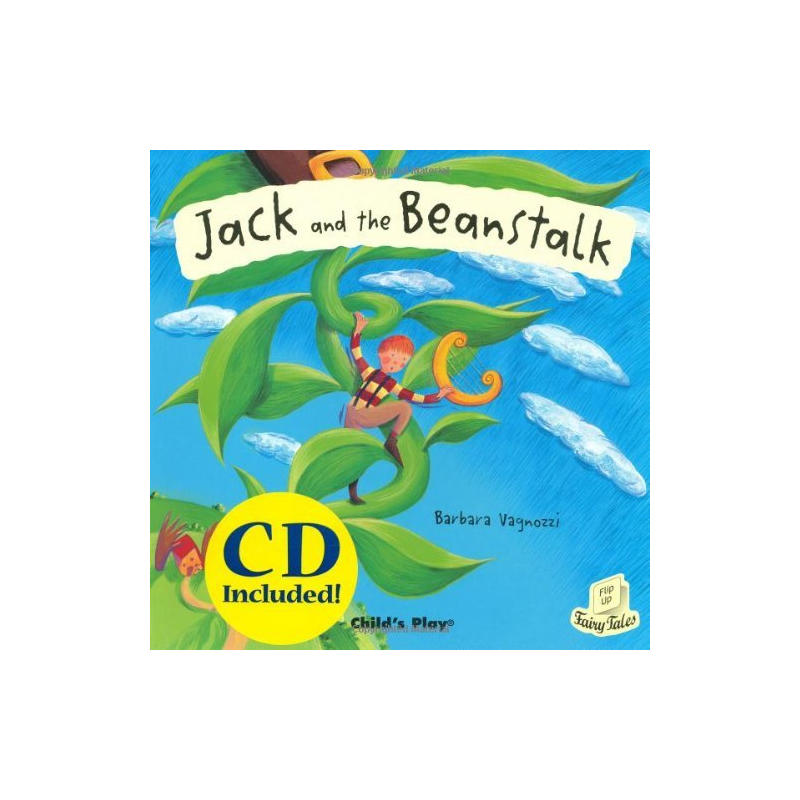
Flip-up Fairy Tales:Jack and Beanstalk+CD 杰克与魔豆 ISBN 9781846430862
作者: Barbara
简介:
Traditional tales are a well-established part of all cultures. This work features stories along with illustrations and fun lift-up flaps to help add value to the reading experience. It is suitable for early readers and the 'flip-up' flaps intend to encourage prediction, involvement and discussion.
【编辑推荐】
Step into the magical world of Child's Play fairy tales...Traditional tales are a well-established part of all cultures. Retold from the originals, these lively stories will captivate readers with their delightful illustrations and fun lift-up flaps which really add to the action. The 'flip-up' flaps encourage prediction and discussion, and well-known stories will give young readers confidence.
获奖信息:Winners of Practical Pre-School Silver Award 2005
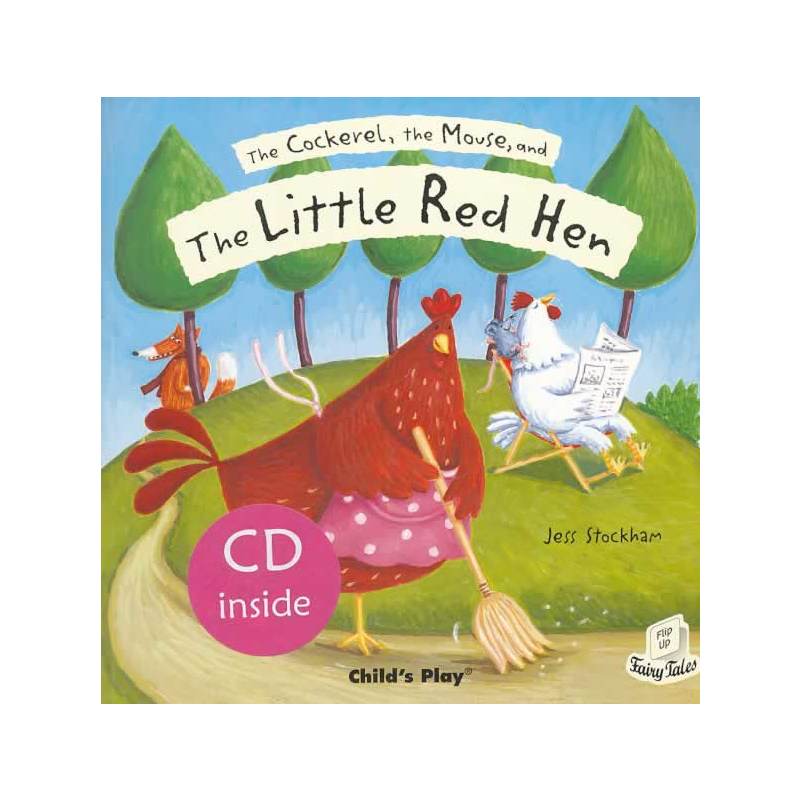
Flip-up Fairy Tales:Little Red Hen+CD 小红母鸡 ISBN 9781846430923
作者: Jess
简介:
Traditional tales are a well-established part of all cultures. This workfeatures stories along with illustrations and fun lift-up flaps to help addvalue to the reading experience. It is suitable for early readers and the'flip-up' flaps intend to encourage prediction, involvement anddiscussion.
【编辑推荐】
获奖信息:Winners of Practical Pre-School Silver Award 2006
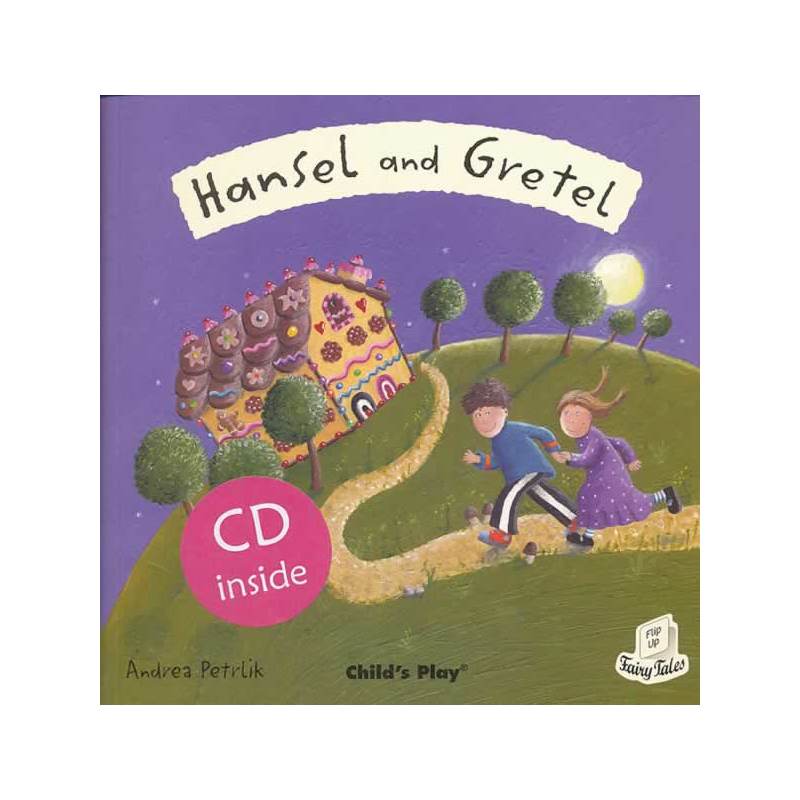
Flip-up Fairy Tales:Hansel and Gretel+CD 韩塞尔与葛雷特 ISBN 9781846430909
作者: Andrea
简介:
Traditional tales are a well-established part of all cultures. This work features stories along with illustrations and fun lift-up flaps to help add value to the reading experience. It is suitable for early readers and the 'flip-up' flaps intend to encourage prediction, involvement and discussion.
【编辑推荐】
获奖信息:Winners of Practical Pre-School Silver Award 2006
作者: (美)Jonathan Zdziarski著;鲁成东,戚文敏译
出版社:人民邮电出版社,2010
简介: 本书全面概括了使用苹果公司官方SDK为iPhone/iPod Touch开发应用 程序的方方面面,包括开发工具、编程语言和各种框架库。书中全方位覆 盖了iPhone编程,包括UIKit、多点触摸、Quartz Core、音频、视频、地 理定位、地址簿、网络编程等内容,详细介绍了UIKit组件,并配以实用的 例子,简要介绍了Objective-C,重点讲解其与C/C++的异同之处,并介绍 了几种Objective-C特有的语法概念。本书还专门介绍如何自行编码实现专 用高级特效:CoverFlow和 Flip Page。 本书适合具有一定编程经验同时又希望进行iPhone开发的程序员阅读 。书中的各种提示和技巧无论对iPhone开发的新手和资深程序员都大有裨 益,本书还可以作为iPhone SDK开发的参考手册,在需要时快速查找特定 组件的相关内容。
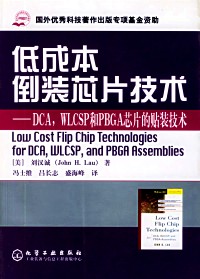
Low cost flip chip technologies for DCA, WLCSP, and PBGA assemblies
作者: (美)刘汉诚(John H.Lau)著;冯士维,吕长志,盛海峰译
出版社:化学工业出版社,2006
简介: 本书涵盖了低成本倒装芯片从基本原理到发展前沿的整个范围。内容包括引线键合和焊料凸点两类芯片级互连技术、无铅焊料的物理和力学性质、高密度印刷电路板(PCB)和基板的微孔逐次增层(SBU)技术、使用常规和非流动以及不完全下填充焊料凸点的板上倒装芯片技术(FCOB)、使用微孔和焊盘通孔(VIP)芯片级封装(CSP)的基板焊料凸点倒装芯片的应用、面朝下PBGA封装技术、PBGA封装中的焊料凸点倒装芯片的失效分析等。本书还提供了丰富的具有参考价值的图表。 本书对低成本倒装芯片技术的研发人员、相关技术人员有重要价值,也可作为相关专业本科生、研究生的教学参考。 这本书共分成16个部分。第1章简要地讨论了IC封装技术的发展趋势和进展。第2章描述了两类最普通的芯片级互连,称为引线键合和焊料凸点,讨论了多于12种的晶片凸点制作方法。第3章介绍了无铅焊料的物理和力学性质,同时给出了100多种以膏、棒和丝形式的无铅焊料合金。第4章讨论了高密度印刷电路板(PCB)和基板,并重点讨论了具有微型通孔逐次增层(SBU)制备技术,也提供了一些设计高速电路的有用图表。第5章描述了具有例如各向异性导电胶(ACA)和各向异性导电膜等无焊料、无助焊剂材料的印刷电路板上倒装芯片(FCOB),重点在于ACA和ACF FCOB装配的设计、材料、工艺和可靠性。
Why Flip A Coin?:The Art and Science of Good Decisions
作者: [美]路易斯(H.W.Lewis)著;李佩芝,高鸿翔译
出版社:汕头大学出版社,2003
简介:决策,小到个人层面、大到两人竞赛、公共决策、选举投票,甚或决战沙场,都有一些常人失察的逻辑与行为轨迹。作者对隐藏在法律判决、战争策略、赌博、投资、投票选举背后的行为模式进行精辟的分析,理清各种选择方案,可能结果,发生机率,偏好程度。本书透过不同的情境设定,将决策以科学思考抽比剥茧的检视,隐约可见生活事实之影,以趣味为开端,引导读者转换不同的角度,看待日常生活中习以为常的公私层面。
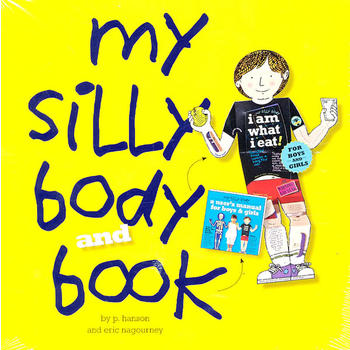
作者: Eric
出版社: 2009年11月
简介:
Kids, meet your body and learn how it works: "My Silly Body" unfolds into a life-size, interactive, die-cut figure that teaches the basics of the human body. P. Hanson offers a completely fresh, hands-on approach to engage children in just what it is that so fascinates them about their bodies-from the organs to the bones to the funny noises they make after eating too many beans. The Body. It's a full-size, full-color illustrated cardboard cut-out with lift-and-learn flaps on one side that reveal the organs, bloodstream, nerves, and muscles. Here are the guts-heart, lungs, stomach, intestines-with captions that describe what each does. Here is the brain-lift the flap over the forehead and discover the master organ that controls everything from heartbeats (72 a minute) to learning ABCs. Flip the figure over, and it's like looking at a perfect X ray-a complete 4-year-old skeleton, from skull to the small bones in the toes and fingers. The Book. Accompanying the body cut-out is a 64-page illustrated owner's manual. Learn the mystery of the disappearing bones (babies are born with 300 bones, but have only 206 when they're fully grown). And take a fascinating trip though the digestive system and find out why we really are what we eat.