作者:
出版社:
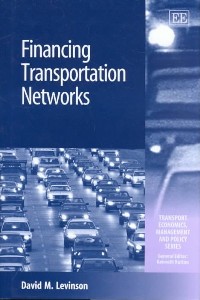
简介:"Pollution, alternative fuels, congestion, intelligent transport systems, and the shift from construction to maintenance all call for a reconsideration of the existing highway revenue mechanisms, in particular the gas tax. David Levinson explores the fundamental theoretical basis of highway finance, in particular the use of tolls, and supports that theory with empirical evidence. The author examines highway finance from the perspective of individual jurisdictions and travellers, and considers their interactions, rather than specifying a single optimal solution. Congestion pricing has long been a goal of transportation economists, who believe it will result in a more efficient use of resources. Levinson argues that if the governance were to become more decentralized, and collection costs continue to drop, tolls could return to prominence as the preferred means of financing roads for both local and intercity travel. An approach that creates the local winners necessary to implement road pricing is required before it can be expected to become widespread." "Economists, civil engineers, planners, students and policymakers will find this detailed examination of transportation networks enlightening and useful."--BOOK JACKET.Title Summary field provided by Blackwell North America, Inc. All Rights Reserved
The book ought to be read by any practitioner or scholar who claims a serious interest in transportation finance. It would be an excellent secondary text for any course in transportation finance or policy, in either an economics department or a public policy program. This is a most welcomed addition to the transportation finance literature. Odd J. Stalebrink, West Virginia University, US Pollution, alternative fuels, congestion, intelligent transportation systems, and the shift from construction to maintenance all call for a reconsideration of the existing highway revenue mechanisms, especially the gas tax. David Levinson explores the fundamental theoretical basis of highway finance, in particular the use of tolls, and supports that theory with empirical evidence. The author examines highway finance from the perspective of individual jurisdictions and travellers, and considers their interactions rather than specifying a single optimal solution. Congestion pricing has long been a goal of transportation economists, who believe it will result in a more efficient use of resources. Levinson argues that if the governance were to become more decentralized, and collection costs continue to drop, tolls could return to prominence as the preferred means of financing roads for both local and intercity travel. An approach that creates the local winners necessary to implement road pricing is required before it can be expected to become widespread. Economists, civil engineers, planners, students and policymakers will find this detailed examination of transportation networks enlightening and useful.