共找到 5 项 “Joseph William Singer.” 相关结果
- 全部分类
- 全部
- 文学
- 历史
- 哲学/宗教
- 法律
- 政治/社会
- 医学
- 教育/心理学
- 艺术/传媒
- 研究生考试
- 资格认证考试
- 公开课
- 语言
- 经济金融
- 管理学
- IT/计算机
- 自然科学
- 工学/工程
- 体育
- 行业资料
- 音乐
- 汽车机械制造
- 文档模板
- 创业
- 农学
- 生活
- 数据库教程
- 民族
作者: Joseph William Singer = 财产法概论 / 约瑟夫·威廉·辛格著.
简介: 本书从财产的概念人手,向读者介绍了土地的排他权和准人权、相邻关系、共同所有、不动产的租赁和交易、土地使用的公共管理、个人财产和知识产权等财产法的基本内容,涵盖了《公平住宅法案》、 《个人财产法》、 《知识产权法》等重要法律,阐释了美国财产法的各种准则及其政策基础,着重强调了各州在财产法适用规则方面的差异,并解释了产生差异的利益冲突。 本书语言深入浅出,运用大量富有裨益的实例,将复杂艰深的财产法描述得生动且富有时代感,填补了适宜师生使用的财产法教程的空白,适于与其他参考资料同时使用。 法律概论影印系列: 律师职业责任概论 侵权法 国际法概论 法律释义与立法程序
Property law : rules, policies, and practices / 3rd ed.
作者: Joseph William Singer = 财产法 : 规则 政策 实务 / 约瑟夫·威廉·辛格著.
简介:本书是美国哈佛、耶鲁等著名大学法学院广为推崇的财产法教学用书, 在实务界亦享有盛誉,作者是美国哈佛大学的法学教授。 本书在论述法律问题同时涉及很多社会学、伦理学的知识, 清晰讲解了大量财产法的规则和概念,广泛讨论了财产法的传统研究内容,如财产所有权的取得、相邻关系、租赁权、财产权的共有关系、不动产交易、土地使用管理、收入等问题,并且探讨了财产法的非传统研究内容,如部落财产、奴隶、身体器官、冷冻胚胎等问题。 第三版作了较大修订,涵盖了互联网、生物技术、生殖技术等更多有关知识产权的问题; 反映了财产法的最新发展,如《财产法重述》的采用及其影响;增加了若干有影响的案例。 本书对我国法学院师生、法律从业人士了解和研究美国财产法有较大参考价值。 另有配套的教师手册归纳教学重点,解答疑难问题。
Property law : rules, policies, and practices / 3rd ed.
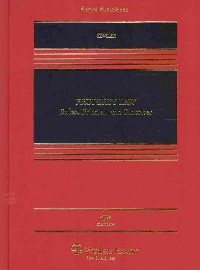
简介:Acclaimed for its textual clarity and socially progressive perspective, PROPERTY LAW: Rules, Policies, and Practices continues to serve as the foundation of an enlightening and effective course in its Fourth Edition.This thorough revision builds on the strengths that make the casebook so successful: respected authorship of Professor Joseph William Singer, a well-known and highly regarded expert in the field exceptionally clear explication of property rules and concepts that helps to introduce important themes and elements of the law to first-year students socially progressive yet even-handed sensibility with strong ethical coverage -- unique among Property casebooks balanced coverage of both traditional and non-traditional topics combines all the bases of any Property course (such as access, relation among neighbors, common ownership, leaseholds, real estate transactions, land use regulations, and takings) with interesting socio-economic topics, such as fair housing law, tribal property, and property in people (slavery, body parts, frozen embryos, etc.) cases-and-problems approach to teaching that promotes learning and stimulates class discussion sound organization to encourage efficient progress through the material excellent case selection focusing on recent cases and contemporary social problems thorough Teacher?s Manual including answers to problems and teaching tips author website (www.law.harvard.edu/faculty/jsinger) provides timely updates as well as a discussion board for professorsChanges for the Fourth Edition keep the casebook timely and teachable: the entire book is fully updated to reflect changes in the law and emerging issues in various areas important new cases include Bonnichsen v. USDA, Tahoe-Sierra Preservation Council Inc. v. Tahoe Regional Planning Agency, Brown v. Legal Foundation of Washington, Wayne County v. Hathcock, Goodridge v. Dept. of Public Health, Lingle v. Chevron U.S.A., Kelo v. City of New London, and San Remo Hotel v. City and County of San Francisco in response to the significant changes in Supreme Court doctrine in the last several years, the Takings chapter is completely updated and reorganized to reflect the current state of the law modernized and tightened notes and problems throughout the book
简介:Outstanding features of Property Law: Rules, Policies, and Practices, written by Professor Joseph William Singer, a highly regarded authority in the field, include: well-written noteswith clear explanations of the law so students can learn complicated rules easilystrong coverage of civil rights law(fair housing and public accommodations law)strong coverage of statutes, regulations, and statutory interpretation problem-oriented approach, applying concepts, rules, and doctrines to new situations one might find in practice, with problems updated to be currentrecent cases and interesting fact situations Meticulously and thoughtfully updated and refined, the Fifth Edition offers: reorganized chapter sequencePart I, renamed "Property in a Free and Democratic Society"links the estates system to the anti-feudal policy and to the current consumer protection orientation of the subprime crisis reverses the order of previous Chapter 1 and Chapter 2to begin with the easy-to-understand trespass material on the right to exclude and limits on the right to exclude created by common law, statutes, and constitutional law. These chapters teach from the very beginning that property rights are limited rather than absolute, that they involve social relationships, not just control over things, and that property law is defined by both common law and statutesall-new Chapter 2, "The Framework of Property Relations in a Democracy,"shows the connection between property law rules designed to prevent the re-emergence of feudalism and regulations designed to respond to the current subprime mortgage crisis. New material on subprime mortgages demonstrates how we can understand all of property law by thinking about the lessons of the subprime crisisChapter 3, now entitled "Competing Claims to Property"focuses partly on how property rights in land were historically created and partly on how property claims emerge today. Most important, it treats these issues as involving competing claims to propertynew Part II, entitled "What Can Be Owned?,"puts the intellectual property chapter and the chapter on property in persons (renamed) at the beginning of the book as an introduction to the problem of defining what can be owned material on tribal property is now integrated into a coherent treatmentthat addresses both the legacy of conquest and contemporary legal issuesnew cases, among them:Commonwealth v. Fremont Investment & Loan (on subprime lending)Warner Bros. Entertainment, Inc. & J.K. Rowling v. RDR Books (on the Harry Potter copyright case)Wilcox v. Stroub (on ownership of the papers of Confederate governors of South Carolina)timely updates throughout, among them:information on Measure 37 in Oregon (and Measure 49)changes in mortgages law following the subprime crisischanges in adverse possession law in Colorado and New Yorkfuller coverage of the Uniform Residential Landlord and Tenant Actchanges in the law of same sex marriagestate legislative and constitutional responses to Kelo and substantial changes in the rule against perpetuities LOOKING FOR ADDITIONAL RESOURCES TO HELP YOU IN PROPERTY LAW? TRY EXAMPLES & EXPLANATIONS: PROPERTY 3E (9780735570313) AND THE WOLTERS KLUWER BOUVIER LAW DICTIONARY: 2011 STUDENT EDITION (9780735568525) --TWO OF MANY GREAT STUDY GUIDES FROM WOLTERS KLUWER LAW & BUSINESS.