共找到 53 项 “Fountain” 相关结果
- 全部分类
- 全部
- 文学
- 历史
- 哲学/宗教
- 法律
- 政治/社会
- 医学
- 教育/心理学
- 艺术/传媒
- 研究生考试
- 资格认证考试
- 公开课
- 语言
- 经济金融
- 管理学
- IT/计算机
- 自然科学
- 工学/工程
- 体育
- 行业资料
- 音乐
- 汽车机械制造
- 文档模板
- 创业
- 农学
- 生活
- 数据库教程
- 民族
简介: CorelDRAW是一种在全球享有广泛声誉的矢量图形设计软件,也是一种较早介绍到我国的图形图像软件,目前在国内广泛应用于各领域,深受用户的喜爱。Corel公司今年正式推出了最新版本的CorelDRAW 9。该软件除了继承传统的矢量图编辑和页面布局功能外,还包括了字体管理、文件格式转换、定制与开发等实用工具,并且在用户界面、文件管理。打印输出、位图效果、性能与精度等方面都有显著的增强。 本书的编写目的 当前,国内介绍CorelDRAW的书已经越来越多,但是大多数都具有“低水平重复”的缺陷,内容肤浅,形式呆板,无法满足该软件最主要的用户群体――广大年轻的美术设计人员的阅读习惯和实际工作要求。为此,我们组织了一批具有丰富图形图像软件应用经验的技术人员和电脑美术设计人员,根据新版软件的特点,按照用户“看图-解图-学画图”的阅读模式,通过有代表性的创意实例来介绍CorelDRAW 9的绘图技巧和创意设计奥秘。 本书的编排方式 本书包括16章,每一章介绍一个或一组实例的制作过程。这些实例按照循序渐进的编排方式,分别涉及到CorelDRAW 9的基本绘图、对象编辑与变换、色彩填充、透明、阴影与立体化效果、字体特效、位图处理与位图特效以及综合创意实例等设计技巧与创意效果。对于每组实例,首先以图文并茂的方式给出了该组实例运用的主要技巧和创意思路,然后按照实例的制作过程详细解说了操作步骤、各种技巧和提示,并给出了各种中间过程图及效果图。 普通计算机用户对以按照本书的顺序逐章阅读并上机实践各种实例,从简单实用的图像设计技巧开始,在较短的时间内即可使自己的设计水平达到专业水准。专业平面设计人员可以直接阅读自己感兴趣的实例,体味其中蕴藏的创意和技巧,以便开拓和丰富自己的设计方法和设计思路。 本书配套光盘中包括全部实例的素材图、完成图以及重要的中间效果图。光盘中还带有各实例未群组对象的CorelDRAW格式的完成图,便于读者上机实践。 本书的版式约定 为了充分体现“看图-解图-学画图”的风格,本书采用了轻快、活泼的版式设计,对大量插图进行了精心拼贴、组合,操作步骤的解说文字力求通俗、精练。在涉及菜单操作时,书中以菜单命令表示,如“执行Bitmaps-Convert To Bitmap命令”。另外,CorelDRAW 9的各种工具按钮的英文提示名称往往过长,而且较难理解,本书统一采用了较为通用的中文名称,一般在首次出现时给出英文名称,例如:“交互式线性渐变填充(Interactive Linear Fountain Fill)工具”,在书后的附录中,给出了所有工具命令的中英文对照表和操作快捷键。此外,书中还使用了以下特殊标记来突出相关的内容。 本书内容精练、讲解详细、图例丰富、版式精美,适合于各种层次的CorelDRAW用户阅读,也可供其他从事电脑平面设计、三维动画和多媒体制作的人员参考。 本书所附光盘收录了全书实例的素材图、效果图和完成图,可供读者上机实践参考。
作者: [美][A.C.尤因]Alexander Crum Ewing编著;卜玉坤等译
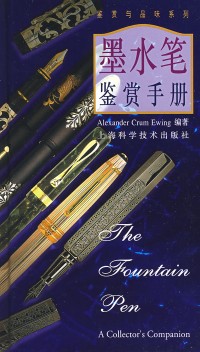
简介:《墨水笔鉴赏手册》内容简介:优质墨水笔是世代相传的宝物,也是身份的象征、艺术的珍品。它们有宝石镶嵌的,也有手工刻画的,笔身有粗有细,既精美别致又经久耐用。每走马观花墨水笔都是使用者嗜好和个笥的真实写照。 《墨水笔鉴赏手册》一书是了解由30家生产商设计制作的最优雅书写工具之最佳指南。《墨水笔鉴赏手册》详尽介绍200多支名笔及其附属品,附有彩色照片及相对现时市价的评级。 通过这本翔实的专著,你可以了解到墨水笔令人叹为观止的发展历程——从最原始的书写工具到当今最精美的墨水笔。你还可以一睹墨水笔的加工过程和精品珍藏世界的相关知识——如何选购、保存你的墨水笔,以及欧美各地有哪些名笔协会、社团和出版物等。你还可以读到有关世界名笔及其使用者的趣事。 无论喜欢哪一种墨水笔:卡地亚(Cartier)、犀飞利(Sheaffer)、万宝龙(Montblanc)或者维斯康提(Visconti),这《墨水笔鉴赏手册》都会使你获得大量有关墨水笔的信息和实有知识。《墨水笔鉴赏手册》是每一位鉴赏家与收藏家的必备参考书。
作者: 乔治·N.怀特
出版社:台海出版社 2017年07月
简介:
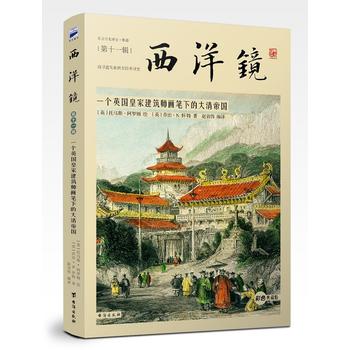
本书由彩色版《中华帝国图景》及附录两部分组成。
阿罗姆没有到过中国,他是以威廉·亚历山大等人的画作为蓝本,创作了128张西方早期艺术史上经典的中国影像。再配以怀特的说明文字,出版不久便成为英国乃至西方绘画本中国历史教科书的开山之作。当时的欧洲人,尤其是欧洲上层社会关于中国的知识大部分都源自这本书。
编者收集到了124张手工上色的阿罗姆版画,数量之多在国内尚属首次。
附录部分收集了1682—1880年间欧洲出版的38张中国主题彩色版画。
【目录】
001 引言
002 热河小布达拉宫
The Temple of Poo-ta-la
004 通州府卖猫肉和茶叶的商人
Cat Merchants and Tea-dealers at Tong-chow
007 中国长城
The Great Wall of China
010 通州魁星楼
The Pavilion of the Star of Hope
012 圆明园正大光明殿
Hall of Audience, Palace of Yuen-min-yuen
014 西直门
The Western Gate of Peki ng
018 皇家园林
Gardens of the Imperial Palace, Peking
020 道光皇帝阅兵
Emperor Taou-kwang Reviewing his Guards
022 官员之间的拜访礼节
Mandarin Paying a Visit of Ceremony
024 官员府邸晚宴
Dinner Party at a Mandarin's House
026 达官的内宅
Apartment in a Mandarin's House
028 官宦家中的杂技表演
Jugglers Exhibiting in the Court of a Mandarin's House
030 达官显贵的亭阁花园
Pavilion and Gardens of a Mandarin
032 玩牌的贵妇
Ladies of a Mandarin's Family at Cards
034 贵族女子的闺房
Boudoir and Bed-chamber of a Lady of Rank
036 灯笼铺
Show-room of a Lantern Merchant
038 八旗士兵
Tartar of the Chinese Army
040 禁卫军
The Tiger-guard
040 弓箭手
The Archer
044 天津戏院
Theatre at Tien-tsin
046 天津的游医
Itinerant Doctor at Tien-sing
048 抽大烟
Opium Smokers
050 踢毽子
Playing at Shuttlecock with the F eet
052 九月九海关放风筝
Kite-flying at Hae-kwan, on the Ninth Day of the NinthMoon
054 东昌府兵站旁的食摊
Rice Seller at the Military S tation of Tong-chang-foo
056 临清的街头表演
Raree Show at Lin-sin-choo
059 运河上的兵站
The Miitary Station at Cho-kien
062 京杭大运河
Junks Passing at Incli ned Plane
064 运河与黄河交汇处
Entrance to the Hoang-ho, or Yellow River
066 金坛的纤夫
Kilns at King Tan
068 双峰山下
Foot of the Too-hing, or Two Peaks, Le Nai
070 拖网捕鱼和鸬鹚捕鱼
Chinese Boatmen Economising Time and Labour, Poo-keou
072 南京城
The City of Nanking
074 南京琉璃塔
The Porcelain Tower, Nanking
076 从琉璃塔俯瞰南京
Nanking, as It Was S een from the Porcelain Tower
078 金陵桥
The Bridge of Nanking
080 江南虎丘
Kin-shan,or Golden Island
082 虎丘试剑石
The Proof-sword Rock, Hoo-kew-shan
084 虎丘行宫
The Imperial Travelling Palace ,Hoo-kew-shan
086 镇江西门
The West Gate of Ching-keang-foo
088 镇江河口
The Mouth of the River Chin-kiang
090 扬州渡口
The Pass of Yang-chow
092 瓜洲水车
The Melon Islands and Irrigating Wheel
094 太湖碧螺寺
The Polo Pemple, Tai-hoo
096 太湖洞庭山
The Tung-ting-shan
098 白云泉
The Han-tseuen, Province of Kiang-nan
100 太平昭关
The Tae Ping S haow Kwan
102 扬子江上的银山
The Silver Island, on the Yang-tze-kiang
104 焦山上的皇帝行宫
The Imperial Palace at Tseaou-shan
108 杭州西湖
The Lake See-hoo
110 乍浦古桥
The Ancient Bridge, Chapoo
112 乍浦天尊庙:汤林森上校战死处
Joss-house, Chapoo (Death of Colonel Tomlinson)
114 浙江富春山
Foo-chun-hill, in the Province of Che-kiang
116 湖州的蚕丝厂
The Silk Farms at Hoo Chow
118 宁波城
City of Ning-po, from the River
120 宁波港甬江河口
Estuary of the Tahea, or Ning-po River
122 江南石门
Shih-mun, or Rock Gates, Province of Kiang-nan
124 孔庙大门
The First Entrance to the Temple of Confucius
126 定海恐怖要塞
The Fortress of Terror, Ting-hai
128 普陀山上宏伟的佛寺
The Grand Temple at Poo-too, Chusan Island
130 定海云谷寺佛像
The Altar-piece in the Great Temple, Ting-hai
132 舟山山谷
The Vally of Chusan
134 定海郊外
Scene in the S uburbs of Ting-hae
136 攻占定海
Capture of Ting-hai, Chusan
136 舟山西高山下的英军营地
British Encampment on Irgao-shan
140 福建武夷山
Woo-e-shan, or Bohea hills, Fo-kien
142 厦门城入口
The Entrance into the City of Amoy
144 从鼓浪屿看厦门
Amoy, from Ko-lang-soo
146 从外港看厦门
Amoy, from the Outer Hanbour
148 厦门古墓
Ancient Tombs, Amoy
150 从古墓远眺厦门
City of Amoy, from the Tombs
152 厦门附近掷骰子的人
Dice Players, near Amoy
152 晋江入海口
The Entrance to the Chin-chew River, Fokien
156 庾岭隘口
Landing-Place at the Yuk-shan
158 小武当山
The Wootang Mountains
160 石潭瀑布
The Cataract of Shih-tan
162 西樵山
Se-tseaou-shan, or "the Western Seared Hills"
164 鼎湖山瀑布
Cascade of Ting-hoo, or the Tripod Lake
166 韶州广岩寺
Temple of Bonzes in the Quang-yen Rock
168 肇庆府附近的西樵
Hea-hills, near Chaou-king-foo
170 七星岩
Tseih-sing-yen, or the S even Star Hills
172 五马头山
Ou-ma-too, or Five Horses' Heads
174 英德县煤矿
Coal Mines at Ying-tih
176 从深井岛远眺黄埔岛
Whampoa, from Dane's Island
178 欧洲人的商行
The European Factory, Canton
182 穿鼻之战
The Attack and Capture of Chu-en-pee
186 虎门战役
Battle of the Bogue
188 虎门炮台
The Yellow Pagoda Fort
190 广州城
Canton
192 广州河南运河上的风景
Scene on the Honan Canal
194 广州城郊的宝塔和村庄
Pagoda and Village on the Canal, near Canton
196 广州城郊中国商人的住宅
The House of Chinese Merchant, near Canton
198 广州的街道
The Street in Canton
201 广州的寺庙
Temple of Buddha, Canton
204 潘长耀庭院中的喷泉
The Fountain Court in Conseequa's House
206 广州的帽子店
Cap-vender's Shop, Canton
208 河南寺
The Great Temple at Honan
212 香港
Hong-kong
214 维多利亚要塞
Fort Victoria, Kow loon
216 从九龙远眺香港
Hong-kong, from Kow-loon
218 竹制高架水渠
Bamboo Aqueduct, Hong-kong
220 从香山炮台俯瞰澳门
Macao, from the Forts of Heang-shan
222 澳门大湾
Pria Granda, Macao
224 澳门妈祖庙
Facade of the Great Temple, Macao
226 澳门的寺庙
Chapel in the Great Temple, Macao
228 贾梅士洞
The Grotto of Camoes, Macao
232 元宵节
The Feast of Lanterns
234 迎春仪式
Ceremony of Meeting the S pring
236 赛龙舟
The Festival of the Dragon-boat
238 丰收节的献祭
Sacrifice of the Ching-tswe-tsee, or Harvest Moon
240 筹备婚礼
Arrival of Marriage Presents at the Bridal Residence
242 迎亲队伍
Marriage Procession at the Blue Cloud Greek
244 祭奠已故亲人
Propitiatory Offerings for Departed Relatives
246 求签算命
Devotee Consulting the Sticks of Fate
248 《日月奇观》
Scene from the S pectacle of The Sun and Moon
250 街头剃头匠
Itinerant Barbar
251 中国剃头匠
A Chinese Barbar
252 勤劳的中国女性
The Stocking Maker
254 斗鹌鹑的广州船夫
Canton Bargemen Fighting Quails
258 茶文化
The Culture and Preparation of Tea
263 弹棉花
Cleaning Cotton
264 宁波棉花种植
Cotton Plantations at Ning-po
266 水稻种植
Sowing Rice at Soo-chow-foo
268 插秧
Transplanting Rice
270 春蚕做茧
Feeding Silkworms and Sorting the Cocoons
272 染丝
Dyeing and Winding Silk
274 煮茧缫丝
Destroying Chrysalides, and Winding off Cocoons
278 衙役和囚犯
Policeman and Prisoner
280 审讯犯人
Examination of a Prisoner
282 竹杖之刑
Punishment of Bambooing
284 枷刑
Punishment of the Tcha or Cangue
286 夹刑
Chinese Punishment of the Rack
288 游街
Street Punishments
290 打板子
Punishment of Bastinado
……
【免费在线读】
热河小布达拉宫
满族皇帝仍旧保留着游牧时期的习俗,每到夏天便去热河避暑狩猎。旅途漫长乏味,不过好在是夏季,较之地冻天寒、昼短夜长的冬季少了许多麻烦。沿途的行宫为他们提供了舒适的住所和可口的食物。即便在热河,皇帝仍要操劳国事,同时,他还会就近抚慰蒙古的王公权贵。
宫殿和园林坐落在盆地之上,旁边是一条宽广汹涌的河流。放眼望去,四周群山连绵、巍峨,令人赏心悦目。在八旗将士骁勇的护卫下,皇帝进入小布达拉宫。这是满洲地区规模*、*为富丽堂皇的寺庙,里面供奉着佛陀。建筑群分为主体建筑和若干小的附属建筑。主体建筑呈方形,长200英尺,总体设计特点完全不同于我们在中国其他地方见到的宗教建筑。该建筑高达11层,金碧辉煌的主殿位于主体建筑的正中心。殿堂四周布满了游廊,中央环绕着饰金的栏杆,3座巨大的佛像分别坐落在3个华丽的祭台上。殿堂尽头神龛里昏暗的长明灯寓意着生命不朽,火焰一旦熄灭,就意味着生命走到了尽头。
小布达拉宫共有800名喇嘛。他们衣着简朴,胸前悬挂念珠,盘腿而坐,或者默诵经文,或者诵出声来,声音庄重而低沉。
圆明园正大光明殿
中国皇帝生活之奢侈,远远出乎人们的意料。在这个幅员辽阔的国家里,即便是个小衙门,也要修建带有大殿和威严大堂的办公场所。这些建筑富于想象力,比起*初的设计丝毫不显逊色。这些壮丽的建筑是权力的象征,其中以圆明园*为宏大与华美。
圆明园属于皇家园林,位于北京西北9 英里处,占地面积11 平方英里。园中分布着30 余座风格不同的宫殿,宫殿附近是供太监、宫女等服侍人员居住的下人房。这些房屋既能在宫廷庆典和节日中使用,也可以供侍奉皇室成员的下人们居住。每一座小的宫殿都包含着众多独立的部分,远远望去,就好像是一座座舒适的小村庄。园内即便是*为奢华与壮丽的宫殿建筑,也并不见得有多么坚固耐用,但是在周边众多新颖别致的配房与殿内精心打造的装饰的烘托下,显得气势非凡。在这30 余所华美的宫殿中,正大光明殿规模*为宏大、装饰*为华美、布局*为考究,因此也*为引人注目。大殿花岗岩台基高出地面约4 英尺,大殿长120 英尺,宽45 英尺,高20 英尺。巨大高耸的圆柱环绕在大殿四周,支撑起沉重的飞檐。稍小一些的圆柱把大殿分成了若干间。殿内隔间的内墙壁用砖砌成,高4 英尺。墙壁上方的格子窗糊上了一层油纸,当殿内温度过高时,可以打开这些窗户通风降温。大殿顶部绘有华丽多彩的图案,图案由方形、圆形、多边形等几何图形组合而成。大殿地面上铺着灰色的大理石地板,地板严丝合缝,排列紧密,犹如西方的棋盘,非常朴素。大殿北侧正中间摆放着皇帝的御座,御座由柏木精雕细刻而成,装饰得富丽堂皇,红、绿、蓝三色的木柱支撑起了御座上方的华盖。殿门口陈列着两面半球形的铜鼓,每当皇帝走进大殿,鼓手便会敲响铜鼓。殿内陈列着传统的中国绘画、一座英式的自鸣钟,黑檀柱子上还有一对孔雀翎毛制成的团扇。这些东西摆放在御座的两侧,“正大光明”匾额悬挂在御座上方,匾额下边挂着一个巨大的“福”字。
无论是殿内支撑华盖用的细木柱,还是殿外支撑飞檐的圆柱,所有的柱子都没有柱头,只有过梁,或者突出的屋顶椽上的水平横梁能替代楣梁。楣梁下方的柱子之间陈列着色彩鲜艳、镶有金箔的木质影壁,它们制作工艺高超,令人惊叹不已。影壁上还笼罩着一层金丝网,以防止被屋檐下或檐口处筑巢的燕子破坏。宫殿外一般都堆积着假山,挖掘出了小溪。假山上有各式各样的木雕,小溪曲折蜿蜒。河流两岸巧妙的设计充分显示了设计师超凡的创造力。湖中耸立着未经雕琢的岩石,溪谷隐藏在层层的假山后。在道观、洞穴或休息室内,随处都可以看到令人赏心悦目的园艺作品。园中的植物品种繁多,色彩各异,构成了一幅美丽的画卷。
……
作者: 赫尔曼·梅尔维尔
出版社:译林出版社 2017年10月
简介:
This classic story of high adventure, manic obsession, and metaphysical speculation was Melville's masterpiece. The tale of Captain Ahab's frantic pursuit of the cunning and notorious white whale Moby Dick, is packed with drama, and draws heavily on the author's own experiences on the high seas. This edition includes passages from Melville's correspondence with Nathaniel Hawthorne, in which the two discussed the philosophical depths of the novel's plot and imagery.
【目录】
Note on the Text
Select Bibliography
A Chronology of Herman Melville
MOBY DICK
Appendix: Melville’s Letters to Nathaniel Hawthorne
Explanatory Notes
【免费在线读】
MOBY DICK;
or, THE WHALE.
CHAPTER 1. Loomings.
Call me Ishmael. Some years ago—never mind how long precisely—having little or no money in my purse, and nothing particular to interest me on shore, I thought I would sail about a little and see the watery part of the world. It is a way I have of driving off the spleen and regulating the circulation. Whenever I find myself growing grim about the mouth; whenever it is a damp, drizzly November in my soul; whenever I find myself involuntarily pausing before coffin warehouses, and bringing up the rear of every funeral I meet; and especially whenever my hypos get such an upper hand of me, that it requires a strong moral principle to prevent me from deliberately stepping into the street, and methodically knocking people’s hats off—then, I account it high time to get to sea as soon as I can. This is my substitute for pistol and ball. With a philosophical flourish Cato throws himself upon his sword; I quietly take to the ship. There is nothing surprising in this. If they but knew it, almost all men in their degree, some time or other, cherish very nearly the same feelings towards the ocean with me.
There now is your insular city of the Manhattoes, belted round by wharves as Indian isles by coral reefs—commerce surrounds it with her surf. Right and left, the streets take you waterward. Its extreme downtown is the battery, where that noble mole is washed by waves, and cooled by breezes, which a few hours previous were out of sight of land.
Look at the crowds of water-gazers there.
Circumambulate the city of a dreamy Sabbath afternoon. Go from Corlears Hook to Coenties Slip, and from thence, by Whitehall, northward. What do you see?—Posted like silent sentinels all around the town, stand thousands upon thousands of mortal men fixed in ocean reveries. Some leaning against the spiles; some seated upon the pier-heads; some looking over the bulwarks of ships from China; some high aloft in the rigging, as if striving to get a still better seaward peep. But these
are all landsmen; of week days pent up in lath and plaster—tied to counters, nailed to benches, clinched to desks. How then is this? Are the green fields gone? What do they here?
But look! here come more crowds, pacing straight for the water, and seemingly bound for a dive. Strange! Nothing will content them but the extremest limit of the land; loitering under the shady lee of yonder warehouses will not suffice. No. They must get just as nigh the water as they possibly can without falling in. And there they stand—miles of them—leagues. Inlanders all, they come from lanes and alleys, streets
and avenues—north, east, south, and west. Yet here they all unite.
Tell me, does the magnetic virtue of the needles of the compasses of all those ships attract them thither?
Once more. Say you are in the country; in some high land of lakes. Take almost any path you please, and ten to one it carries you down in a dale, and leaves you there by a pool in the stream. There is magic in it. Let the most absent-minded of men be plunged in his deepest reveries—stand that man on his legs, set his feet a-going, and he will infallibly lead you to water, if water there be in all that region.
Should you ever be athirst in the great American desert, try this experiment, if your caravan happen to be supplied with a metaphysical professor. Yes, as every one knows, meditation and water are wedded for ever.
But here is an artist. He desires to paint you the dreamiest, shadiest, quietest, most enchanting bit of romantic landscape in all the valley of the Saco. What is the chief element he employs? There stand his trees, each with a hollow trunk, as if a hermit and a crucifix were within; and here sleeps his meadow, and there sleep his cattle; and up from yonder cottage goes a sleepy smoke. Deep into distant woodlands winds a mazy way, reaching to overlapping spurs of mountains bathed in their hill-side blue. But though the picture lies thus tranced, and though this pine-tree shakes down its sighs like leaves upon this shepherd’s head, yet all were vain, unless the shepherd’s eye were fixed upon the magic stream before him. Go visit the Prairies in June, when for scores on scores of miles you wade knee-deep among Tiger-lilies—what is the one charm wanting?—Water—there is not a drop of water there! Were Niagara but a cataract of sand, would you travel your thousand miles to see it? Why did the poor poet of Tennessee, upon suddenly receiving two handfuls of silver, deliberate whether to buy him a coat, which he sadly needed, or invest his money in a pedestrian trip to Rockaway Beach? Why is almost every robust healthy boy with a robust healthy soul in him, at some time or other crazy to go to sea? Why upon your first voyage as a passenger, did you yourself feel such a mystical vibration, when first told that you and your ship were now out of sight of land? Why did the old Persians hold the sea holy? Why did the Greeks give it a separate deity, and own brother of Jove? Surely all this is not without meaning.
And still deeper the meaning of that story of Narcissus, who because he could not grasp the tormenting, mild image he saw in the fountain, plunged into it and was drowned. But that same image, we ourselves see in all rivers and oceans. It is the image of the ungraspable phantom of life; and this is the key to it all.
Now, when I say that I am in the habit of going to sea whenever I begin to grow hazy about the eyes, and begin to be over conscious of my lungs, I do not mean to have it inferred that I ever go to sea as a passenger.
For to go as a passenger you must needs have a purse, and a purse is but a rag unless you have something in it. Besides, passengers get sea-sick—grow quarrelsome—don’t sleep of nights—do not enjoy themselves much, as a general thing;—no, I never go as a passenger; nor, though I am something of a salt, do I ever go to sea as a Commodore, or a Captain, or a Cook. I abandon the glory and distinction of such offices to those who like them. For my part, I abominate all honourable respectable toils, trials, and tribulations of every kind whatsoever. It is quite as much as I can do to take care of myself, without taking care of ships, barques, brigs, schooners, and what not.
And as for going as cook,—though I confess there is considerable glory in that, a cook being a sort of officer on ship-board—yet, somehow, I never fancied broiling fowls;—though once broiled, judiciously buttered, and judgmatically salted and peppered, there is no one who will speak more respectfully, not to say reverentially, of a broiled fowl than I will. It is out of the idolatrous dotings of the old Egyptians upon broiled ibis and roasted river horse, that you see the mummies of those creatures in their huge bake-houses the pyramids.
“Grand Contested Election for the Presidency of the United States.
“WHALING VOYAGE BY ONE ISHMAEL. “BLOODY BATTLE IN AFFGHANISTAN.”
……
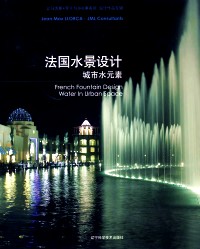
French fountain design:water in urban spaces
作者: 法国亦西文化编著;陈庶,邵雪梅译
出版社:辽宁科学技术出版社,2007
简介: 水景设计是一项奇特的专业,大家仿佛都是偶然进到这个领域当中。由于对此专业的存在一知半解,于是很难一开始便对它产生使命感……。然而,这确实是一项令人充满激情的工作,因为要执行这项专业,必须接触、熟悉一个自然界最主要的元素,也是人类生存不可或缺的元素;水。学习去掌握这个元素很快便令人沉迷其中而无法自拔。 水景设计是城市公共空间重要元素,法国让马克斯·罗卡与jml事务所设计人员用50余个成功设计案例,向读者展示了水景与喷泉的设计,并且融会了工艺与技术,这些作品对我国从事水景和景观、环艺专业的设计人员和师生极具参考价值。 本书介绍了让克斯·罗卡以及他的工作团队jml事务所的代表性作品,它述说着设计得对水世界的着迷与沉浸:水的种种趣味应用、水所展现的美感以及期所提供的感官享受。凡此种种,将全然体现于“水景形影”之中。
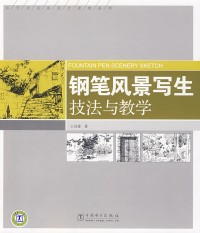
作者: 王昌建著
出版社:中国电力出版社,2009
简介: 手绘设计表现是建筑师必备的基本功之一,而钢笔风景写生更是初学者在学习及掌握手绘设计表现中一个很好的途径。《钢笔风景写生技法与教学》一书,作者在总结多年教学经验及实践经验的基础上,从钢笔写生的基础造型入手,通过讲解写生工具与材料、写生表现形式、写生方法与步骤等,全面呈现了学习钢笔写生的详细过程。书中同时附有百余幅手绘作品图,供学习者参考与临摹。本书对建筑学、园林景观、艺术设计等相关专业的在校学生、建筑设计及艺术设计工作者,具有很强的参考价值,同时也适合作为高校建筑学相关专业的教材及教学参考书。
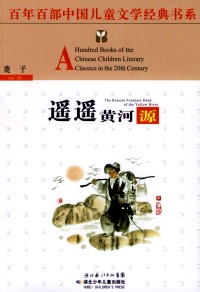
Remote fountain head of the Yellow River
作者: 鹿子著
出版社:湖北少年儿童出版社,2006
简介: 文学是人学,儿童文学是人之初的文学。人之初,性本善。儿童文学是人生最早接受的文学,那些曾经深深感动过孩子的儿童文学作品,将使人终生难忘终生受益。在今天这个传媒多元的时代,我们特别需要向广大少年儿童提倡文学阅读。文学阅读不同于知识书、图画书、教科书的阅读。文学是以血肉丰满的人物形象和个性鲜活的人物性格,是以审美的力量、情感的力量、道义的力量、精神的力量打动人、感染人、影响人的。 经典性、权威性、可读性和开放性是《百年百部中国儿童文学经典书系》锁定的主要目标。 第一,《百年百部中国儿童文学经典书系》是有史以来中国儿童文学最大规模的系统梳理总结。编者们将精心选择20世纪初中至今100年间的100位中国儿童文学作家的100部优秀儿童文学原创作品。《百年百部中国儿童文学经典书系》的入围尺度界定在以下几个方面:一是看其作品的社会效果、艺术质量、受少年儿童欢迎的程度和对少年儿童影响的广度,是否具有历久弥新的艺术魅力,穿越时空界限的精神生命力。二是看其对中国儿童文学发展的贡献,包括语言上的独特创造,文体上的卓越建树,艺术个性上的鲜明特色,表现手法上的突出作为,儿童文学史上的地位意义。三是看作家的创作姿态,是否出于高度的文化担当与美学责任,是否长期关心未成年人的精神食粮,长期从事儿童文学创作。 第二,《百年百部中国儿童文学经典书系》是现当代中国儿童文学最齐全的原创作品总汇,这表现在:囊括了20世纪五四新文化的运动前后以来中国五代儿童文学作家中的代表人物;入围的100位作家体现出中华民族的多民族特色,同时又有海峡两岸三地的全景式呈现;百部作品涉及到现代性儿童学的所有文体,因而也是文体类型最齐备的中国儿童文学原创总汇。 第三,精品的价值在于传世久远,经典的意义在于常读常新。编者们将以符合当代少年儿童审美习惯与阅读经典的整体设计和策划组合,让新世纪的小读者和大读者接受并喜欢这些曾经深深感动过、滋养过一代又一代少年儿童的中国原创儿童文学经典作品。 《百年百部中国儿童文学经典书系》既是有史以来中国原创儿童文学作品的集大成出版工程,也是具有重要现实意义和历史价值的文化积累与传承工程,又是将现代中国儿童文学精品重塑新生的推广工程。
作者: 吴莹主编
出版社:西安交通大学出版社,2008
简介: 《西方名著选读》This book is intended for the postgraduate students enrolled in the Read-ings of Western Culture classes.It seeks to be inclusive of English writings and American writings at every stage of the development of western culture,but not exclusive of a few translated writings from other sources before the earlv seven-teenth century,which as the fountain of western culture,I think,are too im-portant to be omitted,and also to be various of the styles of writings.But as it IS,western culture is SO vast with such a long history and such a heavy civiliza-tion that I have only here to glean some highlights sporadically as a skimming glance upon the western culture.
简介:
For 125 years, Coca-Cola has connected with more people inmore places than any other product the world has ever known. Firstsipped at an Atlanta soda fountain as a hot weather pick-me-up,Coca-Cola has triumphed by engaging people, one by one. Thecompany's long-time leader Robert Woodruff sought always to have it"within arm's length of desire." He succeeded so well thatCoca-Cola has become a part of our landscape, part of our rituals,part of our lives. This illustrated book celebrates the world'smost iconic beverage with the brand's photographs, advertisements,and designs as well as memories from film, social history, and popculture. Decade by decade, Coca-Cola represents the zeitgeist withnostalgia and flair.
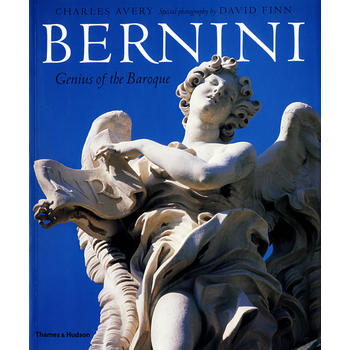
Bernini: Genius of the Baroque Bernini:巴洛克天才
作者: Charles
出版社:中国盲文出版社 2006年11月
简介:
Gianlorenzo Bernini is beyond question one of the greatest artists of all time. World-famous above all for his uniquely powerful works of sculpture, he was also a virtuoso architect and draughtsman, a competent painter, a pioneering caricaturist, and a designer of medals, gorgeous fountains and exuberant, lavish ornaments of every sort. He even wrote plays. In fact, he was the latter day epitome of the Renaissance ideal of the uomo universale.
Bernini virtually created Baroque Rome - without his immense and varied contributions, the Eternal City as we know it today would not exist. We would not see the sculpted ecstasy of St Teresa, the embracing arms of the colonnade around the Piazza San Pietro, or the vigorous dramas of the figures on his Fountain of the Four Rivers in Piazza Navona. Our image of the seventeenth century’s most powerful men would be impoverished were it not for Bernini’s portraits in marble and bronze.
Lavishly illustrated, this book is a glorious testament to the great genius of the Baroque. Using much previously unpublished research, Charles Avery traces Bernini’s career from his beginnings to his last mature works, and pays special attention to his techniques in drawing, modelling and carving.
Full-page plates offer an unprecedented visual record of both sculptures and drawings, exposing details scarcely visible in the originals, while a highly readable text reveals the full stature and versatility of Bernini and sheds much new light on one of the great styles of Western art: the Baroque.
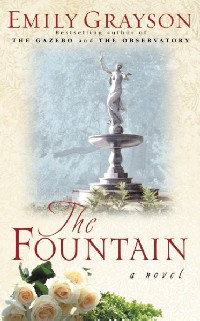
作者: Emily Grayson
简介:As Casey Becket and her husband, Michael, celebrate 20 years of marriage with a party in their backyard, the man who jilted Casey on their wedding day years ago--Will Combray--appears by the fountain. Will tells Casey his life began to unravel the moment he left her, and his reappearance throws Casey's well-ordered life--and her comforting if not passionate marriage to her best friend since childhood--into chaos. (July)
简介:Fountains: Splash and Spectacle celebrates the achievements in fountain design since the Renaissance, and explores the fountain's social significance and its underlying principles. Abundant illustrations of works of art, historical and modern photographs, and architectural drawings feature fountains as symbols of power, structures created for pleasure and entertainment, incredible technological displays made for international expositions, and fountains as urban oases in cities throughout the United States and Europe.
简介:If a genius is someone whose ideas survive all attempts at explanation', writes the well-known contemporary musicologist Robin Maconie, 'then by that definition Stockhausen is the nearest thing to Beethoven this century has produced. Reason? His music lasts. With penetrating philosophical and spiritual insights Stockhausen describes, in this collection of lectures and interviews conducted in English, a whole new universe of sounds and events. "Stockhausen's uncompromising attitude to conventional aesthetics has made him one of the world's most admired musicians."? The Independent "Let there be no doubt that he is a giant, a monster cartographer of massive new spaces."? Tempo "The great innovator of the 1950s and 1960s is still a fountain of ideas. Stockhausen on Music shows the extrordinary range of his mind."? The Sunday Times
作者: 江波著
出版社:花城出版社,2009
简介: 本书作者别出心裁,在重新审视、思辨现代科学原理如物理学、光学、力学等的基础上,提出了很多新的见解,颠覆了不少传统的说法。作者所描述的是一种全新的世界观——层级假说。讨论了传统物理学某些骨架理论的不合理性,否定了世界的本质是物质,否定了宇宙起源于大爆炸的假说。认为宇宙起源于精神与物质,认为世界是层级的,并以层级假说解释了引力、电力、磁力以及光波等现象,力图建立“更加合理更加可信”的层级说。进而,作者把层级说延伸至生命世界,认为生命界也符合层级说,并以层级说解释了睡眠、做梦等等精神现象。