共找到 2369 项 “Page” 相关结果
- 全部分类
- 全部
- 文学
- 历史
- 哲学/宗教
- 法律
- 政治/社会
- 医学
- 教育/心理学
- 艺术/传媒
- 研究生考试
- 资格认证考试
- 公开课
- 语言
- 经济金融
- 管理学
- IT/计算机
- 自然科学
- 工学/工程
- 体育
- 行业资料
- 音乐
- 汽车机械制造
- 文档模板
- 创业
- 农学
- 生活
- 数据库教程
- 民族
简介:ASP(Active Server Page)是一种服务器开发环境,利用它开发者可以把超文本、任何脚本和Active组件组合在一起,从而生成动态的、交互的Web应用程序。本书通过大量实例详细介绍了ASP内置对象和组件的使用。通过使用ASP组件、对象和脚本可开发出运行于服务器端、具有强大Web数据功能、可适用于任何浏览器的应用程序。 本书适合网络开发、网络管理、网页设计制作人员阅读,也可作为相关人员的培训教材使用。
Macromedia Dreamweaver MX 2004: Training from the Source
光盘作者: (美)Khristine Annwn Page著;王军等译
出版社:电子工业出版社,2004
简介:本书细致地介绍了利用Dreamweaver MX2004开发Web站点的基本方法,内容涉及使用Dreamweaver MX2004创建、管理和维护Web站点;放置图形、格式样式、添加和修改表格、创建链接;利用表格、框架和层叠样式表(CSS)设计页面外观;使用模板实现站点的统一外观和风格;利用JavsScript和服务器行为添加交互性;创建表单;使用“标志选择器”、“代码提示”和“代码片段”;自定义和扩展Dream-weaver。本书着重介绍了Dreamweaver MX2004的基本功能。
作者: 吴军著
出版社:博硕文化股份有限公司,2012
简介: 『要預測未來是很難的,但是看看過去和現在,我們也許能悟出一些道理。』 這不是一本科技產業發展歷史集, 而是在這個數位時代, 一本IT人非讀不可, 而非IT人也應該拜讀的作品 本書榮獲- 藍獅子2011十大最佳商業圖書 Google黑板報網友熱烈推薦 各界菁英聯名推薦- 台灣微軟開發工具暨平台推廣處應用開發技術副理上官林傑、王有禮教授、 程式設計俱樂部站長王鴻翔、創新工場 李開復、 知名作家 吳若權、iThome電腦報周刊總編輯 吳其勳 (按姓名筆劃排列) “我想,對所有身處並熱愛高科技行業人員與所有渴望創新、欣賞創新的中國創業者來說,《浪潮之巔》都是一本可讀性很強的作品,足以做到「開卷有益」!” -李開復先生/創新工場總裁 “當人性過度仰賴科技的時候,如何從科技發展的歷史中學習自我覺察,掌握趨勢的脈動,找到自己的定位,更是一項重要的功課。《浪潮之巔》除了IT從業人員深度的省思之外;對於商管人士來說,也是了解IT產業發展的最佳途徑。人生和產業,都如潮起潮落,聰明的人總知道如何在浪潮之巔,擁有寬闊的視野,做出明智的抉擇。” -吳若權/知名作家 一間企業的發展與崛起,絕非只是空有領導強人即可達成,任何的決策、同期的商業環境,在在都影響了興衰。《浪潮之巔》不只是一本歷史書,除了科技指標企業的發展,對於華爾街如何左右科技公司,以及金融風暴對科技產業的衝擊,也多有著墨,此外書中也著力描述很多尚在普及或將要發生,如微網誌與雲端運算,以及對下一代網路科技產業浪潮的判斷和預測。因為在極度商業化的今天,科技的進步和商機是分不開的。 誠如作者所言:「人的商業知識和眼光不是天生的,需要不斷地、有心地學習。經過多年的學習、思考和實踐,我認定這樣一個規律,就是:科技的發展不是均勻的,而是以浪潮的形式出現。每一個人都應該看清楚浪潮,趕上浪潮,如此,便不枉此生。」 『推薦序一』 最早看到吳軍博士的《浪潮之巔》,是在Google黑板報上。2007年,任Google資深研究員的吳軍,應邀為Google黑板報撰寫文章,介紹他對網路和IT業界興衰變化的觀察和思考。由於文章篇幅較長,被單列為「浪潮之巔」專欄分次刊出。設立該專欄的直接收穫就是,Google黑板報隨後人氣大增,增加了大批的追隨者。身為《浪潮之巔》的最早一批讀者,我當時就感覺,這個系列完全應該編纂成書,如今,這個感覺變成了現實。 對於吳軍,我比較熟悉,因為在語音辨識領域,我們都有著共同的研究興趣,並曾作為同事有過很多交流。吳軍在清華大學獲得學士和碩士學位,在美國約翰.霍普金斯大學獲得電腦博士學位,致力於語音辨識、自然語言處理等領域的研究。我在2005年加入Google時,吳軍已經在那裡工作多年。他在Google期間參與主持了許多研發專案,並在國內外發表過數十篇論文、獲得和申請了近十項美國和國際專利。 我認識很多頂尖的工程師,但具備強大敘事能力的優秀工程師,我認識的可以說是鳳毛麟角,而吳軍是其中之一。從AT&T、微軟、Google、思科等引領整個時代浪潮的公司歷史敘述,到矽谷之所以成為科技中心所依靠的天時、地利、人和因素,再到科技公司發展壯大過程中創業投資、銀行、產業規律各自扮演的角色,以及新時代背景下金融危機和雲端運算(Cloud Computing)為科技產業帶來的衝擊和革命……雖然每個人的觀點不盡相同,但是透過這本書中看似波瀾不驚的行文,你會讀出一個從事網路行業十多年的「老行家」個人獨到的見解,以及一個身處「浪潮」中的「弄潮者」的切身體會。 《浪潮之巔》更不僅是一部提供「快樂閱讀」的大公司商業史,它融匯了作者多年來的所見所聞,更包含了大量的獨立思考與獨特見解。這份心血,不僅是他個人的天賦使然,也是他始終在研究領域孜孜不倦的成果。 值得一提的是,吳軍的文章,沒有將目光局限在太平洋彼岸,內容上也不僅是停留在對若干龍頭企業的探查。作者試圖從整個產業鏈上向讀者揭示科技公司的運作規律,並透過大量的調查研究與觀察,客觀分析中國本土企業在這次科技浪潮中的地位與影響。實際上,作者吳軍本人也已離開了Google,目前正在一家中國著名網路公司擔任其核心業務的領軍人物。 作為「兼才」,《浪潮之巔》恰恰因此具備了兩方面的優勢。首先,作為一位曾每天與程式、演算法、科學研究打交道的Google最優秀的研究員,勢必能更客觀地描述那些科技公司的興衰得失,不會人云亦云,更不至於離題萬里;第二,作為一位擁有寫作天賦的工程師,吳軍能夠確保文章的有趣與可讀,不會容忍自己的作品成為一本呆板的教科書式讀物。 《浪潮之巔》不是一本歷史書,因為書中著力描述的,很多尚在普及或將要發生,比如微博與雲端運算,又比如對下一代網路科技產業浪潮的判斷和預測。從文字中可以看出,作者對科技、對創新、對網路都充滿「虔誠」信仰,並為之熱情四射。 我想,對所有身處並熱愛高科技行業人員與所有渴望創新、欣賞創新的中國創業者來說,《浪潮之巔》都是一本可讀性很強的作品,足以做到「開卷有益」! 李開復 2011年4月於北京創新工廠 『推薦序二』 從科技產業的觀點來看《浪潮之巔》這本書,它的確詳實地摘要出近百年來,幾家科技龍頭老大的興衰,與產業的演變。包括這些在「時勢造英雄;英雄創時勢」的風潮下竄起的大公司,因為本身獨特的核心價值,所帶來的拓展契機、乃至發展瓶頸,以及當權者的管理判斷。 但讀者千萬別忽略潛藏在字裡行間,科技趨勢發展背後,更多人性的深層與幽微。尤其是創投與華爾街對IT業的影響,更是錯綜複雜的因果關係。 有人說:「科技始終基於人性!」;或許《浪潮之巔》無意間揭露出:「科技也會扭曲人性!」。尤其是當人性過度仰賴科技的時候,如何從科技發展的歷史中學習自我覺察,掌握趨勢的脈動,找到自己的定位,更是一項重要的功課。 《浪潮之巔》除了IT從業人員深度的省思之外;對於商管人士來說,也是了解IT產業發展的最佳途徑。人生和產業,都如潮起潮落,聰明的人總知道如何在浪潮之巔,擁有寬闊的視野,做出明智的抉擇。 吳若權 知名行銷企劃顧問 暨業餘作家 2012年3月 『前言-有幸見證歷史』 近一百多年來,總有一些公司很幸運地、有意識或無意識地站在技術革命的浪尖之上。一旦處在了那個位置,即使不做任何事,也可以隨著波浪順順當當地向前漂十年,甚至更長的時間。在這十幾年到幾十年間,它們代表著科技的浪潮,直到下一波浪潮的來臨。 從一百多年前算起,AT&T公司、IBM公司、蘋果(Apple)公司、英特爾(Intel)公司、微軟(Microsoft)公司、思科(Cisco)公司、雅虎(Yahoo!)公司和Google公司,也許還有接下來的Facebook公司,都先後被幸運地推到了浪尖。雖然,它們來自不同的領域,中間有些已經衰落或正在衰落,但是它們都極度輝煌過。它們都曾經是全球性的帝國,統治著自己所在的產業。 這些公司裡面大大小小的人在外人看來都是時代的幸運兒。因為,雖然對於一個公司來講,趕上一次浪潮不能保證它長盛不衰;但是,對於一個人來講,一生趕上這樣一次浪潮就足夠了。對於一個弄潮的年輕人來講,最幸運的莫過於趕上一波大潮。 加拿大作家麥爾坎.葛拉威爾(Gradwell)在《異數》(Outliers)一書中介紹了這樣一個事實:在人類歷史上最富有的 75人中,有1/5出生在1830~1840年的美國,其中包括大家熟知的鋼鐵大王卡內基和石油大王洛克斐勒。這一不符合統計規律的現象的背後有著其必然性,他們都在自己年富力強(30~40歲)時,趕上了美國內戰後的工業革命浪潮。這是人類歷史上產生實業鉅子的高峰年代。而第二個高峰年代就是從上世紀50年代末到70年代初的20年間,出現了蘋果公司創始人史蒂夫.賈伯斯(Steve Jobs)、微軟公司的創始人比爾.蓋茲(Bill Gates)、昇陽公司的創始人安迪.貝托爾斯海姆(Andy Bechtolsheim)和比爾.喬伊(Bill Joy)、戴爾公司的創始人麥克.戴爾(Michael Dell)、Google的創始人賴瑞.佩奇(Larry Page)和瑟吉.布林(Sergey Brin)等,因為他們在自己年富力強時幸運地趕上了資訊革命的大潮。而這恰恰發生在我們現在這個時代,我們每一個人都有幸親歷了資訊革命的歷史。 要預測未來是很難的,但是看看過去和現在,我們也許能悟出一些道理。我希望將我這些年來看到的和聽到的人和事拿出來與大家分享。幫助讀者,尤其是年輕的讀者,對當今世界科技產業的發展有系統的瞭解。我會談一談我對每次浪潮的看法,對上述每個公司的看法,以及對其中關鍵人物的認識。在極度商業化的今天,科技的進步和商機是分不開的。因此,我也要提到間接影響到科技浪潮的創業投資公司,諸如KPCB和紅杉創投(Sequoia Capital),以及百年來為科技捧場的投資銀行,例如高盛(Goldman Sachs),等等。 本書最初應崔瑾女士的約稿,以部落格的形式在Google黑板報上連載。Just-Pub出版團隊負責人周筠女士讀後一直在熱情地向讀者推薦,並且後來和我約稿出版實體書。這前前後後有三四年的期間,資訊科技(Information Technologies,簡稱IT)產業的世界格局也發生了較大的變化,因此,這次在出版實體書時,我不僅補齊了全部的章節,也對原有章節進行了大規模的修改。書中適當地保留了一些章節的原貌,以幫助讀者瞭解我的思考過程。 本書的結構有些獨特,經常是介紹完一些公司後,中間穿插著一些其他的話題。一些媒體的朋友問我為什麼這樣組織全書?原因是為了幫助讀者理解一些公司決策的原因和它們的商業模式,必須提前介紹和它們相關的IT產業的一些規律。 比如,在介紹英特爾公司和微軟公司時,就一定會談及半導體行業的摩爾定律和個人電腦時代的WinTel體系,以及由此產生的微電腦時代IT產業的生態鏈。我們在後面分析其他公司時,又會多次提到這個生態鏈,因此必須在英特爾/微軟之後,其他章節之前,對IT的一些規律先做介紹。而對於影響科技公司業務和發展的幕後推動力,包括投資銀行和創業投資公司,也必須在談及一些公司的決策前,先對其做一番介紹。因此,這本書在章節上做了一些特殊的安排。但是,全書基本還是按照時間順序展開,也就是從AT&T和IBM這兩個百年老店講起,到微電腦時代,再到網路時代,以及現在的雲端運算和Web 2.0時代。 在我寫作的過程中,得到了很多人的幫助和鼓勵,包括李開復博士、崔瑾女士、周筠女士、Google和騰訊的數百名年輕人,以及成千上萬名的部落格讀者。Google北京的工程師吳根清、宿華和單久龍先生幫助我校對了部分章節,在此我對他們表示衷心的感謝。尤其需要感謝的是我的妻子張彥女士和我的母親朱秀珍女士,她們不僅是我部落格的第一讀者,而且在我寫作中給予我不斷的鼓勵和幫助。 吳軍 2011年5月於深圳騰訊公司
简介:"The Newspaper Designers Handbook" is a step by step guide to every aspect of newspaper design, from basic page layout to complex infographics. The new edition features dozens of new page-design examples, as well as an expanded section on web design and increased emphasis on digital photography.. . This textbook is for journalism students and professionals alike. It is loaded with examples, advice, design ideas, and exercises that teach students how to manipulate the basic elements of design (photos, headlines, and text); create charts, maps, and diagrams; design attractive photo spreads; add effective, appealing sidebars to complex stories; create lively, engaging feature page designs; work with color; and redesign a newspaper. .
简介:Fully integrated the text with electronic media, Universe,Stars and Galaxies, Second Edition provides students with a seamless learning experience. On almost every page, special icons point to study aids found on the book's CD-ROM and Web site. These include animations, videos, interactive exercises, Starry Night planetarium activities,new Deep Space Explorer activities and more. - Cover. Guest essay contributed by Minnesota author Mark Hollabaugh.
Precalculus essentials / 2nd ed.
光盘作者: Robert Blitzer.
简介:This text takes the same approach as the regular Blitzer Precalculus version by deleting chapters. The text explores math the way it evolved: by describing real problems and how math explains them. It is interesting, lively (with applications you won't see in any other math book), and exceedingly clear. Blitzer's philosophy: present the full scope of mathematics, while always (1) engaging the student by opening their minds to learning (2) keeping the student engaged on every page (3) explaining ideas directly, simply, and clearly. Students are strongly supported by a consistent pedagogical framework. A “See it, Hear it, Try it?” format consistently walks students through each and every example in just the same way that an instructor would teach this example in class. Blitzer liberally inserts voice balloons and annotations throughout the text helping clarify the more difficult concepts for students.
Complete IDIOT’s guide to greating an HTML 4 Web page
光盘作者: (美)[P.麦克费德里斯]Paul McFedries著;李建民等译
出版社:清华大学出版社[纽约]:西蒙与舒斯特国际出版公司,1998
简介:HTML是创建Web页面的基本语言,HTML4则是它的最新版本。想要了解创建页面的基本方法和制作出具有创造 性的页面仍然需要学习HTML。书中第一部分教你一步一步地建立一个全新的Web页面,使你掌握HTML的基本知识; 第二部分介绍了各种创造Web页面奇迹的百宝囊,并介绍了有助于创建页面的许多网上资源;第三部分告诉你几种轻松 容易地创建页面的方法,包括Netscape Composer ,Office97的HTML 工具,FrontPage Express 等。 本书附有光盘一张,它的内容将令你喜出望外。光盘上有一套完整的Webmaster’sToolkit,内容包括本书所用
简介:A Computer Concepts Text Focused on Today’s Student! Technology in Action engages students by combining a unique teaching approach with rich companion media. History of the personal computer, virtual computer tour, blogging, file compression and management, installing RAM, installing a computer network and firewall, PDA’s, computer architecture, creating and improving an Access database, and constructing a simple Web page. For professionals seeking to enhance their knowledge of computer concepts and literacy.
简介: Introduction Foreword About the Author Core MFC The MFC Architecture A Brief History of MFC The MFC Class Hierarchy CObject CCmdTarget CWinThread CWinApp CWnd CFrameWnd CView CDocument Summary MFC Dialogs, Controls, and Data Interaction Creating an Application Starting and Using MFC AppWizard The AppWizard-Generated Code Modifying the Application Adding Dialog Controls Adding Initialization Using Dialog Controls ToolTips Enabling ToolTips Displaying Text Dialog Data Exchange Standard DDX UpdateData Using Standard Dialog Boxes File Open/Save Color Selector Font Selector Print Dialog Summary The Windows Common Controls Initializing and Using the Common Controls Notifications for Windows Common Controls The Notification Message Structure Overview of the Notification Process A Better Notification Handling Scheme Specifying Notification Ranges with ON_NOTIFY_RANGE Hot Key Controls: Class CHotKeyCtrl CHotKeyCtrl Class Methods Creating and Initializing a CHotKeyCtrl Object Using a Hot Key Control Spin Controls: Class CSpinButtonCtrl Spin Control Styles CSpinButtonCtrl Messages CSpinButtonCtrl Class Methods Creating and Initializing a Spin Control Sample Program: SPIN1 Slider Controls: Class CSliderCtrl Slider Control Styles CSliderCtrl Messages CSliderCtrl Class Methods Creating and Initializing a Slider Control Sample Program: Slider Controls (SLIDER1) Sample Program: SLIDER1 Progress Bar Controls: Class CProgressCtrl CProgressCtrl Class Methods Creating and Initializing a CProgressCtrl Object Using a Progress Control Image Lists: Class CImageList CImageList Class Methods Creating and Initializing a CImageList Control List View Controls: Class CListCtrl List View Control Styles Image Lists and the List View Control List View Items and Subitems List View Notification Messages Creating and Initializing a CListCtrl Object Using the List View Control Tree View Controls: Class CTreeCtrl Tree View Control Styles Tree View Notification Messages CTreeCtrl Class Methods Creating and Initializing a Tree View Control Using a CTreeCtrl Object Sample Program: TREELIST.EXE Tab Controls: Class CTabCtrl Tab Control Styles Tab Control Notification Messages CTabCtrl Class Methods The Tab Item Structure (TC_ITEM) Creating and Initializing a Tab Control Using a Tab Control Animate Controls: Class CAnimateCtrl Animate Control Styles Animate Control Notification Messages CAnimateCtrl Class Methods Creating and Initializing an Animate Control Using an Animate Control Rich Edit Controls: Class CRichEditCtrl Rich Edit Control Window Styles The Character Format Structure (CHARFORMAT) The Paragraph Format Structure (PARAFORMAT) CRichEditCtrl Class Methods CRichEditCtrl Line-Related Methods CRichEditCtrl Text-Selection Methods CRichEditCtrl Formatting Methods CRichEditCtrl Editing Methods CRichEditCtrl Clipboard Methods CRichEditCtrl General-Purpose Methods Creating and Initializing a Rich Edit Control Using a Rich Edit Control Summary Painting, Device Contexts, Bitmaps, and Fonts Device Contexts The Graphics Device Interface MFC Wrapping MFC Device Context Classes The Base Class: CDC Painting with Class CPaintDC Managing Client Areas with Class CClientDC Managing Frame Windows with Class CWindowDC Windows Graphic Objects Pens: Class CPen Brushes: Class CBrush Fonts: Class CFont Bitmaps: Class CBitmap Palettes: Class CPalette Regions: Class CRgn GDI Coordinate Systems Logical Mapping Modes Vector Graphics Drawing Modes Lines and Polylines Rectangles Regions Polygons Ellipses Bezier Curves Fonts and Text Font Characteristics The TEXTMETRIC Structure The LOGFONT Structure Font Creation Drawing Text Sample Program: Vector Graphics and Text Methods (VECTEXT1.EXE) Raster Graphics Named Raster Operations (ROPs) Bitmaps Device-Dependent Bitmaps Device-Independent Bitmaps (DIBs) The CBitmap Class Transferring and Contorting Bitmaps Bitmap Resources Tacking Resources onto an Executable File Getting Image Resources out of an Executable File Sample Program: Exploring Bitmap Resources (BITMAP1) Summary Custom Control Development Window Classes Versus C++ Classes A Validating Edit Control The Clock Static Control Control Metrics Painting the Face Locating the Hands Painting the Hands Setting the Time Pitfalls of Subclassing Standard Controls The Hyperlink Control Implementation Strategy Font Processing Painting the Window Controlling the Cursor Mouse Input Keyboard Input Launching the Link Advanced Custom Control Topics Subclassing Limitations Notifications Using the Resource Editor with Custom Classes Summary The MFC Application Object, Message Routing, and Idle Processing The MFC Application Object CWinApp and Application Lifetime The CWinApp Data Members The CWinApp Member Functions Application-Specific Initialization Functionality in InitInstance OLE Container Support 3D Look for Windows NT 3.5x Registry Usage Most Recently Used Files List SDI and MDI Document/View Main Frame Window Creation Automation Support Rich Edit Control Support Command-Line Handling Message Routing, Message Maps, and Message Categories Message Routing PreTranslateMessage Message Maps Idle Processing OnIdle Idle Processing for Dialogs The Splash Screen Component Summary Documents, Views, and Applications That Use Them The Document/View Architecture Documents, Frames, and Views Document Templates Creating New Documents Opening New Files Single Versus Multiple Document Templates Views The CView Class The CScrollView Class The CFormView Class The Database View Classes The Control Views Changing Views in an SDI Using the MDI Summary Extending the User Interface Responding to the User Keyboard Messaging Handling Keyboard Messages Mouse Messaging Handling Mouse Messages User Interfaces and AppWizard Extending Menus Obtaining Menus and Pop-up Menus Adding Menu Items Using Floating Pop-up Menus Putting Control Bars to Use Using Toolbars and Rebars Using Status Bars Showing and Hiding Control Bars Supporting ToolTips Updating the User Interface Property Sheets and Wizards MFC's Support for Property Sheets and Wizards Creating a Simple Wizard Splitting a View Summary Printing Printing Fundamentals Printing with MFC Printing in the View The PrintInfo Object Printing Menu Commands Printing and GDI Mapping Modes WYSIWYG Printing Application Resources The Application Class The View Class Pagination Printing with a Known Page Count Printing with an Unknown Page Count Printing Page Numbers Stopping and Aborting Print Jobs Halting a Print Job in OnPrepareDC() Halting a Print Job in OnPrint() Summary MFC and COM Programming COM A Little History Interfaces, Objects, and Methods Some Terminology A Real-World View The IUnknown Interface Servers, Clients, and Classes The COM Runtime Environment Defining the Class Factory How Are COM Objects Reused? Marshaling and Threading Marshaling Threading COM, OLE, and Automation IDispatch Automation Servers, Objects, and Controllers Supporting Both IDispatch and IUnknown Persisting COM Data Structured Storage Identifying COM Data (Monikers) Transferring Data Uniform Data Transfer Connectable Objects DCOM Object Creation Invoking Methods Security Issues Some Important Information BSTR SAFEARRAY HRESULT VARIANT Further Reading Summary COM and MFC Understanding the Afx Global Functions Application Lifetime Control Client Control Management Connection Point Management Control Registration Exceptions Initialization Licensing Type Information Reviewing the OLE Macros Class Factories Client/Container Common Commands Control Property Persistence Dialog Data Exchange Dispatch Maps Event Maps Property Page Data Mapping Property Pages Type Library Access MFC and the OLE Class Categories Active Document Automation Common Dialogs for OLE Container Control Drag and Drop (Universal Data Transfer) Document Servers Support Summary MFC OLE Servers Document Servers Server Types Full Server Active Document Container/Server Mini-Server Document Server Design OLE Documents Active Documents Building an Active Document Server Persistence Rendering the View Automation Servers IDispatch GetIDsOfNames GetTypeInfo GetTypeInfoCount Invoke IDispatch-Derived Interface in ODL Calling Methods Through IDispatch GetIDsOfNames Type Information Methods Invoke Dispinterfaces Differ from Interfaces Calling Methods Through IDispatch Dual Interfaces The Variant An Automation Server Using MFC Server Type Declaring and Defining Additional Dispinterfaces Adding Methods and Properties Summary MFC OLE Clients IDispatch and Its Place in Automation Interface Definition for Automation Servers IDL and ATL ODL and MFC Dual Interfaces MFC and Automation Controller Connecting to a Server Server Review Building a Controller Using COleDispatchDriver Using #import Remote Automation Summary MFC ActiveX Controls Development Strategy MFC ATL MFC and ATL Control Development Two Faces of a Control Runtime Design Time Subclassing a Control MFC ATL Component Categories ICatRegister ICatInformation Methods, Properties, and Events Properties Methods Events Property Pages Property Pages in ATL Property Pages in MFC Component Registration Registration Scripts Registration and Controls COM Object Subkeys Building an MFC Control Interface Definition A Quick ATL Port Summary MFC ActiveX Control Containers Active Document Container Storage Site Objects In-Place Activation Document Extensions Building the Simplest Active Document Container OLE Controls Adding Containment to an Existing Project ActiveX Container Control Containment and Events Summary Using MFC and ATL What Is ATL and Why Is It Important for Programming in MFC? Helpful ATL COM Support for MFC Applications COM Pointers the Smart Way Other ATL COM Support Advanced ATL Support for MFC Applications Begin with Your MFC Application Add the Required ATL Support Summary Scripting Your MFC Application Scripting Basics Scripting Interfaces Dual Interfaces Object Models Implementing a Scripted Application Object Implementation Summary MFC Database Programming MFC Database Processing Relational Database Concepts Tables Columns Records Cursors Transactions Storing and Retrieving Data SELECT INSERT DELETE UPDATE Database Communication Mechanisms ODBC DAO Which Methodology Should I Use? ODBC/MFC CDatabase CRecordset DAO CDaoWorkspace CDaoDatabase CDaoRecordset CDaoTableDef CDaoQueryDef Summary Advanced Database Support The COM Approach OLE DB ADO Which One Should I Use? OLE DB Consumers Using the ATL Wrapper Classes CDataSource CSession Accessors Rowsets Accessing Datasource Data Using the ADO C++ Interfaces ADOConnection ADORecordset ADOCommand ADOField ADOProperty ADOParameter ADOError Summary MFC Utility Classes Strings and Collections Strings and String Classes Inside the CString Class Practical CString Usage CString Summary Collections Inside Collection Classes Templated Collections The UNL_MultiEd Application Overview An STL Approach Summary File I/O and MFC The CFile Class Processing Files with CFile Inside the CFile Class The CStdioFile Class The CMemFile Class The CSharedFile Class The CFileDialog Class The User-Defined CFileDialog Class Practical Usage of CFile and CFileDialog Opening a File Reading Data from a File A Classical Approach What Are Streams? Summary Exceptions What Are They Good For? Types of Exceptions Structured Exception Handlers Nesting of Structured Exception Handlers Raising Structured Exceptions Cleaning Up After an Exception C++ Exceptions Defining a C++ Exception Class MFC Exceptions MFC CException-Derived Classes CMemoryException CNotSupportedException CArchiveException CFileException CResourceException COleException CDbException COleDispatchException CUserException CDaoException CInternetException Deriving Your Own MFC-Compliant Exception Objects Deleting Exceptions Using MFC Exception Macros Mixing Exceptions Summary MFC and the Web MFC and DHTML DHTML, MSIE, and the Internet Using the Internet Explorer Web ActiveX Control Internet Explorer ActiveX Control Basics CHtmlView CHtmlView and the Document/View Relationship CHtmlView and COM Using the Internet Explorer ActiveX Control in a Dialog Box Using DHTML The DHTML Object Model The Document Object Other DHTML Objects Collection Objects DHTML COM Interfaces Obtaining the Document DHTML Interface Obtaining the DHTML Collections Interfaces Using the DHTML Interface The DHTML Element Interface Methods Document Navigation Summary CSocket Programming How Do Network Communications Work? Sockets, Ports, and Addresses Winsock and MFC Initializing the Winsock Environment Creating a Socket Making a Connection Sending and Receiving Messages Closing the Connection Socket Events Controlling Event Triggering Detecting Errors Getting Socket Information Sockets and I/O Serialization Building a Networked Application Creating the Application Shell Window Layout and Startup Functionality Inheriting from the CAsyncSocket Class Connecting the Application Sending and Receiving Ending the Connection Summary WinInet Programming Web Application Protocols and WinInet Hypertext Transfer Protocol File Transfer Protocol Gopher Protocol WinInet API and MFC Internet Session Basics CInternetSession CInternetFile CInternetException CInternetConnection Building a Simple WinInet Application Application-Level Functionality HTTP Classes FTP Classes Gopher Classes Building a Simple FTP Client Summary ISAPI Extensions The Foundation From There to Here From GET to POST Adding Some Form Elements Change the Form Change the Parse Map Declare and Use the Handler Function Add a Radio Button Other Form Input Elements Change the Form Change the Parse Map Change the Handler Function Summary MAPI and MFC The Messaging Application Programming Interface Client Applications Two Higher-Level Alternatives: Simple MAPI and CMC Simple MAPI Common Messaging Calls The MapiMessage Structure The MapiFileDesc Structure Limited MAPI Functionality in MFC The CDocument Connection Doing MAPI the MFC Way The CDocument::OnFileSendMail() Method Sample Program: MAPI1.EXE Summary TAPE and MFC Overview Assisted Telephony Basic Telephony Service Supplemental Telephony Service Extended Telephony Service History of TAPI TAPI 1.3 TAPI 1.4 TAPI 1.5 TAPI 2 TAPI 2.1 TAPI 2.2 TAPI 3 Using Assisted Telephony Using Basic Telephony Configuring TAPI Connecting with TAPI Transmitting Data with TAPI Disconnection with TAPI Terminating a TAPI Session Summary MFC and Graphics Programming MFC and OpenGL What Is OpenGL? Graphics Boot Camp Core Terms and Key Concepts The Basic Mathematics of Graphics Programming OpenGL Boot Camp OpenGL Datatypes OpenGL Function Naming Conventions OpenGL Render Function Scoping The OpenGL Matrix Stack The OpenGL Rendering Context Minimal OpenGL Program and a Custom View Creating Your Basic MFC Application Adding the Custom OpenGL Base Class Integrate the Custom View Class into Your Application Build Your 3D Scene Add the OpenGL Libraries to Your Project抯 Link List 2D and 3D Models Basic Model Development Model Transformations Display Lists Light The Basics of Light in OpenGL Types of Light Object Material Properties Texture Mapping OpenGL Images and Windows Device-Independent Bitmaps Applying Texture Special Effects Blending Fog Summary MFC and DirectX What Is DirectX? DirectX in a Nutshell DirectX Components DirectX Basics Differences in COM Programming Style and DirectX DirectX Component Startup Sequence DirectDraw Basics Initializing DirectDraw DirectDraw and Palettes DirectDraw Surfaces DirectDraw Page Flipping DirectDraw from a Window Using DirectDraw in Practice Surfaces and Bitmaps Windowed Rendering Error Handling DirectDraw Shutdown Summary Multimedia and MFC Multimedia Fundamentals The DirectX Media Player Control Media Formats Supported by the Media Player Control Inside the Media Player Control The CMediaPlayer Class Using the Media Player Control Playing Sound Working with Waves Revisiting DirectSound Using DirectSound to Play Sound Effects Summary Advanced MFC Inside the Registry Registry Usage Configuration Services Information State User Preferences The Registry Structure Programmatic Control of the Registry The Registry API The Registry Sample Application The Registry Key Editor Dialog Creating a New Key Deleting a Key Deleting a Name/Value Pair A Word About Wrapping the Registry Functions A Word About Installation Summary Writing and Using DLLs Advantages of DLLs Code Elimination Modularity and Packaging Extensibility Inside an AFX DLL Exporting Classes, Functions, and Data The Big Deal About Exports Mangled Names Exporting Classes What Goes Around, Comes Around Exporting Explicit Functions Exporting Data Exporting MFC Data Exporting the Destructor Export Toolkit include Files What to Export Other DLL Issues AfxLoadLibrary and AfxFreeLibrary Designing for Extensibility and Reuse Resource Location Multiple Module Definition Files Load Addresses and the Linker Summary Creating Custom Wizards Property Sheets and Property Pages The CPropertySheet and CPropertyPage Classes The Wizard Walk and the Property Sheet Connection Creating a Wizard Setting the Wizard Mode Enabling the Wizard Buttons Displaying the Wizard Wizard Notification Messages Sample Program: Off to See the Wizard (WIZARD1.EXE) Creating Wizard Page Dialog Template Resources Create a Dialog Class for Each Dialog Resource Exploring the Welcome Page: Class CIntroPage Exploring the About You Page: Class CPage1 Updating Wizard Information for CPage2 and CPage3 Creating and Displaying the Wizard Summary Index
简介:Art History gives today's readers cultural and social context for art along with eloquent visual explanations of art's special qualities and particular vocabularies. Its animated and clear narrative tells the many-sided story of art, starting with the earliest prehistoric paintings and sculpture through today's wildly varying works in new mediums. In addition to offering an outstanding collection of color illustrations, Art History features glorious maps, chronologies, and scores of labeled line drawings and architectural plans. Special essays called "The Object Speaks" offer tantalizing insights on topics such as authenticity, patronage, and artistic intention. Thoroughly updated to reflect the latest in scholarship, this Revised Second Edition features even more works in color and more newly cleaned or restored works. Many works of art are completely new to the book, including a wall painting from Chauvet cave, a page from the Morgan Library Picture Bible, Bronzino's Allegory with Venus and Cupid, Claude Lorrain's Embarkation of the Queen of Sheba, Rembrandt's Anatomy Lesson of Dr. Tulp, and Courbet's The Stone Breakers, among many others.
简介: Java Server Page(JSP)是由Sun Microsystems公司倡导、许多公司参与一起建立的一种动态网页技术标准,JSP技术使用Java语言作为脚本语言。采用JSP技术制作的动态网页,所有程序操作都在服务器端执行,因此JSP对客户浏览器的要求最低,其应用非常广泛。 《JSP动态网站开发基础练习+典型案例(附光盘)》主要介绍了JSP的入门知识、JSP程序设计基础知识、JSP页面元素、JSP脚本元素、JSP的8个内置对象、JSP访问数据库的技术、在JSP中应用JavaBean、JSP的高级编程知识,以及在服务器端运行的Java技术——Servlet等内容。 《JSP动态网站开发基础练习+典型案例(附光盘)》是一个实例性教程,主要面向网页设计和制作实践,适合具有一定JSP语言使用基础的中高级读者使用。
简介:Prepared by Tom Quirk of Webster University, the study guide has been completely revised and updated with the goal of helping students master course content. Each chapter now includes learning objectives; chapter outline; and matching, true-false, multiple choice, and essay questions, with answer keys including page references to the text.
作者: Borland公司编著
出版社:电子工业出版社,2004
简介: 本书由Borland公司技术团队精心编写,内容包括:JBuilder集成开发环境的全面介绍;JBuilder工程管理方式;JBuilder的高级选项设置;建构与运行程序;高效率的程序调试技巧;图形界面应用及菜单设计;利用JBuilder建立事件处理模型;JBuilder与UML;Ant的集成应用;对BeansExpress的深入探讨;Java应用程序的部署;Web Module与WAR文件的使用;Java Applet;Servlet与JavaServer Page的开发;程序代码的重构;单元测试以及Javadoc说明文件的撰写。 阅读本书,读者将学习到如何利用JBuilder开发高效率的Java应用程序。对于广大JBuilder开发人员来说,这是一本不可或缺的参考书籍。 本书所附光盘的内容为Borland中国独家授权的JBuilder X Enterprise for Windows Trial版。
简介: This combination book and CD-ROM contains a wealth of helpful patient education handouts and front office/business documents - in both English and Spanish. It includes office records and tracking forms for routine office procedures; letters to insurance providers, new patients, and specialists; Information on the latest HIPAA guidelines; and many other frequently used materials. Best of all, the CD-ROM allows users to customize many of these documents to meet their own optometric or ophthalmic practice and individual patient needs. A variety of practical and easy-to-use letters, forms, charts, instructions, and educational materials to address many administrative and patient needs The ability to customize both the look and content of many documents to reflect the corporate identity of the optometric or ophthalmic practice and address the specific concerns of each patient Book and CD-ROM contain the same information and documentation for consistency and ease of use English and Spanish versions of every patient handout conveniently available in the book and on the CD-ROM Space reserved on patient handouts for insertion of the optometrist'/ophthalmologists' specific comments and instructions A highly detailed table of contents allows users to quickly locate specific documents Most documents limited to a single page in length for ease of use and practicality
简介:Learn Italian at home or on the go with the most complete, up-to-date program available! Developed by the experts at Living Language, this deluxe course has everything you need to speak, understand, read, and write Italian. Ultimate Italiancombines conversation with grammar and culture in an easy-to-follow, enjoyable, and effective format. COMPREHENSIVE LESSON MANUAL with REFERENCE SECTIONS 40 lessons: lively, authentic dialogues vocabulary, grammar, and usage cultural highlights revised and updated with additional exercises, the latest in computers, the Internet, euros, and more ???????? Reference sections: complete grammar summary with verb conjugations business and social letter writing Italian-English / English-Italian glossary EIGHT COMPACT DISCS First learn at home: immerse yourself in Italian -- listen and repeat with the all-Italian recordings follow along with the manual, which includes English translations learn conversation, grammar, and culture Then practice on the go: review and expand upon what you've learned an English-speaking instructor guides you through each lesson no reading required with these Italian/English recordings learn in the car, at the gym, anywhere INCLUDES: Eight Compact discs 448-page textbook
简介:Authored by two longtime researchers in tobacco science, The Chemical Components of Tobacco and Tobacco Smoke, Second Edition chronicles the progress made from late 2008 through 2011 by scientists in the field of tobacco science. The book examines the isolation and characterization of each component. It explores developments in pertinent analytical technology and results of experimental studies on biological activity, toxicity, and tumorigenicity, including the inhibition of adverse biological activity of one specific tobacco smoke component by another tobacco smoke component. Adding to the progress reported in the First Edition, the comprehensive Second Edition provides nearly 7,000 references on almost 9,600 components. The authors discuss the controversies over the extrapolation of the biological effect of a specific component administered individually by one route versus its biological effect when the component is in a highly complex mixture and is administered by a different route. They also cite studies in which cigarette design technologies were developed to control the per-cigarette mainstream smoke yield of Federal Trade Commission-defined tar and one or more specific tobacco smoke components of concern. New in the Second Edition: Approximately 1,000 newly reported components have been inserted and several dozen duplicates have been deleted from various tables and from the Alphabetical Index Improved and sharper chemical structures Insertion of new pertinent references for the components in each of the major chapter tables devoted to a particular functional component Updated Index organized by the CAS Registry Number listing of the components Updated discussions in the Introduction and at the beginning of each chapter A searchable companion CD-ROM containing the 350-page alphabetical Component Index Authors Alan Rodgman and Thomas A. Perfetti were jointly awarded the 2010 CORESTA (Cooperative Centre for Scientific Research Relative to Tobacco) Prize for their extensive work on documenting the vast literature on the chemical composition of tobacco and tobacco smoke in their original edition.



简介:"Private Dispute Resolution in International Business" consists of two books and an interactive DVD ROM. Volume I follows the progress of a dispute between two companies, in step-by-step detail, through negotiation, mediation, and arbitration in turn. Volume II provides precise, informed solutions to the problems raised in the first volume's case study. The DVD ROM contains not only all contracts and other written documentation produced during the dispute - including all procedural orders and awards rendered by the arbitral tribunal during the arbitration, the text of legal materials such as arbitration laws and rules and international conventions, and further learning and teaching aids-but also almost 100 videos dramatising the negotiation, mediation, and arbitration proceedings described in the books, conducted by highly experienced practitioners active in the field of international dispute resolution. Subtitles in the videos refer the viewer to paragraphs in the books where each relevant legal problem is analysed. In addition, an internet home page provides regular updates. To summarise: the Case Study (Volume I) provides a realistic and highly practical approach to learning and teaching the law and practice of private dispute resolution in international business; the Handbook (Volume II) provides a comprehensive comparative study of the law of international dispute resolution; the DVD ROM allows for a highly innovative, interactive teaching and learning experience, and provides a comprehensive collection of arbitration rules and other documentary material; and, the videos on the DVD ROM clearly manifest the soft skills and advocacy skills required to successfully resolve international business disputes, including the unique opportunity to draw on-screen comparisons between the negotiation, mediation, and arbitration methods. With its concrete and highly practical approach, this innovative teaching and training tool for international dispute resolution will be of immeasurable value to students and teachers of dispute resolution, corporate counsel, international lawyers, and business people. The DVD-ROM has a large number of interactive teaching and learning features which you can use simultaneously with the books or separately.
简介:"This book is directed at both industry practitioners and students interested in designing a pricing and risk management framework for financial derivatives using the Python programming language. It is a practical book complete with working, tested code that guides the reader through the process of building a flexible, extensible pricing framework in Python. The pricing frameworks' loosely coupled fundamental components have been designed to facilitate the quick development of new models. Concrete applications to real-world pricing problems are also provided"--Resource description page.
简介:Etzel, Walker, Stanton's Marketing, 12th Edition will continue to be a low-cost alternative in a paperback format, now including free access to PowerWeb. It incorporates technology throughout; in-text and boxed examples, chapter opening cases, and part-ending cases. This book was the first to incorporate WWW addresses and in this edition the authors go well beyond that with an in-depth look at how companies are making technology an important part of their successful marketing strategies. The authors have also made it a priority to integrate other important and current themes such as global marketing, customer relationships, small business and entrepreneurship. In this edition, the global marketing chapter was moved to the first part of the book (chapter 3) to introduce its importance early. Global examples and coverage are then integrated throughout. This edition offers a completely new design, a revised supplements package, a new interactive web page and a special package with Annual Edition online.
热门推荐
Wriggle and roar! :: rhymes to join in with
For work and life English 365 personal study book 2
作者: (英)鲍勃·迪格南(Bob Dignen),(英)史蒂夫·弗林德斯(Steve Flinders),(英)西蒙·斯威尼(Simon Sweeney)[著]
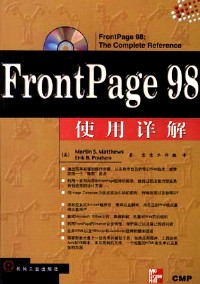
FrontPage 98:The complete reference
作者: (美)[M.S.马修斯]Martin S.Matthews,(美)[E.B.波尔森]Erik B.Poulsen著;京京工作组译