作者:
出版社:
简介:Summary:
Publisher Summary 1
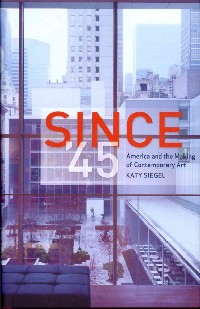
For the USA, 1945 was a victory not over only the Axis powers, but over the hegemony of European power and culture too. This book explores how, since then, American social and artistic history has shaped what we know as contemporary art, and how American art has responded to the unique cultural conditions of recent times.
For fifty years following World War II, New York was the capital of art, influencing artists well beyond the USA. As Katy Siegel argues, since America lacked the European traditions underlying art, American art instead responded to extreme social conditions native to the country. Artists' preoccupations ranged across a broad spectrum that encompassed issues of race, mass culture, the individual, suburbia, apocalypse, and nuclear destruction, and Since '45 discusses how these themes came to find their place in art. Siegel's narrative moves fluidly from discussion of the art world 霉 artists, works, museums, galleries 霉 over the decades to cultural influences and momentous historical events. Rather than arguing on nationalist grounds, or viewing American culture as representative of a now-devalued nation, Siegel explores how that culture not only shaped art practice in the U.S., but created conditions that now, after the full globalization of the art world, affect artists in every continent.
Publisher Summary 2
Since '45details the collision of American history and modern art. For the more than half-century since World War II, New York has been the center of world art, with an influence that extends well beyond the continent. Since '45discusses how artists' preoccupations with issues of race, mass culture, the individual, suburbia, apocalypse, and nuclear destruction have come to find their place in art works.
Katy Siegel's study encompasses a variety of works, including Rothko's planes of color, Warhol's serial silkscreens, Richard Prince's cowboys, Robert Longo's Men in Cities, Faith Ringgold's Black Light,and Laurie Simmons' dollhouses, and moves fluidly from discussion of artists' works, art museums, and galleries to cultural influences and significant historical events. Rather than arguing on nationalist grounds or viewing American culture as representative of a now-devalued nation, Siegel explores how American culture dominated not only American artists, but created conditions that now, after the full globalization of the art world, affect artists around the world. Since '45will interest all readers engaged in post-war and contemporary art in the United States and beyond.