

简介
Summary:
Publisher Summary 1
Der Probleml枚ser f眉r komplizierte KehlkopfrekonstruktionenSchwer behandelbare Defekte an Larynx und Trachea sind ein gro脽es Problem - keine Panik: Hier ist die L枚sung!Wegweisend: die neue Technik der Auto- und Allotransplantation von Trachea und LarynxStep by Step: Zahlreiche farbige Zeichnungen veranschaulichen den OP-AblaufBrenzlige Situationen: Souver盲n meistern"OP-live": Eine DVD liefert Ihnen eindrucksvolle OP-SequenzenKomplexes Problem - sichere L枚sung: Dieses Buch zeigt Ihnen wie's geht!
Publisher Summary 2
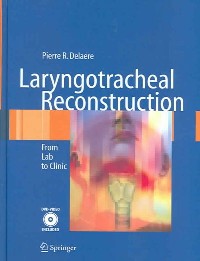
This volume is a practical, hands-on guide to reconstruction of the larynx and trachea. It is the first book to cover reconstruction of the larynx and trachea on the basis of auto- and allotransplants with the emphasis on blood supply of the repair tissue. The work focuses on difficult-to-repair defects of the larynx and trachea:- Tracheal autotransplantation after extended hemilaryngectomy- Repair of a tracheal restenosis after segmental resection- Repair of a long segment tracheal stenosisThe book walks you through the entire process, from experimental design to clinical application, and is updated with a thorough review of potential complications and how to avoid them.A complementary DVD that features several video clips (of nearly 2 hours of footage) is included, highlighting different aspects of wound healing and reconstruction of the larynx and trachea.The volume is illustrated throughout and is important reading for otolaryngologists, head and neck surgeons, plastic and reconstructive surgeons, and other specialists involved in wound healing and repair of the larynx and trachea.
目录
Table Of Contents:
Introduction 1(6)
Applied laryngeal anatomy and physiology 1(4)
Applied tracheal anatomy and physiology 5(2)
Bibliography 6(1)
Limits in laryngotracheal reconstruction 7(16)
Limits in larynx reconstruction after tumor resection 7(3)
Limits in reconstruction of laryngotracheal stenosis 10(2)
Hypothesis-Reconstructive concept 12(11)
Bibliography 21(2)
Tracheal transplantation research 23(38)
Experimental tracheal transplantation: current knowledge 24(3)
Heterotopical revascularization of tracheal allografts 27(4)
Orthotopical transplantation of tracheal allografts 31(3)
Acute and chronic transplant rejection 34(8)
Formation of tracheal patch 42(5)
Revascularization and transplantation of tracheal autografts 47(4)
Transplantation of autologous tracheal patches to laryngeal defects 51(7)
Conclusion 58(3)
Bibliography 59(2)
From bench to bedside: Implementing tracheal autotransplantation as organ saving procedure after extended hemilaryngectomy 61(60)
Introduction 62(4)
Initial concept of tracheal autotransplantation 66(55)
Overview of the procedure 67(4)
First operation 71(1)
Neck dissection 71(1)
Wrapping of cervical trachea 72(2)
Wound healing after first operation 74(2)
Second operation 76(1)
Tumor resection 76(1)
Tracheal autotransplantation 76(3)
Wound healing after second operation 79(3)
Postoperative course and closure of tracheostomy 82(1)
Indications for tracheal autotransplantation 83(1)
T2-T3 glottic cancer 83(1)
Pyriform sinus cancer 84(1)
Lateralized chondrosarcoma 85(3)
Morphometrical and functional evaluation of tracheal autotransplantation after extended hemilaryngectomy 88(1)
Evaluation of reconstructive procedure 88(1)
Development of CT-based morphometrical model 89(8)
Morphometrical and functional evaluation of patients 97(1)
Laryngeal competence 98(2)
Laryngeal incompetence with functional compensation 100(3)
Laryngeal incompetence without compensation 103(5)
Conclusion 108(1)
Tracheal autotransplantation after resection of transglottic cancer 109(3)
Oncological evaluation of tracheal autotransplantation 112(7)
Bibliography 119(2)
Modification of tracheal autotransplantation concept: Towards optimal reconstruction of extended hemilaryngectomy defects 121(64)
Introduction 121(6)
Optimal larynx reconstruction with the modified concept-learning curve 127(39)
First patients 127(23)
Optimal reconstruction of extended hemilaryngectomy defects 150(16)
Indications 166(15)
Glottic cancer 166(8)
Hypopharyngeal cancer 174(1)
Chondrosarcoma 175(6)
Conclusion 181(4)
Bibliography 183(2)
From wound healing research to tracheal reconstruction with preformed, composite tissue 185(60)
Etiology and treatment of laryngotracheal stenosis 186(9)
New in vivo wound healing model 195(11)
New in vivo wound healing model 196(3)
Healing of full thickness patch defects 199(2)
Healing of full thickness circumferential defects 201(2)
Healing of mucosal defects after mitomycin application 203(3)
Current limitations in laryngotracheal stenosis treatment 206(1)
Definition of optimal reconstruction of anterior airway defects 207(2)
Airway reconstruction with vascularized soft tissue 209(2)
Airway reconstruction with cartilage grafts 211(10)
Cartilage graft 211(7)
Tracheal cartilage 218(3)
Airway reconstruction with a vascularized epithelial lining 221(11)
Introduction 221(1)
Vascularized mucosa-experimental use 221(3)
Vascularized mucosa-clinical use 224(8)
Airway reconstruction with vascularized mucosa and cartilage 232(13)
Composite tissue consisting of cartilage and vascularized mucosa 232(5)
Flap prefabrication for repair of a long segment laryngotracheal stenosis 237(6)
Bibliography 243(2)
Other vascularized reconstructive tissue for laryngeal repair 245(14)
Epiglottic pull down in larynx reconstruction 245(3)
Revascularization of the larynx as a treatment for chondroradionecrosis 248(2)
Local skin flaps 250(9)
Tracheostomy closure 250(4)
Tracheal stenosis after laryngectomy 254(3)
Bibliography 257(2)
Progress in head and neck reconstruction: a historical overview based on blood supply of the reconstructive tissue 259(36)
Introduction 260(1)
The cutaneous microcirculation 260(2)
Skin grafts 262(2)
Random pattern flap 264(3)
Axial pattern flap 267(2)
Pectoralis major muscle and musculocutaneous flap 269(3)
Microvascular composite tissue transplantation 272(12)
Radial forearm flap 272(4)
Musculocutaneous flap 276(2)
Fibula flap 278(4)
Jejunum 282(2)
Flap prefabrication 284(2)
Flap prefabrication in laryngotracheal reconstruction 286(7)
Composite tissue allotransplantation 293(2)
Bibliography 293(2)
Subject Index 295
Introduction 1(6)
Applied laryngeal anatomy and physiology 1(4)
Applied tracheal anatomy and physiology 5(2)
Bibliography 6(1)
Limits in laryngotracheal reconstruction 7(16)
Limits in larynx reconstruction after tumor resection 7(3)
Limits in reconstruction of laryngotracheal stenosis 10(2)
Hypothesis-Reconstructive concept 12(11)
Bibliography 21(2)
Tracheal transplantation research 23(38)
Experimental tracheal transplantation: current knowledge 24(3)
Heterotopical revascularization of tracheal allografts 27(4)
Orthotopical transplantation of tracheal allografts 31(3)
Acute and chronic transplant rejection 34(8)
Formation of tracheal patch 42(5)
Revascularization and transplantation of tracheal autografts 47(4)
Transplantation of autologous tracheal patches to laryngeal defects 51(7)
Conclusion 58(3)
Bibliography 59(2)
From bench to bedside: Implementing tracheal autotransplantation as organ saving procedure after extended hemilaryngectomy 61(60)
Introduction 62(4)
Initial concept of tracheal autotransplantation 66(55)
Overview of the procedure 67(4)
First operation 71(1)
Neck dissection 71(1)
Wrapping of cervical trachea 72(2)
Wound healing after first operation 74(2)
Second operation 76(1)
Tumor resection 76(1)
Tracheal autotransplantation 76(3)
Wound healing after second operation 79(3)
Postoperative course and closure of tracheostomy 82(1)
Indications for tracheal autotransplantation 83(1)
T2-T3 glottic cancer 83(1)
Pyriform sinus cancer 84(1)
Lateralized chondrosarcoma 85(3)
Morphometrical and functional evaluation of tracheal autotransplantation after extended hemilaryngectomy 88(1)
Evaluation of reconstructive procedure 88(1)
Development of CT-based morphometrical model 89(8)
Morphometrical and functional evaluation of patients 97(1)
Laryngeal competence 98(2)
Laryngeal incompetence with functional compensation 100(3)
Laryngeal incompetence without compensation 103(5)
Conclusion 108(1)
Tracheal autotransplantation after resection of transglottic cancer 109(3)
Oncological evaluation of tracheal autotransplantation 112(7)
Bibliography 119(2)
Modification of tracheal autotransplantation concept: Towards optimal reconstruction of extended hemilaryngectomy defects 121(64)
Introduction 121(6)
Optimal larynx reconstruction with the modified concept-learning curve 127(39)
First patients 127(23)
Optimal reconstruction of extended hemilaryngectomy defects 150(16)
Indications 166(15)
Glottic cancer 166(8)
Hypopharyngeal cancer 174(1)
Chondrosarcoma 175(6)
Conclusion 181(4)
Bibliography 183(2)
From wound healing research to tracheal reconstruction with preformed, composite tissue 185(60)
Etiology and treatment of laryngotracheal stenosis 186(9)
New in vivo wound healing model 195(11)
New in vivo wound healing model 196(3)
Healing of full thickness patch defects 199(2)
Healing of full thickness circumferential defects 201(2)
Healing of mucosal defects after mitomycin application 203(3)
Current limitations in laryngotracheal stenosis treatment 206(1)
Definition of optimal reconstruction of anterior airway defects 207(2)
Airway reconstruction with vascularized soft tissue 209(2)
Airway reconstruction with cartilage grafts 211(10)
Cartilage graft 211(7)
Tracheal cartilage 218(3)
Airway reconstruction with a vascularized epithelial lining 221(11)
Introduction 221(1)
Vascularized mucosa-experimental use 221(3)
Vascularized mucosa-clinical use 224(8)
Airway reconstruction with vascularized mucosa and cartilage 232(13)
Composite tissue consisting of cartilage and vascularized mucosa 232(5)
Flap prefabrication for repair of a long segment laryngotracheal stenosis 237(6)
Bibliography 243(2)
Other vascularized reconstructive tissue for laryngeal repair 245(14)
Epiglottic pull down in larynx reconstruction 245(3)
Revascularization of the larynx as a treatment for chondroradionecrosis 248(2)
Local skin flaps 250(9)
Tracheostomy closure 250(4)
Tracheal stenosis after laryngectomy 254(3)
Bibliography 257(2)
Progress in head and neck reconstruction: a historical overview based on blood supply of the reconstructive tissue 259(36)
Introduction 260(1)
The cutaneous microcirculation 260(2)
Skin grafts 262(2)
Random pattern flap 264(3)
Axial pattern flap 267(2)
Pectoralis major muscle and musculocutaneous flap 269(3)
Microvascular composite tissue transplantation 272(12)
Radial forearm flap 272(4)
Musculocutaneous flap 276(2)
Fibula flap 278(4)
Jejunum 282(2)
Flap prefabrication 284(2)
Flap prefabrication in laryngotracheal reconstruction 286(7)
Composite tissue allotransplantation 293(2)
Bibliography 293(2)
Subject Index 295
- 名称
- 类型
- 大小
光盘服务联系方式: 020-38250260 客服QQ:4006604884
云图客服:
用户发送的提问,这种方式就需要有位在线客服来回答用户的问题,这种 就属于对话式的,问题是这种提问是否需要用户登录才能提问
Video Player
×
Audio Player
×
pdf Player
×
亲爱的云图用户,
光盘内的文件都可以直接点击浏览哦
无需下载,在线查阅资料!
