

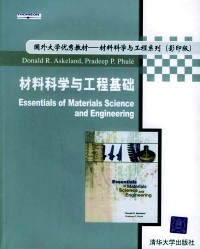
简介
本书是the science and engineering of materials第4版的节选本。原书曾是美国工学院里所开设的“材料科学与工程”课程所用的教科书中最为流行的一本,原书内容分为五个部分,本书则选取了其中的前三个部分并作了部分的改写和补充:一、原子结构、排列和缺陷以及原子运动;二、材料的力学性能和微观结构控制; 三、主要的工程材料。. 本书条理有序,内容丰富,浅显易懂,十分适合于一般工学院的材料导论或概论类课程。同时,作为节选本,它更适合于材料专业的初级课程,特别是本书材料系本科生的“金属材料导论”类的课程。本书所给出的例题和大量的作业思考题,不仅涉及面广,而且重点突出,切题实用,并包括了案例设计等开放式的实践内容。.. 本书作者donald askeland博士所在的university of missouri-rolla以其在金属冶金方面的建树而在美国著称,而作者本人则是这个领域十分著名的专家。他在本书里不仅对金属材料部分的介绍有独到的见解和非常精彩的阐述,而且对陶瓷、玻璃、高分子、复合材料等领域地作了极为详尽的描述。本书引入大量现代科技最新发展的成果,比如高温超导体、新一代数字芯片技术、高密度磁记录等,这对开拓学生眼界、熟悉相关领域动态、掌握现代工业发展有着极为积极的意义。 本书包含一张免费的cd-rom,提供相关的教学软件、教案补充和网址等文件。...
目录
preface.
rbout the ruthors
chapter 1 introduction to materials science and engineering
intrduction
1.1 what is materials science and engineering
1.2 classification of materials
1.3 functional classification of materials
1.4 classification of materials based on structure
1.5 environmental and other effects
1.6 materials design and selection
summrry glossrry problems
chapter 2 rtomic structure
introduction
2.1 the structure of materials:technological relevance
2.2 the structure of the atom
2.3 the electronic structure of the atom
2.4 the periodic table
2.5 atomic bonding
2.6 binding energy and interatomic spacing
summrry glossrry problems
.chapter 3 rtomic and ionic rrrangements
introduction
3.1 short-range order versus long-range order
3.2 amorphous materials:principles and technological applications
3.3 lattice,unit cells,basis,and crystal structures
3.4 allotropic or polymorphic transformations
3.5 points,directions,and planes in the unit cell
3.6 intrstitial sites
3.7 crystal structures of lonic materials
3.8 covalent structures
3.9 diffaction techniques for crystal structure analysis
summrry glossrry problems
chapter 4 imperfections in the rtomic and lonic rrrangements
introduction
4.1 point defects
4.2 other point defects
4.3 dislocations
4.4 significance of dislocations
4.5 schmid's law
4.6 influence of crystal structure
4.7 surface defects
4.8 importance of defects
summrry glossrry problems
chapter 5 rtom and lon movements in materials
introduction
5.1 applications of diffusion
5.2 stability of atoms and lons
5.3 mechanisms for diffusion
5.4 activation energy for diffusion
5.5 rate of diffusion (fick's first law)
5.6 factora affecting diffusion
5.7 permeability of polymers
5.8 composition profile (fick's second law)
5.9 diffusion and materials processing
summrry glossrry problems
cahpter 6 mechanical properies:fundamentals and tensile,hardness,and impact testing
introduction
6.1 technological significance
6.2 terminology for mechanical properties
6.3 the tensile test: use of the stress-strain diagram
6.4 properties obtained from the tensile test
6.5 true stress and true strain
6.6 the bend test for brittle materials
6.7 hardness of materials
6.8 strain rate effects and impact behavior
6.9 properties obtained from the impact test
summary glossary problems
chapter 7 fracture mechanics,fatigue,and creep behavior
introduction
7.1 fracture mechanics
7.2 the importance of fracture mechanics
7.3 microstructural features of fracture in metallic materials
7.4 microstructural features of fracture in ceramics, glasses, and composites
7.5 weibull statistics for failure strength analysis
7.6 fatigue
7.7 results of the fatigue test
7.8 application of fatigue testing
79 creep, stress rupture, and stress corrosion
7.10 evaluation of creep behavior
summary glossary problems
chapter 8 strain hardening and rnnealing
introduction
8.1 relationship of cold working to the stress-strain curve
8.2 strain-hardening mechanisms
8.3 properties versus percent cold work
8.4 microstructure, texture strengthening, and residual stresses
8.5 characteristics of cold working
8.6 the three stages of annealing
8.7 control of annealing
8.8 annealing and materials processing
8.9 hot working
summary glossary problems
chapter 9 principles and rpplications of soldfication
introduction
9.1 technological significance
9.2 nucleation
9.3 growth mechanisms..
9.4 cooling curves
9.5 cast structure
9.6 solidification defects
9.7 casting processes for manufacturing components
9.8 continuous casting, ingot casting, and single crystal growth
9.9 solidification of polymers and inorganic glasses
9.10 joining of metallic materials
summary glossary problems
chapter 10 solid solutions and phase equilibrium
introduction
10.1 phases and the phase diagram
10.2 solubility and solid solutions
10.3 conditions for unlimited solid solubility
10.4 solid-solution strengthening
10.5 isomorphous phase diagrams
10.6 relationship between properties and the phase diagram
10.7 solidification of a solid-solution alloy
summary glossary problems
chapter 11 dispersion strengthening and eutectic phase diagrams
introduction
11.1 principles and examples of dispersion strengthening
11.2 intermetallic compounds
11.3 phase diagrams containing three-phase reactions
11.4 the eutectic phase diagram
11.5 strength of eutectic alloys
11.6 eutectics and materials processing
11.7 nonequilibrium freezing in the eutectic system
summary glossary problems
chapter 12 dispersion strengthening bu phase transformations and heat treatment
introduction
12.1 nucleation and growth in solid-state reactions
12.2 alloys strengthened by exceeding the solubility limit
12.3 age or precipitation hardening
12.4 applications of age~hardened alloys
12.5 microstructural evolution in age or precipitation hardening
12.6 effects of aging temperature and time
12.7 requirements for age hardening
12.8 use of age-hardenable alloys at high temperatures
12.9 the eutectoid reaction
12.10 controlling the eutectoid reaction
12.11 the martensitic reaction and tempering
summary glossary problems
chapter 13 heat treatment of steels and cast lrons
introduction
13.1 designations and classification of steels
13.2 simple heat treatments
13.3 isothermal heat treatments
13.4 quench and temper heat treatments
13.5 effect of alloying elements
13.6 application of hardenability
13.7 specialty steels
13.8 surface treatments
13.9 weldability of steel
13.10 stainless steels
13.11 cast irons
summary glossary problems
chapter 14 nonferrous allous
introduction
14.1 aluminum alloys
14.2 magnesium and beryllium alloys
14.3 copper alloys
14.4 nickel and cobalt alloys
14.5 titanium alloys
14.6 refractory and precious metals
summary glossary problems
chapter 15 ceramic materials
introduction
15.1 applications of ceramics
15.2 properties of ceramics
15.3 synthesis and processing of ceramic powders
15.4 characteristics of sintered ceramics
15.5 inorganic glasses
i5-6 glass-ceramics
15.7 processing and applications of clay products
15.8 refractories
15.9 other ceramic materials
summary glossary problems
chapter 16 polumers
introduction
16.1 classification of polymers
16.2 addition and condensation polymerization
16.3 degree of polymerization
16.4 typical thermoplastics
16.5 structure-property relationships in thermoplastics
16.6 effect of temperature on thermoplastics
16.7 mechanical properties of thermoplastics
16.8 elastomers (rubbers)
16.9 thermosetting polymers
16.10 adhesives
16.11 polymer processing and recycling
summary glossary problems
chapter 17 composites:teamwork and sunergu in materials
introduction
17.1 dispersion-strengthened composites
17.2 particulate composites
17.3 fiber-reinforced composites
17.4 characteristics of fiber-reinforced composites
17.5 manufacturing fibers and composites
17.6 fiber-reinforced systems and applications
17.7 laminar composite materials
17.8 examples and applications of laminar composites
17.9 sandwich structures
summary glossary problems
appendix a:selected phusical properties of metals
appendix b:the atomic and lonic radii of selected elements
answers to selected problems
index...
rbout the ruthors
chapter 1 introduction to materials science and engineering
intrduction
1.1 what is materials science and engineering
1.2 classification of materials
1.3 functional classification of materials
1.4 classification of materials based on structure
1.5 environmental and other effects
1.6 materials design and selection
summrry glossrry problems
chapter 2 rtomic structure
introduction
2.1 the structure of materials:technological relevance
2.2 the structure of the atom
2.3 the electronic structure of the atom
2.4 the periodic table
2.5 atomic bonding
2.6 binding energy and interatomic spacing
summrry glossrry problems
.chapter 3 rtomic and ionic rrrangements
introduction
3.1 short-range order versus long-range order
3.2 amorphous materials:principles and technological applications
3.3 lattice,unit cells,basis,and crystal structures
3.4 allotropic or polymorphic transformations
3.5 points,directions,and planes in the unit cell
3.6 intrstitial sites
3.7 crystal structures of lonic materials
3.8 covalent structures
3.9 diffaction techniques for crystal structure analysis
summrry glossrry problems
chapter 4 imperfections in the rtomic and lonic rrrangements
introduction
4.1 point defects
4.2 other point defects
4.3 dislocations
4.4 significance of dislocations
4.5 schmid's law
4.6 influence of crystal structure
4.7 surface defects
4.8 importance of defects
summrry glossrry problems
chapter 5 rtom and lon movements in materials
introduction
5.1 applications of diffusion
5.2 stability of atoms and lons
5.3 mechanisms for diffusion
5.4 activation energy for diffusion
5.5 rate of diffusion (fick's first law)
5.6 factora affecting diffusion
5.7 permeability of polymers
5.8 composition profile (fick's second law)
5.9 diffusion and materials processing
summrry glossrry problems
cahpter 6 mechanical properies:fundamentals and tensile,hardness,and impact testing
introduction
6.1 technological significance
6.2 terminology for mechanical properties
6.3 the tensile test: use of the stress-strain diagram
6.4 properties obtained from the tensile test
6.5 true stress and true strain
6.6 the bend test for brittle materials
6.7 hardness of materials
6.8 strain rate effects and impact behavior
6.9 properties obtained from the impact test
summary glossary problems
chapter 7 fracture mechanics,fatigue,and creep behavior
introduction
7.1 fracture mechanics
7.2 the importance of fracture mechanics
7.3 microstructural features of fracture in metallic materials
7.4 microstructural features of fracture in ceramics, glasses, and composites
7.5 weibull statistics for failure strength analysis
7.6 fatigue
7.7 results of the fatigue test
7.8 application of fatigue testing
79 creep, stress rupture, and stress corrosion
7.10 evaluation of creep behavior
summary glossary problems
chapter 8 strain hardening and rnnealing
introduction
8.1 relationship of cold working to the stress-strain curve
8.2 strain-hardening mechanisms
8.3 properties versus percent cold work
8.4 microstructure, texture strengthening, and residual stresses
8.5 characteristics of cold working
8.6 the three stages of annealing
8.7 control of annealing
8.8 annealing and materials processing
8.9 hot working
summary glossary problems
chapter 9 principles and rpplications of soldfication
introduction
9.1 technological significance
9.2 nucleation
9.3 growth mechanisms..
9.4 cooling curves
9.5 cast structure
9.6 solidification defects
9.7 casting processes for manufacturing components
9.8 continuous casting, ingot casting, and single crystal growth
9.9 solidification of polymers and inorganic glasses
9.10 joining of metallic materials
summary glossary problems
chapter 10 solid solutions and phase equilibrium
introduction
10.1 phases and the phase diagram
10.2 solubility and solid solutions
10.3 conditions for unlimited solid solubility
10.4 solid-solution strengthening
10.5 isomorphous phase diagrams
10.6 relationship between properties and the phase diagram
10.7 solidification of a solid-solution alloy
summary glossary problems
chapter 11 dispersion strengthening and eutectic phase diagrams
introduction
11.1 principles and examples of dispersion strengthening
11.2 intermetallic compounds
11.3 phase diagrams containing three-phase reactions
11.4 the eutectic phase diagram
11.5 strength of eutectic alloys
11.6 eutectics and materials processing
11.7 nonequilibrium freezing in the eutectic system
summary glossary problems
chapter 12 dispersion strengthening bu phase transformations and heat treatment
introduction
12.1 nucleation and growth in solid-state reactions
12.2 alloys strengthened by exceeding the solubility limit
12.3 age or precipitation hardening
12.4 applications of age~hardened alloys
12.5 microstructural evolution in age or precipitation hardening
12.6 effects of aging temperature and time
12.7 requirements for age hardening
12.8 use of age-hardenable alloys at high temperatures
12.9 the eutectoid reaction
12.10 controlling the eutectoid reaction
12.11 the martensitic reaction and tempering
summary glossary problems
chapter 13 heat treatment of steels and cast lrons
introduction
13.1 designations and classification of steels
13.2 simple heat treatments
13.3 isothermal heat treatments
13.4 quench and temper heat treatments
13.5 effect of alloying elements
13.6 application of hardenability
13.7 specialty steels
13.8 surface treatments
13.9 weldability of steel
13.10 stainless steels
13.11 cast irons
summary glossary problems
chapter 14 nonferrous allous
introduction
14.1 aluminum alloys
14.2 magnesium and beryllium alloys
14.3 copper alloys
14.4 nickel and cobalt alloys
14.5 titanium alloys
14.6 refractory and precious metals
summary glossary problems
chapter 15 ceramic materials
introduction
15.1 applications of ceramics
15.2 properties of ceramics
15.3 synthesis and processing of ceramic powders
15.4 characteristics of sintered ceramics
15.5 inorganic glasses
i5-6 glass-ceramics
15.7 processing and applications of clay products
15.8 refractories
15.9 other ceramic materials
summary glossary problems
chapter 16 polumers
introduction
16.1 classification of polymers
16.2 addition and condensation polymerization
16.3 degree of polymerization
16.4 typical thermoplastics
16.5 structure-property relationships in thermoplastics
16.6 effect of temperature on thermoplastics
16.7 mechanical properties of thermoplastics
16.8 elastomers (rubbers)
16.9 thermosetting polymers
16.10 adhesives
16.11 polymer processing and recycling
summary glossary problems
chapter 17 composites:teamwork and sunergu in materials
introduction
17.1 dispersion-strengthened composites
17.2 particulate composites
17.3 fiber-reinforced composites
17.4 characteristics of fiber-reinforced composites
17.5 manufacturing fibers and composites
17.6 fiber-reinforced systems and applications
17.7 laminar composite materials
17.8 examples and applications of laminar composites
17.9 sandwich structures
summary glossary problems
appendix a:selected phusical properties of metals
appendix b:the atomic and lonic radii of selected elements
answers to selected problems
index...
材料科学与工程基础
- 名称
- 类型
- 大小
光盘服务联系方式: 020-38250260 客服QQ:4006604884
云图客服:
用户发送的提问,这种方式就需要有位在线客服来回答用户的问题,这种 就属于对话式的,问题是这种提问是否需要用户登录才能提问
Video Player
×
Audio Player
×
pdf Player
×
亲爱的云图用户,
光盘内的文件都可以直接点击浏览哦
无需下载,在线查阅资料!
