

简介
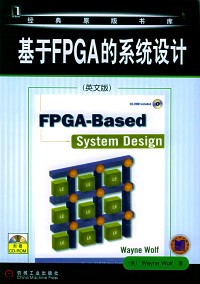
自在专用硅片上构造数字电路设计以来,数字设计在现场可编程门阵列 (FPGA) 中越来越多地实施。实现FPGA系统的有效设计,需要深刻理解VLSI问题和约束条件以及近期的FPGA专用技术。本书介绍了作为FPGA的设计者所应该掌握的全部专题,包括怎么做以及为什么这样做。首先介绍了VLSI的要点,包括其制造、电路、互联、组合、顺序逻辑设计以及系统体系,其次介绍了反映现代VLSI设计方法的知识,可充分发挥FPGA的最有价值的特性,从而缓解其限制条件。
本书特点
●讲述VLSI特性如何影响FPGA及基于FPGA的逻辑设计
●传统的逻辑设计技术与基于FPGA的逻辑设计之间的联系
●掌握FPGA的构造基本的可编程FPGA的结构
●规定和优化逻辑以解决其尺寸、速度和功耗问题
●用做优化逻辑和设计的软件工具---Verilog和VHDL
●大型数字系统的体系结构,包括寄存器传输设计思路
●构建大型平台和多FPGA系统
●处理设计中多方面问题的完整的DSP实例研究
随书光盘中含有Xilinx学生编辑工具 (XSE) ,读者可以通过仿照示例来学习使用工具并建立自己的例题。
本书特点
●讲述VLSI特性如何影响FPGA及基于FPGA的逻辑设计
●传统的逻辑设计技术与基于FPGA的逻辑设计之间的联系
●掌握FPGA的构造基本的可编程FPGA的结构
●规定和优化逻辑以解决其尺寸、速度和功耗问题
●用做优化逻辑和设计的软件工具---Verilog和VHDL
●大型数字系统的体系结构,包括寄存器传输设计思路
●构建大型平台和多FPGA系统
●处理设计中多方面问题的完整的DSP实例研究
随书光盘中含有Xilinx学生编辑工具 (XSE) ,读者可以通过仿照示例来学习使用工具并建立自己的例题。
目录
preface
chapter 1 fpga-based systems
1.1 introduction
1.2 basic concepts
1.2.1 boolean algebra
1.2.2 schematics and logic symbols
1.3 digital design and fpgas
1.3.1 the role of fpgas
1.3.2 fpga types
1.3.3 fpgas vs. custom vlsi
1.4 fpga-based system design
1.4.1 goals and techniques
1.4.2 hierarchical design
1.4.3 design abstraction
1.4.4 methodologies
1.5 summary
1.6 problems
chapter 2 vlsi technology
2.1 introduction
2.2 manufacturing processes
.2.3 transistor characteristics
2.4 cmos logic gates
2.4.1 static complementary gates
2.4.2 gate delay
2.4.3 power consumption
2.4.4 driving large loads
2.4.5 low-power gates
2.4.6 switch logic
2.5 wires
2.5.1 wire structures
2.5.2 wire parasitics
2.5.3 models for wires
2.5.4 delay through an rc transmission line
2.5.5 buffer insertion in rc transmission lines
2.5.6 crosstalk between rc wires
2.6 registers and ram
2.6.1 register structures
2.6.2 random-access memory
2.7 packages and pads
2.7.1 packages
2.7.2 pads
2.8 summary
2.9 problems
chapter 3 fpga fabrics
3.1 introduction
3.2 fpga architectures
3.3 sram-based fpgas
3.3.1 overview
3.3.2 logic elements
3.3.3 interconnection networks
3.3.4 configuration
3.4 permanently programmed fpgas
3.4.1 antifuses
3.4.2 flash configuration
3.4.3 logic blocks
3.4.4 interconnection networks
3.4.5 programming
3.5 chip i/o
3.6 circuit design of fpga fabrics
3.6.1 logic elements
3.6.2 interconnect
3.7 architecture of fpga fabrics
3.7.1 logic element parameters
3.7.2 interconnect architecture
3.7.3 pinout
3.8 summary
3.9 problems
chapter 4 combinational logic
4.1 introduction
4.2 the logic design process
4.3 hardware description languages
4.3.1 modeling with hdls
4.3.2 verilog
4.3.3 vhdl
4.4 combinational network delay
4.4.1 delay specifications
4.4.2 gate and wire delay
4.4.3 fanout
4.4.4 path delay
4.4.5 delay and physical design
4.5 power and energy optimization
4.5.1 glitching analysis and optimization
4.6 arithmetic logic
4.6.1 number representations
4.6.2 combinational shifters
4.6.3 adders
4.6.4 alus
4.6.5 multipliers
4.7 logic implementation for fpgas
4.7.1 syntax-directed translation
4.7.2 logic implementation by macro
4.7.3 logic synthesis
4.7.4 technology-independent logic optimization
4.7.5 technology-dependent logic optimizations
4.7.6 logic synthesis for fpgas
4.8 physical design for fpgas
4.8.1 placement
4.8.2 routing
4.9 the logic design process revisited
4.10 summary
4.11 problems
chapter 5 sequential machines
5.1 introduction
5.2 the sequential machine design process
5.3 sequential design styles
5.3.1 state transition and register-transfer models
5.3.2 finite-state machine theory
5.3.3 state assignment
5.3.4 verilog modeling styles
5.4 rules for clocking
5.4.1 flip-flops and latches
5.4.2 clocking disciplines
5.5 performance analysis
5.5.1 performance of flip-flop-based systems
5.5.2 performance of latch-based systems
5.5.3 clock skew
5.5.4 retiming
5.6 power optimization
5.7 summary
5.8 problems
chapter 6 architecture
6.1 introduction
6.2 behavioral design
6.2.1 data path-controller architectures
6.2.2 scheduling and allocation
6.2.3 power
6.2.4 pipelining
6.3 design methodologies
6.3.1 design processes
6.3.2 design standards
6.3.3 design verification
6.4 design example
6.4.1 digital signal processor
6.5 summary
6.6 problems
chapter 7 large-scale systems
7.1 introduction
7.2 busses
7.2.1 protocols and specifications
7.2.2 logic design for busses
7.2.3 microprocessor and system busses
7.3 platform fpgas
7.3.1 platform fpga architectures
7.3.2 serial i/o
7.3.3 memories
7.3.4 cpus and embedded multipliers
7.4 multi-fpga systems
7.4.1 constraints on multi-fpga systems
7.4.2 interconnecting multiple fpgas
7.4.3 multi-fpga partitioning
7.5 novel architectures
7.5.1 machines built from fpgas
7.5.2 altemative fpga fabrics
7.6 summary
7.7 problems
appendix a glossary
appendix b hardware description languages
b. 1 introduction
b.2 verilog
b.2.1 syntactic elements
b.2.2 data types and declarations
b.2.3 operators
b.2.4 statements
b.2.5 modules and program units
b.2.6 simulation control
b.3 vhdl
b.3.1 syntactic elements
b.3.2 data types and declarations
b.3.3 operators
b.3.4 sequential statements
b.3.5 structural statements
b.3.6 design units
b.3.7 processes
references
index
chapter 1 fpga-based systems
1.1 introduction
1.2 basic concepts
1.2.1 boolean algebra
1.2.2 schematics and logic symbols
1.3 digital design and fpgas
1.3.1 the role of fpgas
1.3.2 fpga types
1.3.3 fpgas vs. custom vlsi
1.4 fpga-based system design
1.4.1 goals and techniques
1.4.2 hierarchical design
1.4.3 design abstraction
1.4.4 methodologies
1.5 summary
1.6 problems
chapter 2 vlsi technology
2.1 introduction
2.2 manufacturing processes
.2.3 transistor characteristics
2.4 cmos logic gates
2.4.1 static complementary gates
2.4.2 gate delay
2.4.3 power consumption
2.4.4 driving large loads
2.4.5 low-power gates
2.4.6 switch logic
2.5 wires
2.5.1 wire structures
2.5.2 wire parasitics
2.5.3 models for wires
2.5.4 delay through an rc transmission line
2.5.5 buffer insertion in rc transmission lines
2.5.6 crosstalk between rc wires
2.6 registers and ram
2.6.1 register structures
2.6.2 random-access memory
2.7 packages and pads
2.7.1 packages
2.7.2 pads
2.8 summary
2.9 problems
chapter 3 fpga fabrics
3.1 introduction
3.2 fpga architectures
3.3 sram-based fpgas
3.3.1 overview
3.3.2 logic elements
3.3.3 interconnection networks
3.3.4 configuration
3.4 permanently programmed fpgas
3.4.1 antifuses
3.4.2 flash configuration
3.4.3 logic blocks
3.4.4 interconnection networks
3.4.5 programming
3.5 chip i/o
3.6 circuit design of fpga fabrics
3.6.1 logic elements
3.6.2 interconnect
3.7 architecture of fpga fabrics
3.7.1 logic element parameters
3.7.2 interconnect architecture
3.7.3 pinout
3.8 summary
3.9 problems
chapter 4 combinational logic
4.1 introduction
4.2 the logic design process
4.3 hardware description languages
4.3.1 modeling with hdls
4.3.2 verilog
4.3.3 vhdl
4.4 combinational network delay
4.4.1 delay specifications
4.4.2 gate and wire delay
4.4.3 fanout
4.4.4 path delay
4.4.5 delay and physical design
4.5 power and energy optimization
4.5.1 glitching analysis and optimization
4.6 arithmetic logic
4.6.1 number representations
4.6.2 combinational shifters
4.6.3 adders
4.6.4 alus
4.6.5 multipliers
4.7 logic implementation for fpgas
4.7.1 syntax-directed translation
4.7.2 logic implementation by macro
4.7.3 logic synthesis
4.7.4 technology-independent logic optimization
4.7.5 technology-dependent logic optimizations
4.7.6 logic synthesis for fpgas
4.8 physical design for fpgas
4.8.1 placement
4.8.2 routing
4.9 the logic design process revisited
4.10 summary
4.11 problems
chapter 5 sequential machines
5.1 introduction
5.2 the sequential machine design process
5.3 sequential design styles
5.3.1 state transition and register-transfer models
5.3.2 finite-state machine theory
5.3.3 state assignment
5.3.4 verilog modeling styles
5.4 rules for clocking
5.4.1 flip-flops and latches
5.4.2 clocking disciplines
5.5 performance analysis
5.5.1 performance of flip-flop-based systems
5.5.2 performance of latch-based systems
5.5.3 clock skew
5.5.4 retiming
5.6 power optimization
5.7 summary
5.8 problems
chapter 6 architecture
6.1 introduction
6.2 behavioral design
6.2.1 data path-controller architectures
6.2.2 scheduling and allocation
6.2.3 power
6.2.4 pipelining
6.3 design methodologies
6.3.1 design processes
6.3.2 design standards
6.3.3 design verification
6.4 design example
6.4.1 digital signal processor
6.5 summary
6.6 problems
chapter 7 large-scale systems
7.1 introduction
7.2 busses
7.2.1 protocols and specifications
7.2.2 logic design for busses
7.2.3 microprocessor and system busses
7.3 platform fpgas
7.3.1 platform fpga architectures
7.3.2 serial i/o
7.3.3 memories
7.3.4 cpus and embedded multipliers
7.4 multi-fpga systems
7.4.1 constraints on multi-fpga systems
7.4.2 interconnecting multiple fpgas
7.4.3 multi-fpga partitioning
7.5 novel architectures
7.5.1 machines built from fpgas
7.5.2 altemative fpga fabrics
7.6 summary
7.7 problems
appendix a glossary
appendix b hardware description languages
b. 1 introduction
b.2 verilog
b.2.1 syntactic elements
b.2.2 data types and declarations
b.2.3 operators
b.2.4 statements
b.2.5 modules and program units
b.2.6 simulation control
b.3 vhdl
b.3.1 syntactic elements
b.3.2 data types and declarations
b.3.3 operators
b.3.4 sequential statements
b.3.5 structural statements
b.3.6 design units
b.3.7 processes
references
index
基于FPGA的系统设计(英文版)
- 名称
- 类型
- 大小
光盘服务联系方式: 020-38250260 客服QQ:4006604884
云图客服:
用户发送的提问,这种方式就需要有位在线客服来回答用户的问题,这种 就属于对话式的,问题是这种提问是否需要用户登录才能提问
Video Player
×
Audio Player
×
pdf Player
×
亲爱的云图用户,
光盘内的文件都可以直接点击浏览哦
无需下载,在线查阅资料!
