

简介
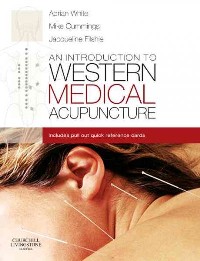
This book is a clear and practical introductory guide to the practice of medical acupuncture. It describes the Western medical approach to the use of acupuncture as a therapy following orthodox diagnosis. The text covers issues of safety, different approaches to acupuncture, basic point information, clinical issues and the application of acupuncture in clinical conditions, especially in the treatment of pain.
A practical guide to the principles and clinical practice of medical acupuncture A clear guide to the neurophysiological principles which underlie medical approaches to acupuncture A basic explanation of the different styles of medical acupuncture treatment Allows the reader to accrue the practical knowledge necessary before beginning to work with medical acupuncture.
目录
Table Of Contents:
Glossary xv
Introduction 1(6)
How can we be sure acupuncture is a valid therapy? 2(2)
Why not simply accept the traditional explanations for acupuncture? 4(1)
Reassessing the phenomena of acupuncture 5(2)
SECTION 1: PRINCIPLES 7(86)
An overview of Western medical acupuncture 7(10)
Introduction 7(1)
Acupuncture in the West 8(1)
Five mechanisms for understanding Western medical acupuncture 8(4)
Mechanisms not yet known 12(1)
The use of Western medical acupuncture 13(1)
Other interpretations of Western medical acupuncture 13(1)
Milestones in Western medical acupuncture 14(3)
Neurological mechanisms I: local effects 17(10)
Introduction 17(1)
Sensory nerves 18(1)
Physiology of local acupuncture 18(3)
Where to place the needle? 21(2)
Needle stimulation: the acupuncture `dose' 23(2)
Summary 25(2)
Neurological mechanisms II: segmental analgesia 27(12)
Introduction 27(1)
Somatic afferents: anatomy and physiology 28(2)
Physiology of segmental acupuncture 30(1)
Clinical application of segmental analgesia 31(1)
Segmental acupuncture for visceral conditions 32(1)
Visceral afferents: anatomy and physiology 33(2)
Autonomic effects of acupuncture 35(1)
Clinical application to visceral conditions 36(1)
Summary 37(2)
Neurological mechanisms III: extrasegmental analgesia 39(12)
Introduction 39(1)
Neuromodulators: opioid peptides 40(3)
Descending inhibitory pain control 43(2)
Clinical application 45(2)
Aspects of pain 47(3)
Summary 50(1)
Neurological mechanisms IV: central regulatory effects 51(8)
Introduction 51(1)
Pain: the affective component 52(2)
Psychological changes 54(1)
Autonomic effects 54(1)
Hypothalamo-pituitary-adrenal axis 55(1)
Hypothalamo-pituitary-ovarian axis 55(1)
Other endocrine effects 55(1)
The immune system 56(1)
Drug dependency 56(1)
Nausea and vomiting 56(1)
Clinical application 56(1)
Summary 57(2)
Myofascial trigger points 59(18)
Introduction 59(2)
Definition 61(1)
Incidence 62(1)
Aetiology 62(2)
Precipitating and perpetuating factors 64(1)
Mechanism 65(1)
Clinical features 65(5)
Diagnosis 70(3)
Treatment techniques 73(2)
Prognosis 75(1)
Summary 75(2)
Traditional Chinese acupuncture reinterpreted 77(16)
Introduction 77(1)
Chinese origins of acupuncture 78(1)
European origins of acupuncture 79(1)
The evolution of acupuncture in China 79(1)
The worldwide spread of acupuncture 80(1)
Traditional Chinese acupuncture theories 81(4)
Diagnosis in traditional Chinese medicine 85(3)
Traditional Chinese treatment 88(1)
Traditional Chinese and Western medical acupuncture 89(2)
Summary 91(2)
SECTION 2: THE EVIDENCE BASE 93(34)
Clinical research into the effectiveness of acupuncture 93(26)
Introduction 94(1)
Blinding participants in acupuncture trials 94(4)
Other problems in acupuncture research 98(3)
Choice of the control group 101(1)
The German insurance company studies 102(1)
Assessing the evidence 103(1)
Acupuncture for musculoskeletal conditions 104(5)
Acupuncture for headache 109(1)
Acupuncture for other painful conditions 110(1)
Acupuncture for respiratory conditions 111(1)
Acupuncture for addictions 112(1)
Acupuncture for central-nervous-system conditions 113(1)
Acupuncture for nausea and vomiting 113(1)
Acupuncture for genitourinary and reproductive medicine 114(2)
Miscellaneous 116(1)
The cost effectiveness of acupuncture 116(2)
Summary 118(1)
Evidence on the safety of acupuncture 119(8)
Introduction: acupuncture is safe in skilled hands 119(1)
A modern approach to safety 120(1)
The potential risks of acupuncture 121(5)
Summary 126(1)
SECTION 3: PRACTICAL ASPECTS 127(48)
Preparation for treatment 127(15)
Introduction 127(1)
Patients suitable for acupuncture 128(4)
Information and informed consent 132(2)
Conditions suitable for acupuncture 134(2)
Acupuncture equipment 136(4)
The setting for acupuncture 140(1)
Preparation of the practitioner 140(1)
Summary 140(2)
Effective needling techniques 142(11)
Introduction 142(1)
Dose of acupuncture 143(1)
Acupuncture: basic technique 143(4)
Acupuncture: variations on the basic technique 147(1)
Electroacupuncture 148(3)
Individual patient sensitivity 151(1)
Managing the course of treatment 151(1)
Summary 152(1)
Safe needling 153(9)
Introduction 153(1)
Equipment and administration 154(1)
Reducing the risk of trauma 155(3)
Reducing the risk of infection 158(2)
Professional development 160(1)
Summary 161(1)
Other acupuncture techniques 162(13)
Introduction 162(1)
Continuous stimulation by indwelling needles 163(1)
Auricular acupuncture 164(4)
Other stimulation techniques 168(3)
Other acupuncture microsystems 171(1)
Electrodiagnostic techniques 171(1)
Summary 172(3)
SECTION 4: TREATMENT MANUAL 175(44)
Treatment guidelines 175(10)
Introduction 175(1)
Summary of general treatment principles 176(2)
Guidelines: musculoskeletal conditions 178(2)
Guidelines: other painful conditions 180(2)
Guidelines: abdominal symptoms 182(1)
Guidelines: conditions without pain 182(1)
Safety first 183(1)
Recording treatment 183(2)
Reference charts: points and innervation 185(34)
How to locate acupuncture points 185(1)
Acupuncture points by region 186(3)
Other reference tables 189(30)
References 219(10)
Index 229
Glossary xv
Introduction 1(6)
How can we be sure acupuncture is a valid therapy? 2(2)
Why not simply accept the traditional explanations for acupuncture? 4(1)
Reassessing the phenomena of acupuncture 5(2)
SECTION 1: PRINCIPLES 7(86)
An overview of Western medical acupuncture 7(10)
Introduction 7(1)
Acupuncture in the West 8(1)
Five mechanisms for understanding Western medical acupuncture 8(4)
Mechanisms not yet known 12(1)
The use of Western medical acupuncture 13(1)
Other interpretations of Western medical acupuncture 13(1)
Milestones in Western medical acupuncture 14(3)
Neurological mechanisms I: local effects 17(10)
Introduction 17(1)
Sensory nerves 18(1)
Physiology of local acupuncture 18(3)
Where to place the needle? 21(2)
Needle stimulation: the acupuncture `dose' 23(2)
Summary 25(2)
Neurological mechanisms II: segmental analgesia 27(12)
Introduction 27(1)
Somatic afferents: anatomy and physiology 28(2)
Physiology of segmental acupuncture 30(1)
Clinical application of segmental analgesia 31(1)
Segmental acupuncture for visceral conditions 32(1)
Visceral afferents: anatomy and physiology 33(2)
Autonomic effects of acupuncture 35(1)
Clinical application to visceral conditions 36(1)
Summary 37(2)
Neurological mechanisms III: extrasegmental analgesia 39(12)
Introduction 39(1)
Neuromodulators: opioid peptides 40(3)
Descending inhibitory pain control 43(2)
Clinical application 45(2)
Aspects of pain 47(3)
Summary 50(1)
Neurological mechanisms IV: central regulatory effects 51(8)
Introduction 51(1)
Pain: the affective component 52(2)
Psychological changes 54(1)
Autonomic effects 54(1)
Hypothalamo-pituitary-adrenal axis 55(1)
Hypothalamo-pituitary-ovarian axis 55(1)
Other endocrine effects 55(1)
The immune system 56(1)
Drug dependency 56(1)
Nausea and vomiting 56(1)
Clinical application 56(1)
Summary 57(2)
Myofascial trigger points 59(18)
Introduction 59(2)
Definition 61(1)
Incidence 62(1)
Aetiology 62(2)
Precipitating and perpetuating factors 64(1)
Mechanism 65(1)
Clinical features 65(5)
Diagnosis 70(3)
Treatment techniques 73(2)
Prognosis 75(1)
Summary 75(2)
Traditional Chinese acupuncture reinterpreted 77(16)
Introduction 77(1)
Chinese origins of acupuncture 78(1)
European origins of acupuncture 79(1)
The evolution of acupuncture in China 79(1)
The worldwide spread of acupuncture 80(1)
Traditional Chinese acupuncture theories 81(4)
Diagnosis in traditional Chinese medicine 85(3)
Traditional Chinese treatment 88(1)
Traditional Chinese and Western medical acupuncture 89(2)
Summary 91(2)
SECTION 2: THE EVIDENCE BASE 93(34)
Clinical research into the effectiveness of acupuncture 93(26)
Introduction 94(1)
Blinding participants in acupuncture trials 94(4)
Other problems in acupuncture research 98(3)
Choice of the control group 101(1)
The German insurance company studies 102(1)
Assessing the evidence 103(1)
Acupuncture for musculoskeletal conditions 104(5)
Acupuncture for headache 109(1)
Acupuncture for other painful conditions 110(1)
Acupuncture for respiratory conditions 111(1)
Acupuncture for addictions 112(1)
Acupuncture for central-nervous-system conditions 113(1)
Acupuncture for nausea and vomiting 113(1)
Acupuncture for genitourinary and reproductive medicine 114(2)
Miscellaneous 116(1)
The cost effectiveness of acupuncture 116(2)
Summary 118(1)
Evidence on the safety of acupuncture 119(8)
Introduction: acupuncture is safe in skilled hands 119(1)
A modern approach to safety 120(1)
The potential risks of acupuncture 121(5)
Summary 126(1)
SECTION 3: PRACTICAL ASPECTS 127(48)
Preparation for treatment 127(15)
Introduction 127(1)
Patients suitable for acupuncture 128(4)
Information and informed consent 132(2)
Conditions suitable for acupuncture 134(2)
Acupuncture equipment 136(4)
The setting for acupuncture 140(1)
Preparation of the practitioner 140(1)
Summary 140(2)
Effective needling techniques 142(11)
Introduction 142(1)
Dose of acupuncture 143(1)
Acupuncture: basic technique 143(4)
Acupuncture: variations on the basic technique 147(1)
Electroacupuncture 148(3)
Individual patient sensitivity 151(1)
Managing the course of treatment 151(1)
Summary 152(1)
Safe needling 153(9)
Introduction 153(1)
Equipment and administration 154(1)
Reducing the risk of trauma 155(3)
Reducing the risk of infection 158(2)
Professional development 160(1)
Summary 161(1)
Other acupuncture techniques 162(13)
Introduction 162(1)
Continuous stimulation by indwelling needles 163(1)
Auricular acupuncture 164(4)
Other stimulation techniques 168(3)
Other acupuncture microsystems 171(1)
Electrodiagnostic techniques 171(1)
Summary 172(3)
SECTION 4: TREATMENT MANUAL 175(44)
Treatment guidelines 175(10)
Introduction 175(1)
Summary of general treatment principles 176(2)
Guidelines: musculoskeletal conditions 178(2)
Guidelines: other painful conditions 180(2)
Guidelines: abdominal symptoms 182(1)
Guidelines: conditions without pain 182(1)
Safety first 183(1)
Recording treatment 183(2)
Reference charts: points and innervation 185(34)
How to locate acupuncture points 185(1)
Acupuncture points by region 186(3)
Other reference tables 189(30)
References 219(10)
Index 229
- 名称
- 类型
- 大小
光盘服务联系方式: 020-38250260 客服QQ:4006604884
云图客服:
用户发送的提问,这种方式就需要有位在线客服来回答用户的问题,这种 就属于对话式的,问题是这种提问是否需要用户登录才能提问
Video Player
×
Audio Player
×
pdf Player
×
亲爱的云图用户,
光盘内的文件都可以直接点击浏览哦
无需下载,在线查阅资料!
