

简介
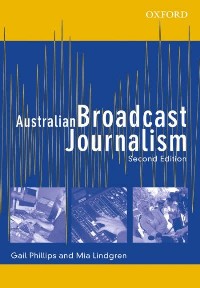
"The book examines the way that broadcast journalists must continually adapt their practice in today's convergent, multiple-media working environment. Radio is the starting point, and students are introduced to basic craft skills in the context of news, feature, and live talk radio production. Students are then shown how these skills are adapted to and applied in television and online journalism."--BOOK JACKET.
目录
Table Of Contents:
Preface xiii
Abbreviations xvi
Part I Radio, Television, and the Web in Australia
Radio in Australia 3(11)
A short history 3(5)
Commercial radio 4(2)
Community radio 6(1)
The public broadcasters 6(2)
Regulating radio 8(6)
So what is the situation today? 9(5)
Television in Australia 14(7)
Commercial television 14(3)
The 1970s 15(1)
The 1980s 15(1)
The 1990s 16(1)
The 2000s 16(1)
Public broadcasting 17(1)
Community television 17(1)
Challenges for television 17(4)
Australia Online 21(10)
The new media structures 22(2)
Ownership tensions 22(1)
Cultural tensions 23(1)
Regulatory tensions 23(1)
What lies ahead? 24(2)
Are we seeing the slow death of `broadcasting'? 24(2)
The liberated audience 26(1)
The Web and news broadcasting 27(4)
Content production on the Web 27(4)
Part II Radio Craft Skills
Using the Voice 31(10)
The mechanics of the voice 33(1)
Breathing 34(1)
Posture 34(1)
Articulation 34(1)
Using the voice for meaning 34(3)
Understanding your script 35(1)
Concentration 35(1)
Pace 35(1)
Stress 36(1)
Tone 36(1)
Pitch 36(1)
Breathing 36(1)
Pauses 37(1)
Talking into the microphone 37(1)
Keeping your voice in trim 37(4)
Writing for Radio 41(10)
The characteristics of a radio script 42(3)
Style 42(1)
Content 43(1)
Format 43(1)
Structure 43(2)
Types of radio scripts 45(3)
Link or lead-in 45(1)
Story intro 46(1)
Outro or back announce 46(1)
Live liner 46(1)
News copy 47(1)
Promo copy 47(1)
Voice reports 47(1)
Commentaries and longer pieces 47(1)
Writing the radio script 48(3)
Writing for yourself 48(1)
Writing for someone else 48(1)
Writing tips 48(3)
Interviewing 51(14)
What is the interview? 53(1)
Why do an interview? 54(1)
Who is the interview for? 54(1)
The technique of the interview 54(11)
Style 55(1)
Preparation 56(3)
Control 59(3)
Vox pops 62(3)
Working with Sound 65(22)
What is sound? 67(2)
Position 68(1)
Location 68(1)
Echo and reverb 68(1)
Stereo 68(1)
The live broadcast studio 69(4)
The on-air console 69(2)
The microphone 71(1)
Operational skills 71(1)
Live studio checklist 72(1)
Location recording 73(8)
Recording equipment 74(1)
Microphones 75(1)
Pros and cons of different microphones 76(5)
Location recording checklist 81(1)
The edit suite 81(6)
Edit suite components 81(1)
Operational skills 82(1)
Stereo 83(1)
Edit suite checklist 83(4)
Part III Radio Production Formats
The Radio Story 87(22)
Story planning 90(5)
Selecting your story 90(1)
Selecting the angle 90(2)
Doing your research 92(1)
Selecting your talent 92(1)
Selecting your sound 92(1)
Making your plan 93(2)
Collecting story material 95(2)
Doing the interview 95(1)
Collecting location sound ('actuality') 96(1)
Selecting music and sound effects 97(1)
Assembling the story 97(7)
Assemble your material 98(1)
Log your material 98(2)
Do a rough edit 100(1)
Do the fine edit 101(1)
Finalise the script 101(2)
Mix music and sound effects 103(1)
Journalistic challenges in radio story production 104(5)
Legal dilemmas 104(1)
Ethical dilemmas 105(4)
Radio Ads and Promos 109(8)
Selecting the story and angle 111(1)
Selecting the sound 112(1)
Writing the copy 112(2)
Preparing your plan 114(1)
Recording your sound 114(1)
Assembling your material 114(3)
Do a rough edit 115(1)
Do the fine edit 115(1)
Mix music and sound effects 115(1)
Technical enhancements 116(1)
Live Radio 117(40)
The live radio program 118(14)
The radio audience 119(1)
The radio station menu 120(1)
The radio day 121(1)
Program ingredients 122(2)
The radio clock 124(2)
Programming tactics 126(2)
Program style 128(1)
Doing talkback 129(3)
The production team 132(16)
The presenter 133(3)
The presenter's skills 136(4)
The producer 140(5)
The producer's skills 145(3)
Journalistic challenges in live radio 148(9)
Legal dilemmas 149(1)
Ethical dilemmas 150(7)
Part IV Radio and Television News
Broadcast News 157(24)
Setting the news agenda 158(1)
The impact of the individual 158(1)
The impact of the institution 158(1)
What is `news'? 159(4)
News values 159(3)
The five 'Ws' and the 'H' 162(1)
Finding news 163(8)
News sources 163(6)
Spot news 169(1)
The Internet as a tool and resource 170(1)
The broadcast newsroom 171(3)
Who does what in the newsroom? 173(1)
The broadcast news reporter 174(7)
The skills 174(7)
The Radio News Reporter 181(19)
Planning a radio news story 183(4)
The angle 183(1)
Research and background knowledge 184(1)
Finding talent 185(1)
Briefing the talent 186(1)
Doing the interview 186(1)
Filing stories 187(1)
Radio news story structure 187(5)
Voice 187(1)
Actuality 188(1)
Format 188(2)
Multi-versioning 190(2)
Balance 192(1)
Radio news scripting 192(4)
Script layout 194(2)
Current affairs 196(1)
Technical skills for radio reporters 197(3)
The Television News Reporter 200(34)
Planning a television news story 201(8)
The angle 204(1)
Doing the research 205(1)
Finding talent 205(1)
Briefing the talent 206(1)
Doing the interview 207(1)
Knowing what you need 208(1)
Briefing the team 208(1)
The TV news story 209(6)
Story formats 210(1)
Piece to camera (PTC) 210(2)
Building blocks 212(1)
Structure 212(1)
Building the story 213(2)
Scripting for television news 215(2)
Script layout 216(1)
Getting the pictures 217(5)
Camera shots 218(2)
Using overlays 220(1)
File vision 221(1)
Preparing for editing 222(1)
The editing process 222(4)
Sequence 223(2)
Non-linear editing 225(1)
Cutting and mixing 226(1)
Putting it all into practice 226(6)
Storyboard of 'Xmas Party Blitz' story 228(4)
Television journalists and the law 232(2)
Court reporting 232(1)
Using file vision and general shots 232(1)
Permission to film 232(2)
News Bulletins 234(15)
News bulletin formats 234(4)
Structure 234(1)
Content 235(2)
Running order 237(1)
Radio news bulletins 238(4)
Technical skills for radio newsreaders 238(1)
The radio newsreader 239(3)
Television news bulletins 242(7)
Technical skills for television newsreaders 243(1)
The television newsreader 244(5)
Part V Working on the Web
The Online Reporter 249(26)
The broadcast media online 249(8)
The online audience 250(1)
Characteristics of online broadcast media 251(2)
The online reporter 253(3)
Web reporting skills 256(1)
Producing content for the Web 257(5)
Editorial issues 258(1)
Reporting issues 259(2)
Managing the web site 261(1)
Technical aspects of the web site 261(1)
The mixed media newsroom 262(4)
The Age Online 263(1)
ABC Online 263(3)
A day in the life of an online news story 266(2)
Future challenges for Web reporters 268(2)
Law and ethics for Web reporters 270(5)
Legal issues 270(1)
Ethics 271(4)
Part VI A Broadcast Journalist's Guide to Law and Ethics
Broadcast Journalists and the Law 275(14)
Defamation 276(6)
What is defamation? 276(1)
Types of defamation 277(1)
Who can be defamed? 277(1)
Defamation and the law 277(1)
Who can be sued when things go wrong? 277(1)
What are the remedies for defamation? 278(1)
Is there any defence for the journalist? 278(4)
Preventive measures 282(1)
Contempt 282(4)
What is contempt? 283(1)
Sub judice rules 283(1)
Other reporting restrictions 284(1)
Interference with administration of justice 284(1)
Disobedience contempt 285(1)
Copyright 286(1)
When can you use material without permission? 286(1)
When do you need to seek permission? 287(1)
How do you get permission? 287(1)
Defensive journalism and the importance of note-taking 287(2)
Broadcast Journalists and Ethics 289(17)
Do ethics matter? 290(1)
Broadcasting codes of ethics 291(8)
The MEAA Code of Ethics 291(3)
The CBAA Codes of Practice 294(1)
The ABC Code of Practice and editorial policies 295(1)
The SBS Code of Practice 296(1)
The codes of practice for commercial radio 297(1)
The codes of practice for commercial television 298(1)
Ethics online 299(1)
Content 300(1)
Editorial control 300(1)
Avoiding discrimination---protocols for journalists 300(6)
Story selection 301(1)
Use of language 301(5)
Regulations and Codes of Practice 306(31)
Community sector 306(5)
Community Broadcasting Codes of Practice (Radio, revised 2002)---extracts 306(3)
Community Television Code of Practice (registered with the ABA, September 2004) 309(2)
Public broadcasting sector 311(13)
The ABC Code of Practice (updated July 2004)---extracts 311(3)
ABC Editorial Policies---extracts 314(4)
SBS Codes of Practice (revised 2002, covering all media)---extracts 318(6)
Commercial sector 324(13)
Commercial Radio Codes of Practice and guidelines (registered with the ABA, September 2004)---extracts 324(3)
Guidelines on the Portrayal of Indigenous Australians on Commercial Radio 327(1)
Guidelines and Explanatory Notes on the Portrayal of Women on Commercial Radio 328(2)
Guidelines on the Portayal of Suicide and Mental Illness on Commercial Radio 330(2)
ABA Broadcasting Services Standards 2000 332(1)
Code of Practice for Commercial Television (registered with the ABA July 2004)---extracts 332(5)
Glossary 337(10)
Bibliography 347(8)
Index 355(8)
CD Track List 363
Preface xiii
Abbreviations xvi
Part I Radio, Television, and the Web in Australia
Radio in Australia 3(11)
A short history 3(5)
Commercial radio 4(2)
Community radio 6(1)
The public broadcasters 6(2)
Regulating radio 8(6)
So what is the situation today? 9(5)
Television in Australia 14(7)
Commercial television 14(3)
The 1970s 15(1)
The 1980s 15(1)
The 1990s 16(1)
The 2000s 16(1)
Public broadcasting 17(1)
Community television 17(1)
Challenges for television 17(4)
Australia Online 21(10)
The new media structures 22(2)
Ownership tensions 22(1)
Cultural tensions 23(1)
Regulatory tensions 23(1)
What lies ahead? 24(2)
Are we seeing the slow death of `broadcasting'? 24(2)
The liberated audience 26(1)
The Web and news broadcasting 27(4)
Content production on the Web 27(4)
Part II Radio Craft Skills
Using the Voice 31(10)
The mechanics of the voice 33(1)
Breathing 34(1)
Posture 34(1)
Articulation 34(1)
Using the voice for meaning 34(3)
Understanding your script 35(1)
Concentration 35(1)
Pace 35(1)
Stress 36(1)
Tone 36(1)
Pitch 36(1)
Breathing 36(1)
Pauses 37(1)
Talking into the microphone 37(1)
Keeping your voice in trim 37(4)
Writing for Radio 41(10)
The characteristics of a radio script 42(3)
Style 42(1)
Content 43(1)
Format 43(1)
Structure 43(2)
Types of radio scripts 45(3)
Link or lead-in 45(1)
Story intro 46(1)
Outro or back announce 46(1)
Live liner 46(1)
News copy 47(1)
Promo copy 47(1)
Voice reports 47(1)
Commentaries and longer pieces 47(1)
Writing the radio script 48(3)
Writing for yourself 48(1)
Writing for someone else 48(1)
Writing tips 48(3)
Interviewing 51(14)
What is the interview? 53(1)
Why do an interview? 54(1)
Who is the interview for? 54(1)
The technique of the interview 54(11)
Style 55(1)
Preparation 56(3)
Control 59(3)
Vox pops 62(3)
Working with Sound 65(22)
What is sound? 67(2)
Position 68(1)
Location 68(1)
Echo and reverb 68(1)
Stereo 68(1)
The live broadcast studio 69(4)
The on-air console 69(2)
The microphone 71(1)
Operational skills 71(1)
Live studio checklist 72(1)
Location recording 73(8)
Recording equipment 74(1)
Microphones 75(1)
Pros and cons of different microphones 76(5)
Location recording checklist 81(1)
The edit suite 81(6)
Edit suite components 81(1)
Operational skills 82(1)
Stereo 83(1)
Edit suite checklist 83(4)
Part III Radio Production Formats
The Radio Story 87(22)
Story planning 90(5)
Selecting your story 90(1)
Selecting the angle 90(2)
Doing your research 92(1)
Selecting your talent 92(1)
Selecting your sound 92(1)
Making your plan 93(2)
Collecting story material 95(2)
Doing the interview 95(1)
Collecting location sound ('actuality') 96(1)
Selecting music and sound effects 97(1)
Assembling the story 97(7)
Assemble your material 98(1)
Log your material 98(2)
Do a rough edit 100(1)
Do the fine edit 101(1)
Finalise the script 101(2)
Mix music and sound effects 103(1)
Journalistic challenges in radio story production 104(5)
Legal dilemmas 104(1)
Ethical dilemmas 105(4)
Radio Ads and Promos 109(8)
Selecting the story and angle 111(1)
Selecting the sound 112(1)
Writing the copy 112(2)
Preparing your plan 114(1)
Recording your sound 114(1)
Assembling your material 114(3)
Do a rough edit 115(1)
Do the fine edit 115(1)
Mix music and sound effects 115(1)
Technical enhancements 116(1)
Live Radio 117(40)
The live radio program 118(14)
The radio audience 119(1)
The radio station menu 120(1)
The radio day 121(1)
Program ingredients 122(2)
The radio clock 124(2)
Programming tactics 126(2)
Program style 128(1)
Doing talkback 129(3)
The production team 132(16)
The presenter 133(3)
The presenter's skills 136(4)
The producer 140(5)
The producer's skills 145(3)
Journalistic challenges in live radio 148(9)
Legal dilemmas 149(1)
Ethical dilemmas 150(7)
Part IV Radio and Television News
Broadcast News 157(24)
Setting the news agenda 158(1)
The impact of the individual 158(1)
The impact of the institution 158(1)
What is `news'? 159(4)
News values 159(3)
The five 'Ws' and the 'H' 162(1)
Finding news 163(8)
News sources 163(6)
Spot news 169(1)
The Internet as a tool and resource 170(1)
The broadcast newsroom 171(3)
Who does what in the newsroom? 173(1)
The broadcast news reporter 174(7)
The skills 174(7)
The Radio News Reporter 181(19)
Planning a radio news story 183(4)
The angle 183(1)
Research and background knowledge 184(1)
Finding talent 185(1)
Briefing the talent 186(1)
Doing the interview 186(1)
Filing stories 187(1)
Radio news story structure 187(5)
Voice 187(1)
Actuality 188(1)
Format 188(2)
Multi-versioning 190(2)
Balance 192(1)
Radio news scripting 192(4)
Script layout 194(2)
Current affairs 196(1)
Technical skills for radio reporters 197(3)
The Television News Reporter 200(34)
Planning a television news story 201(8)
The angle 204(1)
Doing the research 205(1)
Finding talent 205(1)
Briefing the talent 206(1)
Doing the interview 207(1)
Knowing what you need 208(1)
Briefing the team 208(1)
The TV news story 209(6)
Story formats 210(1)
Piece to camera (PTC) 210(2)
Building blocks 212(1)
Structure 212(1)
Building the story 213(2)
Scripting for television news 215(2)
Script layout 216(1)
Getting the pictures 217(5)
Camera shots 218(2)
Using overlays 220(1)
File vision 221(1)
Preparing for editing 222(1)
The editing process 222(4)
Sequence 223(2)
Non-linear editing 225(1)
Cutting and mixing 226(1)
Putting it all into practice 226(6)
Storyboard of 'Xmas Party Blitz' story 228(4)
Television journalists and the law 232(2)
Court reporting 232(1)
Using file vision and general shots 232(1)
Permission to film 232(2)
News Bulletins 234(15)
News bulletin formats 234(4)
Structure 234(1)
Content 235(2)
Running order 237(1)
Radio news bulletins 238(4)
Technical skills for radio newsreaders 238(1)
The radio newsreader 239(3)
Television news bulletins 242(7)
Technical skills for television newsreaders 243(1)
The television newsreader 244(5)
Part V Working on the Web
The Online Reporter 249(26)
The broadcast media online 249(8)
The online audience 250(1)
Characteristics of online broadcast media 251(2)
The online reporter 253(3)
Web reporting skills 256(1)
Producing content for the Web 257(5)
Editorial issues 258(1)
Reporting issues 259(2)
Managing the web site 261(1)
Technical aspects of the web site 261(1)
The mixed media newsroom 262(4)
The Age Online 263(1)
ABC Online 263(3)
A day in the life of an online news story 266(2)
Future challenges for Web reporters 268(2)
Law and ethics for Web reporters 270(5)
Legal issues 270(1)
Ethics 271(4)
Part VI A Broadcast Journalist's Guide to Law and Ethics
Broadcast Journalists and the Law 275(14)
Defamation 276(6)
What is defamation? 276(1)
Types of defamation 277(1)
Who can be defamed? 277(1)
Defamation and the law 277(1)
Who can be sued when things go wrong? 277(1)
What are the remedies for defamation? 278(1)
Is there any defence for the journalist? 278(4)
Preventive measures 282(1)
Contempt 282(4)
What is contempt? 283(1)
Sub judice rules 283(1)
Other reporting restrictions 284(1)
Interference with administration of justice 284(1)
Disobedience contempt 285(1)
Copyright 286(1)
When can you use material without permission? 286(1)
When do you need to seek permission? 287(1)
How do you get permission? 287(1)
Defensive journalism and the importance of note-taking 287(2)
Broadcast Journalists and Ethics 289(17)
Do ethics matter? 290(1)
Broadcasting codes of ethics 291(8)
The MEAA Code of Ethics 291(3)
The CBAA Codes of Practice 294(1)
The ABC Code of Practice and editorial policies 295(1)
The SBS Code of Practice 296(1)
The codes of practice for commercial radio 297(1)
The codes of practice for commercial television 298(1)
Ethics online 299(1)
Content 300(1)
Editorial control 300(1)
Avoiding discrimination---protocols for journalists 300(6)
Story selection 301(1)
Use of language 301(5)
Regulations and Codes of Practice 306(31)
Community sector 306(5)
Community Broadcasting Codes of Practice (Radio, revised 2002)---extracts 306(3)
Community Television Code of Practice (registered with the ABA, September 2004) 309(2)
Public broadcasting sector 311(13)
The ABC Code of Practice (updated July 2004)---extracts 311(3)
ABC Editorial Policies---extracts 314(4)
SBS Codes of Practice (revised 2002, covering all media)---extracts 318(6)
Commercial sector 324(13)
Commercial Radio Codes of Practice and guidelines (registered with the ABA, September 2004)---extracts 324(3)
Guidelines on the Portrayal of Indigenous Australians on Commercial Radio 327(1)
Guidelines and Explanatory Notes on the Portrayal of Women on Commercial Radio 328(2)
Guidelines on the Portayal of Suicide and Mental Illness on Commercial Radio 330(2)
ABA Broadcasting Services Standards 2000 332(1)
Code of Practice for Commercial Television (registered with the ABA July 2004)---extracts 332(5)
Glossary 337(10)
Bibliography 347(8)
Index 355(8)
CD Track List 363
- 名称
- 类型
- 大小
光盘服务联系方式: 020-38250260 客服QQ:4006604884
云图客服:
用户发送的提问,这种方式就需要有位在线客服来回答用户的问题,这种 就属于对话式的,问题是这种提问是否需要用户登录才能提问
Video Player
×
Audio Player
×
pdf Player
×
亲爱的云图用户,
光盘内的文件都可以直接点击浏览哦
无需下载,在线查阅资料!
