

简介
Summary:
Publisher Summary 1
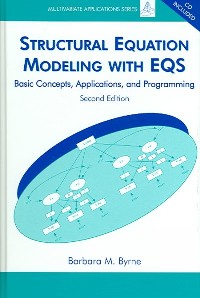
Researchers and students who want a less mathematical alternative to the EQS manual will find exactly what they're looking for in this practical text. Written specifically for those with little to no knowledge of structural equation modeling (SEM) or EQS, the author's goal is to provide a non-mathematical introduction to the basic concepts of SEM by applying these principles to EQS, Version 6.1. The book clearly demonstrates a wide variety of SEM/EQS applications that include confirmatory factor analytic and full latent variable models. Analyses are based on a wide variety of data representing single and multiple-group models; these include data that are normal/non-normal, complete/incomplete, and continuous/categorical.
Written in a "user-friendly" style, the author "walks" the reader through the varied steps involved in the process of testing SEM models. These include model specification and estimation, assessment of model fit, description of EQS output, and interpretation of findings. Each of the book's applications is accompanied by: a statement of the hypothesis being tested, a schematic representation of the model, explanations and interpretations of the related EQS input and output files, tips on how to use the associated pull-down menus and icons, and the data file upon which the application is based. Beginning with an overview of the basic concepts of SEM and the EQS program, the book carefully works through applications starting with relatively simple single group analyses, through to more advanced applications, such as a multi-group, latent growth curve, and multilevel modeling.
The new edition features:
*Many new applications that include a latent growth curve model, a multilevel model, a second-order model based on categorical data, a missing data multigroup model based on the EM algorithm, and the testing for latent mean differences related to a higher-order model.
*A CD enclosed with the book that includes all application data.
*Vignettes illustrating procedural and/or data management tasks using a Windows interface.
*Description of how to build models both interactively using the BUILDULEQ interface and graphically using the EQS Diagrammer.
Publisher Summary 2
This practical volume is intended for researchers and students who want a less technical alternative to the EQS manual.
目录
Preface and Acknowledgments p. ix
Introduction
Structural Equation Models: The Basics p. 3
Basic Concepts p. 4
The General Structural Equation Model p. 9
The General EQS Structural Equation Model p. 14
Using the EQS Program p. 18
Components of the EQS Input File p. 19
The Concept of Model Identification p. 30
Creating the EQS Input File p. 37
Building an Input File Manually p. 36
Building an Input File Interactively Using BUILD_EQS p. 38
Building an Input File Graphically Using the DIAGRAMMER p. 48
The EQS Output File in General p. 71
EQS Error Messages p. 73
Overview of Remaining Chapters p. 74
Single-Group Analyses
Application 1: Testing for the Factorial Validity of a Theoretical Construct (First-Order CFA Model) p. 77
The Hypothesized Model p. 78
The EQS Input File p. 82
The EQS Output File p. 86
Model Specification and Analysis Summary p. 87
Model Assessment p. 89
Model Misspecification p. 108
Post Hoc Analyses p. 112
Application 2: Testing for the Factorial Validity of Scores From a Measuring Instrument (First-Order CFA Model) p. 118
The Hypothesized Model p. 119
The EQS Input File p. 127
The EQS Output File p. 129
Post Hoc Analyses p. 137
Application 3: Testing for the Factorial Validity of Scores From a Measuring Instrument (Second-Order CFA Model) p. 158
The Hypothesized Model p. 159
Analysis of Categorical Data p. 163
Categorical Variables Analyzed as Continuous Variables p. 163
Categorical Variables Analyzed as Categorical Variables p. 164
Analyses Based on Data Regarded as Categorical p. 167
The EQS Input File p. 167
The EQS Output File p. 170
Post Hoc Analyses p. 176
Analyses Based on Data Regarded as Continuous p. 179
The EQS Output File p. 179
Application 4: Testing for the Validity of a Causal Structure p. 186
The Hypothesized Model p. 186
Formulation of Indicator Variables p. 188
Confirmatory Factor Analyses p. 189
The EQS Input File p. 191
The EQS Output File p. 199
Post Hoc Analyses p. 205
Multiple-Group Analyses
Application 5: Testing for the Factorial Invariance of a Measuring Instrument p. 225
Testing for Multigroup Invariance p. 226
Testing for Invariance Across Independent Samples p. 228
The Hypothesized Model p. 228
The EQS Input File p. 234
The EQS Output File p. 237
Other Considerations in Testing for Multiple Group Invariance p. 245
Application 6: Testing for the Invariance of a Causal Structure p. 250
Cross-Validation in SEM p. 250
Testing for Invariance Across Calibration/Validation Samples p. 252
The Hypothesized Model p. 253
The EQS Input File p. 253
The EQS Output File p. 259
Application 7: Testing for Latent Mean Differences (First-Order CFA Model) p. 261
Basic Concepts Underlying Tests of Latent Mean Structures p. 262
Modeling Mean Structures in EQS p. 263
Testing for Latent Mean Differences of a First-Order CFA Model p. 267
The Strategy p. 267
The Hypothesized Model p. 267
The EQS Input File p. 274
The EQS Output File p. 277
Application 8: Testing for Latent Mean Differences (Second-Order CFA Model) p. 293
Testing for Latent Mean Differences of a Second-Order Model p. 294
The Strategy p. 294
The Hypothesized Model p. 294
Other Important Topics
Application 9: Testing for Construct Validity: The Multitrait-Multimethod Model p. 325
The General CFA Approach to MTMM Analyses p. 330
The Hypothesized Model p. 330
The EQS Input File p. 332
The EQS Output File p. 332
The Correlated Uniqueness Approach to MTMM Analyses p. 344
The Hypothesized Model p. 346
The EQS Input File p. 348
The EQS Output File p. 348
Application 10: Testing for Change Over Time: The Latent Growth Curve Model p. 352
Measuring Change in Individual Growth Over Time: The General Notion p. 354
The Hypothesized Model p. 354
Modeling Intraindividual Change p. 354
Modeling Inter-individual Differences in Change p. 358
Testing for Inter-individual Differences in Change p. 359
The EQS Input File p. 362
The EQS Output File p. 362
Gender as a Time-Invariant Predictor of Change p. 370
The EQS Input File p. 373
The EQS Output File p. 373
Application 11: Testing for Within- and Between-Level Variance: The Multilevel Model p. 376
Overview of Multilevel Modeling p. 377
Single-Level Analyses of Hierarchically Structured Data: Related Problems p. 377
Multiple Level Analyses of Hierarchically Structured Data: Multilevel Modeling p. 378
The Hypothesized Model p. 379
The EQS Input File p. 391
The EQS Output File p. 396
References p. 411
Author Index p. 425
Subject Index p. 429
Introduction
Structural Equation Models: The Basics p. 3
Basic Concepts p. 4
The General Structural Equation Model p. 9
The General EQS Structural Equation Model p. 14
Using the EQS Program p. 18
Components of the EQS Input File p. 19
The Concept of Model Identification p. 30
Creating the EQS Input File p. 37
Building an Input File Manually p. 36
Building an Input File Interactively Using BUILD_EQS p. 38
Building an Input File Graphically Using the DIAGRAMMER p. 48
The EQS Output File in General p. 71
EQS Error Messages p. 73
Overview of Remaining Chapters p. 74
Single-Group Analyses
Application 1: Testing for the Factorial Validity of a Theoretical Construct (First-Order CFA Model) p. 77
The Hypothesized Model p. 78
The EQS Input File p. 82
The EQS Output File p. 86
Model Specification and Analysis Summary p. 87
Model Assessment p. 89
Model Misspecification p. 108
Post Hoc Analyses p. 112
Application 2: Testing for the Factorial Validity of Scores From a Measuring Instrument (First-Order CFA Model) p. 118
The Hypothesized Model p. 119
The EQS Input File p. 127
The EQS Output File p. 129
Post Hoc Analyses p. 137
Application 3: Testing for the Factorial Validity of Scores From a Measuring Instrument (Second-Order CFA Model) p. 158
The Hypothesized Model p. 159
Analysis of Categorical Data p. 163
Categorical Variables Analyzed as Continuous Variables p. 163
Categorical Variables Analyzed as Categorical Variables p. 164
Analyses Based on Data Regarded as Categorical p. 167
The EQS Input File p. 167
The EQS Output File p. 170
Post Hoc Analyses p. 176
Analyses Based on Data Regarded as Continuous p. 179
The EQS Output File p. 179
Application 4: Testing for the Validity of a Causal Structure p. 186
The Hypothesized Model p. 186
Formulation of Indicator Variables p. 188
Confirmatory Factor Analyses p. 189
The EQS Input File p. 191
The EQS Output File p. 199
Post Hoc Analyses p. 205
Multiple-Group Analyses
Application 5: Testing for the Factorial Invariance of a Measuring Instrument p. 225
Testing for Multigroup Invariance p. 226
Testing for Invariance Across Independent Samples p. 228
The Hypothesized Model p. 228
The EQS Input File p. 234
The EQS Output File p. 237
Other Considerations in Testing for Multiple Group Invariance p. 245
Application 6: Testing for the Invariance of a Causal Structure p. 250
Cross-Validation in SEM p. 250
Testing for Invariance Across Calibration/Validation Samples p. 252
The Hypothesized Model p. 253
The EQS Input File p. 253
The EQS Output File p. 259
Application 7: Testing for Latent Mean Differences (First-Order CFA Model) p. 261
Basic Concepts Underlying Tests of Latent Mean Structures p. 262
Modeling Mean Structures in EQS p. 263
Testing for Latent Mean Differences of a First-Order CFA Model p. 267
The Strategy p. 267
The Hypothesized Model p. 267
The EQS Input File p. 274
The EQS Output File p. 277
Application 8: Testing for Latent Mean Differences (Second-Order CFA Model) p. 293
Testing for Latent Mean Differences of a Second-Order Model p. 294
The Strategy p. 294
The Hypothesized Model p. 294
Other Important Topics
Application 9: Testing for Construct Validity: The Multitrait-Multimethod Model p. 325
The General CFA Approach to MTMM Analyses p. 330
The Hypothesized Model p. 330
The EQS Input File p. 332
The EQS Output File p. 332
The Correlated Uniqueness Approach to MTMM Analyses p. 344
The Hypothesized Model p. 346
The EQS Input File p. 348
The EQS Output File p. 348
Application 10: Testing for Change Over Time: The Latent Growth Curve Model p. 352
Measuring Change in Individual Growth Over Time: The General Notion p. 354
The Hypothesized Model p. 354
Modeling Intraindividual Change p. 354
Modeling Inter-individual Differences in Change p. 358
Testing for Inter-individual Differences in Change p. 359
The EQS Input File p. 362
The EQS Output File p. 362
Gender as a Time-Invariant Predictor of Change p. 370
The EQS Input File p. 373
The EQS Output File p. 373
Application 11: Testing for Within- and Between-Level Variance: The Multilevel Model p. 376
Overview of Multilevel Modeling p. 377
Single-Level Analyses of Hierarchically Structured Data: Related Problems p. 377
Multiple Level Analyses of Hierarchically Structured Data: Multilevel Modeling p. 378
The Hypothesized Model p. 379
The EQS Input File p. 391
The EQS Output File p. 396
References p. 411
Author Index p. 425
Subject Index p. 429
- 名称
- 类型
- 大小
光盘服务联系方式: 020-38250260 客服QQ:4006604884
云图客服:
用户发送的提问,这种方式就需要有位在线客服来回答用户的问题,这种 就属于对话式的,问题是这种提问是否需要用户登录才能提问
Video Player
×
Audio Player
×
pdf Player
×
亲爱的云图用户,
光盘内的文件都可以直接点击浏览哦
无需下载,在线查阅资料!
