李氏学乐录/(清)李塨著.律吕新论
作者: (清)江永撰
出版社:中华书局,1985
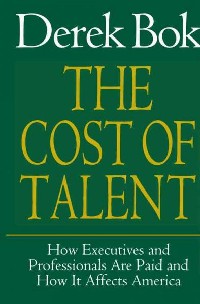
简介:The continuing uproar over top executive pay packages in American companies calls attention to an even larger and more important issue: in general, do we compensate highly educated people in the United States in ways that serve the best interests of the nation? Are some people paid toomuch and others too little? What effect do differences in earnings have on the career choices of the talented? Do wepay executives and professionals in ways that motivate them to work hard at the right things?
In the most revealing study yet undertaken of compensationpractices in the fields of business, law, medicine, highereducation, teaching, and government, Derek Bok, renowned for his extensive writings on professional ethics, law, and labor relations, argues persuasively that the compensation paid to top executives, lawyers, and doctors cannot be justified, nor is there evidence that huge bonuses and other financial incentives motivate them to dobetter work. Moreover, Bok asserts, the lucrative rewards of Wall Street, the elite law firms, and the medical specialties act as a magnet to deprive poorly paid but vitally important teaching and public service professions of desperately needed talent.
Bok argues that as our economy becomes more complex, the demand for able, highly educated people increases constantly and takes on greater and greater importance. Losing our most talented individuals to the lure of high compensation will affect the very nature of health care, the progress of the economy, the effectiveness of public policy, the pursuit of justice, and the quality of education in America. President Clinton's tax proposals tocurb excessive executive pay now before Congress are only a first step toward reform. Bok concludes that as we entera new period of national development, we must rethink our deepest values, motivations, and priorities - reflected inour compensation practices - in order to better serve America's long-term interests.