共找到 38 项 “Orhan” 相关结果
- 全部分类
- 全部
- 文学
- 历史
- 哲学/宗教
- 法律
- 政治/社会
- 医学
- 教育/心理学
- 艺术/传媒
- 研究生考试
- 资格认证考试
- 公开课
- 语言
- 经济金融
- 管理学
- IT/计算机
- 自然科学
- 工学/工程
- 体育
- 行业资料
- 音乐
- 汽车机械制造
- 文档模板
- 创业
- 农学
- 生活
- 数据库教程
- 民族
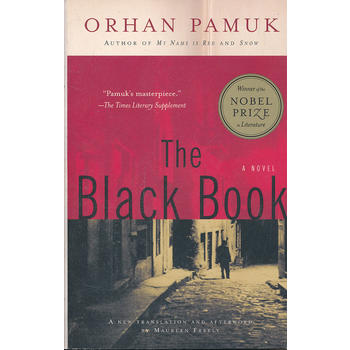
作者: Orhan
简介:
A New Translation and Afterword by Maureen Freely
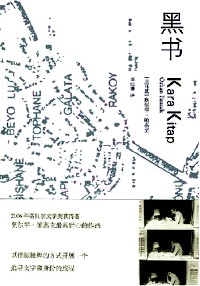
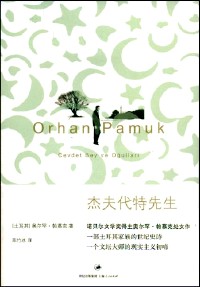
Galip is a lawyer living in Istanbul. His wife, the detectivenovel–loving Ruya, has disappeared. Could she have left him for herex-husband or Cel?l, a popular newspaper columnist? But Cel?l, too,seems to have vanished. As Galip investigates, he finds himselfassuming the enviable Cel?l's identity, wearing his clothes,answering his phone calls, even writing his columns. Galip pursuesevery conceivable clue, but the nature of the mystery keepschanging, and when he receives a death threat, he begins to fearthe worst.
With its cascade of beguiling stories about Istanbul, The BlackBook is a brilliantly unconventional mystery, and a provocativemeditation on identity. For Turkish literary readers it is thecherished cult novel in which Orhan Pamuk found his original voice,but it has largely been neglected by English-language readers. Now,in Maureen Freely’s beautiful new translation, they, too, mayencounter all its riches.
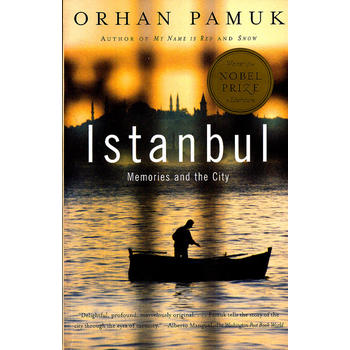
作者: Orhan
简介:
A shimmering evocation, by turns intimate and panoramic, of oneof the world’s great cities, by its foremost writer. Orhan Pamukwas born in Istanbul and still lives in the family apartmentbuilding where his mother first held him in her arms. His portraitof his city is thus also a self-portrait, refracted by memory andthe melancholy–or hüzün– that allIstanbullus share: the sadness that comes of living amid theruins of a lost empire.
With cinematic fluidity, Pamuk moves from his glamorous, unhappyparents to the gorgeous, decrepit mansions overlooking theBosphorus; from the dawning of his self-consciousness to thewriters and painters–both Turkish and foreign–who would shape hisconsciousness of his city. Like Joyce’s Dublin and Borges’ BuenosAires, Pamuk’s Istanbul is a triumphant encounter of placeand sensibility, beautifully written and immensely moving.
作者: (土)奥尔汗·凯马尔(Orhan Kemal)著;尹婷婷译
出版社:中国国际广播出版社,2011
简介: 奥尔汗·凯马尔的作品之于读者,可以说是百年难遇的珍贵财富。很少有作家能像奥尔汗·凯马尔一样给读者留下如此深刻的印象。同时,奥尔汗·凯马尔也为人们重新获得希望、攫取乐观态度指明了道路。《杰米莱(小人物的故事)》是小人物的故事系列小说中的一种,奥尔汗·凯马尔平实的叙事方式,让《杰米莱》这部作品犹如一幅动人的图画,成为最令人难忘的文学作品之一。
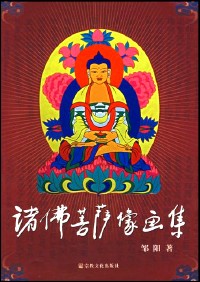
作者: 邹阳著
简介:邹阳书画印心月--选自《诸佛菩萨像画集》 一缕冬日的风拂过,万木悠悠苏醒。 北京香山卧佛寺门前,一棵老树横卧着——心已被岁月掏空,头也被狂风折断,大家都断定它死了,但每年从它的丫缝中又会抽出新芽。 树的真谛告诉我们,只有春、夏、秋、冬,才能检验生命的真相。 触摸香山植物园南门闲情偶寄画室的艺术家邹阳日常山居的生活,在我的生活中已成为熟视无睹的行为符号。触摸能使我们到达我们所盼望到达的那个最遥远的角落,并且最大限度地满足我们想象,使我的目光在时间的联系中,就像树叶对于树木那样亲密、坚定而且柔和的,是邹阳山居生活的状态。邹阳每天以“朋友来了喝好茶”的生命期待居住在城市的边缘将身边的许多人和事放下,每天静静地同博大的自然对话,独对自然询问人世间的是是非非,经过许多尘器侵扰的心灵,陡然回归到这旷古未有的宁静之中,而又知道周围全是绿色的森林,心里似乎也注满了一汪清涟之水,轻盈盈的,如植物园樱桃沟缓缓的溪水缓缓的流淌。 在北京植物园以及香山的幽幽青山中,邹阳的闲情偶寄画室镶嵌在香山这个世外桃源般的仙境世界,在这里邹阳夫妇(洋汐)有机缘被云门禅宗湖北赤壁圆通禅寺心觉老和尚(以光明、自在两佛子)接应皈依佛门禅林新境。他们远离尘器,那颗原本躁动的心蓦地静了下来。邹阳常于画室中结自在坐,微闭双目,参悟禅机。闲暇时,他每每颂念抄写《心经》、《楞严经》、《金刚般若波罗蜜经》、《地藏经》、等多部佛家宝典,细心揣摩释迦文佛开示三界六道众生之甚深微妙法。 在邹阳的画作前我首先要诘问的是,在这些令人无以言说地震憾的画作背后,隐藏着怎样的灵魂?在艺术史里,邹阳是突兀的进入者,是不可定义的。邹阳曾受过正规的专业训练,是个曾做过教师、茶馆老板、圆明园画家的外来者。他的画被浮躁文化颠覆的潮流所背弃。但他没有局促而褊狭的形式感。邹阳把艺术活动当作极富挑战性的生命活动,让满腔热血在画布上挥洒流淌。对邹阳来说,理性可以忽略不计,表达远远大于揭示真理。邹阳在画布上完成了生命,成就为一名艺术的求道者。以一种特殊的手段,不顾一切地表达,直接而强悍,如同天启,显示出了罕有的品质。他作品里的什么元素使他超越了普通的技法、规范和禁忌?面对这些提问,我们只能深入到他的辽阔而又虔诚的灵魂深处,发掘将他引向自在光明之路的激情,寻找邹阳佛教新艺术题材作品的源头。进入到人的灵魂最深处去游历,可以说,邹阳的《佛像典藏》是一种艺术造型,一种灵魂的姿态。如果一个人彻底地看透了世俗生活的虚无性,而又不甘屈服于这种虚无性,偏要将虚无变成意义,他就会不顾一切地去尝试另外一种可能的生活。他会发现,这种生活具有无限的可以变幻的造型。画家邹阳就是这样通过分身术,将艺术生存的内幕一层又一层地向人类揭示的。佛祖赐予艺术家恩惠,让他在活着的时候经历地狱、炼狱与天堂,同时也就赋予了他表现的权利。而表现就是造型。在这种特殊的经历中,艺术家通过那些各不相同的造型的完成,将对灵魂的探讨、认识不断向前推进。 画家“建构”书画的意义在于使这些关系尽可能地趋于和谐,最终使人类的灵魂归家,回到精神的家园中来。古老的智慧或许可以成为现代文化的解毒剂,并给人们指出了一条超越之路:回复感性。至于从哪里上路,尚属未知之域。在邹阳的《佛像典藏》里,隐喻的就是我们踏上感性之域的路标。回复的策略是重建书画与信仰的模式,使书画重返灵魂的根源,使灵魂重建信仰的隐喻世界。返回与重建不是佛家绝圣弃智式的无为,或倒退到古人的思维水平和生活状态,而是通过隐喻思维重新确立我们观察与感受的方式,与世界达到一种新的联系与认同,从而重新确立人与事物、自然的关联,建构一个新的意义世界和精神空间,或者说,一种新的文化模式。 邹阳意识到通过书画艺术的表达,是为了行道“书画与思想创造的人与世界的象征体系,而并不是人与存在的原始统一体”,因而,“书画与思想能否通过隐喻语言——一种古老而本质的思考方式——的复活而挽回这个原始统一体的世界?挽回灵魂的世界和世界的灵魂,挽回灵魂的宗教和宗教的灵魂,恢复存在跟人的本质的关联?并非一种独断式的回答所能够解决的。从世界的内在性和人之境遇及其需要出发,这一切都“只是一种召唤。”这是一种先知般的声音,两千多年前,我们的先人曾发出过这种惊世骇俗的“天问”,而今天沉寂在香山如邹阳的文化艺术家群体面对苍茫的香山和燕赵大地,他们隐遁在时代背后为中国文化的自信和自信的中国文化以殉道者的精神天启这个神秘的大千世界。 只有确立、发现并承认个体的价值与尊严,因此,中国文艺复兴的目标是发现个人,方法不是复古、不是媚外,而是内部发掘外部引进。天地之间,人为尊!只有个人的站立才有中华的真正站立。西方的发展和繁荣,首先要归功于文艺复兴运动,归功于个人的觉醒。中国的落后首先要归因于个人和个体意识长眠不醒。中国需要一场文化风暴,需要一场文艺复兴,需要一场新人文运动来唤醒沉醒的民众!唤醒的目的是为了个体的价值与尊严!创造意义意味着对死亡和虚无的否定,对自然和历史境遇荒诞状态的反抗,维护生命的尊严和权利,这正是宗教与玄学藉以产生的根据,他可能于宇宙本身无有丝毫的撼动、改变,但却足以抚慰脆弱孤寂的心灵。意义的世界是一个彼岸世界,她超然于人类的苦难现实之外,他可能是虚幻的,却又是一个可告慰于人的王国,一种纯洁无暇的美,一个观察者的幻象。对于她的可能性,邹阳通过《佛像典藏》系列佛像书画艺术对此抱有足够的信心:“也许我们可以在旧神的死亡,昔日宗教信仰衰微以后,以书画的经验或本身具有深度的经验,为人的生存找到新的意义。它既非泛神论,也非虚无主义。” 要不你怎么理解邹阳《佛像典藏》的智慧与颤粟:这无限宇宙的永恒沉默使我虔诚! 夜深了,月光如洗。在关了灯的屋子里,点上一只蜡烛。静静地看它燃烧,你会在这温馨柔和的烛光中,看到许多往事和透明的忧伤。记忆的门总是关不住的,在黑暗所照亮的一间屋子里,时间坐在你心上,世界也在你心上变幻。此时放松的你,或静下心来,闭目养神或静思,或静静聆听大自然玄妙的天籁或私语,就像当初我们在胎盘里聆听父母呢喃的絮语,完全溶入羊水一般的氛围里。有人说“在黑暗中思索,人会亮起来”,意大利的现代画家基里科说:“真正有价值的东西是闭着眼睛看到的世界。”这时你该明白如何聆听。中国古代哲人说,芭蕉叶上无愁雨,只是听时人断肠。聆听,需要心境;聆听,使人灵魂升华。在聆听中我们原以为是在学习生活,其实是在学习怎样的新生。 在我一日凌晨的睡梦中,梦邹阳 “在月明星稀,巍峨的大雄宝殿,宝相庄严的过去、现在、未来三世佛注视着娑婆世界的芸芸众生。此刻,信香袅袅,钟磬齐鸣,仿佛在不经意间,邹阳突然进入了空境之中,四周寂然,从极遥远处,传来了像是天籁般清泠的梵呗之声。于是,恍兮忽兮,梦邹阳豁然了悟。悟道的邹阳迥然有别于往昔的心态重归他的艺术之旅,他的心从此与社会和大自然融成一个整体。他坐守闲情偶寄画室,看云飞霞渡,看星斗满天,看人情冷暖,岁月更迭,看得他满眼泪水盈盈;云门文偃禅师云:“人人尽有光明在,看时不见暗昏昏”。而邹阳分明已经看见,这是他禅悟的高处,那么,“流水三万六千尺,月在波心说向谁”?于是,全部身心已融入“无缘大慈,同体大悲”的邹阳拿起画笔,他要把人生的感悟诉诸他视为生命的艺术《佛像典藏》系列佛像书画艺术。 国际友人画评--选自《诸佛菩萨像画集》 邹阳所绘之唐卡,系省略背景之繁杂人物与事物之单独佛像,下笔稳健,着色艳丽,且均为平面,无浓淡渲染,故主题佛像无视觉干扰,观之特别明快,对膜拜之善男信女具特殊感染,诚为艺坛之奇葩。 西班牙国立大学建筑设计师 米格尔.张 二O O七年早春于马德里 Zuo Yang’s work has always been very special to me. When we were in Beijing for the first time one May and discovered Selena (his wife) and his first café venture in Haidian it was like a Chinese jewel in a hutong crown. Everything seemed to work so organically as an artistic whole: café with clambering climbing plants, songbirds in bamboo cages, artwork hanging all over the walls and chairs giving onto the street. We immediately wanted to live in that section of Beijing. Zuo Yang’s work seemed immediately very traditional and also very open to outside influences at the same time. I suppose it was the blend of East meeting West that first attracted me. This was an idiom I instantly understood. When the hutong was bulldozed I felt a terrible loss. It was amazing that they could recreate another such café in another part of Haidian in such a short space of time. These are gentle and generous people. I still treasure a jade dragon belt ornament that Zuo Yang gave me. His fish painting adorns my office in England (although the fish symbolises prosperity, to me it is more like a generosity of spirit). We often had fish and rice with them in their home. I also treasure an early gift of a delicate ink-brush painting of iris flowers that is loosely attached to a bamboo background and hangs in our place in France. The slightly dilapidated quality of this work, together with the ease of the brushstrokes, is what gives it its charm. It reminds me of the beautiful irises in Qing Hua University precincts in the warmth of late Spring and I know I miss China and our friends. Recently – on the birth of their child – we have been sent two more pictures. One of blossom (a reminder of hiking on the Great Wall for me, with all the wild plums in flower) which I know I will frame and hang and another of a Chinese version of ‘mannequin pis’ from Brussels, symbolising the new infant. This is likely to be significant to us, too, but I am not sure when and how. What Zuo Yang (and Selena) have achieved in their cafes and artwork is to marry simplicity with real artistic range and depth, drawing on the best of ancient Chinese and Western art to create a nostalgic fusion. It is not without its modern side, however – abstract and semi-abstract sculptural pieces rubbing shoulders with traditional calligraphy and Western-style caricatures. Their café was always a real hotch-potch, a potpourri, a treasure trove of artwork that we will surely revisit on any return trips to China. We might hope to see them in Europe some day, too. 英国旅行家、文化比较学专家 Ewan george Dow England I first met Selena and Zouyang when I was teaching at Tsinghua University, in 2001. At that time, they ran a tea house in the area between Tsinghua and Bei Da. Zouyang also worked at an art museum, I believe. The area then held the former homes of the Blue Bannermen who had once been guards at the Summer Palace, nearby. Some of the houses were rather grand. Selena’s and Zouyang’s was not grand outside, but very pleasant inside. One visitor said it reminded him of the better sort of village tea house. It was decorated with the portraits of customers which Zouyang had made. They also tried to sponsor intellectual or artistic activities, as well as just selling tea and snacks. There were informal talks by professors on the future of religion in China, calligraphers helping people design handsome signatures – it was a classroom itself, like one of the ancient Greek stoas, although not a formal school. I learned to write my Chinese name in an artistic way from a visiting calligrapher, and still sign all my letters that way. I had many interesting conversations about art, history, and so on. Visiting their tea house was a pleasant break from what was otherwise a difficult year for me. Since then, the Blue Bannerman’s village has gone, turned into modern classrooms and the like. Selena and Zouyang have earned their living in other ways. I have moved from Beijing, sojourning in various cities in China, teaching English and trying to understand China. Selena and Zouyang have been very faithful to stay in touch with me. It has been a touching example of friendship. Zouyang has been quite a busy painter, in a style not quite like anyone else that I know. Modern painting in the West has been moribund for most of the last century, it seems to me. Painters have been more interested in ideas and “shocking the bourgeoisie” than in paintings. Similar things have happened throughout the world. Orhan Pamuk’s recent novel, _Red_, is about how Turkish traditional painters react to modern Western painting, for example. Zouyang has done many Buddhist paintings, in his version of Chinese and Tibetan traditions. But he has not been slavish. His paintings are original, but not hostile to the older tradition. Moreover, he has innovatively put most of them on to the Web, making them visible to people who will never come to Beijing. Now I rejoice that he his putting his work in to a book! A book is semi-immortality. We mortals come and go, living only slightly longer than insects. Web sites are ephemeral, too. But a book lasts, often for centuries. _Vita brevis, ars longa_, as the Roman poet, Horace, put it, “life is short, art is long.” Zouyang’s mind, via his paintings in his book, will be reaching out to other minds for centuries to come. 美国历史考古学家 Lester Ness (郝禹) Kunming China
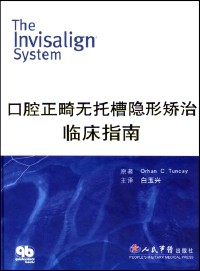
出版社:人民军医出版社,2008
简介:本书主要内容包括:无托槽隐形矫治技术的历史、临床技术、操作规范、应用实例等部分。 无托槽隐形矫治技术是近年来出现的一种新型正畸矫治技术,因其具有美观、舒适、方便、卫生等优点而受到众多正畸医师和患者的关注。本书作者皆是无托槽隐形矫治技术的先行者,他们以多年的临床经验为基础共同编写本书。全书主要内容包括无托槽隐形矫治技术的历史、临床技术、操作规范、应用实例等。 本书内容全面、图文并茂,非常适合口腔正畸医师和学生的临床实践参考之用。
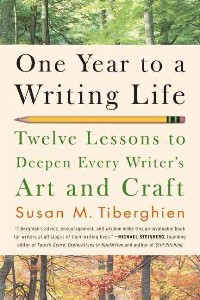
简介:Summary: Publisher Summary 1 From veteran writing instructor Susan M. Tiberghien: An innovative portable workshop to help you build a solid foundation for your writing career Publisher Summary 2 Whether you are a writer of fiction or essays, or want to explore poetry or memoir, Tiberghien’s twelve fundamental lessons will help you discover and develop your own distinct voice. Tiberghien’s inventive exercises focus on the processes unique to each genre, while also offering skills applicable to any kind of writing, from authentic dialogue to masterful short-shorts. With vivid examples from literary masters such as Rainer Maria Rilke, Eduardo Galeano, May Sarton, Terry Tempest Williams, and Orhan Pamuk, One Year to a Writing Life is an essential guidebook of exercises, practical advice, and wisdom for anyone looking to embrace, explore, and implement creativity in everyday life.
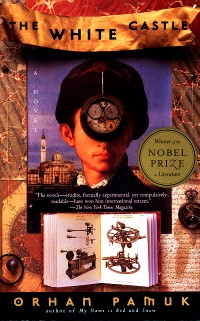
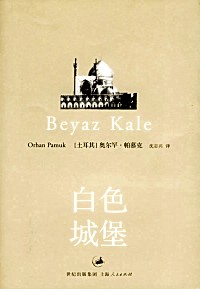
简介: From a Turkish writer who has been compared with Borges, Nabokov, and DeLillo comes a dazzling novel that is at once a captivating work of historical fiction and a sinuous treatise on the enigma of identity and the relations between East and West. In the 17th century, a young Italian scholar sailing from Venice to Naples is taken prisoner and delivered to Constantinople There he falls into the custody of a scholar known as Hoja—"master"—a man who is his exact double. In the years that follow, the slave instructs his master in Western science and technology, from medicine to pyrotechnics. But Hoja wants to know more: why he and his captive are the persons they are and whether, given knowledge of each other's most intimate secrets, they could actually exchange identities. Set in a world of magnificent scholarship and terrifying savagery, The White Castle is a colorful and intricately patterned triumph of the imagination. Translated from the Turkish by Victoria Holbrook. Author Orhan Pamuk wins 2006 Nobel Prize for literature.
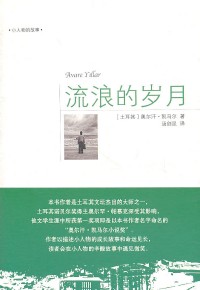
作者: (土)奥尔汗·凯马尔(Orhan Kemal)著;汤剑昆译
出版社:中国国际广播出版社,2011
简介: 《流浪的岁月》是奥尔汗?凯马尔始于《父亲的家园》的《小人物的故事》系列小说的第二部。作者依旧根据自己的生活经历讲述了年轻的主人公在社会压力下,在支离破碎的家庭环境中,放下充满苦难的童年经历,改变观念和命运,为了追求幸福生活而努力挑战的故事。 贫穷和父亲的遭遇让主人公十分沮丧。他从生活了两年的贝鲁特回到在阿达纳的奶奶身边。突然降临的自由,让主人公整日逃学,忙于打短工和踢球。一直在为孙子的将来寻找出路的奶奶,为了把他送到伊斯坦布尔附近小镇上的姑姑那儿,好不容易积攒了一点旅费。年轻人却带着钱和一个朋友充满幻想地逃到伊斯坦布尔,直至处处碰壁无奈回家。必须要告别那些不负责任的日子。他辍学进了一家纺织厂。等待他的是一个各种利益交织的新生活,他开始用另外一种眼光看待世界,并且遇到了爱情…… 虽然有很多困难,但是生活依旧美好……
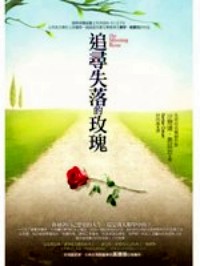
简介:書腰文案 年少時,我們看《小王子》,現在,我們讀《追尋失落的玫瑰》 國際媒體盛譽是土耳其版的《小王子》,半個歐洲的讀者都在看! 版權熱銷40國,土耳其文學史上唯一超越諾貝爾文學獎得主奧罕?帕慕克(Orhan Pamuk)的作品 玫瑰藝術家?古典玫瑰園董事長黃騰輝◎推薦序 Ella(S.H.E.)、余秀芷(知名作家)、林義傑(極地冒險運動家)、郝廣才(格林文化發行人)、徐薇(英文名師)、陳美儒(親子教育家?建中名師)、鄭華娟(知名作家?詞曲創作人)、蝴蝶(暢銷作家)、藤井樹(暢銷作家) 誠摯推薦(以上依姓名筆劃順序) ~給曾有夢想或還有夢想的你,這本書能點燃你心中追尋的勇氣~ 隨書附贈玫瑰藝術家黃騰輝繪製「玫瑰書籤」 封面文案 國際媒體盛譽土耳其版的《小王子》 土耳其文學史上版權唯一超越諾貝爾文學獎得主奧罕?帕慕克的作品 THE MISSING ROSE 追尋失落的玫瑰 全球知名暢銷作家 沙爾達?奧茲坎(Serdar ?zkan)◎著 玫瑰藝術家?古典玫瑰園董事長黃騰輝◎推薦序 林雨蒨◎譯 你過著自己想要的人生,還是別人期望中的? 一位為了掌聲與讚美,不惜犧牲夢想的天之驕女, 因為一個祕密和四封信,前往伊斯坦堡展開奇妙的追尋之旅, 在那裡,有四堂絕無僅有的「聆聽玫瑰」課程正等著她, 而透過這些課程,我們將一同走入深層的自我探索之旅, 進而發現真正的自我與人生的答案。 「這是我這輩子讀過最美麗的故事之一。讀完時,會覺得自己得到了一個禮物。」──克莉絲汀.米蕭(Christine Michaud),加拿大TVA電視節目主持人 封底文案 評論家讚譽是新時代寓言,媲美《小王子》、《牧羊少年奇幻之旅》和《天地一沙鷗》 售出全球40國版權,超越諾貝爾文學獎得主奧罕?帕慕克(Orhan Pamuk),土耳其文學史上NO.1 榮登加拿大外國文學排行榜TOP1,更占據芬蘭、希臘等國暢銷榜! 你的想望與夢想,從不必向外尋求,因為──它一直在你心中。 黛安娜,聰慧過人、年輕貌美,剛從頂尖法學院畢業,大好前程正等著她, 她得到渴求的肯定與讚美,但同時也犧牲掉心中最大的夢想:當一名作家。 本以為就這樣過一生,沒想到母親臨終前說出的祕密,讓她的生活徹底翻覆── 在世界的某個角落,她還有個血緣相繫的孿生姊妹! 自此,黛安娜踏上一段神祕的尋找手足之旅,到達伊斯坦堡一座不可思議的玫瑰園, 在那裡,她將在一名白髮婦人的帶領下,進行四堂絕無僅有的「聆聽玫瑰」課程, 隨著課程的進展,我們可以看到一個本來活在他人目光中的人, 如何脫掉外在的假面具,一步步找到自己真正的價值與夢想, 而跟隨在後的我們,更可以從深富智慧與哲理的對話中,思考並肯定自己價值所在, 進而找到心中那遺忘許久、不再芬芳的玫瑰,使其再度綻放光華…… ◎名人推薦 讀這本書像是在酷熱的沙漠裡喝下一杯甘醇冰茶,透心涼啊!幾乎讓我重新認識了一次自己! ──藤井樹(暢銷作家) 全世界再也沒有哪個人像自己一樣的美好堅強。我們的幸福人生是從不需要外求的,因為「我」一直存在自己心中。──黃騰輝(著名玫瑰藝術家、古典玫瑰園董事長) 如果要說《追尋失落的玫瑰》是一本純哲學書未免太沉重了,可是書中隨手可摭拾的珠璣佳言,卻又充滿奧妙人生哲理。而這般清淡又自具別味的文字,正也是此書迷人之處,它將牽引每位閱讀者,不經心 的找到久違了的真正自己。你可發現心底仍有一朵永不凋零的玫瑰? ──陳美儒(親子教育家?建中名師) ◎各國媒體好評不斷 *「土耳其版的《小王子》,令全世界為之傾倒。」──芬蘭〈赫爾辛基日報〉 *「這是一本現代寓言,深奧且充滿智慧,好似聖艾修伯理的名著《小王子》。」──德國〈德新社〉 *「《追尋失落的玫瑰》是東、西方文化的一道橋樑。」──塞爾維亞暨蒙特內哥羅〈蒙特內哥羅日報〉 *「如果你喜歡《牧羊少年奇幻之旅》或是《小王子》,你一定會愛上《追尋失落的玫瑰》。」──《Time Out雜誌》 *「一個關於尋求和發現真正快樂的故事,精采而激勵人心。」──德國《2000plus雜誌》 *「神話故事般一鳴驚人。」──荷蘭Boek雜誌 *「全球性的大成功。凡是受到《牧羊少年奇幻之旅》、《小王子》和《天地一沙鷗》所感動的人必讀之書。」──斯洛維尼亞《Air Beletrina雜誌》 *「塞爾達.奧茲坎是現代土耳其文學的主要代表人物。」──義大利Moleskine City城市筆記本 *「一個絕美的故事。這本書可說具有讓我們連結在一起的力量。」──加拿大TVA電視台 *「我很喜歡這本書,我熱愛它。在我看來,作者對人性的觀察至為出色。」──加拿大電視節目「你好早安週末」主播吉諾.喬伊納德(Gino Chouinard) *「《追尋失落的玫瑰》是我這輩子讀過最美麗的故事之一。讀完的時候,你會覺得自己得到了一個禮物。我就是這麼感覺的。」──加拿大TVA電視節目主持人克莉絲汀.米蕭(Christine Michaud) ◎國外讀者感動推薦 *我花了兩到三小時便讀完這本書,然後,又從頭開始看一遍。─R.S. *我一口氣花了三小時看完。我這麼快就看完書非常奇特。它就像一本有趣的故事書,格外特別容易吸收,看了15至20頁後,你就不能不繼續看,事實上,為了看這本書,我老公吃披薩,我的兒子必須喝罐頭湯。─O.I. *這本書給予我希望,而我確信每個看過這本書的人感受和我一樣。─A.A. *當我翻閱時,我覺得我是在走一趟自我深層探索之旅,看越多,進行自我評估越多……我在書中一些部分劃了線,而且某幾頁我讀了兩遍,當看完書時,我感覺彷如吃了最喜愛的食物般快樂,同時覺得傷心,因為這本書寫得太少了。─S.A. *這本書讓我心中枯萎的玫瑰頓時活了過來。當我讀它時,我找到我正遇到的問題答案。當中字句有時候是我的眼淚,有時候是玫瑰花的香味。─S.K. *我讀完了,也忍不住劃了重點。我從來不會在書上做記號的,這本書讓我破例了。──I.K.
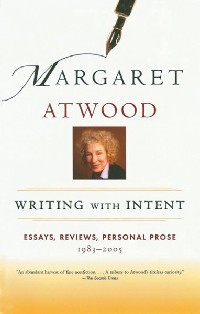
简介:From one of our most passionately engaged global literary citizens comes Writing with Intent, the largest collection ever assembled of Margaret Atwood's nonfiction, spanning 1983-2005. The fifty-eight essays compiled here are written in a bracing voice that is provocative, witty, often colloquial, and always accessible. Comprised of autobiographical essays, cultural commentary, book and film reviews, eulogies, introductions written for great works of literature, and literary excursions that explore the writing of several of her own novels, this is Atwood's first essay collection in more than two decades, showing that whether writing fiction or nonfiction, she is one of the most probing thinkers in the world of letters today. Compiled here are the Booker Prize-winning author's reviews of books by John Updike, Italo Calvino, Toni Morrison, Gabriel Garcia Marquez, Elmore Leonard, Angela Carter, Beryl Bainbridge, Dashiell Hammett, Ursula K. Le Guin, and Alice McDermott, as well as essays in which she recalls reading Virginia Woolf's To the Lighthouse at age nineteen, and a piece that examines the influence of George Orwell's work on The Handmaid's Tale. Here is Atwood's New York Times Book Review piece that helped make Orhan Pamuk's Snow a bestseller in 2004, a look back at a family trip to Afghanistan just before the Soviet invasion, and her "Letter to America," written after September 11, 2001. The insightful and memorable selections in Writing with Intent remind readers again why Margaret Atwood is one of the most admired writers of our time, and serve as a testament to her vigorous engagement in the world of letters and ideas.
简介:Summary: Publisher Summary 1 The first collection of nonfiction work by the author in more than two decades features fifty-seven essays and reviews on a wide range of topics, including John Updike, Toni Morrison, grunge, September 11th, and Gabriel Garc隆a M聽rquez, among others. Reprint. Publisher Summary 2 The first collection of nonfiction work by the author in more than two decades features fifty-seven essays and reviews on a wide range of topics, including John Updike, Toni Morrison, grunge, September 11th, and Gabriel Garc芒ia M芒arquez, among others. Publisher Summary 3 From one of the world’s most passionately engaged and acclaimed literary citizens comes Writing with Intent, the largest collection to date of Margaret Atwood’s nonfiction, ranging from 1983 to 2005. Composed of autobiographical essays, cultural commentary, book reviews, and introductory pieces to great works of literature, this is the award-winning author's first book-length nonfiction publication in twenty years. Arranged chronologically, these writings display the development of Atwood’s worldview as the world around her changes. Included are the Booker Prizewinning author’s reviews of books by John Updike, Italo Calvino, Toni Morrison, and others, as well as essays in which she remembers herself reading Virginia Woolf’s To the Lighthouseat age nineteen, and discusses the influence of George Orwell’s 1984 on the writing of The Handmaid’s Tale.Atwood’s New York Times Book Reviewpiece that helped make Orhan Pamuk’s Snow a bestseller can be found here, as well as a look back on a family trip to Afghanistan just before the Soviet invasion, and her Letter to America,” written after September 11, 2001. The insightful and memorable pieces in this book serve as a testament to Atwood’s career, reminding readers why she is one of the most esteemed writers of our time. Publisher Summary 4 From one of the world's most passionately engaged and acclaimed literary citizens comes Writing with Intent, the largest collection to date of Margaret Atwood's nonfiction, ranging from 1983 to 2005. Composed of autobiographical essays, cultural commentary, book reviews, and introductory pieces to great works of literature, this is the award-winning author's first book-length nonfiction publication in twenty years. Arranged chronologically, these writings display the development of Atwood's worldview as the world around her changes. Included are the Booker Prizewinning author's reviews of books by John Updike, Italo Calvino, Toni Morrison, and others, as well as essays in which she remembers herself reading Virginia Woolf's To the Lighthouse at age nineteen, and discusses the influence of George Orwell's 1984 on the writing of The Handmaid's Tale. Atwood's New York Times Book Review piece that helped make Orhan Pamuk's Snow a bestseller can be found here, as well as a look back on a family trip to Afghanistan just before the Soviet invasion, and her "Letter to America," written after September 11, 2001. The insightful and memorable pieces in this book serve as a testament to Atwood's career, reminding readers why she is one of the most esteemed writers of our time. Publisher Summary 5 From one of the world's most passionately engaged and acclaimed literary citizens comes Writing with Intent, the largest collection to date of Margaret Atwood's nonfiction, ranging from 1983 to 2005. Composed of autobiographical essays, cultural commentary, book reviews, and introductory pieces to great works of literature, this is the award-winning author's first book-length nonfiction publication in twenty years. Arranged chronologically, these writings display the development of Atwood's worldview as the world around her changes. Publisher Summary 6 From one of the world's most passionately engaged literary citizens comes Writing with Intent,the largest collection to date of Margaret Atwood's nonfiction, ranging from 1983 to 2005. Composed of autobiographical essays, cultural commentary, book reviews, and introductory pieces to great works of literature, this is the award-winning author's first book-length nonfiction publication in twenty years. Arranged chronologically, these writings display the development of Atwood's worldview as the world around her changes. Included are the Booker Prize鈥搘inning author's reviews of books by John Updike, Italo Calvino, Toni Morrison, and others, as well as essays in which she remembers herself reading Virginia Woolf's To the Lighthouseat age nineteen, and discusses the influence of George Orwell's 1984 on the writing of The Handmaid's Tale.Atwood's New York Times Book Reviewpiece that helped make Orhan Pamuk's Snow a bestseller can be found here, as well as a look back on a family trip to Afghanistan just before the Soviet invasion, and her 鈥淟etter to America,鈥?written after September 11, 2001. The insightful and memorable pieces in this book serve as a testament to Atwood's career, reminding readers why she is one of the most esteemed writers of our time. Publisher Summary 7 From one of the world’s most passionately engaged and acclaimed literary citizens comes Writing with Intent, the largest collection to date of Margaret Atwood’s nonfiction, ranging from 1983 to 2005. Composed of autobiographical essays, cultural commentary, book reviews, and introductory pieces to great works of literature, this is the award-winning author's first book-length nonfiction publication in twenty years. Arranged chronologically, these writings display the development of Atwood’s worldview as the world around her changes.
作者: Orhan Pamuk 著
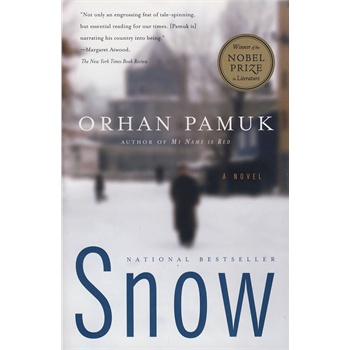
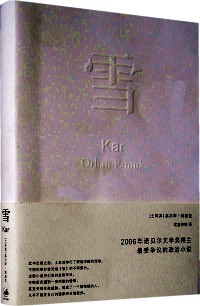
简介:Dread, yearning, identity, intrigue, the lethal chemistrybetween secular doubt and Islamic fanaticism–these are the elementsthat Orhan Pamuk anneals in this masterful, disquieting novel. Anexiled poet named Ka returns to Turkey and travels to the forlorncity of Kars. His ostensible purpose is to report on a wave ofsuicides among religious girls forbidden to wear theirhead-scarves. But Ka is also drawn by his memories of the radiantIpek, now recently divorced.Amid blanketing snowfall and universal suspicion, Ka finds himselfpursued by figures ranging from Ipek’s ex-husband to a charismaticterrorist. A lost gift returns with ecstatic suddenness. Atheatrical evening climaxes in a massacre. And finding god may bethe prelude to losing everything else. Touching, slyly comic, andhumming with cerebral suspense, Snow is of immense relevance to ourpresent moment.
作者: (土)奥罕·帕慕克(Orhan Pamuk)著;蔡鹃如译
出版社:麦田出版,2004
简介: 一位正快速崛起國際文壇、令國際文壇屏息注目的當代土爾其首席作家──來自歐亞交界的奧罕?帕慕克(Orhan Pamuk) 土耳其版的魔幻寫實之作! 一場東方和西方文化融合、誤解、緊張的精神漫遊史!這部小說在義理和文采上都至為不凡,是不應被我們錯過。──南方朔 即使聽了相同的故事,每個人的體驗,也都大為不同。--德國浪漫派詩人諾瓦力斯(Novalis) 某天,我讀了一本書,我的一生從此轉變。即使我才展開第一頁,它的強烈衝擊,仍深深打動了我。書本擱在書桌上,而我就坐在桌前讀它,但我察覺自己的軀殼脫離了,從坐椅上被抽離開來。儘管我感覺到自個已經分裂,但我整個人,卻還是完好如常,這本書不單單對我的靈魂起了作用,對我的各方面也都產生影響力。這股強大的力量,從書頁中衝出一道強光,照亮了我的臉龐。那炙熱的白光,不僅迷惑了我的思維,但卻也令我的心智豁然開朗。身處此等亮光中,我也許得以重鑄自我,也可能迷失方向;在這道光線中,我已然領受到以往不曾察知的影子,並伸開雙臂擁抱它。我坐在桌旁翻著書頁,我並不太明白,自己所讀為何,但隨著書本一頁翻過一頁,讀著書上的文字,我的人生也隨之改變。對於降臨在眼前的每一樁事物,我可以說是毫無心理準備,覺得徬徨無助,因此,過了半晌,我轉開臉,彷彿是想要保護自己,免得受到書中澎湃而出的力量波及。我驚懼地發現,自己開始意識到,週遭的世界正經歷著徹頭徹尾的轉變,一種從來不曾體會過的孤寂突然降臨,彷彿我被困在一處人生地不熟、對當地風土民情語言也都一無所知的鄉村。
简介: 《經濟學人》譽為「薩依德的繼承者」《外交政策》評為「全球百大思想家」2012年獲選《經濟學人》年度最佳圖書諾貝爾文學獎得主帕慕克大力推薦何謂亞洲的價值?亞洲各國如何從西方帝國的廢墟中重生?亞洲各地富有獨立思考能力的思想家、知識份子,試圖擺脫傳統的框架,尋求抑制西方國家對亞洲大陸日漸增長的支配欲望、尋找亞洲重生的道路,進而重塑亞洲。潘卡吉?米什拉的《從帝國廢墟中崛起:從梁啟超到泰戈爾,喚醒亞洲與改變世界》從世紀初的日俄戰爭開始談起,述及日本將霸權一舉伸向韓國及太平洋部份地區,因其打敗強大的俄羅斯帝國,由此次的空前勝利對亞洲國家各地的知識份子產生深遠的影響。例如中國的梁啟超、孫中山,印度諾貝爾文學獎得主泰戈爾,伊斯蘭之父賈邁勒丁?阿富汗尼,他們都想像當時的日本一樣,開始東方國家政治與經濟的改革。然而本書作者潘卡吉?米什拉卻以不同的角度,呈現給讀者亞洲歷史文化的另一面向:這些思想家的見聞,建構了亞洲現代哲學的思想理論,並向大眾展現他們共同嚮往亞洲擁有更為宏遠的目標,但其實現在的亞洲國家卻是盲目採用西方的模式,盲目跟隨西方政治、經濟思想,導致亞洲喪失本身的文化,同時更承襲西方國家的惡習。《從帝國廢墟中崛起》結合了東方的政治思想,集結印度、中國及阿拉伯的精神,是一本不容忽視的預言式作品。在西方人眼中,昂揚大步向外擴張的維多利亞時期,在亞洲人眼中卻是場浩劫。外國軍人和商人瓦解原是文明核心的大帝國。隨著英國人以船堅炮利拉下蒙兀兒帝國的末代皇帝、燒掉北京圓明園、羞辱奧圖曼土耳其帝國的破產統治者,因此,探索救亡圖存之道是亞洲國家的當務之急。潘卡吉?米什拉以引人入勝、趣味橫生的筆觸,講述亞洲大陸上一群有智之士如何迎接西方挑戰。他們不斷地質問、掙扎、深感痛苦,既痛恨西方,又體認到得與敵人正面交鋒及向敵人學習,亞洲才有復興可言。經過許多挫敗和誤入歧途,一連串強有力、彼此矛盾且最終勢不可擋的觀念誕生,成為如今從中國共產黨到凱達組織,從印度民族主義到穆斯林兄弟會的種種勢力背後之動力根源。米什拉透過遊歷歐亞各地的記者、詩人、激進份子、克里斯瑪型領袖的眼睛,引領讀者重新審視過去兩百年的歷史。這些思想家坐在當時似乎注定會被列強永久瓜分的舊帝國的廢墟之中,構思出反過來將使新帝國注定走向滅亡的觀念,且這些觀念還成為支撐二十一世紀亞洲大國的支柱。※名家推薦米什拉以敏銳、博學又有趣的態度呈現亞洲思想家如何回應西方逐漸衰頹的霸權,這位著名的當代印度知識份子是「薩伊德的繼承者」。──《經濟學人》米什拉反轉了長期由西方角度看東方的視角,呈現了世界上大多數民眾──從土耳其到中國──所感受認同的現代歷史。──罕?帕慕克(Orhan Pamuk,諾貝爾文學獎得主,土耳其文學大師)一本非常棒且突破創新的著作。這不只是一部卓越的亞洲史,更是一部為亞洲人所寫的生動歷史。──莫欣?哈密(Mohsin Hamid,美國小說家,貝蒂特拉斯克獎得主)《從帝國廢墟中崛起》以極具說服力的言辭,描繪一群亞洲最有教養、最有洞見的知識份子令人好奇且複雜之思想歷程。──茱莉亞?洛弗爾(Julia Lovell,英國歷史學家,《鴉片戰爭》作者)富有深入的研究及令人印象深刻的原創性……任何想了解今日我們處在怎麼樣的環境的人,都應該將這本具洞察力又令人不安的書放在必讀書單上。──約翰?格雷(John Gray,《獨立報》專欄作家)繼薩依德的經典著作《東方主義》後,《從帝國廢墟中崛起》提供另一種令人振奮的現代歷史觀點。米什拉相當博學……是善於抓住讀者目光的敘事者。──汪暉(北京清華大學思想史教授)米什拉機敏且幽默地結合被忽略的歷史材料,傳達出「二十世紀最重要的發展乃是亞洲的知識覺醒和政治覺醒」的重要主張。──哈里?昆茲魯(Hari Kunzru,《紐約時報》專欄作家)
简介:John Updike's sixth collection of essays and literary criticism opens with a skeptical overview of literary biographies, proceeds to five essays on topics ranging from China and small change to faith and late works, and takes up, under the heading "General Considerations," books, poker, cars, and the American libido. The last, informal section of Due Considerations assembles more or less autobiographical pieces--reminiscences, friendly forewords, comments on the author's own recent works, responses to probing questions. In between, many books are considered, some in introductions--to such classics as Walden, The Portrait of a Lady, and The Mabinogion--and many more in reviews, usually for The New Yorker. Ralph Waldo Emerson and the five Biblical books of Moses come in for appraisal, along with Uncle Tom's Cabin and The Wizard of Oz. Contemporary American and English writers--Colson Whitehead, E. L. Doctorow, Don DeLillo, Norman Rush, William Trevor, A. S. Byatt, Muriel Spark, Ian McEwan-- receive attentive and appreciative reviews, as do Rohinton Mistry, Salman Rushdie, Peter Carey, Margaret Atwood, Gabriel Garc芒ia M芒arquez, Haruki Murakami, G猫unter Grass, and Orhan Pamuk. In factual waters, Mr. Updike ponders the sinking of the Lusitania and the "unsinkable career" of Coco Chanel, the adventures of Lord Byron and Iris Murdoch, the sexual revolution and the advent of female Biblical scholars, and biographies of Robert Frost, Sinclair Lewis, Marcel Proust, and S虏ren Kierkegaard.--From publisher's description.