

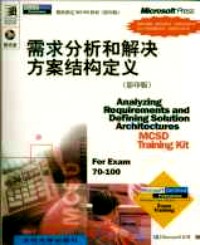
Analyzing requirements and defining solution architectures = 需求分析和解决方案结构定义 / 影印第2版
副标题:无
作 者:Microsoft公司著.
分类号:
ISBN:9787900629043
微信扫一扫,移动浏览光盘
简介
本书是《微软指定MCSD教材(影印第2版)》丛书中的一本,通过大量案例讲解商务解决?桨傅纳杓坪褪迪址椒ǎ涉及企业开发项目管理、需求分析、体系结构定义、开发工具和平台的选择、用户界面定义以及性能分析等。本书还为您准备MCP 70-100考试(微软认证解决方案开发人员证书的一门必考考试)提供了指导。
本书由微软公司专家编写,技术深入,权威性强,可作为相关工作人员和MCP考试应试者的参考书。
目录
acknowledgments
about this book
intended audience
prerequisites
getting started
course overview
case studies
using this book to prepare for certification
the microsoft certified professional program
technical support
about the authors
part 1 developing the framework
chapter 1 enterprise architecture
what is architecture?
making a commitment to architecture-first design and practice
challenges of the it environment
how enterprise architecture responds to it challenges
goal of enterprise architecture
microsoft solutions framework (msf)
.msf enterprise architecture model
msf team model for application development
msf process model for application development
msf risk management model
msf design process model
msf application model
presentation of msf in this book
msf enterprise architecture model
business perspective
application perspective
information perspective
technology perspective
four perspectives, one architecture
alignment of business and it goals
dangers to avoid during the enterprise architecture process
objectives of the msf enterprise architecture model
creating an enterprise architecture
the myth of an enterprise-wide, project-deep architecture
milestone-driven process
getting from current state to future state
reactive and proactive flows
maintaining focus
enterprise architecture and individual projects
planning while building and building while planning
summary
review
case study 1 developing an enterprise architecture
ea kickoff
four models with perspective
proactive, reactive, and versions
getting started on f-beap
chapter 2 enterprise applications
features of enterprise applications
enterprise application architecture
component reuse
application size
software performance
application scaling
architecture forms
guiding software principles
alignment with business goals
product mindset
architecture-first
design wthin context
different languages for different project phases
project success factors
team approach
individual commitment to project goal
early product demonstrations
risk management
component-based development
change management
product versions based on customer priorities and expectations
flexible, scalable framework
enterprise application model
designing with the enterprise application model
business model
user model
logical model
technology model
development model
physical model
msf application model for development
user services
business services
data services
summary
review
chapter 3 project teams
team model vs. hierarchical model
project responsibilities
the msf development team model
product management
program management
development
testing
user education
logistics management
adapting team size to project size
large-project scaling
small-project scaling
building successful teams
finding effective leaders
improving team effectiveness
educating the team
coordinating with outside teams
team management tools
summary
review
case study 2 introducing the rms projectteam
agenda overview
team introductions
msf revisited
rms application
review of the msf development team model
team roles
chapter 4 development process
models for application development
waterfall model
spiral model
unified process
workflows
project phases
iterations
msf development process model
phased process
milestone-driven process
versioned process
the four msf phases and their major milestones
envisioning phase
planning phase
developing phase
stabilizing phase
importance of all phases
msf development process model principles
using versioned releases
creating living documents
scheduling for an uncertain future
managing tradeoffs
managing risk
maintaining a fixed ship-date mindset
breaking large projects into manageable parts
performing daily builds
using bottom-up scheduling
using versioned processes
guidelines for versioned releases
development tasks during other phases
team roles in the msf development process model
artifacts and deliverables
relationships between models
summary
review
case study 3 introducing the rms project
current state
scheduling resources
completing timesheets
recording time
generating invoices
business implications
wrapping up and assignments
case study 4 determining goals
review of the msf development process model
team roles and their phase responsibilities
iterations wthin versions
rms project calendar and initial goals
part 2 designing the product
chapter 5 project vision
overview of project envisioning
why establish a vision?
pitfalls
envisioning process
who does what during envisioning?
step #l: research
step #2: analysis
step #3: rationalization
step #4: implementation
step #5: validation
communicating
risk management process
sources of risk
types of risk management
step #l: risk identification
step #2: risk analysis
step #3: risk action planning
step #4: risk tracking
step #5: risk control
vision approved milestone and its deliverables
vision document
prototype system
proect structure document
mastcr risk assessment document
conununicating the vision
expanding the envisioning process
summary
review
case study 5 envisioning rms
round one
round two
client perspective
wrap-up
chapter 6 project plan
overview of project planning
planning phase and the msf design process
who does what during planning?
msf design process
overview of the msf design process
conceptual design
logical design
physical design
ongoing risk management process
project plan approved milestone and its deliverables
interim milestones
functional specification
master project plan
master project schedule
revised master risk assessment document
summary
review
case study 6 planning rms
overview of the planning phase
overview of the design process
conceptual design
logical design
development and ea team meeting
physical design
project plan approved milestone
part 3 developing the product
chapter 7 user service layer technologies
deterndning the user interface
user service layer considerations
selecting a user service layer aschitecture
basics of interface design
ui elements
composition
color and images
usability
user assistance model
creating the ui
implementing a native user service layer
implementing a web-based user service layer
accessing a native applicahon
accessing a web-based application
connecting the user and business service layers
making business objects available to client computers
accessing business objects in native applications
accessing business objects in web-based applications
accessing remote objects using rds
summary
review
chapter 8 business service layer technologies
overview of business services
component object model (com)
why com?
com programming model
automation
the idispatch interface
type libraries
dispinterfaces
dual interfaces
com support in distributed environments
com security
remote activation and marshaling
packaging with mts
designing mts packages
activation
shared resources
fault isolation
security isolahon
implementing com in an mts environment
basic windows nt application services
windows 2000 com+ services
unified programming model
primary com+ services
summary
review
case study 7 lntroducing com+
time to learn
overview of com+
examples of com+-based application architecture
expanded range of design choices
queued components
loosely coupled events (lce)
in-memory database (imdb)
transactional shared property manager
object pooling
dynamic load balancing
application design considerations
objects in the com+ environment
connecting components
chapter 9 data service tayer technologies
what is the data service layer?
universal storage
application programming interfaces (apis)
universal data access
uda-based access components
data modeling,
identifying data
defining data
ensuring data integrity
defining operationai processes
choosing a data storage technology
microsoft data access components (mdac)
open database connectivity (odbc)
ole db
activex data objects (ado)
remote data service (rds)
choosing the right data access technology
when to use ado
when to use rdo
when to use odbcdirect
when to use dao
when to use odbc
choosing a data access strategy
accessing host-based data
ado for the as/400 and vsam
ddm and ole db
comti and mainframe data integration
comti makes it easier to extend transactions
differences between windows and mainframe terminology
dcom connector for sap
com+ in-memory database (imdb)
summary
review
chapter 10 testing and the production channel
managing the development environment
production channel
change control process
sizing the production channel
testing enterprise applications
component-level testing
local integration teshng
debugging tools
data access testing
integration testing
performance validation
defining performance requirements
defining metrics and goals
measuring performance
defining performance tests
detendning baseline performance
identifying and eliminating bottlenecks
common bottlenecks
scaling the production environment
configuration #1: single node
configuration #2: iis on a separate node
configuration #3: sql server on a separate node
configuration #4: each database on a separate node
configuration #5: partitioned database
configuration #6: partitioned application
fault tolerance
bug management
tracking
classification
resolution
summary
review
case study8 testing rms
what's needed and why
chapter 11 application security
authentication security
wndows nt authentication
kerberos authentication
web-based authentication
sql server authentication
encryption
security-related protocols
secure sockets layer (ssl)
ssl, iis 4.0, and microsoft proxy server
server gated cryptography
cryptoapi
access security
wndows nt access security
user access control
file protection
distributed component protection
operating system services protection
wndows nt registry security
asp and html page security
mts application and data security
sql server access permissions
auditing
log files
event logs
distributed environments
summary
review
chapter 12 development deliverables
overview of the developing phase
planning feeds the developing phase deliverable
development process
who does what during development?
step #l: analysis and rationalization
step #2: implementation
step #3f validation
ongoing risk management process
scope complete milestone and its deliverables
interim milestones
revised functional specification
revised master project plan
revised master proect schedule
revised master risk assessment document
source code and executables
user performance and support elements
testing elements
summary
review
case study 9 developing rms
product management report
program management report
user education repoft
logistics management report
development report
testing report
problem solving
regression testing
scope complete milestone
part 4 shipping the product
chapt6r 13 product stabilization
overview of stabilization
stabilization process
who does what during stabilization?
interim milestones
milestone #l: interim releases as bugs converge
milestone #2: zero-bug release
milestone #3: release candidates
milestone #4: final product release
ongoing risk management process
release milestone and its deliverables
release notes
user and support performance artifacts
testing results
project archives
woduct deployment
planning the product deployment
deployment timeline
software, data setup, and conversion
interim product release deployment
deployment methods
production support
data migration and coexistence issues
summary
review
chapter 14 project review
case for project review
capability maturity models
project review considerations
preparation for a project review meeting
organizing a project review team
capturing feedback
accountability
summary
review
case study 10 shippin9 rms
are we ready for the users?
a fresh look
user feedback
reviewing the project
appendix review questions and answers
glossary
bibliography
index
about this book
intended audience
prerequisites
getting started
course overview
case studies
using this book to prepare for certification
the microsoft certified professional program
technical support
about the authors
part 1 developing the framework
chapter 1 enterprise architecture
what is architecture?
making a commitment to architecture-first design and practice
challenges of the it environment
how enterprise architecture responds to it challenges
goal of enterprise architecture
microsoft solutions framework (msf)
.msf enterprise architecture model
msf team model for application development
msf process model for application development
msf risk management model
msf design process model
msf application model
presentation of msf in this book
msf enterprise architecture model
business perspective
application perspective
information perspective
technology perspective
four perspectives, one architecture
alignment of business and it goals
dangers to avoid during the enterprise architecture process
objectives of the msf enterprise architecture model
creating an enterprise architecture
the myth of an enterprise-wide, project-deep architecture
milestone-driven process
getting from current state to future state
reactive and proactive flows
maintaining focus
enterprise architecture and individual projects
planning while building and building while planning
summary
review
case study 1 developing an enterprise architecture
ea kickoff
four models with perspective
proactive, reactive, and versions
getting started on f-beap
chapter 2 enterprise applications
features of enterprise applications
enterprise application architecture
component reuse
application size
software performance
application scaling
architecture forms
guiding software principles
alignment with business goals
product mindset
architecture-first
design wthin context
different languages for different project phases
project success factors
team approach
individual commitment to project goal
early product demonstrations
risk management
component-based development
change management
product versions based on customer priorities and expectations
flexible, scalable framework
enterprise application model
designing with the enterprise application model
business model
user model
logical model
technology model
development model
physical model
msf application model for development
user services
business services
data services
summary
review
chapter 3 project teams
team model vs. hierarchical model
project responsibilities
the msf development team model
product management
program management
development
testing
user education
logistics management
adapting team size to project size
large-project scaling
small-project scaling
building successful teams
finding effective leaders
improving team effectiveness
educating the team
coordinating with outside teams
team management tools
summary
review
case study 2 introducing the rms projectteam
agenda overview
team introductions
msf revisited
rms application
review of the msf development team model
team roles
chapter 4 development process
models for application development
waterfall model
spiral model
unified process
workflows
project phases
iterations
msf development process model
phased process
milestone-driven process
versioned process
the four msf phases and their major milestones
envisioning phase
planning phase
developing phase
stabilizing phase
importance of all phases
msf development process model principles
using versioned releases
creating living documents
scheduling for an uncertain future
managing tradeoffs
managing risk
maintaining a fixed ship-date mindset
breaking large projects into manageable parts
performing daily builds
using bottom-up scheduling
using versioned processes
guidelines for versioned releases
development tasks during other phases
team roles in the msf development process model
artifacts and deliverables
relationships between models
summary
review
case study 3 introducing the rms project
current state
scheduling resources
completing timesheets
recording time
generating invoices
business implications
wrapping up and assignments
case study 4 determining goals
review of the msf development process model
team roles and their phase responsibilities
iterations wthin versions
rms project calendar and initial goals
part 2 designing the product
chapter 5 project vision
overview of project envisioning
why establish a vision?
pitfalls
envisioning process
who does what during envisioning?
step #l: research
step #2: analysis
step #3: rationalization
step #4: implementation
step #5: validation
communicating
risk management process
sources of risk
types of risk management
step #l: risk identification
step #2: risk analysis
step #3: risk action planning
step #4: risk tracking
step #5: risk control
vision approved milestone and its deliverables
vision document
prototype system
proect structure document
mastcr risk assessment document
conununicating the vision
expanding the envisioning process
summary
review
case study 5 envisioning rms
round one
round two
client perspective
wrap-up
chapter 6 project plan
overview of project planning
planning phase and the msf design process
who does what during planning?
msf design process
overview of the msf design process
conceptual design
logical design
physical design
ongoing risk management process
project plan approved milestone and its deliverables
interim milestones
functional specification
master project plan
master project schedule
revised master risk assessment document
summary
review
case study 6 planning rms
overview of the planning phase
overview of the design process
conceptual design
logical design
development and ea team meeting
physical design
project plan approved milestone
part 3 developing the product
chapter 7 user service layer technologies
deterndning the user interface
user service layer considerations
selecting a user service layer aschitecture
basics of interface design
ui elements
composition
color and images
usability
user assistance model
creating the ui
implementing a native user service layer
implementing a web-based user service layer
accessing a native applicahon
accessing a web-based application
connecting the user and business service layers
making business objects available to client computers
accessing business objects in native applications
accessing business objects in web-based applications
accessing remote objects using rds
summary
review
chapter 8 business service layer technologies
overview of business services
component object model (com)
why com?
com programming model
automation
the idispatch interface
type libraries
dispinterfaces
dual interfaces
com support in distributed environments
com security
remote activation and marshaling
packaging with mts
designing mts packages
activation
shared resources
fault isolation
security isolahon
implementing com in an mts environment
basic windows nt application services
windows 2000 com+ services
unified programming model
primary com+ services
summary
review
case study 7 lntroducing com+
time to learn
overview of com+
examples of com+-based application architecture
expanded range of design choices
queued components
loosely coupled events (lce)
in-memory database (imdb)
transactional shared property manager
object pooling
dynamic load balancing
application design considerations
objects in the com+ environment
connecting components
chapter 9 data service tayer technologies
what is the data service layer?
universal storage
application programming interfaces (apis)
universal data access
uda-based access components
data modeling,
identifying data
defining data
ensuring data integrity
defining operationai processes
choosing a data storage technology
microsoft data access components (mdac)
open database connectivity (odbc)
ole db
activex data objects (ado)
remote data service (rds)
choosing the right data access technology
when to use ado
when to use rdo
when to use odbcdirect
when to use dao
when to use odbc
choosing a data access strategy
accessing host-based data
ado for the as/400 and vsam
ddm and ole db
comti and mainframe data integration
comti makes it easier to extend transactions
differences between windows and mainframe terminology
dcom connector for sap
com+ in-memory database (imdb)
summary
review
chapter 10 testing and the production channel
managing the development environment
production channel
change control process
sizing the production channel
testing enterprise applications
component-level testing
local integration teshng
debugging tools
data access testing
integration testing
performance validation
defining performance requirements
defining metrics and goals
measuring performance
defining performance tests
detendning baseline performance
identifying and eliminating bottlenecks
common bottlenecks
scaling the production environment
configuration #1: single node
configuration #2: iis on a separate node
configuration #3: sql server on a separate node
configuration #4: each database on a separate node
configuration #5: partitioned database
configuration #6: partitioned application
fault tolerance
bug management
tracking
classification
resolution
summary
review
case study8 testing rms
what's needed and why
chapter 11 application security
authentication security
wndows nt authentication
kerberos authentication
web-based authentication
sql server authentication
encryption
security-related protocols
secure sockets layer (ssl)
ssl, iis 4.0, and microsoft proxy server
server gated cryptography
cryptoapi
access security
wndows nt access security
user access control
file protection
distributed component protection
operating system services protection
wndows nt registry security
asp and html page security
mts application and data security
sql server access permissions
auditing
log files
event logs
distributed environments
summary
review
chapter 12 development deliverables
overview of the developing phase
planning feeds the developing phase deliverable
development process
who does what during development?
step #l: analysis and rationalization
step #2: implementation
step #3f validation
ongoing risk management process
scope complete milestone and its deliverables
interim milestones
revised functional specification
revised master project plan
revised master proect schedule
revised master risk assessment document
source code and executables
user performance and support elements
testing elements
summary
review
case study 9 developing rms
product management report
program management report
user education repoft
logistics management report
development report
testing report
problem solving
regression testing
scope complete milestone
part 4 shipping the product
chapt6r 13 product stabilization
overview of stabilization
stabilization process
who does what during stabilization?
interim milestones
milestone #l: interim releases as bugs converge
milestone #2: zero-bug release
milestone #3: release candidates
milestone #4: final product release
ongoing risk management process
release milestone and its deliverables
release notes
user and support performance artifacts
testing results
project archives
woduct deployment
planning the product deployment
deployment timeline
software, data setup, and conversion
interim product release deployment
deployment methods
production support
data migration and coexistence issues
summary
review
chapter 14 project review
case for project review
capability maturity models
project review considerations
preparation for a project review meeting
organizing a project review team
capturing feedback
accountability
summary
review
case study 10 shippin9 rms
are we ready for the users?
a fresh look
user feedback
reviewing the project
appendix review questions and answers
glossary
bibliography
index
Analyzing requirements and defining solution architectures = 需求分析和解决方案结构定义 / 影印第2版
- 名称
- 类型
- 大小
光盘服务联系方式: 020-38250260 客服QQ:4006604884
云图客服:
用户发送的提问,这种方式就需要有位在线客服来回答用户的问题,这种 就属于对话式的,问题是这种提问是否需要用户登录才能提问
Video Player
×
Audio Player
×
pdf Player
×
