

简介
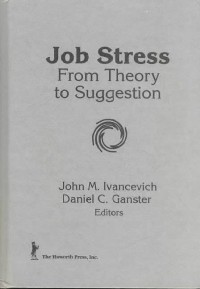
Leading theorists and researchers explore the concept of stress in this relevant and well-timed volume. Physicians, psychologists, sociologists, and social psychologists who have been engaged in stress-related projects offer exciting and practical suggestions for applying organizational behavior management principles to the problem of stress. They share timely discussions on the causes and implications of job stress, which affects all levels of employees in business and industrial settings. This stimulating volume addresses the major theoretical perspectives and interpretations of job stress--from the diverse fields of medicine, clinical psychology, engineering psychology, and organizational psychology and proposes stress measurement and stress management interventions. A fascinating review of the empirical research on stress indicates the present state of study on the subject and emphasizes the need for more applied research using OBM principles. There is currently a great deal of disagreement about the meaning of job stress, its effects on people and organizations, and strategies for coping with the phenomenon. The effects of stress on individuals and organizations are thoroughly explored in this timely volume.
目录
Table Of Contents:
Guest Editorial
Stress: Theory, Research and Suggestions 1(4)
John M. Ivancevich
Daniel C. Ganster
PART I: INTRODUCTION
The Current Debate About the Meaning of Job Stress 5(14)
Terry A. Beehr
Thomas M. Franz
Selected Early Works on Stress in General 6(1)
Selected Historical Works on Job Stress in Particular 7(1)
Four Approaches to Job Stress 7(3)
Controversial Issues Regarding Job Stress 10(6)
Recommendations for Future Research 16(3)
Health Consequences of Stress 19(18)
Jonathan D. Quick
Rebecca S. Horn
James Campbell Quick
Preventive Stress Management 20(2)
Life Events as Stressors 22(1)
Health Problems and Distress 23(8)
Health Benefits of Stress 31(2)
Conclusion 33(4)
A Work-Nonwork Interactive Perspective of Stress and Its Consequences 37(24)
Jeffrey H. Greenhaus
Saroj Parasuraman
The Meaning of Stress 38(2)
Work Stressors and Their Consequences 40(1)
Nonwork Stressors and Their Consequences 41(2)
Work-Nonwork Stressors and Their Consequences 43(4)
Personal and Social Influences on Work-Nonwork Stress 47(3)
Individual Interventions Relevant to Work-Nonwork Stress 50(3)
Organizational Interventions Relevant to Work-Nonwork Stress 53(2)
Conclusions and Directions for Future Research 55(6)
PART II: INDIVIDUAL DIFFERENCES
Type A Behavior and Occupational Stress 61(24)
Daniel C. Ganster
Are Type A's Hyper-Reactive to Work Stressors? 65(5)
Type A and the Work Environment: Does One Cause the Other? 70(4)
Type A and Performance 74(1)
Suggestions for Research 75(4)
Conclusions 79(6)
Perspectives on Social Support and Research on Stress Moderating Processes 85(18)
Susan Gore
Definitions and Measurement of Social Support 86(1)
Models of Stress Reduction and Stress Buffering 87(4)
Process Study of Stress 91(4)
Objectivity, Subjectivity and Confounding in Measurement 95(2)
Conclusion 97(6)
PART III: STRESS MEASUREMENT
Assessment of Physiological Indices Related to Cardiovascular Disease as Influenced by Job Stress 103(14)
Lisa R. Balick
J. Alan Herd
Introduction 104(1)
Heart Rate and Blood Pressure 105(3)
Catecholamines 108(2)
Cortisol 110(2)
Lipids 112(1)
Conclusion 113(4)
Stress: Psychobiological Assessment 117(24)
India Fleming
Andrew Baum
Psychobiological Basis of Stress 119(2)
Measurement of Stress 121(11)
Use of Multidimensional Stress Measures 132(1)
Stress Related Health Consequences 133(2)
Unemployment Stress-An Example 135(1)
Conclusions 136(5)
Beyond Negative Affectivity: Measuring Stress and Satisfaction in the Workplace 141(18)
David Watson
James W. Pennebaker
Robert Folger
Stress, Symptoms and NA 142(8)
Beyond Stress and Distress: The Two Dimensions of Feeling 150(4)
Conclusions 154(5)
PART IV: ORGANIZATIONAL STUDIES OF STRESS
Machine Pacing and Shiftwork: Evidence for Job Stress 159(18)
Joseph J. Hurrell, Jr.
Michael J. Colligan
Machine Pacing 160(2)
Individual Consequences of Pacing 162(2)
Organizational Consequences of Pacing 164(2)
Conclusions Concerning Pacing 166(1)
Shiftwork 167(3)
Organizational Consequences of Shiftwork 170(7)
Managers and Professionals in Business/Industrial Settings: The Research Evidence 177(18)
Steven P. Glowinkowski
Cary L. Cooper
Sources of Managerial Stress 177(1)
Stress from the Job Itself 178(2)
Role Based Stress 180(1)
Role Ambiguity 181(1)
Role Conflict 181(2)
The Approach of Person/Environment Fit 183(1)
Relationships at Work 184(1)
The Organization 185(2)
The Managerial Career 187(2)
Extra-Organizational Sources of Stress 189(1)
Implications of Research for Managers 190(1)
Conclusion 191(4)
Professionals in Medical Settings: The Research Evidence in the 1980s 195(20)
Cynthia Lee
Stress Profile Amongst Medical Professionals 196(8)
Causes and Symptoms of Stress in Medical Settings 204(5)
Conclusions and Suggestions 209(6)
PART V: STRESS MANAGEMENT INTERVENTIONS
A Review of Organizational Stress Management Research: Methodological Considerations 215(14)
Lawrence R. Murphy
SMT Orientation 217(3)
Experimental Design 220(1)
Worker Participants 220(3)
Outcome Measures 223(2)
Duration of Training Effects 225(1)
Summary 225(4)
Organizational Level Stress Management Interventions: A Review and Recommendations 229(20)
John M. Ivancevich
Michael T. Matteson
Stress Management Programs 231(2)
A Stress Framework 233(2)
Available Research on Organizational Level Stress Management Interventions 235(2)
Related Research: Strengths and Weaknesses 237(3)
Organizational Interventions: Managerial Actions 240(3)
Applied Research: Some Guidelines 243(3)
Concluding Note 246(3)
PART VI: CONCLUSION
The Present and Future Status of Stress Research 249(2)
Ronald J. Burke
Increasing Interest in Occupational Stress 250(1)
Current Stress Research Content 251(1)
Developing Models of Psychological Burnout 252(3)
Current Stress Research Methodology 255(1)
Future Stress Research Content 256(4)
Future Stress Research Methodology 260(1)
Research and Practice - Two Cultures Again? 261(1)
Conclusion 262
Guest Editorial
Stress: Theory, Research and Suggestions 1(4)
John M. Ivancevich
Daniel C. Ganster
PART I: INTRODUCTION
The Current Debate About the Meaning of Job Stress 5(14)
Terry A. Beehr
Thomas M. Franz
Selected Early Works on Stress in General 6(1)
Selected Historical Works on Job Stress in Particular 7(1)
Four Approaches to Job Stress 7(3)
Controversial Issues Regarding Job Stress 10(6)
Recommendations for Future Research 16(3)
Health Consequences of Stress 19(18)
Jonathan D. Quick
Rebecca S. Horn
James Campbell Quick
Preventive Stress Management 20(2)
Life Events as Stressors 22(1)
Health Problems and Distress 23(8)
Health Benefits of Stress 31(2)
Conclusion 33(4)
A Work-Nonwork Interactive Perspective of Stress and Its Consequences 37(24)
Jeffrey H. Greenhaus
Saroj Parasuraman
The Meaning of Stress 38(2)
Work Stressors and Their Consequences 40(1)
Nonwork Stressors and Their Consequences 41(2)
Work-Nonwork Stressors and Their Consequences 43(4)
Personal and Social Influences on Work-Nonwork Stress 47(3)
Individual Interventions Relevant to Work-Nonwork Stress 50(3)
Organizational Interventions Relevant to Work-Nonwork Stress 53(2)
Conclusions and Directions for Future Research 55(6)
PART II: INDIVIDUAL DIFFERENCES
Type A Behavior and Occupational Stress 61(24)
Daniel C. Ganster
Are Type A's Hyper-Reactive to Work Stressors? 65(5)
Type A and the Work Environment: Does One Cause the Other? 70(4)
Type A and Performance 74(1)
Suggestions for Research 75(4)
Conclusions 79(6)
Perspectives on Social Support and Research on Stress Moderating Processes 85(18)
Susan Gore
Definitions and Measurement of Social Support 86(1)
Models of Stress Reduction and Stress Buffering 87(4)
Process Study of Stress 91(4)
Objectivity, Subjectivity and Confounding in Measurement 95(2)
Conclusion 97(6)
PART III: STRESS MEASUREMENT
Assessment of Physiological Indices Related to Cardiovascular Disease as Influenced by Job Stress 103(14)
Lisa R. Balick
J. Alan Herd
Introduction 104(1)
Heart Rate and Blood Pressure 105(3)
Catecholamines 108(2)
Cortisol 110(2)
Lipids 112(1)
Conclusion 113(4)
Stress: Psychobiological Assessment 117(24)
India Fleming
Andrew Baum
Psychobiological Basis of Stress 119(2)
Measurement of Stress 121(11)
Use of Multidimensional Stress Measures 132(1)
Stress Related Health Consequences 133(2)
Unemployment Stress-An Example 135(1)
Conclusions 136(5)
Beyond Negative Affectivity: Measuring Stress and Satisfaction in the Workplace 141(18)
David Watson
James W. Pennebaker
Robert Folger
Stress, Symptoms and NA 142(8)
Beyond Stress and Distress: The Two Dimensions of Feeling 150(4)
Conclusions 154(5)
PART IV: ORGANIZATIONAL STUDIES OF STRESS
Machine Pacing and Shiftwork: Evidence for Job Stress 159(18)
Joseph J. Hurrell, Jr.
Michael J. Colligan
Machine Pacing 160(2)
Individual Consequences of Pacing 162(2)
Organizational Consequences of Pacing 164(2)
Conclusions Concerning Pacing 166(1)
Shiftwork 167(3)
Organizational Consequences of Shiftwork 170(7)
Managers and Professionals in Business/Industrial Settings: The Research Evidence 177(18)
Steven P. Glowinkowski
Cary L. Cooper
Sources of Managerial Stress 177(1)
Stress from the Job Itself 178(2)
Role Based Stress 180(1)
Role Ambiguity 181(1)
Role Conflict 181(2)
The Approach of Person/Environment Fit 183(1)
Relationships at Work 184(1)
The Organization 185(2)
The Managerial Career 187(2)
Extra-Organizational Sources of Stress 189(1)
Implications of Research for Managers 190(1)
Conclusion 191(4)
Professionals in Medical Settings: The Research Evidence in the 1980s 195(20)
Cynthia Lee
Stress Profile Amongst Medical Professionals 196(8)
Causes and Symptoms of Stress in Medical Settings 204(5)
Conclusions and Suggestions 209(6)
PART V: STRESS MANAGEMENT INTERVENTIONS
A Review of Organizational Stress Management Research: Methodological Considerations 215(14)
Lawrence R. Murphy
SMT Orientation 217(3)
Experimental Design 220(1)
Worker Participants 220(3)
Outcome Measures 223(2)
Duration of Training Effects 225(1)
Summary 225(4)
Organizational Level Stress Management Interventions: A Review and Recommendations 229(20)
John M. Ivancevich
Michael T. Matteson
Stress Management Programs 231(2)
A Stress Framework 233(2)
Available Research on Organizational Level Stress Management Interventions 235(2)
Related Research: Strengths and Weaknesses 237(3)
Organizational Interventions: Managerial Actions 240(3)
Applied Research: Some Guidelines 243(3)
Concluding Note 246(3)
PART VI: CONCLUSION
The Present and Future Status of Stress Research 249(2)
Ronald J. Burke
Increasing Interest in Occupational Stress 250(1)
Current Stress Research Content 251(1)
Developing Models of Psychological Burnout 252(3)
Current Stress Research Methodology 255(1)
Future Stress Research Content 256(4)
Future Stress Research Methodology 260(1)
Research and Practice - Two Cultures Again? 261(1)
Conclusion 262
- 名称
- 类型
- 大小
光盘服务联系方式: 020-38250260 客服QQ:4006604884
云图客服:
用户发送的提问,这种方式就需要有位在线客服来回答用户的问题,这种 就属于对话式的,问题是这种提问是否需要用户登录才能提问
Video Player
×
Audio Player
×
pdf Player
×
