

简介
Summary:
Publisher Summary 1
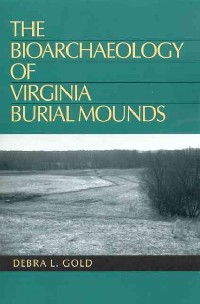
A long-ignored prehistoric moundbuilding people.By the 14th century more than a dozen accretional burial mounds鈥攔eaching heights of 12 to 15 feet鈥攎arked the floodplains of interior Virginia. Today, none of these mounds built by the nearly forgotten Monacan Indians remain on the landscape, having been removed over the centuries by a variety of natural and cultural causes. This study uses what remains of the mounds鈥攅xcavated from the 1890s to the 1980s鈥?to gain a new understanding of the Monacans and to gauge their importance in the realm of the late prehistoric period in the Eastern Woodlands.Based on osteological examinations of dozens of complete skeletons and thousands of isolated bones and bone fragments, this work constructs information on Monacan demography, diet, health, and mortuary ritual in the 10th through the 15th centuries. The results show an overall pattern of stability and local autonomy among the Late Woodland village societies of interior Virginia in which a mixture of maize farming and the collection of wild food resources were successful for more than 600 years.This book鈥攗niting biological and cultural aspects of the data for a holistic understanding of everyday life in the period鈥攚ill be of interest to ethnohistorians, osteologists, bioarchaeologists, and anyone studying Late Woodland, Mississippian, and contact periods, as well as middle range societies, in the Eastern Woodlands.Debra L. Goldis Associate Professor of Anthropology at St. Cloud State University.Additional reviews:"Debra Gold's book represents the first scientific, bioarchaeological study of the mound builder populations in central Virginia and is a welcomed addition to our understanding of health, subsistence, and mortuary practices among Native American groups in the eastern Woodlands."鈥擲outheastern Archaeology
Publisher Summary 2
Based on osteological examinations of dozens of complete skeletons and thousands of isolated bones and bone fragments, this work constructs information on Monacan demography, diet, health, and mortuary ritual in the 10th through the 15th centuries. The results show an overall pattern of stability and local autonomy among the Late Woodland village societies of interior Virginia in which a mixture of maize farming and the collection of wild food resources were successful for more than 600 years.
目录
Table Of Contents:
List of Figures ix
List of Tables xi
Acknowledgments xiii
Introduction 1(5)
1. From Jefferson to Jamestown: Monacan History through English Eyes 6(25)
2. Virginia Burial Mounds 31(33)
3. The Bioarchaeology of Middle Range Societies 64(16)
4. Bioarchaeological Analysis: Skeletal Inventory, Subsistence and Health Patterns, and Mortuary Activity 80(42)
5. From Measurements to Meaning: Monacan History through Monacan Bones 122(15)
Bibliography 137(20)
Index 157
List of Figures ix
List of Tables xi
Acknowledgments xiii
Introduction 1(5)
1. From Jefferson to Jamestown: Monacan History through English Eyes 6(25)
2. Virginia Burial Mounds 31(33)
3. The Bioarchaeology of Middle Range Societies 64(16)
4. Bioarchaeological Analysis: Skeletal Inventory, Subsistence and Health Patterns, and Mortuary Activity 80(42)
5. From Measurements to Meaning: Monacan History through Monacan Bones 122(15)
Bibliography 137(20)
Index 157
- 名称
- 类型
- 大小
光盘服务联系方式: 020-38250260 客服QQ:4006604884
云图客服:
用户发送的提问,这种方式就需要有位在线客服来回答用户的问题,这种 就属于对话式的,问题是这种提问是否需要用户登录才能提问
Video Player
×
Audio Player
×
pdf Player
×
