

简介
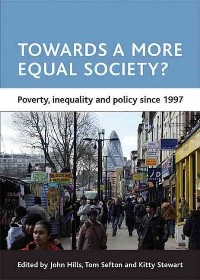
When New Labour came to power in 1997, its leaders asked for it to be judged after ten years on its success in making Britain 'a more equal society'. As it approaches the end of an unprecedented third term in office, this book asks whether Britain has indeed moved in that direction. The highly successful earlier volume "A more equal society?" was described by Polly Toynbee as "the LSE's mighty judgement on inequality". Now this second volume by the same team of authors provides an independent assessment of the success or otherwise of New Labour's policies over a longer period. It provides: ·[vbTab]consideration by a range of expert authors of a broad set of indicators and policy areas affecting poverty, inequality and social exclusion; ·[vbTab]analysis of developments up to the third term on areas including income inequality, education, employment, health inequalities, neighbourhoods, minority ethnic groups, children and older people;·[vbTab]an assessment of outcomes a decade on, asking whether policies stood up to the challenges, and whether successful strategies have been sustained or have run out of steam;chapters on migration, social attitudes, the devolved administrations, the new Equality and Human Rights Commission, and future pressures.The book is essential reading for academic and student audiences with an interest in contemporary social policy, as well as for all those seeking an objective account of Labour's achievements in power.
目录
Contents 4
List of figures, tables and boxes 6
Acknowledgements 12
Notes on contributors 14
1. Introduction 18
The scale of the problem 19
The government\u2019s strategy 25
Outline of the book 33
Part One Dimensions of policy and outcomes 36
2. Poverty, inequality and redistribution 38
Introduction 38
New Labour\u2019s tax-benefit policies 38
Changes in inequality and poverty under New Labour 41
Isolating the impact of tax-benefit policies 51
Impact of public spending 57
Conclusion 60
3. \u2018A scar on the soul of Britain\u2019: child poverty and disadvantage under New Labour 64
Background and inheritance 64
Policies 65
Outcomes: child poverty 71
Outcomes: early child development 81
Conclusions 85
4. Education: New Labour\u2019s top priority 88
Introduction 88
Background and inheritance 89
Policies for compulsory schooling 90
Outcomes from compulsory schooling 93
Post-school policies and outcomes 98
Discussion and conclusion 104
5. More equal working lives? An assessment of New Labour policies 108
Introduction 108
Background and inheritance 109
Policies and objectives 110
Recent and proposed reforms to labour market policy 112
Outcomes 114
Conclusions 128
6. New Labour and unequal neighbourhoods 132
Introduction 132
Area-based initiatives 132
Social exclusion and Neighbourhood Renewal 133
What government evidence shows about the scale of area-based problems 135
What government evidence shows of closing the gap 137
Evidence from CASE\u2019s 12 areas \u2013 the gap 143
Evidence from 200 families 146
What of the future? Is progress slowing down? 148
What are the likely consequences of reduced area targeting? 149
7. Health inequalities: a persistent problem 152
Introduction 152
Policy developments on health inequalities since 2004 153
Trends in health inequalities before and during the New Labour governments 156
Evidence of other changes in health and healthcare inequalities 169
Conclusions 171
8. Pensions and income security in later life 174
Introduction 174
Background and inheritance 175
A decade of pension reform 182
Delivering on \u2018Opportunity for All\u2019 187
Conclusion 193
9. Ethnic inequalities: another 10 years of the same? 196
Introduction 196
Conceptual and methodological issues 196
Education 197
Employment and income 204
Policing 208
Community cohesion 212
Assessing the impact of New Labour policies on ethnic inequalities 214
10. Migration, migrants and inequality 218
Introduction 218
Definitions and data sources 218
Who are migrants? 219
Residency status and benefit entitlement 223
What qualifications and skills do migrants bring to the UK? 224
Generation 1.5 226
Labour market participation among migrants 228
The earnings of migrants 230
Housing and health inequalities 232
The impacts of migration on the UK-born population 234
The equalities picture: 1997 to 2007 236
Part Two Cross-cutting issues 238
11. Moving in the right direction? Public attitudes to poverty, inequality and redistribution 240
Introduction 240
Changing perceptions of the Labour Party 240
Public attitudes to poverty 242
Public attitudes to inequality 245
Public attitudes to redistribution 247
Public attitudes to public spending 250
Underlying attitudes and beliefs 254
Conclusions 259
12. Inequality and the devolved administrations: Scotland, Wales and Northern Ireland 262
Introduction 262
Policies of the devolved administrations 269
Changes in key outcomes since 1998/99 274
Assessment 281
13. Poverty, inequality and child well-being in international context: still bottom of the pack? 284
Background 284
Material well-being 285
Education 299
Risks and behaviours, peer relationships and subjective well-being 302
Conclusions 305
Part Three Where do we go from here? 308
14. The Equality and Human Rights Commission: a new point of departure in the battle against discrimination and disadvantage 310
Introduction 310
Overview: New Labour\u2019s equality and human rights reform programme, 1997-2008 310
The first wave of equality and human rights reforms 314
Human rights and the anti-terrorist agenda 324
The second wave: the 2005 election manifesto, the modernisation agenda and the single equality model 325
A third phase of reform? Additional policy directions under Gordon Brown and the picture of equality and human rights mainstreaming in 2008 327
Conclusion 334
15. Future pressures: intergenerational links, wealth, demography and sustainability 336
Intergenerational transmission of advantage 336
Wealth and inheritance 341
Demographic change and pressures on the public finances 343
Environmental sustainability and the need to reduce carbon emissions 348
Conclusion 355
16. Conclusions: climbing every mountain or retreating from the foothills? 358
Introduction 358
Is Britain \u2018a more equal society\u2019? 359
Overall indicators of progress 366
What would have happened in the absence of policy change? 369
Future directions and pressures 371
Conclusions 374
References 378
Index 416
List of figures, tables and boxes 6
Acknowledgements 12
Notes on contributors 14
1. Introduction 18
The scale of the problem 19
The government\u2019s strategy 25
Outline of the book 33
Part One Dimensions of policy and outcomes 36
2. Poverty, inequality and redistribution 38
Introduction 38
New Labour\u2019s tax-benefit policies 38
Changes in inequality and poverty under New Labour 41
Isolating the impact of tax-benefit policies 51
Impact of public spending 57
Conclusion 60
3. \u2018A scar on the soul of Britain\u2019: child poverty and disadvantage under New Labour 64
Background and inheritance 64
Policies 65
Outcomes: child poverty 71
Outcomes: early child development 81
Conclusions 85
4. Education: New Labour\u2019s top priority 88
Introduction 88
Background and inheritance 89
Policies for compulsory schooling 90
Outcomes from compulsory schooling 93
Post-school policies and outcomes 98
Discussion and conclusion 104
5. More equal working lives? An assessment of New Labour policies 108
Introduction 108
Background and inheritance 109
Policies and objectives 110
Recent and proposed reforms to labour market policy 112
Outcomes 114
Conclusions 128
6. New Labour and unequal neighbourhoods 132
Introduction 132
Area-based initiatives 132
Social exclusion and Neighbourhood Renewal 133
What government evidence shows about the scale of area-based problems 135
What government evidence shows of closing the gap 137
Evidence from CASE\u2019s 12 areas \u2013 the gap 143
Evidence from 200 families 146
What of the future? Is progress slowing down? 148
What are the likely consequences of reduced area targeting? 149
7. Health inequalities: a persistent problem 152
Introduction 152
Policy developments on health inequalities since 2004 153
Trends in health inequalities before and during the New Labour governments 156
Evidence of other changes in health and healthcare inequalities 169
Conclusions 171
8. Pensions and income security in later life 174
Introduction 174
Background and inheritance 175
A decade of pension reform 182
Delivering on \u2018Opportunity for All\u2019 187
Conclusion 193
9. Ethnic inequalities: another 10 years of the same? 196
Introduction 196
Conceptual and methodological issues 196
Education 197
Employment and income 204
Policing 208
Community cohesion 212
Assessing the impact of New Labour policies on ethnic inequalities 214
10. Migration, migrants and inequality 218
Introduction 218
Definitions and data sources 218
Who are migrants? 219
Residency status and benefit entitlement 223
What qualifications and skills do migrants bring to the UK? 224
Generation 1.5 226
Labour market participation among migrants 228
The earnings of migrants 230
Housing and health inequalities 232
The impacts of migration on the UK-born population 234
The equalities picture: 1997 to 2007 236
Part Two Cross-cutting issues 238
11. Moving in the right direction? Public attitudes to poverty, inequality and redistribution 240
Introduction 240
Changing perceptions of the Labour Party 240
Public attitudes to poverty 242
Public attitudes to inequality 245
Public attitudes to redistribution 247
Public attitudes to public spending 250
Underlying attitudes and beliefs 254
Conclusions 259
12. Inequality and the devolved administrations: Scotland, Wales and Northern Ireland 262
Introduction 262
Policies of the devolved administrations 269
Changes in key outcomes since 1998/99 274
Assessment 281
13. Poverty, inequality and child well-being in international context: still bottom of the pack? 284
Background 284
Material well-being 285
Education 299
Risks and behaviours, peer relationships and subjective well-being 302
Conclusions 305
Part Three Where do we go from here? 308
14. The Equality and Human Rights Commission: a new point of departure in the battle against discrimination and disadvantage 310
Introduction 310
Overview: New Labour\u2019s equality and human rights reform programme, 1997-2008 310
The first wave of equality and human rights reforms 314
Human rights and the anti-terrorist agenda 324
The second wave: the 2005 election manifesto, the modernisation agenda and the single equality model 325
A third phase of reform? Additional policy directions under Gordon Brown and the picture of equality and human rights mainstreaming in 2008 327
Conclusion 334
15. Future pressures: intergenerational links, wealth, demography and sustainability 336
Intergenerational transmission of advantage 336
Wealth and inheritance 341
Demographic change and pressures on the public finances 343
Environmental sustainability and the need to reduce carbon emissions 348
Conclusion 355
16. Conclusions: climbing every mountain or retreating from the foothills? 358
Introduction 358
Is Britain \u2018a more equal society\u2019? 359
Overall indicators of progress 366
What would have happened in the absence of policy change? 369
Future directions and pressures 371
Conclusions 374
References 378
Index 416
- 名称
- 类型
- 大小
光盘服务联系方式: 020-38250260 客服QQ:4006604884
云图客服:
用户发送的提问,这种方式就需要有位在线客服来回答用户的问题,这种 就属于对话式的,问题是这种提问是否需要用户登录才能提问
Video Player
×
Audio Player
×
pdf Player
×
