

简介
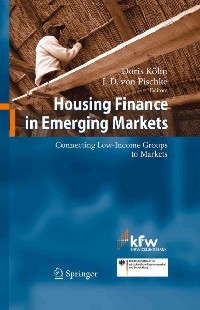
The growth of urban areas and population in middle and low income countries is a continuing trend. Urbanization expands as rural to urban migration offers better income opportunities in cities. This trend is both a source of development opportunities and challenges for the housing sector. On the one hand, housing is a large and growing market, and on the other, massive slums confirm the poor housing conditions in many developing countries. These adverse conditions mirror inadequate housing policies, inefficient or absent property registration, as well as limits to access to housing finance. Provision of affordable housing is therefore an important topic in the fight against poverty. This book focuses on solutions that improve the enabling environment for the poor in accessing housing finance. It explores how to develop and integrate housing finance into a sustainable financial system for developing countries and offers ways in which low-income families can obtain better access to housing finance. This book provides a conceptual framework for housing finance development and addresses practical solutions in the provision of housing finance and compares different approaches. The global financial crisis which originated in the US sub-prime housing market has not altered the underlying reality of global housing finance: the majority of people in developing countries still do not have access to formal housing finance. Nor has it answered the biggest question: how can they be served in a sustainable way? Connecting this unserved group to appropriate housing finance products through robust financial systems must remain a top policy priority if these nations are to enjoy long term, broad-based economic growth. It is also a great opportunity for new and existing housing finance providers. DAVID PORTEOUS, Director, Bankable Frontier Associates Where property in the form of private homes is secure, people can focus on work rather than protecting their property. One of the major effects of the property rights reform driven by Hernando de Soto in Peru put more children into school. Why? Adults spent less time safeguarding their property and could search for and find better jobs. This enabled them to send their children to school. Houses are also important for those who start up businesses. The most practical source of finance beyond help from family and friends tends to be a mortgage on property. For a mortgage market to develop, banks have to be able to foreclose on property of those who cannot pay back. The obvious attractions of housing policy as a plank of social policy can also lead to policies that backfire, as the recent example of the United States shows. Housing finance is a major component of the fight against poverty. For property to yield all its benefits, institutional reforms are required 鈥?chief among them secure property rights for owners and enforceable creditor rights for financiers. Sensible regulations for zoning and construction also help. However, political pressure on banks to ignore the credit risk of home ownership or to cease foreclosures when things go wrong risks undermining sustainable housing finance. MICHAEL KLEIN, Consultant, Former Chief Economist International Finance Corporation (IFC)
目录
Preface 5
The Importance of Housing Finance for the Poor 5
The Focus of This Book 6
Table of Contents 9
CHAPTER 1 Introduction: The Challenges of Housing Finance 11
CHAPTER 2 Housing Finance and Financial Inclusion 16
Abstract 16
Introduction 17
The Changing Frontier of Mortgage Markets 21
Empirical Measures 21
Going Deeper: Access Frontiers 29
Determinants of Access 30
Defining Access to Mortgages 33
The Poor and Their Housing Finance: A Bottom-Up View 36
Which Housing Finance Instruments Do Poor People Use? 37
Who Connects Low-Income Households to Formal Housing Finance? 42
Community-Based Approaches 45
Connecting the Pieces 46
Conclusion 47
References 49
General Data Sources 52
Country Sources 52
Annex A 53
CHAPTER 3 Government Policies and Their Implications for Housing Finance 58
Introduction 58
Why Do Governments Intervene in Housing Finance? 60
Where to Start? Assessing Housing Problems and Their Causes 63
Expanding Formal Housing Frontiers: Reforming Land and Real Estate Markets 67
Housing Finance Subsidies and the Expansion of Markets 75
Conclusion 86
References 87
CHAPTER 4 Regulation and Access to Finance 91
Abstract 91
Introduction 93
Regulation at the Crossroads 96
Information Technology, Risk Modelling \u2013 New Perspectives on Credit Risk 112
Conclusion 122
References 123
CHAPTER 5 Institutions and the Promotion of Housing Finance 126
Abstract 126
Introduction 127
Targeting Specific Private Market Failure and the Lack of Infrastructure 133
Conclusion 138
References 139
CHAPTER 6 Wholesale Funding Instruments 141
Introduction 141
Wholesale Funding: What Has Been Tried? 143
Securitization: Structures and Credit Enhancement 148
Liquidity Facilities 157
Challenges in Wholesale Finance for Low Income Housing 159
Conclusion 162
References 163
Annex 1: Prerequisites for Wholesale Funding 166
Annex 2: Types of Credit Enhancement 170
CHAPTER 7 Primary Mortgage Market Development in Emerging Markets \u2013 Is the Central and Eastern Europe Experience Replicable in Sub-Saharan Africa? 175
Abstract 175
Introduction 176
Assessing Progress in Primary Market Development 177
Market Developments in Central and Eastern Europe 179
What Has Driven Product Development and Better Access to Mortgage Credit? 189
Mortgage Market Developments in Sub-Saharan Africa 190
Comparisons Between CEE and SSA Markets 199
Conclusion 211
References 213
CHAPTER 8 Housing Finance from Post-conflict Intervention to Market Development in the Balkans 217
Introduction 217
International Post-conflict Policy Response in Housing Construction and Rehabilitation 219
From Post-conflict Policy Response to Sustainable Housing Finance 220
Sustainable Housing Refinance: Establishing a Vehicle to Support Financial Market Development 222
Beneficiary Characteristics and Programme Impacts 223
Programme Impact on Lending Institutions and Markets 227
Conclusion 229
References 229
CHAPTER 9 Approaches and Policies at KfW Entwicklungsbank 231
Introduction 231
KfW Housing Finance Activities 232
Housing Microfinance 233
Primary/Secondary Market Development 234
Housing Finance and Energy Efficiency 235
Post-disaster Housing Finance Support 236
Guiding Principles 237
Challenges Ahead 239
Index of Regions and Institutions 242
Index of Keywords 244
The Importance of Housing Finance for the Poor 5
The Focus of This Book 6
Table of Contents 9
CHAPTER 1 Introduction: The Challenges of Housing Finance 11
CHAPTER 2 Housing Finance and Financial Inclusion 16
Abstract 16
Introduction 17
The Changing Frontier of Mortgage Markets 21
Empirical Measures 21
Going Deeper: Access Frontiers 29
Determinants of Access 30
Defining Access to Mortgages 33
The Poor and Their Housing Finance: A Bottom-Up View 36
Which Housing Finance Instruments Do Poor People Use? 37
Who Connects Low-Income Households to Formal Housing Finance? 42
Community-Based Approaches 45
Connecting the Pieces 46
Conclusion 47
References 49
General Data Sources 52
Country Sources 52
Annex A 53
CHAPTER 3 Government Policies and Their Implications for Housing Finance 58
Introduction 58
Why Do Governments Intervene in Housing Finance? 60
Where to Start? Assessing Housing Problems and Their Causes 63
Expanding Formal Housing Frontiers: Reforming Land and Real Estate Markets 67
Housing Finance Subsidies and the Expansion of Markets 75
Conclusion 86
References 87
CHAPTER 4 Regulation and Access to Finance 91
Abstract 91
Introduction 93
Regulation at the Crossroads 96
Information Technology, Risk Modelling \u2013 New Perspectives on Credit Risk 112
Conclusion 122
References 123
CHAPTER 5 Institutions and the Promotion of Housing Finance 126
Abstract 126
Introduction 127
Targeting Specific Private Market Failure and the Lack of Infrastructure 133
Conclusion 138
References 139
CHAPTER 6 Wholesale Funding Instruments 141
Introduction 141
Wholesale Funding: What Has Been Tried? 143
Securitization: Structures and Credit Enhancement 148
Liquidity Facilities 157
Challenges in Wholesale Finance for Low Income Housing 159
Conclusion 162
References 163
Annex 1: Prerequisites for Wholesale Funding 166
Annex 2: Types of Credit Enhancement 170
CHAPTER 7 Primary Mortgage Market Development in Emerging Markets \u2013 Is the Central and Eastern Europe Experience Replicable in Sub-Saharan Africa? 175
Abstract 175
Introduction 176
Assessing Progress in Primary Market Development 177
Market Developments in Central and Eastern Europe 179
What Has Driven Product Development and Better Access to Mortgage Credit? 189
Mortgage Market Developments in Sub-Saharan Africa 190
Comparisons Between CEE and SSA Markets 199
Conclusion 211
References 213
CHAPTER 8 Housing Finance from Post-conflict Intervention to Market Development in the Balkans 217
Introduction 217
International Post-conflict Policy Response in Housing Construction and Rehabilitation 219
From Post-conflict Policy Response to Sustainable Housing Finance 220
Sustainable Housing Refinance: Establishing a Vehicle to Support Financial Market Development 222
Beneficiary Characteristics and Programme Impacts 223
Programme Impact on Lending Institutions and Markets 227
Conclusion 229
References 229
CHAPTER 9 Approaches and Policies at KfW Entwicklungsbank 231
Introduction 231
KfW Housing Finance Activities 232
Housing Microfinance 233
Primary/Secondary Market Development 234
Housing Finance and Energy Efficiency 235
Post-disaster Housing Finance Support 236
Guiding Principles 237
Challenges Ahead 239
Index of Regions and Institutions 242
Index of Keywords 244
- 名称
- 类型
- 大小
光盘服务联系方式: 020-38250260 客服QQ:4006604884
云图客服:
用户发送的提问,这种方式就需要有位在线客服来回答用户的问题,这种 就属于对话式的,问题是这种提问是否需要用户登录才能提问
Video Player
×
Audio Player
×
pdf Player
×
