

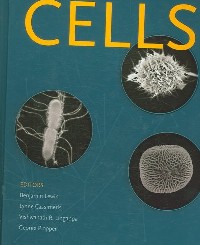
Cells /
副标题:无
作 者:lead editors, Benjamin Lewin ... [et al.], scientific editors, Leslie Pond, Jamie Kass.
分类号:
ISBN:9780763739058
微信扫一扫,移动浏览光盘
简介
CELLS, the most cutting-edge textbook in the field, is the ideal resource for advanced undergraduate and graduate students entering the world of cell biology, and a useful tool for scientists who wish to learn more about topics outside their field. This important new text provides full coverage of the structure, organization, growth, regulation, movements, and interaction of cells, with an emphasis on eukaryotic cells. Under the direction of Dr. Benjamin Lewin and three expert lead editors, each chapter was prepared by top scientists who specialize in the subject area. All chapters were carefully edited to maintain consistent use of terminology and to achieve a homogeneous level of detail and rigor. Where they are known, the molecular bases for human diseases are discussed in each chapter.
目录
Table Of Contents:
Preface iii
Acknowledgments iv
About the cover v
Contributors xvii
Abbreviations xix
Part 1 Introduction 1(29)
What is a cell? 3(27)
Benjamin Lewin
Introduction 4(2)
Life began as a self-replicating structure 6(1)
A prokaryotic cell consists of a single compartment 7(2)
Prokaryotes are adapted for growth under many diverse conditions 9(1)
A eukaryotic cell contains many membrane-delimited compartments 9(1)
Membranes allow the cytoplasm to maintain compartments with distinct environments 10(2)
The nucleus contains the genetic material and is surrounded by an envelope 12(1)
The plasma membrane allows a cell to maintain homeostasis 13(2)
Cells within cells: Organelles bounded by envelopes may have resulted from endosymbiosis 15(2)
DNA is the cellular hereditary material, but there are other forms of hereditary information 17(1)
Cells require mechanisms to repair damage to DNA 17(1)
Mitochondria are energy factories 18(1)
Chloroplasts power plant cells 19(1)
Organelles require mechanisms for specific localization of proteins 20(1)
Proteins are transported to and through membranes 21(1)
Protein trafficking moves proteins through the ER and Golgi apparatus 22(1)
Protein folding and unfolding is an essential feature of all cells 23(1)
The shape of a eukaryotic cell is determined by its cytoskeleton 24(1)
Localization of cell structures is important 25(1)
Signal transduction pathways execute predefined responses 26(1)
All organisms have cells that can grow and divide 27(1)
Differentiation creates specialized cell types, including terminally differentiated cells 28(2)
References 29(1)
Part 2 Membranes and transport mechanisms 30(174)
Transport of ions and small molecules across membranes 31(66)
Stephan E. Lehnart
Andrew R. Marks
Introduction 32(1)
Channels and carriers are the main types of membrane transport proteins 33(2)
Hydration of ions influences their flux through transmembrane pores 35(1)
Electrochemical gradients across the cell membrane generate the membrane potential 36(2)
K+ channels catalyze selective and rapid ion permeation 38(4)
Different K+ channels use a similar gate coupled to different activating or inactivating mechanisms 42(2)
Voltage-dependent Na+ channels are activated by membrane depolarization and translate electrical signals 44(3)
Epithelial Na+ channels regulate Na+ homeostasis 47(3)
Plasma membrane Ca2+ channels activate intracellular functions 50(2)
Cl- channels serve diverse biological functions 52(4)
Selective water transport occurs through aquaporin channels 56(2)
Action potentials are electrical signals that depend on several types of ion channels 58(2)
Cardiac and skeletal muscles are activated by excitation-contraction coupling 60(3)
Some glucose transporters are uniporters 63(2)
Symporters and antiporters mediate coupled transport 65(2)
The transmembrane Na+ gradient is essential for the function of many transporters 67(3)
Some Na+ transporters regulate cytosolic or extracellular pH 70(3)
The Ca2+-ATPase pumps Ca2+ into intracellular storage compartments 73(2)
The Na+/K+-ATPase maintains the plasma membrane Na+ and K+ gradients 75(3)
The F1F0-ATP synthase couples H+ movement to ATP synthesis or hydrolysis 78(1)
H+-ATPases transport protons out of the cytosol 79(3)
What's next? 82(1)
Summary 82(1)
Supplement: Derivation and application of the Nernst equation 83(2)
Supplement: Most K+ channels undergo rectification 85(1)
Supplement: Mutations in an anion channel cause cystic fibrosis 86(11)
References 88(9)
Membrane targeting of proteins 97(56)
D. Thomas Rutkowski
Vishwanath R. Lingappa
Introduction 98(2)
Proteins enter the secretory pathway by translocation across the ER membrane (an overview) 100(2)
Proteins use signal sequences to target to the ER for translocation 102(1)
Signal sequences are recognized by the signal recognition particle (SRP) 103(1)
An interaction between SRP and its receptor allows proteins to dock at the ER membrane 104(1)
The translocon is an aqueous channel that conducts proteins 105(3)
Translation is coupled to translocation for most eukaryotic secretory and transmembrane proteins 108(2)
Some proteins target and translocate posttranslationally 110(1)
ATP hydrolysis drives translocation 111(2)
Transmembrane proteins move out of the translocation channel and into the lipid bilayer 113(2)
The orientation of transmembrane proteins is determined as they are integrated into the membrane 115(3)
Signal sequences are removed by signal peptidase 118(1)
The lipid GPI is added to some translocated proteins 118(2)
Sugars are added to many translocating proteins 120(1)
Chaperones assist folding of newly translocated proteins 121(1)
Protein disulfide isomerase ensures the formation of the correct disulfide bonds as proteins fold 122(1)
The calnexin/calreticulin chaperoning system recognizes carbohydrate modifications 123(1)
The assembly of proteins into complexes is monitored 124(1)
Terminally misfolded proteins in the ER are returned to the cytosol for degradation 125(3)
Communication between the ER and nucleus prevents the accumulation of unfolded proteins in the lumen 128(2)
The ER synthesizes the major cellular phospholipids 130(2)
Lipids must be moved from the ER to the membranes of other organelles 132(1)
The two leaflets of a membrane often differ in lipid composition 133(1)
The ER is morphologically and functionally subdivided 133(2)
The ER is a dynamic organelle 135(3)
Signal sequences are also used to target proteins to other organelles 138(1)
Import into mitochondria begins with signal sequence recognition at the outer membrane 138(1)
Complexes in the inner and outer membranes cooperate in mitochondrial protein import 139(2)
Proteins imported into chloroplasts must also cross two membranes 141(1)
Proteins fold before they are imported into peroxisomes 142(2)
What's next? 144(1)
Summary 144(9)
References 146(7)
Protein trafficking between membranes 153(51)
Graham Warren
Ira Mellman
Introduction 154(2)
Overview of the exocytic pathway 156(3)
Overview of the endocytic pathway 159(3)
Concepts in vesicle-mediated protein transport 162(2)
The concepts of signal-mediated and bulk flow protein transport 164(2)
COPII-coated vesicles mediate transport from the ER to the Golgi apparatus 166(2)
Resident proteins that escape from the ER are retrieved 168(1)
COPI-coated vesicles mediate retrograde transport from the Golgi apparatus to the ER 169(2)
There are two popular models for forward transport through the Golgi apparatus 171(1)
Retention of proteins in the Golgi apparatus depends on the membrane-spanning domain 172(2)
Rab GTPases and tethers are two types of proteins that regulate vesicle targeting 174(2)
SNARE proteins likely mediate fusion of vesicles with target membranes 176(3)
Endocytosis is often mediated by clathrin-coated vesicles 179(3)
Adaptor complexes link clathrin and transmembrane cargo proteins 182(3)
Some receptors recycle from early endosomes whereas others are degraded in lysosomes 185(2)
Early endosomes become late endosomes and lysosomes by maturation 187(2)
Sorting of lysosomal proteins occurs in the trans-Golgi network 189(3)
Polarized epithelial cells transport proteins to apical and basolateral membranes 192(2)
Some cells store proteins for later secretion 194(1)
What's next? 195(1)
Summary 196(8)
References 196(8)
Part 3 The nucleus 204(112)
Nuclear structure and transport 205(48)
Charles N. Cole
Pamela A. Silver
Introduction 206(1)
Nuclei vary in appearance according to cell type and organism 207(2)
Chromosomes occupy distinct territories 209(1)
The nucleus contains subcompartments that are not membrane-bounded 210(2)
Some processes occur at distinct nuclear sites and may reflect an underlying structure 212(1)
The nucleus is bounded by the nuclear envelope 213(1)
The nuclear lamina underlies the nuclear envelope 214(2)
Large molecules are actively transported between the nucleus and cytoplasm 216(1)
Nuclear pore complexes are symmetrical channels 217(3)
Nuclear pore complexes are constructed from nucleoporins 220(2)
Proteins are selectively transported into the nucleus through nuclear pores 222(2)
Nuclear localization sequences target proteins to the nucleus 224(1)
Cytoplasmic NLS receptors mediate nuclear protein import 224(2)
Export of proteins from the nucleus is also receptor-mediated 226(2)
The Ran GTPase controls the direction of nuclear transport 228(2)
Multiple models have been proposed for the mechanism of nuclear transport 230(2)
Nuclear transport can be regulated 232(1)
Multiple classes of RNA are exported from the nucleus 233(2)
Ribosomal subunits are assembled in the nucleolus and exported by exportin 1 235(1)
tRNAs are exported by a dedicated exportin 236(1)
Messenger RNAs are exported from the nucleus as RNA protein complexes 237(2)
hnRNPs move from sites of processing to NPCs 239(1)
mRNA export requires several novel factors 239(2)
U snRNAs are exported, modified, assembled into complexes, and imported 241(1)
Precursors to microRNAs are exported from the nucleus and processed in the cytoplasm 242(1)
What's next? 242(3)
Summary 245(8)
References 246(7)
Chromatin and chromosomes 253(63)
Benjamin Lewin
Introduction 254(1)
Chromatin is divided into euchromatin and heterochromatin 255(1)
Chromosomes have banding patterns 256(2)
Eukaryotic DNA has loops and domains attached to a scaffold 258(1)
Specific sequences attach DNA to an interphase matrix 259(1)
The centromere is essential for segregation 260(2)
Centromeres have short DNA sequences in S. cerevisiae 262(1)
The centromere binds a protein complex 263(1)
Centromeres may contain repetitious DNA 263(1)
Telomeres are replicated by a special mechanism 264(1)
Telomeres seal the chromosome ends 265(1)
Lampbrush chromosomes are extended 266(1)
Polytene chromosomes form bands 267(1)
Polytene chromosomes expand at sites of gene expression 268(1)
The nucleosome is the subunit of all chromatin 269(2)
DNA is coiled in arrays of nucleosomes 271(1)
Nucleosomes have a common structure 272(2)
DNA structure varies on the nucleosomal surface 274(2)
Organization of the histone octamer 276(2)
The path of nucleosomes in the chromatin fiber 278(1)
Reproduction of chromatin requires assembly of nucleosomes 279(3)
Do nucleosomes lie at specific positions? 282(3)
Domains define regions that contain active genes 285(2)
Are transcribed genes organized in nucleosomes? 287(1)
Histone octamers are displaced by transcription 288(2)
Nucleosome displacement and reassembly require special factors 290(1)
DNAase hypersensitive sites change chromatin structure 290(2)
Chromatin remodeling is an active process 292(4)
Histone acetylation is associated with genetic activity 296(3)
Heterochromatin propagates from a nucleation event 299(1)
Heterochromatin depends on interactions with histones 300(2)
X chromosomes undergo global changes 302(2)
Chromosome condensation is caused by condensins 304(2)
What's next? 306(1)
Summary 307(9)
References 309(7)
Part 4 The cytoskeleton 316(122)
Microtubules 317(54)
Lynne Cassimeris
Introduction 318(2)
General functions of microtubules 320(3)
Microtubules are polar polymers of α- and β-tubulin 323(2)
Purified tubulin subunits assemble into microtubules 325(2)
Microtubule assembly and disassembly proceed by a unique process termed dynamic instability 327(2)
A cap of GTP-tubulin subunits regulates the transitions o dynamic instability 329(2)
Cells use microtubule-organizing centers to nucleate microtubule assembly 331(2)
Microtubule dynamics in cells 333(3)
Why do cells have dynamic microtubules? 336(3)
Cells use several classes of proteins to regulate the stability of their microtubules 339(3)
Introduction to microtubule-based motor proteins 342(4)
How motor proteins work 346(3)
How cargoes are loaded onto the right motor 349(1)
Microtubule dynamics and motors combine to generate the asymmetric organization of cells 350(4)
Interactions between microtubules and actin filaments 354(2)
Cilia and flagella are motile structures 356(5)
What's next? 361(1)
Summary 362(1)
Supplement: What if tubulin didn't hydrolyze GTP? 363(1)
Supplement: Fluorescence recovery after photobleaching 364(1)
Supplement: Tubulin synthesis and modification 365(1)
Supplement: Motility assays for microtubule-based motor proteins 366(5)
References 368(3)
Actin 371(40)
Enrique M. De La Cruz
E. Michael Ostap
Introduction 372(1)
Actin is a ubiquitously expressed cytoskeletal protein 373(1)
Actin monomers bind ATP and ADP 373(1)
Actin filaments are structurally polarized polymers 374(1)
Actin polymerization is a multistep and dynamic process 375(3)
Actin subunits hydrolyze ATP after polymerization 378(2)
Actin-binding proteins regulate actin polymerization and organization 380(1)
Actin monomer-binding proteins influence polymerization 381(1)
Nucleating proteins control cellular actin polymerization 382(1)
Capping proteins regulate the length of actin filaments 383(1)
Severing and depolymerizing proteins regulate actin filament dynamics 384(1)
Crosslinking proteins organize actin filaments into bundles and orthogonal networks 385(1)
Actin and actin-binding proteins work together to drive cell migration 386(2)
Small G proteins regulate actin polymerization 388(1)
Myosins are actin-based molecular motors with essential roles in many cellular processes 389(3)
Myosins have three structural domains 392(2)
ATP hydrolysis by myosin is a multistep reaction 394(2)
Myosin motors have kinetic properties suited for their cellular roles 396(1)
Myosins take nanometer steps and generate piconewton forces 396(2)
Myosins are regulated by multiple mechanisms 398(1)
Myosin-II functions in muscle contraction 399(4)
What's next? 403(1)
Summary 404(1)
Supplement: Two models for how polymer assembly can generate force 404(7)
References 405(6)
Intermediate filaments 411(27)
E. Birgitte Lane
Introduction 412(1)
The six intermediate filament protein groups have similar structure but different expression 413(2)
The two Largest intermediate filament groups are type I and type II keratins 415(3)
Mutations in keratins cause epithelial cell fragility 418(2)
Intermediate filaments of nerve, muscle, and connective tissue often show overlapping expression 420(2)
Lamin intermediate filaments reinforce the nuclear envelope 422(2)
Even the divergent lens filament proteins are conserved in evolution 424(1)
Intermediate filament subunits assemble with high affinity into strain-resistant structures 425(2)
Posttranslational modifications regulate the configuration of intermediate filament proteins 427(2)
Proteins that associate with intermediate filaments are facultative rather than essential 429(1)
Intermediate filament genes are present throughout metazoan evolution 430(2)
What's next? 432(1)
Summary 433(5)
References 434(4)
Part 5 Cell division, apoptosis, and cancer 438(149)
Mitosis 439(50)
Conly Rieder
Introduction 440(3)
Mitosis is divided into stages 443(2)
Mitosis requires the formation of a new apparatus called the spindle 445(2)
Spindle formation and function depend on the dynamic behavior of microtubules and their associated motor proteins 447(3)
Centrosomes are microtubule organizing centers 450(1)
Centrosomes reproduce about the time the DNA is replicated 451(2)
Spindles begin to form as separating asters interact 453(3)
Spindles require chromosomes for stabilization but can ``self-organize'' without centrosomes 456(2)
The centromere is a specialized region on the chromosome that contains the kinetochores 458(1)
Kinetochores form at the onset of prometaphase and contain microtubule motor proteins 459(1)
Kinetochores capture and stabilize their associated microtubules 460(3)
Mistakes in kinetochore attachment are corrected 463(2)
Kinetochore fibers must both shorten and elongate to allow chromosomes to move 465(2)
The force to move a chromosome toward a pole is produced by two mechanisms 467(1)
Congression involves pulling forces that act on the kinetochores 468(1)
Congression is also regulated by the forces that act along the chromosome arms and the activity of sister kinetochores 469(2)
Kinetochores control the metaphase/anaphase transition 471(2)
Anaphase has two phases 473(2)
Changes occur during telophase that lead the cell out of the mitotic state 475(1)
During cytokinesis, the cytoplasm is partitioned to form two new daughter cells 476(2)
Formation of the contractile ring requires the spindle and stem bodies 478(3)
The contractile ring cleaves the cell in two 481(2)
The segregation of nonnuclear organelles during cytokinesis is based on chance 483(1)
What's next? 483(1)
Summary 484(5)
References 485(4)
Cell cycle regulation 489(44)
Srinivas Venkatram
Kathleen L. Gould
Susan L. Forsburg
Introduction 490(1)
There are several experimental systems used in cell cycle analyses 491(4)
The cell cycle requires coordination between events 495(1)
The cell cycle as a cycle of CDK activities 496(2)
CDK-cyclin complexes are regulated in several ways 498(3)
Cells may exit from and reenter the cell cycle 501(2)
Entry into cell cycle and S phase is tightly regulated 503(1)
DNA replication requires the ordered assembly of protein complexes 504(3)
Mitosis is orchestrated by several protein kinases 507(3)
Many morphological changes occur during mitosis 510(2)
Mitotic chromosome condensation and segregation depend on condensin and cohesin 512(2)
Exit from mitosis requires more than cyclin proteolysis 514(2)
Checkpoint controls coordinate different cell cycle events 516(2)
DNA replication and DNA damage checkpoints monitor defects in DNA metabolism 518(4)
The spindle assembly checkpoint monitors defects in chromosome-microtubule attachment 522(2)
Cell cycle deregulation can lead to cancer 524(1)
What's next? 525(1)
Summary 526(7)
References 527(6)
Apoptosis 533(28)
Douglas R. Green
Introduction 534(2)
Caspases orchestrate apoptosis by cleaving specific substrates 536(1)
Executioner caspases are activated by cleavage, whereas initiator caspases are activated by dimerization 537(1)
Some inhibitor of apoptosis proteins (IAPs) block caspases 538(1)
Some caspases have functions in inflammation 539(1)
The death receptor pathway of apoptosis transmits external signals 539(2)
Apoptosis signaling by TNFR1 is complex 541(2)
The mitochondrial pathway of apoptosis 543(1)
Bcl-2 family proteins mediate and regulate MOMP and apoptosis 544(1)
The multidomain Bcl-2 proteins Bax and Bak are required for MOMP 545(1)
The activation of Bax and Bak are controlled by other Bcl-2 family proteins 546(1)
Cytochrome c, released upon MOMP, induces caspase activation 547(1)
Some proteins released upon MOMP block IAPs 548(1)
The death receptor pathway of apoptosis can engage MOMP through the cleavage of the BH3-only protein Bid 548(2)
MOMP can cause ``caspase-independent'' cell death 550(1)
The mitochondrial permeability transition can cause MOMP 550(1)
Many discoveries about apoptosis were made in nematodes 551(1)
Apoptosis in insects has features distinct from mammals and nematodes 552(1)
The clearance of apoptotic cells requires cellular interaction 553(1)
Apoptosis plays a role in diseases such as viral infection and cancer 554(1)
Apoptotic cells are gone but not forgotten 555(1)
What's next? 556(1)
Summary 557(4)
References 557(4)
Cancer---Principles and overview 561(26)
Robert A. Weinberg
Tumors are masses of cells derived from a single cell 562(1)
Cancer cells have a number of phenotypic characteristics 563(3)
Cancer cells arise after DNA damage 566(1)
Cancer cells are created when certain genes are mutated 567(2)
Cellular genomes harbor a number of proto-oncogenes 569(1)
Elimination of tumor suppressor activity requires two mutations 570(2)
The genesis of tumors is a complex process 572(3)
Cell growth and proliferation are activated by growth factors 575(2)
Cells are subject to growth inhibition and may exit from the cell cycle 577(2)
Tumor suppressors block inappropriate entry into the cell cycle 579(1)
Mutation of DNA repair and maintenance genes can increase the overall mutation rate 580(1)
Cancer cells may achieve immortality 581(1)
Access to vital supplies is provided by angiogenesis 582(1)
Cancer cells may invade new locations in the body 583(1)
What's next? 584(1)
Summary 585(2)
References 585(2)
Part 6 Cell communication 587(116)
Principles of cell signaling 589(56)
Melanie H. Cobb
Elliott M. Ross
Introduction 590(1)
Cellular signaling is primarily chemical 591(1)
Receptors sense diverse stimuli but initiate a limited repertoire of cellular signals 592(1)
Receptors are catalysts and amplifiers 593(1)
Ligand binding changes receptor conformation 593(2)
Signals are sorted and integrated in signaling pathways and networks 595(2)
Cellular signaling pathways can be thought of as biochemical logic circuits 597(1)
Scaffolds increase signaling efficiency and enhance spatial organization of signaling 598(2)
Independent, modular domains specify protein-protein interactions 600(2)
Cellular signaling is remarkably adaptive 602(2)
Signaling proteins are frequently expressed as multiple species 604(1)
Activating and deactivating reactions are separate and independently controlled 605(1)
Cellular signaling uses both allostery and covalent modification 606(1)
Second messengers provide readily diffusible pathways for information transfer 606(2)
Ca2+ signaling serves diverse purposes in all eukaryotic cells 608(1)
Lipids and lipid-derived compounds are signaling molecules 609(3)
PI 3-kinase regulates both cell shape and the activation of essential growth and metabolic functions 612(1)
Signaling through ion channel receptors is very fast 612(2)
Nuclear receptors regulate transcription 614(1)
G protein signaling modules are widely used and highly adaptable 615(3)
Heterotrimeric G proteins regulate a wide variety of effectors 618(1)
Heterotrimeric G proteins are controlled by a regulatory GIPase cycle 618(2)
Small, monomeric GTP-binding proteins are multiuse switches 620(1)
Protein phosphorylation/dephosphorylation is a major regulatory mechanism in the cell 621(3)
Two-component protein phosphorylation systems are signaling relays 624(1)
Pharmacological inhibitors of protein kinases may be used to understand and treat disease 625(1)
Phosphoprotein phosphatases reverse the actions of kinases and are independently regulated 625(1)
Covalent modification by ubiquitin and ubiquitin-like proteins is another way of regulating protein function 626(2)
The Wnt pathway regulates cell fate during development and other processes in the adult 628(1)
Diverse signaling mechanisms are regulated by protein tyrosine kinases 628(2)
Src family protein kinases cooperate with receptor protein tyrosine kinases 630(1)
MAPKs are central to many signaling pathways 631(1)
Cyclin-dependent protein kinases control the cell cycle 632(1)
Diverse receptors recruit protein tyrosine kinases to the plasma membrane 633(4)
What's next? 637(1)
Summary 637(8)
References 637(8)
The extracellular matrix and cell adhesion 645(58)
George Plopper
Introduction 646(2)
A brief history of research on the extracellular matrix 648(1)
Collagen provides structural support to tissues 649(3)
Fibronectins connect cells to collagenous matrices 652(2)
Elastic fibers impart flexibility to tissues 654(2)
Laminins provide an adhesive substrate for cells 656(2)
Vitronectin facilitates targeted cell adhesion during blood clotting 658(1)
Proteoglycans provide hydration to tissues 659(3)
Hyaluronan is a glycosaminoglycan enriched in connective tissues 662(2)
Heparan sulfate proteoglycans are cell surface coreceptors 664(2)
The basal lamina is a specialized extracellular matrix 666(1)
Proteases degrade extracellular matrix components 667(3)
Most integrins are receptors for extracellular matrix proteins 670(2)
Integrin receptors participate in cell signaling 672(4)
Integrins and extracellular matrix molecules play key roles in development 676(1)
Tight junctions form selectively permeable barriers between cells 677(3)
Septate junctions in invertebrates are similar to tight junctions 680(2)
Adherens junctions link adjacent cells 682(2)
Desmosomes are intermediate filament-based cell adhesion complexes 684(2)
Hemidesmosomes attach epithelial cells to the basal lamina 686(2)
Gap junctions allow direct transfer of molecules between adjacent cells 688(2)
Calcium-dependent cadherins mediate adhesion between cells 690(2)
Calcium-independent NCAMs mediate adhesion between neural cells 692(2)
Selectins control adhesion of circulating immune cells 694(2)
What's next? 696(1)
Summary 696(7)
References 697(6)
Part 7 Prokaryotic and plant cells 703(104)
Prokaryotic cell biology 705(58)
Jeff Errington
Matthew Chapman
Scott J. Hultgren
Michael Caparon
Introduction 706(2)
Molecular phylogeny techniques are used to understand microbial evolution 708(1)
Prokaryotic lifestyles are diverse 709(2)
Archaea are prokaryotes with similarities to eukaryotic cells 711(2)
Most prokaryotes produce a polysaccharide-rich layer called the capsule 713(3)
The bacterial cell wall contains a crosslinked meshwork of peptidoglycan 716(4)
The cell envelope of Gram-positive bacteria has unique features 720(2)
Gram-negative bacteria have an outer membrane and a periplasmic space 722(3)
The cytoplasmic membrane is a selective barrier for secretion 725(1)
Prokaryotes have several secretion pathways 726(2)
Pili and flagella are appendages on the cell surface of most prokaryotes 728(3)
Prokaryotic genomes contain chromosomes and mobile DNA elements 731(2)
The bacterial nucleoid and cytoplasm are highly ordered 733(2)
Bacterial chromosomes are replicated in specialized replication factories 735(2)
Prokaryotic chromosome segregation occurs in the absence of a mitotic spindle 737(2)
Prokaryotic cell division involves formation of a complex cytokinetic ring 739(3)
Prokaryotes respond to stress with complex developmental changes 742(4)
Some prokaryotic life cycles include obligatory developmental changes 746(1)
Some prokaryotes and eukaryotes have endosymbiotic relationships 747(2)
Prokaryotes can colonize and cause disease in higher organisms 749(2)
Biofilms are highly organized communities of microbes 751(3)
What's next? 754(1)
Summary 754(9)
References 755(8)
Plant cell biology 763(44)
Clive Lloyd
Introduction 764(1)
How plants grow 765(1)
The meristem provides new growth modules in a repetitive manner 766(2)
The plane in which a cell divides is important for tissue organization 768(2)
Cytoplasmic structures predict the plane of cell division before mitosis begins 770(2)
Plant mitosis occurs without centrosomes 772(2)
The cytokinetic apparatus builds a new wall in the plane anticipated by the preprophase band 774(2)
Secretion during cytokinesis forms the cell plate 776(1)
Plasmodesmata are intercellular channels that connect plant cells 777(2)
Cell expansion is driven by swelling of the vacuole 779(1)
The large forces of turgor pressure are resisted by the strength of cellulose microfibrils in the cell wall 780(2)
The cell wall must be loosened and reorganized to allow growth 782(2)
Cellulose is synthesized at the plasma membrane, not preassembled and secreted like other wall components 784(1)
Cortical microtubules are thought to organize components in the cell wall 785(2)
Cortical microtubules are highly dynamic and can change their orientation 787(3)
A dispersed Golgi system delivers vesicles to the cell surface for growth 790(1)
Actin filaments form a network for delivering materials around the cell 791(2)
Differentiation of xylem cells requires extensive specialization 793(2)
Tip growth allows plant cells to extend processes 795(2)
Plants contain unique organelles called plastids 797(2)
Chloroplasts manufacture food from atmospheric CO2 799(2)
What's next? 801(1)
Summary 801(6)
References 803(4)
Glossary 807(18)
Protein database index 825(2)
Index 827
Preface iii
Acknowledgments iv
About the cover v
Contributors xvii
Abbreviations xix
Part 1 Introduction 1(29)
What is a cell? 3(27)
Benjamin Lewin
Introduction 4(2)
Life began as a self-replicating structure 6(1)
A prokaryotic cell consists of a single compartment 7(2)
Prokaryotes are adapted for growth under many diverse conditions 9(1)
A eukaryotic cell contains many membrane-delimited compartments 9(1)
Membranes allow the cytoplasm to maintain compartments with distinct environments 10(2)
The nucleus contains the genetic material and is surrounded by an envelope 12(1)
The plasma membrane allows a cell to maintain homeostasis 13(2)
Cells within cells: Organelles bounded by envelopes may have resulted from endosymbiosis 15(2)
DNA is the cellular hereditary material, but there are other forms of hereditary information 17(1)
Cells require mechanisms to repair damage to DNA 17(1)
Mitochondria are energy factories 18(1)
Chloroplasts power plant cells 19(1)
Organelles require mechanisms for specific localization of proteins 20(1)
Proteins are transported to and through membranes 21(1)
Protein trafficking moves proteins through the ER and Golgi apparatus 22(1)
Protein folding and unfolding is an essential feature of all cells 23(1)
The shape of a eukaryotic cell is determined by its cytoskeleton 24(1)
Localization of cell structures is important 25(1)
Signal transduction pathways execute predefined responses 26(1)
All organisms have cells that can grow and divide 27(1)
Differentiation creates specialized cell types, including terminally differentiated cells 28(2)
References 29(1)
Part 2 Membranes and transport mechanisms 30(174)
Transport of ions and small molecules across membranes 31(66)
Stephan E. Lehnart
Andrew R. Marks
Introduction 32(1)
Channels and carriers are the main types of membrane transport proteins 33(2)
Hydration of ions influences their flux through transmembrane pores 35(1)
Electrochemical gradients across the cell membrane generate the membrane potential 36(2)
K+ channels catalyze selective and rapid ion permeation 38(4)
Different K+ channels use a similar gate coupled to different activating or inactivating mechanisms 42(2)
Voltage-dependent Na+ channels are activated by membrane depolarization and translate electrical signals 44(3)
Epithelial Na+ channels regulate Na+ homeostasis 47(3)
Plasma membrane Ca2+ channels activate intracellular functions 50(2)
Cl- channels serve diverse biological functions 52(4)
Selective water transport occurs through aquaporin channels 56(2)
Action potentials are electrical signals that depend on several types of ion channels 58(2)
Cardiac and skeletal muscles are activated by excitation-contraction coupling 60(3)
Some glucose transporters are uniporters 63(2)
Symporters and antiporters mediate coupled transport 65(2)
The transmembrane Na+ gradient is essential for the function of many transporters 67(3)
Some Na+ transporters regulate cytosolic or extracellular pH 70(3)
The Ca2+-ATPase pumps Ca2+ into intracellular storage compartments 73(2)
The Na+/K+-ATPase maintains the plasma membrane Na+ and K+ gradients 75(3)
The F1F0-ATP synthase couples H+ movement to ATP synthesis or hydrolysis 78(1)
H+-ATPases transport protons out of the cytosol 79(3)
What's next? 82(1)
Summary 82(1)
Supplement: Derivation and application of the Nernst equation 83(2)
Supplement: Most K+ channels undergo rectification 85(1)
Supplement: Mutations in an anion channel cause cystic fibrosis 86(11)
References 88(9)
Membrane targeting of proteins 97(56)
D. Thomas Rutkowski
Vishwanath R. Lingappa
Introduction 98(2)
Proteins enter the secretory pathway by translocation across the ER membrane (an overview) 100(2)
Proteins use signal sequences to target to the ER for translocation 102(1)
Signal sequences are recognized by the signal recognition particle (SRP) 103(1)
An interaction between SRP and its receptor allows proteins to dock at the ER membrane 104(1)
The translocon is an aqueous channel that conducts proteins 105(3)
Translation is coupled to translocation for most eukaryotic secretory and transmembrane proteins 108(2)
Some proteins target and translocate posttranslationally 110(1)
ATP hydrolysis drives translocation 111(2)
Transmembrane proteins move out of the translocation channel and into the lipid bilayer 113(2)
The orientation of transmembrane proteins is determined as they are integrated into the membrane 115(3)
Signal sequences are removed by signal peptidase 118(1)
The lipid GPI is added to some translocated proteins 118(2)
Sugars are added to many translocating proteins 120(1)
Chaperones assist folding of newly translocated proteins 121(1)
Protein disulfide isomerase ensures the formation of the correct disulfide bonds as proteins fold 122(1)
The calnexin/calreticulin chaperoning system recognizes carbohydrate modifications 123(1)
The assembly of proteins into complexes is monitored 124(1)
Terminally misfolded proteins in the ER are returned to the cytosol for degradation 125(3)
Communication between the ER and nucleus prevents the accumulation of unfolded proteins in the lumen 128(2)
The ER synthesizes the major cellular phospholipids 130(2)
Lipids must be moved from the ER to the membranes of other organelles 132(1)
The two leaflets of a membrane often differ in lipid composition 133(1)
The ER is morphologically and functionally subdivided 133(2)
The ER is a dynamic organelle 135(3)
Signal sequences are also used to target proteins to other organelles 138(1)
Import into mitochondria begins with signal sequence recognition at the outer membrane 138(1)
Complexes in the inner and outer membranes cooperate in mitochondrial protein import 139(2)
Proteins imported into chloroplasts must also cross two membranes 141(1)
Proteins fold before they are imported into peroxisomes 142(2)
What's next? 144(1)
Summary 144(9)
References 146(7)
Protein trafficking between membranes 153(51)
Graham Warren
Ira Mellman
Introduction 154(2)
Overview of the exocytic pathway 156(3)
Overview of the endocytic pathway 159(3)
Concepts in vesicle-mediated protein transport 162(2)
The concepts of signal-mediated and bulk flow protein transport 164(2)
COPII-coated vesicles mediate transport from the ER to the Golgi apparatus 166(2)
Resident proteins that escape from the ER are retrieved 168(1)
COPI-coated vesicles mediate retrograde transport from the Golgi apparatus to the ER 169(2)
There are two popular models for forward transport through the Golgi apparatus 171(1)
Retention of proteins in the Golgi apparatus depends on the membrane-spanning domain 172(2)
Rab GTPases and tethers are two types of proteins that regulate vesicle targeting 174(2)
SNARE proteins likely mediate fusion of vesicles with target membranes 176(3)
Endocytosis is often mediated by clathrin-coated vesicles 179(3)
Adaptor complexes link clathrin and transmembrane cargo proteins 182(3)
Some receptors recycle from early endosomes whereas others are degraded in lysosomes 185(2)
Early endosomes become late endosomes and lysosomes by maturation 187(2)
Sorting of lysosomal proteins occurs in the trans-Golgi network 189(3)
Polarized epithelial cells transport proteins to apical and basolateral membranes 192(2)
Some cells store proteins for later secretion 194(1)
What's next? 195(1)
Summary 196(8)
References 196(8)
Part 3 The nucleus 204(112)
Nuclear structure and transport 205(48)
Charles N. Cole
Pamela A. Silver
Introduction 206(1)
Nuclei vary in appearance according to cell type and organism 207(2)
Chromosomes occupy distinct territories 209(1)
The nucleus contains subcompartments that are not membrane-bounded 210(2)
Some processes occur at distinct nuclear sites and may reflect an underlying structure 212(1)
The nucleus is bounded by the nuclear envelope 213(1)
The nuclear lamina underlies the nuclear envelope 214(2)
Large molecules are actively transported between the nucleus and cytoplasm 216(1)
Nuclear pore complexes are symmetrical channels 217(3)
Nuclear pore complexes are constructed from nucleoporins 220(2)
Proteins are selectively transported into the nucleus through nuclear pores 222(2)
Nuclear localization sequences target proteins to the nucleus 224(1)
Cytoplasmic NLS receptors mediate nuclear protein import 224(2)
Export of proteins from the nucleus is also receptor-mediated 226(2)
The Ran GTPase controls the direction of nuclear transport 228(2)
Multiple models have been proposed for the mechanism of nuclear transport 230(2)
Nuclear transport can be regulated 232(1)
Multiple classes of RNA are exported from the nucleus 233(2)
Ribosomal subunits are assembled in the nucleolus and exported by exportin 1 235(1)
tRNAs are exported by a dedicated exportin 236(1)
Messenger RNAs are exported from the nucleus as RNA protein complexes 237(2)
hnRNPs move from sites of processing to NPCs 239(1)
mRNA export requires several novel factors 239(2)
U snRNAs are exported, modified, assembled into complexes, and imported 241(1)
Precursors to microRNAs are exported from the nucleus and processed in the cytoplasm 242(1)
What's next? 242(3)
Summary 245(8)
References 246(7)
Chromatin and chromosomes 253(63)
Benjamin Lewin
Introduction 254(1)
Chromatin is divided into euchromatin and heterochromatin 255(1)
Chromosomes have banding patterns 256(2)
Eukaryotic DNA has loops and domains attached to a scaffold 258(1)
Specific sequences attach DNA to an interphase matrix 259(1)
The centromere is essential for segregation 260(2)
Centromeres have short DNA sequences in S. cerevisiae 262(1)
The centromere binds a protein complex 263(1)
Centromeres may contain repetitious DNA 263(1)
Telomeres are replicated by a special mechanism 264(1)
Telomeres seal the chromosome ends 265(1)
Lampbrush chromosomes are extended 266(1)
Polytene chromosomes form bands 267(1)
Polytene chromosomes expand at sites of gene expression 268(1)
The nucleosome is the subunit of all chromatin 269(2)
DNA is coiled in arrays of nucleosomes 271(1)
Nucleosomes have a common structure 272(2)
DNA structure varies on the nucleosomal surface 274(2)
Organization of the histone octamer 276(2)
The path of nucleosomes in the chromatin fiber 278(1)
Reproduction of chromatin requires assembly of nucleosomes 279(3)
Do nucleosomes lie at specific positions? 282(3)
Domains define regions that contain active genes 285(2)
Are transcribed genes organized in nucleosomes? 287(1)
Histone octamers are displaced by transcription 288(2)
Nucleosome displacement and reassembly require special factors 290(1)
DNAase hypersensitive sites change chromatin structure 290(2)
Chromatin remodeling is an active process 292(4)
Histone acetylation is associated with genetic activity 296(3)
Heterochromatin propagates from a nucleation event 299(1)
Heterochromatin depends on interactions with histones 300(2)
X chromosomes undergo global changes 302(2)
Chromosome condensation is caused by condensins 304(2)
What's next? 306(1)
Summary 307(9)
References 309(7)
Part 4 The cytoskeleton 316(122)
Microtubules 317(54)
Lynne Cassimeris
Introduction 318(2)
General functions of microtubules 320(3)
Microtubules are polar polymers of α- and β-tubulin 323(2)
Purified tubulin subunits assemble into microtubules 325(2)
Microtubule assembly and disassembly proceed by a unique process termed dynamic instability 327(2)
A cap of GTP-tubulin subunits regulates the transitions o dynamic instability 329(2)
Cells use microtubule-organizing centers to nucleate microtubule assembly 331(2)
Microtubule dynamics in cells 333(3)
Why do cells have dynamic microtubules? 336(3)
Cells use several classes of proteins to regulate the stability of their microtubules 339(3)
Introduction to microtubule-based motor proteins 342(4)
How motor proteins work 346(3)
How cargoes are loaded onto the right motor 349(1)
Microtubule dynamics and motors combine to generate the asymmetric organization of cells 350(4)
Interactions between microtubules and actin filaments 354(2)
Cilia and flagella are motile structures 356(5)
What's next? 361(1)
Summary 362(1)
Supplement: What if tubulin didn't hydrolyze GTP? 363(1)
Supplement: Fluorescence recovery after photobleaching 364(1)
Supplement: Tubulin synthesis and modification 365(1)
Supplement: Motility assays for microtubule-based motor proteins 366(5)
References 368(3)
Actin 371(40)
Enrique M. De La Cruz
E. Michael Ostap
Introduction 372(1)
Actin is a ubiquitously expressed cytoskeletal protein 373(1)
Actin monomers bind ATP and ADP 373(1)
Actin filaments are structurally polarized polymers 374(1)
Actin polymerization is a multistep and dynamic process 375(3)
Actin subunits hydrolyze ATP after polymerization 378(2)
Actin-binding proteins regulate actin polymerization and organization 380(1)
Actin monomer-binding proteins influence polymerization 381(1)
Nucleating proteins control cellular actin polymerization 382(1)
Capping proteins regulate the length of actin filaments 383(1)
Severing and depolymerizing proteins regulate actin filament dynamics 384(1)
Crosslinking proteins organize actin filaments into bundles and orthogonal networks 385(1)
Actin and actin-binding proteins work together to drive cell migration 386(2)
Small G proteins regulate actin polymerization 388(1)
Myosins are actin-based molecular motors with essential roles in many cellular processes 389(3)
Myosins have three structural domains 392(2)
ATP hydrolysis by myosin is a multistep reaction 394(2)
Myosin motors have kinetic properties suited for their cellular roles 396(1)
Myosins take nanometer steps and generate piconewton forces 396(2)
Myosins are regulated by multiple mechanisms 398(1)
Myosin-II functions in muscle contraction 399(4)
What's next? 403(1)
Summary 404(1)
Supplement: Two models for how polymer assembly can generate force 404(7)
References 405(6)
Intermediate filaments 411(27)
E. Birgitte Lane
Introduction 412(1)
The six intermediate filament protein groups have similar structure but different expression 413(2)
The two Largest intermediate filament groups are type I and type II keratins 415(3)
Mutations in keratins cause epithelial cell fragility 418(2)
Intermediate filaments of nerve, muscle, and connective tissue often show overlapping expression 420(2)
Lamin intermediate filaments reinforce the nuclear envelope 422(2)
Even the divergent lens filament proteins are conserved in evolution 424(1)
Intermediate filament subunits assemble with high affinity into strain-resistant structures 425(2)
Posttranslational modifications regulate the configuration of intermediate filament proteins 427(2)
Proteins that associate with intermediate filaments are facultative rather than essential 429(1)
Intermediate filament genes are present throughout metazoan evolution 430(2)
What's next? 432(1)
Summary 433(5)
References 434(4)
Part 5 Cell division, apoptosis, and cancer 438(149)
Mitosis 439(50)
Conly Rieder
Introduction 440(3)
Mitosis is divided into stages 443(2)
Mitosis requires the formation of a new apparatus called the spindle 445(2)
Spindle formation and function depend on the dynamic behavior of microtubules and their associated motor proteins 447(3)
Centrosomes are microtubule organizing centers 450(1)
Centrosomes reproduce about the time the DNA is replicated 451(2)
Spindles begin to form as separating asters interact 453(3)
Spindles require chromosomes for stabilization but can ``self-organize'' without centrosomes 456(2)
The centromere is a specialized region on the chromosome that contains the kinetochores 458(1)
Kinetochores form at the onset of prometaphase and contain microtubule motor proteins 459(1)
Kinetochores capture and stabilize their associated microtubules 460(3)
Mistakes in kinetochore attachment are corrected 463(2)
Kinetochore fibers must both shorten and elongate to allow chromosomes to move 465(2)
The force to move a chromosome toward a pole is produced by two mechanisms 467(1)
Congression involves pulling forces that act on the kinetochores 468(1)
Congression is also regulated by the forces that act along the chromosome arms and the activity of sister kinetochores 469(2)
Kinetochores control the metaphase/anaphase transition 471(2)
Anaphase has two phases 473(2)
Changes occur during telophase that lead the cell out of the mitotic state 475(1)
During cytokinesis, the cytoplasm is partitioned to form two new daughter cells 476(2)
Formation of the contractile ring requires the spindle and stem bodies 478(3)
The contractile ring cleaves the cell in two 481(2)
The segregation of nonnuclear organelles during cytokinesis is based on chance 483(1)
What's next? 483(1)
Summary 484(5)
References 485(4)
Cell cycle regulation 489(44)
Srinivas Venkatram
Kathleen L. Gould
Susan L. Forsburg
Introduction 490(1)
There are several experimental systems used in cell cycle analyses 491(4)
The cell cycle requires coordination between events 495(1)
The cell cycle as a cycle of CDK activities 496(2)
CDK-cyclin complexes are regulated in several ways 498(3)
Cells may exit from and reenter the cell cycle 501(2)
Entry into cell cycle and S phase is tightly regulated 503(1)
DNA replication requires the ordered assembly of protein complexes 504(3)
Mitosis is orchestrated by several protein kinases 507(3)
Many morphological changes occur during mitosis 510(2)
Mitotic chromosome condensation and segregation depend on condensin and cohesin 512(2)
Exit from mitosis requires more than cyclin proteolysis 514(2)
Checkpoint controls coordinate different cell cycle events 516(2)
DNA replication and DNA damage checkpoints monitor defects in DNA metabolism 518(4)
The spindle assembly checkpoint monitors defects in chromosome-microtubule attachment 522(2)
Cell cycle deregulation can lead to cancer 524(1)
What's next? 525(1)
Summary 526(7)
References 527(6)
Apoptosis 533(28)
Douglas R. Green
Introduction 534(2)
Caspases orchestrate apoptosis by cleaving specific substrates 536(1)
Executioner caspases are activated by cleavage, whereas initiator caspases are activated by dimerization 537(1)
Some inhibitor of apoptosis proteins (IAPs) block caspases 538(1)
Some caspases have functions in inflammation 539(1)
The death receptor pathway of apoptosis transmits external signals 539(2)
Apoptosis signaling by TNFR1 is complex 541(2)
The mitochondrial pathway of apoptosis 543(1)
Bcl-2 family proteins mediate and regulate MOMP and apoptosis 544(1)
The multidomain Bcl-2 proteins Bax and Bak are required for MOMP 545(1)
The activation of Bax and Bak are controlled by other Bcl-2 family proteins 546(1)
Cytochrome c, released upon MOMP, induces caspase activation 547(1)
Some proteins released upon MOMP block IAPs 548(1)
The death receptor pathway of apoptosis can engage MOMP through the cleavage of the BH3-only protein Bid 548(2)
MOMP can cause ``caspase-independent'' cell death 550(1)
The mitochondrial permeability transition can cause MOMP 550(1)
Many discoveries about apoptosis were made in nematodes 551(1)
Apoptosis in insects has features distinct from mammals and nematodes 552(1)
The clearance of apoptotic cells requires cellular interaction 553(1)
Apoptosis plays a role in diseases such as viral infection and cancer 554(1)
Apoptotic cells are gone but not forgotten 555(1)
What's next? 556(1)
Summary 557(4)
References 557(4)
Cancer---Principles and overview 561(26)
Robert A. Weinberg
Tumors are masses of cells derived from a single cell 562(1)
Cancer cells have a number of phenotypic characteristics 563(3)
Cancer cells arise after DNA damage 566(1)
Cancer cells are created when certain genes are mutated 567(2)
Cellular genomes harbor a number of proto-oncogenes 569(1)
Elimination of tumor suppressor activity requires two mutations 570(2)
The genesis of tumors is a complex process 572(3)
Cell growth and proliferation are activated by growth factors 575(2)
Cells are subject to growth inhibition and may exit from the cell cycle 577(2)
Tumor suppressors block inappropriate entry into the cell cycle 579(1)
Mutation of DNA repair and maintenance genes can increase the overall mutation rate 580(1)
Cancer cells may achieve immortality 581(1)
Access to vital supplies is provided by angiogenesis 582(1)
Cancer cells may invade new locations in the body 583(1)
What's next? 584(1)
Summary 585(2)
References 585(2)
Part 6 Cell communication 587(116)
Principles of cell signaling 589(56)
Melanie H. Cobb
Elliott M. Ross
Introduction 590(1)
Cellular signaling is primarily chemical 591(1)
Receptors sense diverse stimuli but initiate a limited repertoire of cellular signals 592(1)
Receptors are catalysts and amplifiers 593(1)
Ligand binding changes receptor conformation 593(2)
Signals are sorted and integrated in signaling pathways and networks 595(2)
Cellular signaling pathways can be thought of as biochemical logic circuits 597(1)
Scaffolds increase signaling efficiency and enhance spatial organization of signaling 598(2)
Independent, modular domains specify protein-protein interactions 600(2)
Cellular signaling is remarkably adaptive 602(2)
Signaling proteins are frequently expressed as multiple species 604(1)
Activating and deactivating reactions are separate and independently controlled 605(1)
Cellular signaling uses both allostery and covalent modification 606(1)
Second messengers provide readily diffusible pathways for information transfer 606(2)
Ca2+ signaling serves diverse purposes in all eukaryotic cells 608(1)
Lipids and lipid-derived compounds are signaling molecules 609(3)
PI 3-kinase regulates both cell shape and the activation of essential growth and metabolic functions 612(1)
Signaling through ion channel receptors is very fast 612(2)
Nuclear receptors regulate transcription 614(1)
G protein signaling modules are widely used and highly adaptable 615(3)
Heterotrimeric G proteins regulate a wide variety of effectors 618(1)
Heterotrimeric G proteins are controlled by a regulatory GIPase cycle 618(2)
Small, monomeric GTP-binding proteins are multiuse switches 620(1)
Protein phosphorylation/dephosphorylation is a major regulatory mechanism in the cell 621(3)
Two-component protein phosphorylation systems are signaling relays 624(1)
Pharmacological inhibitors of protein kinases may be used to understand and treat disease 625(1)
Phosphoprotein phosphatases reverse the actions of kinases and are independently regulated 625(1)
Covalent modification by ubiquitin and ubiquitin-like proteins is another way of regulating protein function 626(2)
The Wnt pathway regulates cell fate during development and other processes in the adult 628(1)
Diverse signaling mechanisms are regulated by protein tyrosine kinases 628(2)
Src family protein kinases cooperate with receptor protein tyrosine kinases 630(1)
MAPKs are central to many signaling pathways 631(1)
Cyclin-dependent protein kinases control the cell cycle 632(1)
Diverse receptors recruit protein tyrosine kinases to the plasma membrane 633(4)
What's next? 637(1)
Summary 637(8)
References 637(8)
The extracellular matrix and cell adhesion 645(58)
George Plopper
Introduction 646(2)
A brief history of research on the extracellular matrix 648(1)
Collagen provides structural support to tissues 649(3)
Fibronectins connect cells to collagenous matrices 652(2)
Elastic fibers impart flexibility to tissues 654(2)
Laminins provide an adhesive substrate for cells 656(2)
Vitronectin facilitates targeted cell adhesion during blood clotting 658(1)
Proteoglycans provide hydration to tissues 659(3)
Hyaluronan is a glycosaminoglycan enriched in connective tissues 662(2)
Heparan sulfate proteoglycans are cell surface coreceptors 664(2)
The basal lamina is a specialized extracellular matrix 666(1)
Proteases degrade extracellular matrix components 667(3)
Most integrins are receptors for extracellular matrix proteins 670(2)
Integrin receptors participate in cell signaling 672(4)
Integrins and extracellular matrix molecules play key roles in development 676(1)
Tight junctions form selectively permeable barriers between cells 677(3)
Septate junctions in invertebrates are similar to tight junctions 680(2)
Adherens junctions link adjacent cells 682(2)
Desmosomes are intermediate filament-based cell adhesion complexes 684(2)
Hemidesmosomes attach epithelial cells to the basal lamina 686(2)
Gap junctions allow direct transfer of molecules between adjacent cells 688(2)
Calcium-dependent cadherins mediate adhesion between cells 690(2)
Calcium-independent NCAMs mediate adhesion between neural cells 692(2)
Selectins control adhesion of circulating immune cells 694(2)
What's next? 696(1)
Summary 696(7)
References 697(6)
Part 7 Prokaryotic and plant cells 703(104)
Prokaryotic cell biology 705(58)
Jeff Errington
Matthew Chapman
Scott J. Hultgren
Michael Caparon
Introduction 706(2)
Molecular phylogeny techniques are used to understand microbial evolution 708(1)
Prokaryotic lifestyles are diverse 709(2)
Archaea are prokaryotes with similarities to eukaryotic cells 711(2)
Most prokaryotes produce a polysaccharide-rich layer called the capsule 713(3)
The bacterial cell wall contains a crosslinked meshwork of peptidoglycan 716(4)
The cell envelope of Gram-positive bacteria has unique features 720(2)
Gram-negative bacteria have an outer membrane and a periplasmic space 722(3)
The cytoplasmic membrane is a selective barrier for secretion 725(1)
Prokaryotes have several secretion pathways 726(2)
Pili and flagella are appendages on the cell surface of most prokaryotes 728(3)
Prokaryotic genomes contain chromosomes and mobile DNA elements 731(2)
The bacterial nucleoid and cytoplasm are highly ordered 733(2)
Bacterial chromosomes are replicated in specialized replication factories 735(2)
Prokaryotic chromosome segregation occurs in the absence of a mitotic spindle 737(2)
Prokaryotic cell division involves formation of a complex cytokinetic ring 739(3)
Prokaryotes respond to stress with complex developmental changes 742(4)
Some prokaryotic life cycles include obligatory developmental changes 746(1)
Some prokaryotes and eukaryotes have endosymbiotic relationships 747(2)
Prokaryotes can colonize and cause disease in higher organisms 749(2)
Biofilms are highly organized communities of microbes 751(3)
What's next? 754(1)
Summary 754(9)
References 755(8)
Plant cell biology 763(44)
Clive Lloyd
Introduction 764(1)
How plants grow 765(1)
The meristem provides new growth modules in a repetitive manner 766(2)
The plane in which a cell divides is important for tissue organization 768(2)
Cytoplasmic structures predict the plane of cell division before mitosis begins 770(2)
Plant mitosis occurs without centrosomes 772(2)
The cytokinetic apparatus builds a new wall in the plane anticipated by the preprophase band 774(2)
Secretion during cytokinesis forms the cell plate 776(1)
Plasmodesmata are intercellular channels that connect plant cells 777(2)
Cell expansion is driven by swelling of the vacuole 779(1)
The large forces of turgor pressure are resisted by the strength of cellulose microfibrils in the cell wall 780(2)
The cell wall must be loosened and reorganized to allow growth 782(2)
Cellulose is synthesized at the plasma membrane, not preassembled and secreted like other wall components 784(1)
Cortical microtubules are thought to organize components in the cell wall 785(2)
Cortical microtubules are highly dynamic and can change their orientation 787(3)
A dispersed Golgi system delivers vesicles to the cell surface for growth 790(1)
Actin filaments form a network for delivering materials around the cell 791(2)
Differentiation of xylem cells requires extensive specialization 793(2)
Tip growth allows plant cells to extend processes 795(2)
Plants contain unique organelles called plastids 797(2)
Chloroplasts manufacture food from atmospheric CO2 799(2)
What's next? 801(1)
Summary 801(6)
References 803(4)
Glossary 807(18)
Protein database index 825(2)
Index 827
Cells /
- 名称
- 类型
- 大小
光盘服务联系方式: 020-38250260 客服QQ:4006604884
云图客服:
用户发送的提问,这种方式就需要有位在线客服来回答用户的问题,这种 就属于对话式的,问题是这种提问是否需要用户登录才能提问
Video Player
×
Audio Player
×
pdf Player
×
