

简介
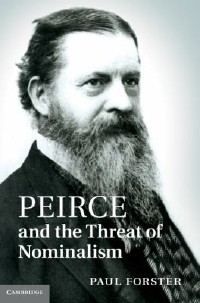
"Charles Peirce, the founder of pragmatism, was a thinker of extraordinary depth and range - he wrote on philosophy, mathematics, psychology, physics, logic, phenomenology, semiotics, religion and ethics - but his writings are difficult and fragmentary. This book provides a clear and comprehensive explanation of Peirce's thought. His philosophy is presented as a systematic response to 'nominalism', the philosophy which he most despised and which he regarded as the underpinning of the dominant philosophical worldview of his time. The book explains Peirce's challenge to nominalism as a theory of meaning and shows its implications for his views of knowledge, truth, the nature of reality, and ethics. It will be essential reading both for Peirce scholars and for those new to his work"--
"Charles Peirce, the founder of pragmatism, was a thinker of extraordinary depth and range - he wrote on philosophy, mathematics, psychology, physics, logic, phenomenology, semiotics, religion and ethics - but his writings are difficult and fragmentary. This book provides a clear and comprehensive explanation of Peirce's thought. His philosophy is presented as a systematic response to 'nominalism', the philosophy which he most despised and which he regarded as the underpinning of the dominant philosophical worldview of his time. The book explains Peirce's challenge to nominalism as a theory of meaning and shows its implications for his views of knowledge, truth, the nature of reality and ethics. It will be essential reading both for Peirce scholars and for those new to his work"--
目录
Cover 1
Half-title 3
Title 5
Copyright 6
Dedication 7
Contents 9
Preface 11
Abbreviations 14
CHAPTER 1 Nominalism as demonic doctrine 15
The essence of nominalism 18
The evils of nominalism 21
Summary 25
CHAPTER 2 Logic, philosophy and the special sciences 27
The nominalist view of the science of inquiry 28
The science of inquiry as a natural science 30
The science of inquiry as an a priori science of the mind 36
Peirce\u2019s conception of the science of inquiry 42
The subject matter of the science of inquiry 45
A non-circular foundation for the science of inquiry 47
The science of inquiry as experimental science 50
Conclusion 54
CHAPTER 3 Continuity and the problem of universals 56
Continuity and the nominalism question 57
The failure of the nominalist account of continuity 59
Continuity and infinity 59
Continua versus collections 62
Nominalism as a theory of general concepts 74
Conclusion 76
CHAPTER 4 Continuity and meaning: Peirce\u2019s pragmatic maxim 78
Peirce\u2019s pragmatic maxim 80
Peirce\u2019s critique of the nominalist theory of meaning 86
CHAPTER 5 Logical foundations of Peirce\u2019s pragmatic maxim 92
Grounding the maxim in the theory of symbols 95
Step 1: terms signify inferential habits 98
Step 2: habits signified by terms have meaning only in application to objects 100
Step 3: predicating a term of an object requires an index 102
Step 4: the meaning of a symbol is given by its empirical implications 104
Step 5: the empirical implications of a symbol pertain to practical consequences 106
Step 6: the practical effects of a symbol are experimental phenomena 110
The generality of Peirce\u2019s pragmatic analysis of symbols 113
The superiority of Peirce\u2019s defence of the pragmatic maxim 116
Conclusion 119
CHAPTER 6 Experience and its role in inquiry 122
The nature of experience: methodological issues 123
The nature of immediate experience 127
Peirce on perceptual judgements 133
Conclusion 142
CHAPTER 7 Inquiry as self-corrective 144
Peirce\u2019s view of the problem of knowledge 144
Inquiry as self-corrective 146
The conditions that prompt inquiry 146
Devising hypotheses by abduction 147
Deducing the testable consequences of hypotheses 155
Testing hypotheses by induction 158
How inquiry corrects itself 169
Conclusion 169
CHAPTER 8 Theories of truth: Peirce versus the nominalists 171
Nominalism and the problem of truth 171
From the theory of symbols to the theory of truth 174
Peirce\u2019s correspondence theory of truth 175
Peirce\u2019s coherence theory of truth 178
Peirce\u2019s consensus theory of truth 181
Peirce\u2019s instrumentalist theory of truth 184
Conclusion 188
CHAPTER 9 Order out of chaos: Peirce\u2019s evolutionary cosmology 190
The case for the reality of laws 191
Synechism as a hypothesis: methodological considerations 193
Potentiality, teleology and the explanation of reality 196
The evolution of reality 198
Nullity: the universe of pure being 198
The evolution of qualitative possibilities 203
The evolution of existence 208
The evolution of lawfulness 212
Conclusion 216
CHAPTER 10 A universe of chance: foundations of Peirce\u2019s indeterminism 219
Necessitarianism: the case against objective chance 220
Initial doubts about necessitarianism 222
Necessitarianism as a presupposition of inquiry 224
The empirical case for necessitarianism 230
Peirce\u2019s case for tychism 233
The explanation of growth 233
The explanation of variety 235
The explanation of law 238
The explanation of consciousness 238
Conclusion 244
CHAPTER 11 From inquiry to ethics: the pursuit of truth as moral ideal 246
Inquiry as an ethical pursuit 247
Epistemic individualism versus communal rationality 252
From individual belief to communal conduct 255
Conclusion 258
Bibliography 261
Index 269
Half-title 3
Title 5
Copyright 6
Dedication 7
Contents 9
Preface 11
Abbreviations 14
CHAPTER 1 Nominalism as demonic doctrine 15
The essence of nominalism 18
The evils of nominalism 21
Summary 25
CHAPTER 2 Logic, philosophy and the special sciences 27
The nominalist view of the science of inquiry 28
The science of inquiry as a natural science 30
The science of inquiry as an a priori science of the mind 36
Peirce\u2019s conception of the science of inquiry 42
The subject matter of the science of inquiry 45
A non-circular foundation for the science of inquiry 47
The science of inquiry as experimental science 50
Conclusion 54
CHAPTER 3 Continuity and the problem of universals 56
Continuity and the nominalism question 57
The failure of the nominalist account of continuity 59
Continuity and infinity 59
Continua versus collections 62
Nominalism as a theory of general concepts 74
Conclusion 76
CHAPTER 4 Continuity and meaning: Peirce\u2019s pragmatic maxim 78
Peirce\u2019s pragmatic maxim 80
Peirce\u2019s critique of the nominalist theory of meaning 86
CHAPTER 5 Logical foundations of Peirce\u2019s pragmatic maxim 92
Grounding the maxim in the theory of symbols 95
Step 1: terms signify inferential habits 98
Step 2: habits signified by terms have meaning only in application to objects 100
Step 3: predicating a term of an object requires an index 102
Step 4: the meaning of a symbol is given by its empirical implications 104
Step 5: the empirical implications of a symbol pertain to practical consequences 106
Step 6: the practical effects of a symbol are experimental phenomena 110
The generality of Peirce\u2019s pragmatic analysis of symbols 113
The superiority of Peirce\u2019s defence of the pragmatic maxim 116
Conclusion 119
CHAPTER 6 Experience and its role in inquiry 122
The nature of experience: methodological issues 123
The nature of immediate experience 127
Peirce on perceptual judgements 133
Conclusion 142
CHAPTER 7 Inquiry as self-corrective 144
Peirce\u2019s view of the problem of knowledge 144
Inquiry as self-corrective 146
The conditions that prompt inquiry 146
Devising hypotheses by abduction 147
Deducing the testable consequences of hypotheses 155
Testing hypotheses by induction 158
How inquiry corrects itself 169
Conclusion 169
CHAPTER 8 Theories of truth: Peirce versus the nominalists 171
Nominalism and the problem of truth 171
From the theory of symbols to the theory of truth 174
Peirce\u2019s correspondence theory of truth 175
Peirce\u2019s coherence theory of truth 178
Peirce\u2019s consensus theory of truth 181
Peirce\u2019s instrumentalist theory of truth 184
Conclusion 188
CHAPTER 9 Order out of chaos: Peirce\u2019s evolutionary cosmology 190
The case for the reality of laws 191
Synechism as a hypothesis: methodological considerations 193
Potentiality, teleology and the explanation of reality 196
The evolution of reality 198
Nullity: the universe of pure being 198
The evolution of qualitative possibilities 203
The evolution of existence 208
The evolution of lawfulness 212
Conclusion 216
CHAPTER 10 A universe of chance: foundations of Peirce\u2019s indeterminism 219
Necessitarianism: the case against objective chance 220
Initial doubts about necessitarianism 222
Necessitarianism as a presupposition of inquiry 224
The empirical case for necessitarianism 230
Peirce\u2019s case for tychism 233
The explanation of growth 233
The explanation of variety 235
The explanation of law 238
The explanation of consciousness 238
Conclusion 244
CHAPTER 11 From inquiry to ethics: the pursuit of truth as moral ideal 246
Inquiry as an ethical pursuit 247
Epistemic individualism versus communal rationality 252
From individual belief to communal conduct 255
Conclusion 258
Bibliography 261
Index 269
- 名称
- 类型
- 大小
光盘服务联系方式: 020-38250260 客服QQ:4006604884
云图客服:
用户发送的提问,这种方式就需要有位在线客服来回答用户的问题,这种 就属于对话式的,问题是这种提问是否需要用户登录才能提问
Video Player
×
Audio Player
×
pdf Player
×
