

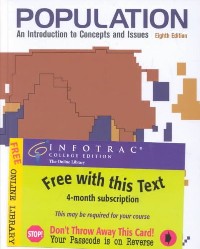
Population : an introduction to concepts and issues / 8th ed.
副标题:无
作 者:John R. Weeks.
分类号:
ISBN:9780534529765
微信扫一扫,移动浏览光盘
简介
This textbook introduces the field of population demography and explains the three basic demographic processes--mortality, fertility, and migration. It further explores the relationship between population processes and societal change, and their connections to factors like age, sex, family, ethnicity, education, and religion. Current transitions are described, including the epidemiological transition, the fertility transition, the migration and urban transitions, the age transition, and the transition in family structure. Weeks teaches at San Diego University. Annotation c. Book News, Inc., Portland, OR (booknews.com)
目录
A Demographic Perspective p. 1
Introduction to the World's Population p. 3
Demography: The Science of Population p. 4
World Population Growth p. 7
Geographic Distribution of the World's Population p. 19
Differences in Growth Rates p. 21
Global Variation in Population Size and Growth p. 25
Global Demographic Contrasts p. 37
Demographic Data p. 41
Sources of Demographic Data p. 42
Population Censuses p. 42
Registration of Vital Events p. 63
Combining the Census and Vital Statistics p. 67
Administrative Data p. 67
Sample Surveys p. 68
Historical Sources p. 69
Demographic Uses of Geographic Information Systems p. 70
Where Can you Go for Information? p. 72
Who Uses Population Data? p. 73
Demographic Perspectives p. 78
Premodern Population Doctrines p. 81
The Prelude to Malthus p. 85
The Malthusian Perspective p. 86
The Marxian Perspective p. 92
The Prelude to the Demographic Transition Theory p. 96
The Theory of the Demographic Transition p. 99
The Theory of Demographic Change and Response p. 106
The Easterlin Relative Cohort Size Hypothesis p. 107
Theories About the Consequences of Population Growth p. 109
There Are Many other Theories p. 110
Population Processes p. 115
Mortality p. 117
Components of Mortality p. 118
Causes of Death p. 124
Measuring Mortality p. 138
The Epidemiological Transition p. 140
Urban and Rural Differentials in Mortality p. 148
Social Status Differentials in Mortality p. 149
Gender Differentials in Mortality p. 154
Important Age Differentials in Mortality p. 156
Fertility Concepts and Measurements p. 166
What is Fertility? p. 167
How Can Fertility be Controlled? p. 172
Measuring Fertility p. 193
The Fertility Transition p. 203
Explanations for High Fertility p. 204
Explanations for the Fertility Transition p. 211
Illustrations from Higher-Fertility Countries p. 224
Illustrations from Lower Fertility Countries p. 229
Migration p. 246
Defining Migration p. 248
Measuring Migration p. 250
Why Do People Choose to Migrate? p. 253
Forced Migration p. 266
Where Do People Migrate? p. 269
Population Structure and Characteristics p. 291
Age and Sex p. 293
The Concepts of Age and Age Cohorts p. 294
The Concepts of Sex and Gender p. 300
Measuring the Dynamics of the Age Transition p. 303
The Age Transition p. 313
Age Transitions at Work p. 327
Population Aging and the Life Course p. 336
What is Old? p. 337
Population Aging p. 339
Individual Aging p. 347
The Social Context of Aging and the Life Course p. 354
The Sex and Age Structure of the Older Population p. 355
Family Demography and Life Chances p. 371
Defining Family Demography and Life Chances p. 373
The Family and Household Transition p. 375
Proximate Determinants of Family and Household Changes p. 380
Changing Life Chances p. 392
The Intersection of Changing Life Chances and the Family and Household Transition p. 416
The Urban Transition p. 423
What is Urban? p. 425
An Overview of Urbanization p. 426
Demographic Components of Urbanization p. 432
The Urban Transition in the Context of the Demographic Transition p. 442
The Impact of the Urban Transition on the Human Condition p. 448
Cities as Sustainable Environments p. 455
Using the Demographic Perspective p. 461
Population and the Environment p. 463
Economic Development--The Use and Abuse of Resources p. 465
How is Population Related to Economic Development? p. 470
The Bottom Line for the Future: Can Billions More People Be Fed? p. 480
By-Products of Development--The Degradation of the Environment p. 491
Sustainable Development--Possibility or Oxymoron? p. 498
Population Policy p. 513
What is a Policy? p. 514
The Relevance of Population Policy in the Twenty-First Century p. 517
Retarding Growth p. 518
Promoting or Maintaining Growth p. 541
World Population Conferences as Policy Tools p. 543
Managing the Age Structure--Planning for A Bifurcated World p. 552
The Intersection of Population Policy and Environmental Policy p. 554
Demographics p. 558
Defining Demographics p. 559
The Uses of Demographics p. 559
Geographic Information Systems--The Tool of Demographics p. 560
Political Planning p. 563
Social Planning p. 567
Business Planning p. 573
Corporate Demography p. 581
Should You Pursue A Career in Demographics? p. 581
Appendix p. 587
The Life Table, Net Reproduction Rate, and Mean Length of Generation p. 587
The Life Table p. 588
Net Reproduction Rate and Mean Length of Generation p. 594
Glossary p. 597
Bibliography p. 611
Indexes p. 651
Introduction to the World's Population p. 3
Demography: The Science of Population p. 4
World Population Growth p. 7
Geographic Distribution of the World's Population p. 19
Differences in Growth Rates p. 21
Global Variation in Population Size and Growth p. 25
Global Demographic Contrasts p. 37
Demographic Data p. 41
Sources of Demographic Data p. 42
Population Censuses p. 42
Registration of Vital Events p. 63
Combining the Census and Vital Statistics p. 67
Administrative Data p. 67
Sample Surveys p. 68
Historical Sources p. 69
Demographic Uses of Geographic Information Systems p. 70
Where Can you Go for Information? p. 72
Who Uses Population Data? p. 73
Demographic Perspectives p. 78
Premodern Population Doctrines p. 81
The Prelude to Malthus p. 85
The Malthusian Perspective p. 86
The Marxian Perspective p. 92
The Prelude to the Demographic Transition Theory p. 96
The Theory of the Demographic Transition p. 99
The Theory of Demographic Change and Response p. 106
The Easterlin Relative Cohort Size Hypothesis p. 107
Theories About the Consequences of Population Growth p. 109
There Are Many other Theories p. 110
Population Processes p. 115
Mortality p. 117
Components of Mortality p. 118
Causes of Death p. 124
Measuring Mortality p. 138
The Epidemiological Transition p. 140
Urban and Rural Differentials in Mortality p. 148
Social Status Differentials in Mortality p. 149
Gender Differentials in Mortality p. 154
Important Age Differentials in Mortality p. 156
Fertility Concepts and Measurements p. 166
What is Fertility? p. 167
How Can Fertility be Controlled? p. 172
Measuring Fertility p. 193
The Fertility Transition p. 203
Explanations for High Fertility p. 204
Explanations for the Fertility Transition p. 211
Illustrations from Higher-Fertility Countries p. 224
Illustrations from Lower Fertility Countries p. 229
Migration p. 246
Defining Migration p. 248
Measuring Migration p. 250
Why Do People Choose to Migrate? p. 253
Forced Migration p. 266
Where Do People Migrate? p. 269
Population Structure and Characteristics p. 291
Age and Sex p. 293
The Concepts of Age and Age Cohorts p. 294
The Concepts of Sex and Gender p. 300
Measuring the Dynamics of the Age Transition p. 303
The Age Transition p. 313
Age Transitions at Work p. 327
Population Aging and the Life Course p. 336
What is Old? p. 337
Population Aging p. 339
Individual Aging p. 347
The Social Context of Aging and the Life Course p. 354
The Sex and Age Structure of the Older Population p. 355
Family Demography and Life Chances p. 371
Defining Family Demography and Life Chances p. 373
The Family and Household Transition p. 375
Proximate Determinants of Family and Household Changes p. 380
Changing Life Chances p. 392
The Intersection of Changing Life Chances and the Family and Household Transition p. 416
The Urban Transition p. 423
What is Urban? p. 425
An Overview of Urbanization p. 426
Demographic Components of Urbanization p. 432
The Urban Transition in the Context of the Demographic Transition p. 442
The Impact of the Urban Transition on the Human Condition p. 448
Cities as Sustainable Environments p. 455
Using the Demographic Perspective p. 461
Population and the Environment p. 463
Economic Development--The Use and Abuse of Resources p. 465
How is Population Related to Economic Development? p. 470
The Bottom Line for the Future: Can Billions More People Be Fed? p. 480
By-Products of Development--The Degradation of the Environment p. 491
Sustainable Development--Possibility or Oxymoron? p. 498
Population Policy p. 513
What is a Policy? p. 514
The Relevance of Population Policy in the Twenty-First Century p. 517
Retarding Growth p. 518
Promoting or Maintaining Growth p. 541
World Population Conferences as Policy Tools p. 543
Managing the Age Structure--Planning for A Bifurcated World p. 552
The Intersection of Population Policy and Environmental Policy p. 554
Demographics p. 558
Defining Demographics p. 559
The Uses of Demographics p. 559
Geographic Information Systems--The Tool of Demographics p. 560
Political Planning p. 563
Social Planning p. 567
Business Planning p. 573
Corporate Demography p. 581
Should You Pursue A Career in Demographics? p. 581
Appendix p. 587
The Life Table, Net Reproduction Rate, and Mean Length of Generation p. 587
The Life Table p. 588
Net Reproduction Rate and Mean Length of Generation p. 594
Glossary p. 597
Bibliography p. 611
Indexes p. 651
Population : an introduction to concepts and issues / 8th ed.
- 名称
- 类型
- 大小
光盘服务联系方式: 020-38250260 客服QQ:4006604884
云图客服:
用户发送的提问,这种方式就需要有位在线客服来回答用户的问题,这种 就属于对话式的,问题是这种提问是否需要用户登录才能提问
Video Player
×
Audio Player
×
pdf Player
×
