

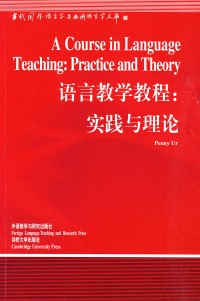
A Course in Language Teaching:Practice and Theory
副标题:无
分类号:
ISBN:9787560020501
微信扫一扫,移动浏览光盘
简介
This comprehensive training course provides a complete introduction to teaching languages, for use in both pre-service or in-service settings. It can be used by groups of teachers working with a trainer, or as a self-study resource. The course consists of modules on Key topics tuch as Practice Activities, Testing, Teaching Reading. Lesson Planning, Teaching Large Heterogeneous Classes-and many others. Each module presents both practical and theoreical apsects of the topic, with tasks. Modules can be used in sequence or selectively. Suggestions for classroom observation and practice, action research projects and further reading are included. Notes for the trainer, with stimulating insights from the authors personal experience, complete the course. Penny Ur is a teacher and teacher-trainer, and is the author of several successful books for teachers in the Cambridge Handbooks for Language Teachers series: Discussions that Work, Five-Minute Activities(with Andrew Wright), Grammar Practice Activities, and Teaching Listening Comprehension.
目录
units with a symbol are components of the 'core' course; those with a symbol are 'optional'
preface by halliday
王宗炎序
导读
acknowledgements
read this first: to the (trainee) teacher to the trainer
introduction
part i the teaching process
module 1: presentations and explanations
unit one: effective presentation
unit two: examples of presentation procedures
unit three: explanations and instructions
module 2: practice activities
unit one: the function of practice
unit two: characteristics of a good practice activity
unit three: practice techniques
unit four: sequence and progression in practice
module 3: tests
unit one: what are tests for?
unit two: basic concepts; the test experience
unit three: types of test elicitation techniques
unit four: designing a test
unit five: test administration
part ii teaching the language(1)the'what'
module 4: teaching pronunciation
unit one: what does teaching pronunciation involve?
unit two: listening to accents
unit three: improving learners' pronunciation
unit four: further topics for discussion
unit five: pronunciation and spelling
module 5: teaching vocabulary
unit one: what is vocabulary and what needs to be taught?
unit two: presenting new vocabulary
unit three: remembering vocabulary
unit four: ideas for vocabulary work in the classroom
unit five: testing vocabulary
module 6: teaching grammar
unit one: what is grammar?
unit two: the place of grammar teaching
unit three: grammatical terms
unit four: presenting and explaining grammar
unit five: grammar practice activities
unit six: grammatical mistakes
module 7: topics, situations, notions, functions
unit one: topics and situations
unit two: what are notions and functions?
unit three: teaching chunks of language: from text to task
unit four: teaching chunks of language: from task to text
unit five: combining different kinds of language segments
part iii teaching the language(2):the'how'
module 8: teaching listening
unit one: what does real-life listening involve?
unit two: real-life listening in the classroom
unit three: learner problems
unit four: types of activities
unit five: adapting activities
module 9: teaching speaking
unit one: successful oral fluency practice
unit two: the functions of topic and task
unit three: discussion activities
unit four: other kinds of spoken interaction
unit five: role play and related techniques
unit six: oral testing
module 10: teaching reading
unit one: how do we read?
unit two: beginning reading
unit three: types of reading activities
unit four: improving reading skills
unit five: advanced reading
module 11: teaching writing
unit one: written versus spoken text
unit two: teaching procedures
unit three: tasks that stimulate writing
unit four: the process of composition
unit five: giving feedback on writing
part iv course content
module 12: the syllabus
unit one: what is a syllabus?
unit two: different types of language syllabus
unit three: using the syllabus
module 13: materials
unit one: how necessary is a coursebook?
unit two: coursebook assessment
unit three: using a coursebook
unit four: supplementary materials
unit five: teacher-made worksheets and workcards
module 14: topic content
unit one: different kinds of content
unit two: underlying messages
unit three: literature (1): should it be included in the course?
unit four: literature (2): teaching ideas
unit five: literature (3): teaching a specific text
part iv lessons
module 15: lesson planning
unit one: what does a lesson involve?
unit two: lesson preparation
unit three: varying lesson components
unit four: evaluating lesson effectiveness
unit five: practical lesson management
module 16: classroom interaction
unit one: patterns of classroom interaction
unit two: questioning
unit three: group work
unit four: individualization
unit five: the selection of appropriate activation techniques
module 17: giving feedback
unit one: different approaches to the nature and function of feedback
unit two: assessment
unit three: correcting mistakes in oral work
unit four: written feedback
unit five: clarifying personal attitudes
module 18: classroom discipline
unit one: what is discipline?
unit two: what does a disciplined classroom look like?
unit three: what teacher action is conducive to a disciplined classroom?
unit four: dealing with discipline problems
unit five: discipline problems: episodes
part vi learner differences
module 19: learner motivation and interest
unit one: motivation: some background thinking
unit two: the teacher's responsibility
unit three: extrinsic motivation
unit four: intrinsic motivation and interest
unit five: fluctuations in learner interest
module 20: younger and older learners
unit one: what difference does age make to language learning?
unit two: teaching children
unit three: teaching adolescents: student preferences
unit four: teaching adults: a different relationship
module 21: large heterogeneous classes
unit one: defining terms
unit two: problems and advantages
unit three: teaching strategies (1): compulsory + optional
unit four: teaching strategies (2): open-ending
unit five: designing your own activities
part vii and beyond
module 22: and beyond
unit one: teacher development: practice, reflection, sharing
unit two: teacher appraisal
unit three: advancing further (1): intake
unit four: advancing further (2): output
trainer's notes
bibliography
index
文库索引
preface by halliday
王宗炎序
导读
acknowledgements
read this first: to the (trainee) teacher to the trainer
introduction
part i the teaching process
module 1: presentations and explanations
unit one: effective presentation
unit two: examples of presentation procedures
unit three: explanations and instructions
module 2: practice activities
unit one: the function of practice
unit two: characteristics of a good practice activity
unit three: practice techniques
unit four: sequence and progression in practice
module 3: tests
unit one: what are tests for?
unit two: basic concepts; the test experience
unit three: types of test elicitation techniques
unit four: designing a test
unit five: test administration
part ii teaching the language(1)the'what'
module 4: teaching pronunciation
unit one: what does teaching pronunciation involve?
unit two: listening to accents
unit three: improving learners' pronunciation
unit four: further topics for discussion
unit five: pronunciation and spelling
module 5: teaching vocabulary
unit one: what is vocabulary and what needs to be taught?
unit two: presenting new vocabulary
unit three: remembering vocabulary
unit four: ideas for vocabulary work in the classroom
unit five: testing vocabulary
module 6: teaching grammar
unit one: what is grammar?
unit two: the place of grammar teaching
unit three: grammatical terms
unit four: presenting and explaining grammar
unit five: grammar practice activities
unit six: grammatical mistakes
module 7: topics, situations, notions, functions
unit one: topics and situations
unit two: what are notions and functions?
unit three: teaching chunks of language: from text to task
unit four: teaching chunks of language: from task to text
unit five: combining different kinds of language segments
part iii teaching the language(2):the'how'
module 8: teaching listening
unit one: what does real-life listening involve?
unit two: real-life listening in the classroom
unit three: learner problems
unit four: types of activities
unit five: adapting activities
module 9: teaching speaking
unit one: successful oral fluency practice
unit two: the functions of topic and task
unit three: discussion activities
unit four: other kinds of spoken interaction
unit five: role play and related techniques
unit six: oral testing
module 10: teaching reading
unit one: how do we read?
unit two: beginning reading
unit three: types of reading activities
unit four: improving reading skills
unit five: advanced reading
module 11: teaching writing
unit one: written versus spoken text
unit two: teaching procedures
unit three: tasks that stimulate writing
unit four: the process of composition
unit five: giving feedback on writing
part iv course content
module 12: the syllabus
unit one: what is a syllabus?
unit two: different types of language syllabus
unit three: using the syllabus
module 13: materials
unit one: how necessary is a coursebook?
unit two: coursebook assessment
unit three: using a coursebook
unit four: supplementary materials
unit five: teacher-made worksheets and workcards
module 14: topic content
unit one: different kinds of content
unit two: underlying messages
unit three: literature (1): should it be included in the course?
unit four: literature (2): teaching ideas
unit five: literature (3): teaching a specific text
part iv lessons
module 15: lesson planning
unit one: what does a lesson involve?
unit two: lesson preparation
unit three: varying lesson components
unit four: evaluating lesson effectiveness
unit five: practical lesson management
module 16: classroom interaction
unit one: patterns of classroom interaction
unit two: questioning
unit three: group work
unit four: individualization
unit five: the selection of appropriate activation techniques
module 17: giving feedback
unit one: different approaches to the nature and function of feedback
unit two: assessment
unit three: correcting mistakes in oral work
unit four: written feedback
unit five: clarifying personal attitudes
module 18: classroom discipline
unit one: what is discipline?
unit two: what does a disciplined classroom look like?
unit three: what teacher action is conducive to a disciplined classroom?
unit four: dealing with discipline problems
unit five: discipline problems: episodes
part vi learner differences
module 19: learner motivation and interest
unit one: motivation: some background thinking
unit two: the teacher's responsibility
unit three: extrinsic motivation
unit four: intrinsic motivation and interest
unit five: fluctuations in learner interest
module 20: younger and older learners
unit one: what difference does age make to language learning?
unit two: teaching children
unit three: teaching adolescents: student preferences
unit four: teaching adults: a different relationship
module 21: large heterogeneous classes
unit one: defining terms
unit two: problems and advantages
unit three: teaching strategies (1): compulsory + optional
unit four: teaching strategies (2): open-ending
unit five: designing your own activities
part vii and beyond
module 22: and beyond
unit one: teacher development: practice, reflection, sharing
unit two: teacher appraisal
unit three: advancing further (1): intake
unit four: advancing further (2): output
trainer's notes
bibliography
index
文库索引
A Course in Language Teaching:Practice and Theory
- 名称
- 类型
- 大小
光盘服务联系方式: 020-38250260 客服QQ:4006604884
云图客服:
用户发送的提问,这种方式就需要有位在线客服来回答用户的问题,这种 就属于对话式的,问题是这种提问是否需要用户登录才能提问
Video Player
×
Audio Player
×
pdf Player
×
