

微信扫一扫,移动浏览光盘
简介
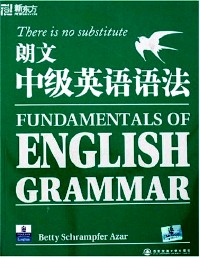
《朗文英语语法》系列是一套专门为中级水平的英语学习者提高语法技能而量身定做的教材。本书为该系列之一的“高级语法”分册,书中以语法为核心,同时通过各种方法帮助学习者全面提升各项语言技能。本书既可以用作课堂教材,也可以作为参考资料供学生自学。
《朗文英语语法》系列是专门为英语学习者量身定做的一套语法教材,分为初级、中级、高级三个级别,并配有对应的强化训练册。该系列教材自20世纪80年代出版以来,深受英语学习者喜爱,在国际上享有盛誉。这套教材不仅对语法知识及其基本应用进行了图表化的归纳总结和透彻讲解,而且兼顾了听、说、读、写多项技能。通过学习本书,学生不仅能够循序渐进地轻松掌握各种语法规则,而且能够通过丰富的练习进行交际实践,从而充分体会到语法学习的实用性和趣味性。
以图表方式简化对语法规则的说明,系统性扩充相关要点;例句清晰简明,有助于理解语法结构并实际应用。练习包括口头及书面两种方式,针对听、说、读、写等多项技能整体设计,内容丰富,形式多样,实用性与趣味性
强,便于及时检查学习成果,巩固提高。设置多种互动性极强的分组对话和开放式自由讨论活动,主题及例句贴近学生生活,使语法学习与实践应用紧密结合。章节容量适宜,安排合理,资源丰富,方便学习与教学。套色印刷,版面清晰,编排精致,好学易懂。
目录
第一章 现在时(Present Time)
1-1 一般现在时与现在进行时(The Simple Present and the Present Progressive)
1-2 一般现在时与现在进行时的形式(Forms of the Simple Present and the Present Progressive)
1-3 频度副词(Frequency Adverbs)
1-4 第三人称单数结尾-s(Final -s)
1-5 第三人称单数结尾-s/-es的拼写(Spelling of Final -s/-es)
1-6 非行为动词(Non-action Verbs)
1-7 现在时动词:一般疑问句的简略回答(Present Verbs: Short Answers to Yes/No Questions)
第二章 过去时(Past Time)
2-1 表达过去:一般过去时(Expressing Past Time: the Simple Past)
2-2 一般过去时的形式:规则动词(Forms of the Simple Past: Regular Verbs)
2-3 一般过去时的形式:be动词(Forms of the Simple Past: be)
2-4 规则动词:结尾-ed的发音(Regular Verbs: Pronunciation of -ed Endings)
2-5 结尾-ing和-ed 形式的拼写(Spelling of -ing and -ed Forms)
2-6 动词的主要形式(The Principal Parts of a Verb)
2-7 不规则动词:参照表(Irregular Verbs: a Reference List)
2-8 一般过去时与过去进行时(The Simple Past and the Past Progressive)
2-9 过去进行时的形式(Forms of the Past Progressive)
2-10 表示过去:使用时间从句(Expressing Past Time: Using Time Clauses)
2-11 表示过去的习惯:used to(Expressing Past Habit: used to)
第三章 将来时(Future Time)
3-1 表示将来:be going to和will(Expressing Future Time: be going to and will)
3-2 be going to表示将来时的形式(Forms with be going to)
3-3 will表示将来时的形式(Forms with will)
3-4 将来的确定性(Sureness about the Future)
3-5 be going to与will的比较(be going to vs.will)
3-6 在时间从句和if从句中表示将来(Expressing the Future in Time Clauses and if-clauses)
3-7 用现在进行时表示将来(Using the Present Progressive to Express Future Time)
3-8 用一般现在时表示将来(Using the Simple Present to Express Future Time)
3-9 最近的将来:be about to的用法(Immediate Future: Using be about to)
3-10 平行动词(Parallel Verbs)
第四章 现在完成时与过去完成时(The Present Perfect And The Past Perfect)
4-1 过去分词(Past Participle)
4-2 现在完成时的形式(Forms of the Present Perfect)
4-3 现在完成时的含义(Meanings of the Present Perfect)
4-4 一般过去时与现在完成时的比较(Simple Past vs.Present Perfect)
4-5 since 和 for 的用法(Using since and for)
4-6 现在完成进行时(Present Perfect Progressive)
4-7 现在完成进行时与现在完成时的比较(Present Perfect Progressive vs.Present Perfect)
4-8 already, yet, still 和 anymore 的用法(Using already, yet, still, and anymore)
4-9 过去完成时(Past Perfect)
第五章 疑问句(Asking Questions)
5-1 一般疑问句及简略回答(Yes/No Questions and Short Answers)
5-2 一般疑问句与特殊疑问句(Yes/No Questions and Information Questions)
5-3 where, why, when 和 what time(where, why, when, and what time)
5-4 用who, whom和what提问(Questions with who, whom, and what)
5-5 疑问词在口语和书面语中的缩写形式(Spoken and Written Contractions with Question Words)
5-6 用what + do的某一形式提问(Using what + a Form of do)
5-7 用what kind of 提问(Using what kind of)
5-8 用which提问(Using which)
5-9 用whose提问(Using whose)
5-10 用how提问(Using how)
5-11 用how often提问(Using how often)
5-12 用how far提问(Using how far)
5-13 表示时间的长度:it + take 和 how long(Length of Time: it + take and how long)
5-14 how的其他提问方式(More Questions with how)
5-15 用how about 和 what about 提问(Using how about and what about)
5-16 反意疑问句(Tag Questions)
第六章 名词和代词(Nouns And Pronouns)
6-1 -s和-es的发音(Pronunciation of Final -s/-es)
6-2 名词的复数形式(Plural Forms of Nouns) 158
6-3 主语、动词和宾语(Subjects, Verbs, and Objects)
6-4 介词宾语(Objects of Prepositions)
6-5 时间介词(Prepositions of Time)
6-6 词序:地点和时间(Word Order: Place and Time)
6-7 主谓一致(Subject-verb Agreement)
6-8 形容词修饰名词(Using Adjectives to Describe Nouns)
6-9 名词作形容词(Using Nouns as Adjectives)
6-10 人称代词:主格和宾格(Personal Pronouns: Subjects and Objects)
6-11 名词所有格(Possessive Nouns)
6-12 名词性物主代词与形容词性物主代词(Possessive Pronouns and Adjectives)
6-13 反身代词(Reflexive Pronouns)
6-14 other 的单数:another与the other的比较(Singular Forms of other: another vs.the other)
6-15 other 的复数:other(s)与 the other(s)的比较[Plural Forms of other: other(s)vs.the other(s)]
6-16 other 形式的小结(Summary of Forms of other)
第七章 情态动词(Modal Auxiliaries)
7-1 情态动词的形式(The Form of Modal Auxiliaries)
7-2 表示能力:can 和 could(Expressing Ability: can and could)
7-3 表示可能:may 和 might(Expressing Possibility: may and might表示允许:may 和 can(Expressing Permission: may and can)
7-4 用could 表示可能(Using could to Express Possibility)
7-5 礼貌提问:mayI’couldI’can I(Polite Questions: mayI’could I’can I)
7-6 礼貌提问:would you, could you, will you, can you(Polite Questions: would you, could you, will you, can you)
7-7 表示建议:should 和 ought to(Expressing Advice: should and ought to)
7-8 表示建议:had better(Expressing Advice: had better)
7-9 表示必要:have to, have got to, must(Expressing Necessity: have to, have got to, must)
7-10 表示没有必要:do not have to(Expressing Lack of Necessity: do not have to)表示禁止:must not(Expressing Prohibition: must not)
7-11 进行逻辑推理:must(Making Logical Conclusions: must)
7-12 发出指令:祈使句(Giving Instructions: Imperative Sentences)
7-13 提出建议:let’s 和 why don’t(Making Suggestions: let’s and why don’t)
7-14 表示优先选择:prefer, like…better, would rather(Stating Preferences: prefer, like ...better, would rather)
第八章 概念之间的连接(Connecting Ideas)
8-1 用and连接概念(Connecting Ideas with and)
8-2 用but 和 or 连接概念(Connecting Ideas with but and or)
8-3 用 so 连接概念(Connecting Ideas with so)
8-4 助动词在 but 和 and 后的用法(Using Auxiliary Verbs after but and and)
8-5 and + too, so, either, neither 的用法(Using and + too, so, either, neither)
8-6 用 because 连接概念(Connecting Ideas with because)
8-7 用 even though / although 连接概念(Connecting Ideas with even though/although)
第九章 比较(Comparisons)
9-1 用 as…as 进行比较(Making Comparisons with as ...as)
9-2 比较级与最高级(Comparative and Superlative)
9-3 形容词和副词的比较级与最高级形式(Comparative and Superlative Forms of Adjectives and Adverbs)
9-4 完成比较(Completing a Comparative)
9-5 修饰比较级(Modifying Comparatives)
9-6 用less…than和not as … as进行比较(Comparisons with less ...than and not as ...as)
9-7 模糊比较(Unclear Comparisons) 260
9-8 more与名词连用(Using more with Nouns)
9-9 重复比较级(Repeating a Comparative)
9-10 双重比较级的用法(Using Double Comparatives)
9-11 最高级的用法(Using Superlatives)
9-12 the same, similar, different, like及alike的用法(Using the same, similar, different, like, alike)
第十章 被动语态(The Passive)
10-1 主动句与被动句(Active Sentences and Passive Sentences)
10-2 被动句的形式(Form of the Passive)
10-3 及物动词与不及物动词(Transitive and Intransitive Verbs)
10-4 by 短语的用法(Using the by-phrase)
10-5 现在进行时与过去进行时的被动语态(The Passive Forms of the Present and Past Progressive)
10-6 情态动词的被动语态(The Passive Modal Auxiliaries)
10-7 过去分词用作形容词(静态被动)[Using Past Participles as Adjectives(Stative Passive)]
10-8 分词形容词:-ed 形式与 -ing 形式的比较(Participial Adjectives: -ed vs.-ing)
10-9 get + 形容词;get + 过去分词(get + Adjective; get + Past Participle)
10-10 be used/accustomed to 和 get used/accustomed to的用法(Using be used/accustomed to and get used/accustomed to)
10-11 used to 与 be used to的比较(used to vs.be used to)
10-12 be supposed to 的用法(Using be supposed to)
第十一章 可数/不可数名词与冠词(Count/Noncount Nouns And Articles)
11-1 a和an的用法比较(a vs.an)
11-2 可数名词与不可数名词(Count and Noncount Nouns) 3
11-3 不可数名词(Noncount Nouns)
11-4 其他不可数名词(More Noncount Nouns)
11-5 several, a lot of, many/much 及 a few/a little 的用法(Using several, a lot of, many/much, and a few/a little)
11-6 既可数又不可数的名词(Nouns That Can Be Count or Noncount)
11-7 度量单位与不可数名词连用(Using Units of Measure with Noncount Nouns)
11-8 冠词的用法指南(Guidelines for Article Usage)
11-9 带 the 和不带 the 的名称(Using the or ? with Names)
11-10 首字母大写(Capitalization)
第十二章 定语从句(Adjective Clauses)
12-1 定语从句:概述(Adjective Clauses: Introduction)
12-2 who 和 whom 引导定语从句(Using who and whom in Adjective Clauses)
12-3 who, whom和 that 引导定语从句(Using who, whom, and that in Adjective Clauses)
12-4 which 和 that 引导定语从句(Using which and that in Adjective Clauses)
12-5 定语从句中动词的单数与复数形式(Singular and Plural Verbs in Adjective Clauses)
12-6 定语从句中介词的用法(Using Prepositions in Adjective Clauses)
12-7 whose引导定语从句(Using whose in Adjective Clauses)
第十三章 动名词和不定式(Gerunds And Infinitives)
13-1 动词+动名词(Verb + Gerund)
13-2 go + -ing 结构(go + -ing)
13-3 动词+不定式(Verb + Infinitive)
13-4 动词+动名词或不定式(Verb + Gerund or Infinitive)
13-5 介词+动名词(Preposition + Gerund)
13-6 用 by 和 with 表示方式(Using by and with to Express How Something Is Done)
13-7 动名词作主语:it + 不定式的用法(Using Gerunds as Subjects; Using it + Infinitive)
13-8 it + 不定式:用 for(someone)[It + Infinitive: Using for(someone)]
13-9 用in order to 和 for 表示目的(Expressing Purpose with in order to and for)
13-10 不定式与 too 和 enough 连用(Using Infinitives with too and enough)
第十四章 名词性从句(Noun Clauses)
14-1 名词性从句:概述(Noun Clauses: Introduction)
14-2 疑问词引导的名词性从句(Noun Clauses That Begin with a Question Word)
14-3 who, what, whose + be 引导的名词性从句(Noun Clauses with who, what, whose + be)
14-4 if 或 whether 引导的名词性从句(Noun Clauses That Begin with if or whether)
14-5 that 引导的名词性从句(Noun Clauses That Begin with that)
14-6 that 从句的其他用法(Other Uses of that-clauses)
14-7 对话应答中用 so 替代 that 从句(Substituting so for a that-clause in Conversational Responses)
14-8 直接引语(Quoted Speech) 420
14-9 直接引语与间接引语的比较(Quoted Speech vs.Reported Speech)
14-10 间接引语中的动词形式(Verb Forms in Reported Speech)
14-11 常见的转述动词: tell, ask, answer/reply(Common Reporting Verbs: tell, ask, answer/reply)
附录 1 动词短语(Phrasal Verbs)
A1-1 动词短语:概述(Phrasal Verbs: Introduction)
A1-2 动词短语:不及物(Phrasal Verbs: Intransitive)
A1-3 三个词构成的动词短语(Three-word Phrasal Verbs)
A1-4 动词短语:参照表(Phrasal Verbs: a Reference List)
附录 2 介词搭配(Preposition Combinations)
A2-1 介词搭配:概述(Preposition Combinations: Introduction)
A2-2 介词搭配:参照表(Preposition Combinations: a Reference List)
答案(Answer Key)
Fundamentals of English grammar
- 名称
- 类型
- 大小
光盘服务联系方式: 020-38250260 客服QQ:4006604884
云图客服:
用户发送的提问,这种方式就需要有位在线客服来回答用户的问题,这种 就属于对话式的,问题是这种提问是否需要用户登录才能提问
Video Player
×
Audio Player
×
pdf Player
×
