

微信扫一扫,移动浏览光盘
简介
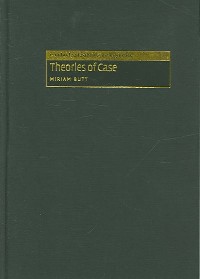
"Case, a system which marks the relationships between words in a sentence, is fundamental to every language. Looking at how different theories of syntax have accountedfor the distribution of case across languages, this accessible textbook introduces the various approaches to case that have been proposed in modern linguistics. Clearly organised into topics, it provides beginning students with a solid understanding of the ideas behind the development of theories of case. For the more advancedreader, it presents theories that have been formulated about the interaction between case morphology, argument structure, grammatical relations and semantics, and offersa detailed cross-theoretical discussion of how these are motivated. Each chapter contains practical exercises, encouraging students to engage with the ideas discussed. Drawing on data from a wide range of languages and poolingtogether a variety of perspectives, Theories of Case is essential reading for all those studying this important area of linguistics."--BOOK JACKET.
目录
Acknowledgements p. xi
Abbreviations p. xiii
1 Introduction p. 1
1.1 Overview p. 1
1.2 What is Case? p. 3
1.2.1 Head vs. Dependent Marking p. 5
1.2.2 Is Everything Case? - Persian ezafe p. 6
1.2.3 Adverbial Case p. 6
1.2.4 Case and Finiteness p. 7
1.2.5 Nominal Case p. 8
1.2.6 Case Stacking p. 9
1.3 Levels of Abstractness p. 11
2 Foundational Perspectives p. 12
2.1 Introduction p. 12
2.2 The Greek and Roman Tradition p. 13
2.3 The Indian Tradition p. 15
2.4 The Arabic Tradition p. 18
2.5 Exercises p. 21
3 Grammatical Relations p. 23
3.1 The Structure of Sentences p. 23
3.2 Transformational Grammar, Case and the Passive p. 24
3.3 Relational Grammar p. 26
3.4 The Notion of Grammatical Relations p. 28
3.5 Case Grammar and Thematic Roles p. 29
3.6 Core Ideas of Relational Grammar p. 33
3.6.1 The Passive Revisited p. 33
3.6.2 Case in Relational Grammar p. 36
3.7 The Unaccusative Hypothesis p. 38
3.8 The Universal Alignment Hypothesis p. 42
3.9 Summary p. 44
3.10 Exercises p. 44
4 Structural Case p. 46
4.1 The Structural View of Grammatical Relations p. 46
4.2 The Basic Architecture p. 46
4.3 Thematic Roles p. 48
4.4 Category Neutral Representations: X'-Syntax p. 51
4.5 The VP-internal subject hypothesis p. 53
4.6 Case and Agreement p. 55
4.7 D-Structure, [theta]-Theory, and Structural Case p. 55
4.7.1 Unaccusatives and Unergatives p. 60
4.7.2 Passivization p. 64
4.8 Structural vs. Inherent or Quirky Case p. 67
4.9 Taking Stock p. 71
4.10 Minimalism p. 73
4.10.1 Phases, Merge and Features p. 73
4.10.2 External Arguments p. 75
4.10.3 Lexical Conceptual Structure p. 77
4.10.4 Unergatives, Unaccusatives and Passives p. 79
4.11 English Double Objects p. 83
4.12 Discussion p. 87
4.13 Exercises p. 89
5 Linking Theories p. 91
5.1 Introduction p. 91
5.2 Representation of Predicate-Argument Structure p. 92
5.3 Lexical Decomposition and Linking p. 94
5.4 Proto-Roles p. 98
5.5 Kiparsky's Linking Theory p. 100
5.5.1 Semantic Form and Thematic Roles p. 101
5.5.2 The Feature System p. 103
5.5.3 Linking by Case, Position and Agreement p. 107
5.5.4 Passives, Unaccusatives and Unergatives p. 109
5.6 Lexical Decomposition Grammar p. 111
5.6.1 Basic Analyses p. 113
5.6.2 Unergatives, Unaccusatives and Semantics p. 114
5.6.3 Quirky Case p. 116
5.7 Lexical-Functional Grammar p. 117
5.7.1 LFG Basics p. 117
5.7.2 Argument Structure and Thematic Roles p. 122
5.7.3 Quirky Case and Early Association Principles p. 123
5.7.4 The Introduction of Explicit Features p. 126
5.7.5 Standard LFG Mapping Theory p. 127
5.7.6 Argument Alternations p. 131
5.7.7 Incorporation of Proto-Roles p. 135
5.8 Case Stacking p. 138
5.9 An Interactive Model of Case p. 142
5.9.1 Linking p. 144
5.9.2 Structural Case p. 145
5.9.3 Quirky Case p. 146
5.9.4 Semantic Case p. 146
5.10 Discussion p. 149
5.11 Exercises p. 150
6 The Ergative Dragon p. 153
6.1 Fighting Dragons p. 153
6.2 The Terminology p. 154
6.2.1 Torres Straits and the Agentive Nominative p. 154
6.2.2 A Misunderstanding with Georgian p. 156
6.3 Case Systems p. 158
6.4 Syntactic vs. Morphological Ergativity p. 161
6.5 Approaches to Morphological Ergativity p. 165
6.5.1 The Ergative as an Inherent Case p. 165
6.5.2 The Ergative as a Structural Case p. 169
6.5.3 Linking theories revisited and more types of ergativity p. 173
6.6 Split Ergativity p. 175
6.7 Acquisition Issues p. 176
6.8 Historical Issues p. 179
6.9 Summary p. 183
6.10 Exercises p. 184
7 The Semantics of Case p. 188
7.1 Localist Theories p. 188
7.2 Agency vs. Experience p. 189
7.3 Object Alternations p. 191
7.4 Subject Alternations p. 197
7.5 Discussion p. 199
7.6 Exercises p. 200
8 More Theories Great and Small p. 202
8.1 Role and Reference Grammar p. 202
8.1.1 Basic Linking p. 205
8.1.2 Ditransitives and Dative Subjects p. 208
8.1.3 Ergatives p. 211
8.2 Optimality Theory p. 212
8.2.1 OT Basics p. 213
8.2.2 Structural Case Revisited p. 216
8.2.3 Harmonic Alignment p. 220
8.3 Discussion p. 224
8.4 Exercises p. 226
Language Index p. 250
Subject Index p. 252
Abbreviations p. xiii
1 Introduction p. 1
1.1 Overview p. 1
1.2 What is Case? p. 3
1.2.1 Head vs. Dependent Marking p. 5
1.2.2 Is Everything Case? - Persian ezafe p. 6
1.2.3 Adverbial Case p. 6
1.2.4 Case and Finiteness p. 7
1.2.5 Nominal Case p. 8
1.2.6 Case Stacking p. 9
1.3 Levels of Abstractness p. 11
2 Foundational Perspectives p. 12
2.1 Introduction p. 12
2.2 The Greek and Roman Tradition p. 13
2.3 The Indian Tradition p. 15
2.4 The Arabic Tradition p. 18
2.5 Exercises p. 21
3 Grammatical Relations p. 23
3.1 The Structure of Sentences p. 23
3.2 Transformational Grammar, Case and the Passive p. 24
3.3 Relational Grammar p. 26
3.4 The Notion of Grammatical Relations p. 28
3.5 Case Grammar and Thematic Roles p. 29
3.6 Core Ideas of Relational Grammar p. 33
3.6.1 The Passive Revisited p. 33
3.6.2 Case in Relational Grammar p. 36
3.7 The Unaccusative Hypothesis p. 38
3.8 The Universal Alignment Hypothesis p. 42
3.9 Summary p. 44
3.10 Exercises p. 44
4 Structural Case p. 46
4.1 The Structural View of Grammatical Relations p. 46
4.2 The Basic Architecture p. 46
4.3 Thematic Roles p. 48
4.4 Category Neutral Representations: X'-Syntax p. 51
4.5 The VP-internal subject hypothesis p. 53
4.6 Case and Agreement p. 55
4.7 D-Structure, [theta]-Theory, and Structural Case p. 55
4.7.1 Unaccusatives and Unergatives p. 60
4.7.2 Passivization p. 64
4.8 Structural vs. Inherent or Quirky Case p. 67
4.9 Taking Stock p. 71
4.10 Minimalism p. 73
4.10.1 Phases, Merge and Features p. 73
4.10.2 External Arguments p. 75
4.10.3 Lexical Conceptual Structure p. 77
4.10.4 Unergatives, Unaccusatives and Passives p. 79
4.11 English Double Objects p. 83
4.12 Discussion p. 87
4.13 Exercises p. 89
5 Linking Theories p. 91
5.1 Introduction p. 91
5.2 Representation of Predicate-Argument Structure p. 92
5.3 Lexical Decomposition and Linking p. 94
5.4 Proto-Roles p. 98
5.5 Kiparsky's Linking Theory p. 100
5.5.1 Semantic Form and Thematic Roles p. 101
5.5.2 The Feature System p. 103
5.5.3 Linking by Case, Position and Agreement p. 107
5.5.4 Passives, Unaccusatives and Unergatives p. 109
5.6 Lexical Decomposition Grammar p. 111
5.6.1 Basic Analyses p. 113
5.6.2 Unergatives, Unaccusatives and Semantics p. 114
5.6.3 Quirky Case p. 116
5.7 Lexical-Functional Grammar p. 117
5.7.1 LFG Basics p. 117
5.7.2 Argument Structure and Thematic Roles p. 122
5.7.3 Quirky Case and Early Association Principles p. 123
5.7.4 The Introduction of Explicit Features p. 126
5.7.5 Standard LFG Mapping Theory p. 127
5.7.6 Argument Alternations p. 131
5.7.7 Incorporation of Proto-Roles p. 135
5.8 Case Stacking p. 138
5.9 An Interactive Model of Case p. 142
5.9.1 Linking p. 144
5.9.2 Structural Case p. 145
5.9.3 Quirky Case p. 146
5.9.4 Semantic Case p. 146
5.10 Discussion p. 149
5.11 Exercises p. 150
6 The Ergative Dragon p. 153
6.1 Fighting Dragons p. 153
6.2 The Terminology p. 154
6.2.1 Torres Straits and the Agentive Nominative p. 154
6.2.2 A Misunderstanding with Georgian p. 156
6.3 Case Systems p. 158
6.4 Syntactic vs. Morphological Ergativity p. 161
6.5 Approaches to Morphological Ergativity p. 165
6.5.1 The Ergative as an Inherent Case p. 165
6.5.2 The Ergative as a Structural Case p. 169
6.5.3 Linking theories revisited and more types of ergativity p. 173
6.6 Split Ergativity p. 175
6.7 Acquisition Issues p. 176
6.8 Historical Issues p. 179
6.9 Summary p. 183
6.10 Exercises p. 184
7 The Semantics of Case p. 188
7.1 Localist Theories p. 188
7.2 Agency vs. Experience p. 189
7.3 Object Alternations p. 191
7.4 Subject Alternations p. 197
7.5 Discussion p. 199
7.6 Exercises p. 200
8 More Theories Great and Small p. 202
8.1 Role and Reference Grammar p. 202
8.1.1 Basic Linking p. 205
8.1.2 Ditransitives and Dative Subjects p. 208
8.1.3 Ergatives p. 211
8.2 Optimality Theory p. 212
8.2.1 OT Basics p. 213
8.2.2 Structural Case Revisited p. 216
8.2.3 Harmonic Alignment p. 220
8.3 Discussion p. 224
8.4 Exercises p. 226
Language Index p. 250
Subject Index p. 252
Theories of case /
- 名称
- 类型
- 大小
光盘服务联系方式: 020-38250260 客服QQ:4006604884
云图客服:
用户发送的提问,这种方式就需要有位在线客服来回答用户的问题,这种 就属于对话式的,问题是这种提问是否需要用户登录才能提问
Video Player
×
Audio Player
×
pdf Player
×
