

简介
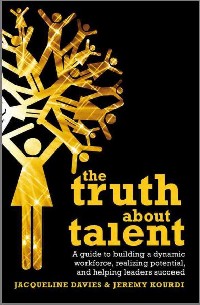
"Understanding the truth about talent in all forms is a vital step in developing a long-term, sustainable, successful organization. The Truth about Talent explores the different ways for organizations to recognize talent from people at different stages of their career, as well as from people with different experiences and aspirations. With a forward-thinking approach, this resource provides qualitative and quantitative international research on talent management and employee engagement, as well as an original survey of executives. This book shows the fundamental changes in line to enhance employees and the economy"--
"In this new book, Jacqueline Davis and Jeremy Kourdi argue that organizations are failing to realize the simple truth about talent: they are misunderstanding their people, making flawed choices and allowing the true potential of their workforce to go unused and unfulfilled. Understanding the truth about talent in all its forms is a vital step in developing an organization and ensuring long-term, sustainable success"--
目录
Table Of Contents:
Introduction 1(12)
Recognizing the talent `doom loop' 3(3)
About our research 6(1)
Seven key insights 6(1)
How this book is organized 7(6)
1 We Are All Talent Now 13(18)
What we mean by talent 19(1)
Talent ecology and the truth about talent 20(4)
The truth about talent 24(7)
We are all talent now 27(1)
Talent is abundant and diverse 27(1)
The talented are those who generate value, not merely those who can get to the top 27(1)
Potential is discretionary 27(1)
Growing and engaging talent is at the core of leadership HR must reinvent itself to deliver practices for a `workforce of one' 28(1)
Talented people are attracted to talented places 28(3)
2 A New Way of Thinking About Talent 31(24)
How organizations think about talent 31(3)
What we mean by talent 32(2)
How talent management is changing 34(5)
A fragmented, fluctuating supply of labour 36(1)
From the credit crunch to the capability crunch 37(1)
Connected consumption 38(1)
Where we are today: the problem with current views of `talent' in organizations 39(10)
The belief that the future can be managed: from succession to scenario planning 40(2)
The belief that we can spot our future leaders today (and manage their careers) 42(1)
The march of the `high potentials' 42(2)
Potential for what? 44(1)
Being insightful 45(2)
Moving beyond the usual suspects 47(2)
The rise of discretionary potential 49(3)
A more tangible view of talent 50(2)
How do you make a difference? 52(1)
Leadership reflections 52(3)
3 Talent Diversity: You Need to Believe It to See It 55(14)
The link between talent and diversity 55(3)
Meritocracy and diversity - sources of talent 56(2)
Boiled frogs and Chilean potatoes - why diversity is vital 58(5)
Diversity - the best way to future-proof your business and avoid homogeneity 60(3)
A new war for talent 63(3)
Practical actions that will begin making a difference 64(2)
Leadership reflections 66(3)
4 Strategy - Beginning With the End in Mind 69(24)
Strategy - the first priority 71(1)
Future thinking and scenarios 72(8)
Why future thinking and scenarios are valuable 72(4)
Learning from the past, preparing for the future 76(1)
Checklist: using scenario thinking 77(3)
Developing strategy 80(3)
The essence of successful strategies 80(2)
Checklist: developing your strategy 82(1)
Implementing strategy 83(1)
Communicating strategy 84(1)
HR strategy at work 85(1)
Strategic tools for HR 86(4)
1 Devising the right people strategy 87(1)
2 Designing and refining the organization's structure and focus 87(1)
3 Influencing and enhancing the culture and environment 87(1)
4 Developing future leaders 88(1)
5 Understanding critical capabilities 88(1)
6 Managing performance and reward 88(1)
7 Involving people and increasing satisfaction 89(1)
8 Learning and managing knowledge 89(1)
9 Staying focused, flexible and managing HR services 89(1)
Leadership reflections 90(3)
5 Hire and Wire: Developing Your Organization's Talent Ecology 93(24)
Finding and nurturing talent 93(2)
Managing your talent ecology 95(5)
The impact of the external market 96(1)
The pivotal link with strategy 96(1)
Talent - a valuable Trojan horse 97(1)
Talent loves talented company 98(2)
The forgotten role of structure 100(3)
From structure chart to social capital 101(2)
The importance of networks 103(1)
The nature of talented teams 104(2)
Adopting new habits 105(1)
How culture can make or break a talent strategy 106(7)
Digging big holes 107(2)
The revenge of the bell curve 109(1)
Cultures that attract talent 110(3)
Developing the talent ecology 113(1)
Aiming for a `fly wheel' effect 114(1)
Leadership reflections 114(3)
6 Getting Personal: The Workforce of One 117(14)
Bringing your talents to work 117(2)
Life just got personal - the trend to mass customization 118(1)
The rise of the employer brand 119(5)
The value of segmentation 120(2)
Understanding memetics 122(2)
Segmenting talent 124(2)
Techniques for rating performance 124(1)
Using employee data 125(1)
Getting beneath the Employee Value Proposition 126(2)
Leadership reflections 128(3)
7 Engaging With Talent 131(24)
Employee engagement: what it is and why it matters 131(5)
The benefits of engagement 132(1)
What affects employee engagement? 133(3)
Three-factor theory 136(2)
Engagement and the three factors 138(9)
Checklist: connecting employee enthusiasm with business success 139(6)
The rule of 150: Gore Associates 145(2)
Sears and the service-profit chain 147(1)
Creating a climate for engagement 148(3)
Understanding what doesn't work 149(1)
Getting people engaged 149(2)
Leadership reflections 151(4)
8 The Meaning of Work 155(10)
The meaning of work 155(7)
The importance of meaningful work 159(1)
People - more than `human resources' 159(1)
Making work more meaningful 160(2)
Leadership reflections 162(3)
9 Leading for Talent 165(26)
The challenges of 21st century leadership 166(12)
Globalization, interconnectedness and interdependence 168(2)
Increasing complexity 170(1)
The challenge of sustainable growth 171(1)
The need for innovation 172(1)
Changing attitudes, rising expectations 173(3)
Organizations are changing 176(1)
Knowledge matters 177(1)
A new approach to leadership 178(3)
The business case 179(1)
People are the answer (specifically, their head, heart and guts) 180(1)
Understanding your leadership style 181(7)
Understanding different leadership styles 182(2)
Taking leadership seriously 184(4)
Leadership reflections 188(3)
10 Techniques for Realizing Talent in Your Whole Workforce 191(44)
Leading with your heart 192(27)
Balance the needs of individuals and the business 193(1)
Know yourself and connect emotionally to others 193(1)
Stay self-aware 194(1)
Develop empathy 195(1)
Remain in control 196(1)
Use different styles of working 196(2)
Develop emotional intelligence (EQ) 198(1)
Inspire trust 199(16)
Use visioning to increase collaboration and understanding 215(2)
Develop creativity and innovation 217(1)
Build a diverse team and empathic approach 218(1)
Using intellect, intelligence and insight 219(4)
Rethinking 219(1)
Reframing 220(1)
Focusing on results and getting things done 221(1)
Developing and articulating a point of view 222(1)
Courageous leadership 223(12)
Taking risks with incomplete data 223(1)
Balancing risk and reward 224(1)
Acting with unyielding integrity 224(1)
Communicating 225(2)
Empowering people 227(2)
Coaching and developing talent 229(6)
Conclusion: Creating a Talent Flywheel 235(8)
See talent in context 237(1)
Treat everyone as talent 238(1)
Focus on value creation 238(1)
Make work personal 239(1)
Build everyone's capability 239(1)
Take leadership seriously 240(1)
Tend your talent ecology 240(3)
Appendix: Researching the Truth About Talent 243(6)
Research acknowledgements 245(4)
Index 249
Introduction 1(12)
Recognizing the talent `doom loop' 3(3)
About our research 6(1)
Seven key insights 6(1)
How this book is organized 7(6)
1 We Are All Talent Now 13(18)
What we mean by talent 19(1)
Talent ecology and the truth about talent 20(4)
The truth about talent 24(7)
We are all talent now 27(1)
Talent is abundant and diverse 27(1)
The talented are those who generate value, not merely those who can get to the top 27(1)
Potential is discretionary 27(1)
Growing and engaging talent is at the core of leadership HR must reinvent itself to deliver practices for a `workforce of one' 28(1)
Talented people are attracted to talented places 28(3)
2 A New Way of Thinking About Talent 31(24)
How organizations think about talent 31(3)
What we mean by talent 32(2)
How talent management is changing 34(5)
A fragmented, fluctuating supply of labour 36(1)
From the credit crunch to the capability crunch 37(1)
Connected consumption 38(1)
Where we are today: the problem with current views of `talent' in organizations 39(10)
The belief that the future can be managed: from succession to scenario planning 40(2)
The belief that we can spot our future leaders today (and manage their careers) 42(1)
The march of the `high potentials' 42(2)
Potential for what? 44(1)
Being insightful 45(2)
Moving beyond the usual suspects 47(2)
The rise of discretionary potential 49(3)
A more tangible view of talent 50(2)
How do you make a difference? 52(1)
Leadership reflections 52(3)
3 Talent Diversity: You Need to Believe It to See It 55(14)
The link between talent and diversity 55(3)
Meritocracy and diversity - sources of talent 56(2)
Boiled frogs and Chilean potatoes - why diversity is vital 58(5)
Diversity - the best way to future-proof your business and avoid homogeneity 60(3)
A new war for talent 63(3)
Practical actions that will begin making a difference 64(2)
Leadership reflections 66(3)
4 Strategy - Beginning With the End in Mind 69(24)
Strategy - the first priority 71(1)
Future thinking and scenarios 72(8)
Why future thinking and scenarios are valuable 72(4)
Learning from the past, preparing for the future 76(1)
Checklist: using scenario thinking 77(3)
Developing strategy 80(3)
The essence of successful strategies 80(2)
Checklist: developing your strategy 82(1)
Implementing strategy 83(1)
Communicating strategy 84(1)
HR strategy at work 85(1)
Strategic tools for HR 86(4)
1 Devising the right people strategy 87(1)
2 Designing and refining the organization's structure and focus 87(1)
3 Influencing and enhancing the culture and environment 87(1)
4 Developing future leaders 88(1)
5 Understanding critical capabilities 88(1)
6 Managing performance and reward 88(1)
7 Involving people and increasing satisfaction 89(1)
8 Learning and managing knowledge 89(1)
9 Staying focused, flexible and managing HR services 89(1)
Leadership reflections 90(3)
5 Hire and Wire: Developing Your Organization's Talent Ecology 93(24)
Finding and nurturing talent 93(2)
Managing your talent ecology 95(5)
The impact of the external market 96(1)
The pivotal link with strategy 96(1)
Talent - a valuable Trojan horse 97(1)
Talent loves talented company 98(2)
The forgotten role of structure 100(3)
From structure chart to social capital 101(2)
The importance of networks 103(1)
The nature of talented teams 104(2)
Adopting new habits 105(1)
How culture can make or break a talent strategy 106(7)
Digging big holes 107(2)
The revenge of the bell curve 109(1)
Cultures that attract talent 110(3)
Developing the talent ecology 113(1)
Aiming for a `fly wheel' effect 114(1)
Leadership reflections 114(3)
6 Getting Personal: The Workforce of One 117(14)
Bringing your talents to work 117(2)
Life just got personal - the trend to mass customization 118(1)
The rise of the employer brand 119(5)
The value of segmentation 120(2)
Understanding memetics 122(2)
Segmenting talent 124(2)
Techniques for rating performance 124(1)
Using employee data 125(1)
Getting beneath the Employee Value Proposition 126(2)
Leadership reflections 128(3)
7 Engaging With Talent 131(24)
Employee engagement: what it is and why it matters 131(5)
The benefits of engagement 132(1)
What affects employee engagement? 133(3)
Three-factor theory 136(2)
Engagement and the three factors 138(9)
Checklist: connecting employee enthusiasm with business success 139(6)
The rule of 150: Gore Associates 145(2)
Sears and the service-profit chain 147(1)
Creating a climate for engagement 148(3)
Understanding what doesn't work 149(1)
Getting people engaged 149(2)
Leadership reflections 151(4)
8 The Meaning of Work 155(10)
The meaning of work 155(7)
The importance of meaningful work 159(1)
People - more than `human resources' 159(1)
Making work more meaningful 160(2)
Leadership reflections 162(3)
9 Leading for Talent 165(26)
The challenges of 21st century leadership 166(12)
Globalization, interconnectedness and interdependence 168(2)
Increasing complexity 170(1)
The challenge of sustainable growth 171(1)
The need for innovation 172(1)
Changing attitudes, rising expectations 173(3)
Organizations are changing 176(1)
Knowledge matters 177(1)
A new approach to leadership 178(3)
The business case 179(1)
People are the answer (specifically, their head, heart and guts) 180(1)
Understanding your leadership style 181(7)
Understanding different leadership styles 182(2)
Taking leadership seriously 184(4)
Leadership reflections 188(3)
10 Techniques for Realizing Talent in Your Whole Workforce 191(44)
Leading with your heart 192(27)
Balance the needs of individuals and the business 193(1)
Know yourself and connect emotionally to others 193(1)
Stay self-aware 194(1)
Develop empathy 195(1)
Remain in control 196(1)
Use different styles of working 196(2)
Develop emotional intelligence (EQ) 198(1)
Inspire trust 199(16)
Use visioning to increase collaboration and understanding 215(2)
Develop creativity and innovation 217(1)
Build a diverse team and empathic approach 218(1)
Using intellect, intelligence and insight 219(4)
Rethinking 219(1)
Reframing 220(1)
Focusing on results and getting things done 221(1)
Developing and articulating a point of view 222(1)
Courageous leadership 223(12)
Taking risks with incomplete data 223(1)
Balancing risk and reward 224(1)
Acting with unyielding integrity 224(1)
Communicating 225(2)
Empowering people 227(2)
Coaching and developing talent 229(6)
Conclusion: Creating a Talent Flywheel 235(8)
See talent in context 237(1)
Treat everyone as talent 238(1)
Focus on value creation 238(1)
Make work personal 239(1)
Build everyone's capability 239(1)
Take leadership seriously 240(1)
Tend your talent ecology 240(3)
Appendix: Researching the Truth About Talent 243(6)
Research acknowledgements 245(4)
Index 249
- 名称
- 类型
- 大小
光盘服务联系方式: 020-38250260 客服QQ:4006604884
云图客服:
用户发送的提问,这种方式就需要有位在线客服来回答用户的问题,这种 就属于对话式的,问题是这种提问是否需要用户登录才能提问
Video Player
×
Audio Player
×
pdf Player
×
