

简介
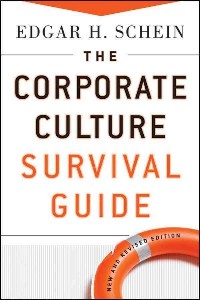
The father of the corporate culture field and pioneer in organizational psychology on today's changing corporate culture This is the definitive guide to corporate culture for practitioners. Recognized expert Edgar H. Schein explains what culture is and why it's important, how to evaluate your organization's culture, and how to improve it, using straightforward, practical tools based on decades of research and real-world case studies. This new edition reflects the massive changes in the business world over the past ten years, exploring the influence of globalization, new technology, and mergers on culture and organization change. New case examples help illustrate the principals at work and bring focus to emerging issues in international, nonprofit, and government organizations as well as business. Organized around the questions that change agents most often ask, this new edition of the classic book will help anyone from line managers to CEOs assess their culture and make it more effective. Offers a new edition of a classic work with a focus on practitioners Includes new case examples and information on globalization, the effects of technology, and managerial competencies Covers the basics on changing culture and includes a wealth of practical advice
目录
Contents 9
Preface to the New and Revised Edition 11
Acknowledgements 15
The Author 17
Part I: THE STRUCTURE AND CONTENT OF CULTURE 19
Chapter 1: WHY BOTHER? 21
Leadership and Culture Are Intertwined 21
Subcultures 23
Samples of How the Leadership/Culture Interaction Matters 25
How Culture Matters at Different Stages of Growth 34
Where Does Culture Reside? 36
The Bottom Line 37
Chapter 2: WHAT IS CULTURE ANYWAY? 39
Three Levels of Culture 39
So, How Do We Define Culture? 45
Implications of This Definition 46
The Complexity of Culture: Digital Equipment Corporation 47
The Bottom Line 52
Chapter 3: WHAT ARE THE ELEMENTS AND DIMENSIONS OF ORGANIZATIONAL CULTURE? 55
The Popular View: Inventories and Typologies 55
Culture Content, Part One: Surviving in the External Environment 58
Culture Content, Part Two: Integrating the Human Organization 70
The Bottom Line 77
Chapter 4: DEEPER ASSUMPTIONS 79
National and Ethnic Bases of Culture 79
Assumptions About the Relationship of Humans to Nature 81
Assumptions About Human Nature 82
Assumptions About Human Relationships 84
Assumptions About the Nature of Reality and Truth 85
Assumptions About Time 88
Assumptions About Space 90
Dealing with the Unknowable and Uncontrollable 92
The Bottom Line 93
Chapter 5: WHEN AND HOW TO ASSESS YOUR CULTURE 95
Should You Use a Survey? 95
Can You Infer Culture from Self-Analysis? 98
Deciphering Your Company\u2019s Culture: A Four-Hour Exercise 100
Case Examples and Analyses 105
The Bottom Line 119
Part II: THE DYNAMICS OF CULTURE FORMATION, EVOLUTION, AND CHANGE 121
Chapter 6: CULTURAL LEARNING, UNLEARNING, AND TRANSFORMATIVE CHANGE 123
A Simplifying Model of Learning, Unlearning, and Transformative Change 123
Disconfirmation 125
Survival Anxiety (or Guilt) and Learning Anxiety 129
Two Principles of Learning and Change 132
How Do You Create Psychological Safety? 133
What Changes? Cognitive Redefinition 135
Imitation and Identification Versus Scanning and Trial and Error 137
Refreezing\u2014Seeking a New Equilibrium 138
The Bottom Line\u2014Implications for Change Managers 139
Chapter 7: CULTURE CREATION, EVOLUTION, AND CHANGE IN START-UP COMPANIES 141
Founding and Early Growth 141
How Founders and Leaders Embed Cultural Elements 148
Culture Learning, Evolution, and Change Mechanisms 150
The Impact of Size and Age\u2014Bureaucratization and the Loss of \u201cFunctional Familiarity\u201d 158
Managing Problems of Succession 160
The Bottom Line 163
Chapter 8: CULTURE DYNAMICS IN THE MATURE COMPANY 165
From Ownership to General Management Structures 165
Culture Change Processes in Organizational Mid-Life: Planned and Managed Culture Change Through Parallel Learning Systems 170
The Change Team and Change Steps 173
Structural and Process Interventions 181
Involving the Employees 182
The Bottom Line 185
Chapter 9: MID-LIFE CRISIS AND POTENTIAL DECLINE 187
Changing Dysfunctional Elements in the Core Culture 188
Possible Change Mechanisms 191
Moderate Core Culture Change in Ciba-Geigy 191
Drastic Culture Change in Digital Equipment Corporation 195
Change Leaders and Change Agents 200
The Bottom Line and Change Dynamics Summary 201
Part III: THE REALITIES OF MULTICULTURALISM 205
Chapter 10: WHEN CULTURES MEET 207
The Multi-Culture Problem 207
The Role of Cultural Assessment in Mergers, Acquisitions, and Joint Ventures 210
New Issues in Collaborations and Other Multicultural Organizations 216
Culture Traps (the Illusion That We Understand One Another) 223
The Need for Dialogue at Cultural Boundaries 225
The Dialogue Process 225
The Bottom Line 228
Chapter 11: CULTURAL REALITIES FOR THE SERIOUS CULTURE LEADER 233
Realities About What Culture Is 235
Realities About What Culture Covers 237
Realities About Deciphering Culture 237
Realities About the Process of Culture Change 238
Realities About the Timing of Culture Assessment and Change 241
Realities About Mergers, Acquisitions, Joint Ventures, and Collaborations 241
A Final Thought 242
Notes 243
References 247
Index 251
Preface to the New and Revised Edition 11
Acknowledgements 15
The Author 17
Part I: THE STRUCTURE AND CONTENT OF CULTURE 19
Chapter 1: WHY BOTHER? 21
Leadership and Culture Are Intertwined 21
Subcultures 23
Samples of How the Leadership/Culture Interaction Matters 25
How Culture Matters at Different Stages of Growth 34
Where Does Culture Reside? 36
The Bottom Line 37
Chapter 2: WHAT IS CULTURE ANYWAY? 39
Three Levels of Culture 39
So, How Do We Define Culture? 45
Implications of This Definition 46
The Complexity of Culture: Digital Equipment Corporation 47
The Bottom Line 52
Chapter 3: WHAT ARE THE ELEMENTS AND DIMENSIONS OF ORGANIZATIONAL CULTURE? 55
The Popular View: Inventories and Typologies 55
Culture Content, Part One: Surviving in the External Environment 58
Culture Content, Part Two: Integrating the Human Organization 70
The Bottom Line 77
Chapter 4: DEEPER ASSUMPTIONS 79
National and Ethnic Bases of Culture 79
Assumptions About the Relationship of Humans to Nature 81
Assumptions About Human Nature 82
Assumptions About Human Relationships 84
Assumptions About the Nature of Reality and Truth 85
Assumptions About Time 88
Assumptions About Space 90
Dealing with the Unknowable and Uncontrollable 92
The Bottom Line 93
Chapter 5: WHEN AND HOW TO ASSESS YOUR CULTURE 95
Should You Use a Survey? 95
Can You Infer Culture from Self-Analysis? 98
Deciphering Your Company\u2019s Culture: A Four-Hour Exercise 100
Case Examples and Analyses 105
The Bottom Line 119
Part II: THE DYNAMICS OF CULTURE FORMATION, EVOLUTION, AND CHANGE 121
Chapter 6: CULTURAL LEARNING, UNLEARNING, AND TRANSFORMATIVE CHANGE 123
A Simplifying Model of Learning, Unlearning, and Transformative Change 123
Disconfirmation 125
Survival Anxiety (or Guilt) and Learning Anxiety 129
Two Principles of Learning and Change 132
How Do You Create Psychological Safety? 133
What Changes? Cognitive Redefinition 135
Imitation and Identification Versus Scanning and Trial and Error 137
Refreezing\u2014Seeking a New Equilibrium 138
The Bottom Line\u2014Implications for Change Managers 139
Chapter 7: CULTURE CREATION, EVOLUTION, AND CHANGE IN START-UP COMPANIES 141
Founding and Early Growth 141
How Founders and Leaders Embed Cultural Elements 148
Culture Learning, Evolution, and Change Mechanisms 150
The Impact of Size and Age\u2014Bureaucratization and the Loss of \u201cFunctional Familiarity\u201d 158
Managing Problems of Succession 160
The Bottom Line 163
Chapter 8: CULTURE DYNAMICS IN THE MATURE COMPANY 165
From Ownership to General Management Structures 165
Culture Change Processes in Organizational Mid-Life: Planned and Managed Culture Change Through Parallel Learning Systems 170
The Change Team and Change Steps 173
Structural and Process Interventions 181
Involving the Employees 182
The Bottom Line 185
Chapter 9: MID-LIFE CRISIS AND POTENTIAL DECLINE 187
Changing Dysfunctional Elements in the Core Culture 188
Possible Change Mechanisms 191
Moderate Core Culture Change in Ciba-Geigy 191
Drastic Culture Change in Digital Equipment Corporation 195
Change Leaders and Change Agents 200
The Bottom Line and Change Dynamics Summary 201
Part III: THE REALITIES OF MULTICULTURALISM 205
Chapter 10: WHEN CULTURES MEET 207
The Multi-Culture Problem 207
The Role of Cultural Assessment in Mergers, Acquisitions, and Joint Ventures 210
New Issues in Collaborations and Other Multicultural Organizations 216
Culture Traps (the Illusion That We Understand One Another) 223
The Need for Dialogue at Cultural Boundaries 225
The Dialogue Process 225
The Bottom Line 228
Chapter 11: CULTURAL REALITIES FOR THE SERIOUS CULTURE LEADER 233
Realities About What Culture Is 235
Realities About What Culture Covers 237
Realities About Deciphering Culture 237
Realities About the Process of Culture Change 238
Realities About the Timing of Culture Assessment and Change 241
Realities About Mergers, Acquisitions, Joint Ventures, and Collaborations 241
A Final Thought 242
Notes 243
References 247
Index 251
- 名称
- 类型
- 大小
光盘服务联系方式: 020-38250260 客服QQ:4006604884
云图客服:
用户发送的提问,这种方式就需要有位在线客服来回答用户的问题,这种 就属于对话式的,问题是这种提问是否需要用户登录才能提问
Video Player
×
Audio Player
×
pdf Player
×
