

简介
Summary:
Publisher Summary 1
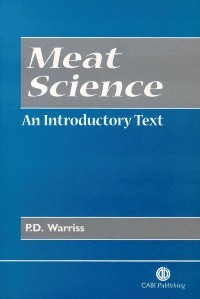
This introductory text outlines the general principles of meat science. Coverage includes the production of meat, its structure and chemical composition, animal slaughter, meat quality, and changes occurring in meat with live and post-mortem handling. Other topics include meat hygiene, animal welfare, and measuring the composition, physical characteristics, and eating quality of meat. For undergraduate and graduate students in food science and technology and animal and veterinary science, and technical staff in the meat industry. Also of interest to veterinarians and meat inspectors. Warriss teaches veterinary science at the University of Bristol. Annotation c. Book News, Inc., Portland, OR (booknews.com)
Publisher Summary 2
This is an introductory textbook on meat science that will be suitable for students of animal, veterinary and food science. The book covers topics in producing and eating meat, the growth and body composition of animals, animal slaughter, the chemical composition and structure of meat and other relevant areas. It will also serve as a primer for those taking a postgraduate course in meat science, and provide useful background for professionals in food hygiene and meat inspection.
目录
Table Of Contents:
Preface ix
Producing and Eating Meat 1(11)
Meat production and consumption 1(3)
Concerns about eating meat 4(8)
The Growth and Body Composition of Animals 12(25)
Growth in animals 12(8)
Carcass yield and composition 20(8)
Growth-promoting agents 28(4)
Describing and predicting composition 32(5)
The Chemical Composition and Structure of Meat 37(31)
The chemical composition of meat 37(15)
The structure of meat 52(10)
The contractile and other muscle proteins 62(3)
Muscle contraction 65(3)
The Slaughter of Animals 68(25)
Handling and ante-mortem inspection 68(2)
Stunning 70(7)
Slaughter 77(4)
Carcass dressing, post-mortem inspection and butchery 81(5)
The operation of abattoirs 86(7)
Post-mortem Changes in Muscle and its Conversion into Meat 93(13)
Muscle metabolism in the living animal 93(4)
Post-mortem acidification and rigor development 97(4)
The resolution of rigor mortis and the tenderization of meat 101(4)
Other changes occurring in the conversion of muscle to meat 105(1)
Meat Quality 106(25)
What meat quality means 106(7)
Ways to improve quality 113(4)
Some specific quality concerns in beef and pork 117(14)
The Effects of Live Animal Handling on Carcass and Meat Quality 131(25)
The marketing process 131(3)
Carcass quality effects 134(8)
Lean meat quality 142(12)
Other effects on quality 154(2)
Post-mortem Handling of Carcasses and Meat Quality 156(26)
Temperature effects 156(7)
Carcass handling procedures to improve quality 163(5)
Meat packaging 168(5)
Use of antioxidants 173(2)
Tenderizing by marinading and injection 175(1)
Processed meat products 176(4)
Mechanically recovered meat 180(1)
Pressure treatment 181(1)
Meat Hygiene, Spoilage and Preservation 182(27)
Disease and the contamination of meat 182(4)
Microbial contamination 186(5)
The preservation of meat 191(14)
Ensuring meat is safe to eat 205(4)
Animal Welfare 209(20)
Welfare and its measurement 209(8)
Stress 217(7)
Ways to promote an improvement in animal welfare 224(5)
Measuring the Composition and Physical Characteristics of Meat 229(23)
Chemical composition 230(3)
Meat species identification 233(1)
Colour and appearance 234(5)
Light scattering and paleness 239(1)
Water-holding capacity 240(2)
Use of on-line measurements to predict pork quality 242(5)
The pH of meat 247(4)
Rigor mortis 251(1)
Measuring Eating Quality 252(17)
Meat texture 252(8)
Meat flavour 260(4)
Taste panelling and sensory evaluation 264(3)
A strategy for the assessment of eating quality 267(2)
References 269(28)
Index 297
Preface ix
Producing and Eating Meat 1(11)
Meat production and consumption 1(3)
Concerns about eating meat 4(8)
The Growth and Body Composition of Animals 12(25)
Growth in animals 12(8)
Carcass yield and composition 20(8)
Growth-promoting agents 28(4)
Describing and predicting composition 32(5)
The Chemical Composition and Structure of Meat 37(31)
The chemical composition of meat 37(15)
The structure of meat 52(10)
The contractile and other muscle proteins 62(3)
Muscle contraction 65(3)
The Slaughter of Animals 68(25)
Handling and ante-mortem inspection 68(2)
Stunning 70(7)
Slaughter 77(4)
Carcass dressing, post-mortem inspection and butchery 81(5)
The operation of abattoirs 86(7)
Post-mortem Changes in Muscle and its Conversion into Meat 93(13)
Muscle metabolism in the living animal 93(4)
Post-mortem acidification and rigor development 97(4)
The resolution of rigor mortis and the tenderization of meat 101(4)
Other changes occurring in the conversion of muscle to meat 105(1)
Meat Quality 106(25)
What meat quality means 106(7)
Ways to improve quality 113(4)
Some specific quality concerns in beef and pork 117(14)
The Effects of Live Animal Handling on Carcass and Meat Quality 131(25)
The marketing process 131(3)
Carcass quality effects 134(8)
Lean meat quality 142(12)
Other effects on quality 154(2)
Post-mortem Handling of Carcasses and Meat Quality 156(26)
Temperature effects 156(7)
Carcass handling procedures to improve quality 163(5)
Meat packaging 168(5)
Use of antioxidants 173(2)
Tenderizing by marinading and injection 175(1)
Processed meat products 176(4)
Mechanically recovered meat 180(1)
Pressure treatment 181(1)
Meat Hygiene, Spoilage and Preservation 182(27)
Disease and the contamination of meat 182(4)
Microbial contamination 186(5)
The preservation of meat 191(14)
Ensuring meat is safe to eat 205(4)
Animal Welfare 209(20)
Welfare and its measurement 209(8)
Stress 217(7)
Ways to promote an improvement in animal welfare 224(5)
Measuring the Composition and Physical Characteristics of Meat 229(23)
Chemical composition 230(3)
Meat species identification 233(1)
Colour and appearance 234(5)
Light scattering and paleness 239(1)
Water-holding capacity 240(2)
Use of on-line measurements to predict pork quality 242(5)
The pH of meat 247(4)
Rigor mortis 251(1)
Measuring Eating Quality 252(17)
Meat texture 252(8)
Meat flavour 260(4)
Taste panelling and sensory evaluation 264(3)
A strategy for the assessment of eating quality 267(2)
References 269(28)
Index 297
Meat science : an introductory text /
- 名称
- 类型
- 大小
光盘服务联系方式: 020-38250260 客服QQ:4006604884
云图客服:
用户发送的提问,这种方式就需要有位在线客服来回答用户的问题,这种 就属于对话式的,问题是这种提问是否需要用户登录才能提问
Video Player
×
Audio Player
×
pdf Player
×
