

简介
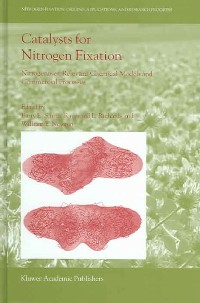
Biological nitrogen fixation provides more than 50% of the total annual input of the essential element nitrogen to world agriculture. Thus, it is of immense agronomic importance and critical to food supplies, particularly in developing countries. This book, with chapters authored by internationally renowned experts, provides a comprehensive and detailed account of the fascinating history of the process - including the surprising discoveries of molybdenum-independent nitrogenases and superoxide-dependent nitrogenase; a review of Man's attempts to emulate the biological process - most successfully with the commercially dominant Haber-Bosch process; and the current state of the understanding art with respect to the enzymes - called nitrogenases - responsible for biological nitrogen fixation. The initial chapters use a historical approach to the biological and industrial processes, followed by an overview of assay methodologies. The next set of chapters focuses on the classical enzyme, the molybdenum nitrogenase, and details its biosynthesis, structure, composition, and mechanism of action as well as detailing both how variants of its two component proteins are constructed by recombinant DNA technology and how computational techniques are being applied. The sophisticated chemical modelling of the metal-containing clusters in the enzyme is reviewed next, followed by a description of the two molybdenum-independent nitrogenases - first, the vanadium-containing enzyme and then the iron-only nitrogenase - together with some thoughts as to why they exist! Then follows an up-to-date treatment of the clearly "non-classical" properties of the superoxide-dependent nitrogenase, which more closely resembles molybdenum-containing hydroxylases and related enzymes, like nitrate reductase, that it does the other nitrogenases. Each chapter contains an extensive list of references. This book is the self-contained first volume of a comprehensive seven-volume series. No other available work provides the up-to-date and in-depth coverage of this series and this volume. This book is intended to serve as an indispensable reference work for all scientists working in this area, including agriculture and the closely related metals-in-biology area; to assist students to enter this challenging area of research; and to provide science administrators easy access to vital relevant information.
目录
Chapter 1. Nitrogen Fixation: An Historical Perspective
K. Fisher and W E. Nerwton ...... ................................
1. Introduction ............. . . ...... ..... ,.. .... ... ..... 1
2. When Did Biological Nitrogen Fixation Appear? . . ...... ... .... 3
3.) Nitrogen Fixtion and Agrcuture ... .. ................. 5
4. Do Plants Assimilate Nitrogen from the Air? ........... . 7
5. Are Bacteria Responsible for Assimilating Nitrogen from the Air?. 9
6. Do Free-Living Rhizobia Fix N . ......................... 12
7. Commercial Application of Biological Nitrogen Fixation .. 13
8. Commercial Application of Industrial Nitrogen Fixation ....... 14
9. Inorganic Ions and Nitrogen Fixation .. .. ........ ..... 15
10. Methods Used for the Detection of Nitrogen Fixation . . . . .. 16
11. Beginning of the Biochemistry of Biological Nitrogen Fixation .. 18
12. Cell-free Extracts and Beond ..... ..... .... ........... 24
cknowledgement .... .. ....... ........ .. ....... 24
R eferences .. .. ........... ..... ..... .. ......... .. ..... 26
Chapter '2 Haber-Bosch and Other Industrial Processes
G. J Leig-h , . .. ... . ..... ......... .... ... ... . ..... ... ..... 33
1. Background to Industrial Fixation ..... ........... ..... 33
2. Dinitrogen Chemistry up to ca. 1900 .... .. ........ . 34
3.Industrial Fixation of Nitrogen......... .... .............. 39
4. Developments since ca. 1920 ............. .......... .... 48
5. Possible Future Developments ...... .... ......... 52
R eferences ........... .......... ........ ....... ...... . 53
Chaipter 3. Assay Methods for Products of Nitrogenase Action on Substrates
SIf. D iw orth . .... . .. ... ...... ... ... ....... ........... .... . 55
1. Introduction ................... .... ........ ........ 55
2. Protons .. ..... .. ....... ... ... ..... .... ..... 56
3. HD Formation .... .. . .. ........ 56
4. Nitrogenous Substrates .................. ........ .... 57
5. Carbon-containing Substrates ......... ............. . 63
6. Substrates containing Nitrogen and Carbon . .. ... .... . .. 66
7. Sulfur-containing Substrates . ......................... 70
. Other Assay Components................... ..... ....... 71
9. Concluding Remarks ........... . .................. 73
R eferences . .. ....... ......... ......... ..... ...... ... 73
Chapter 4. The Structures of the Nitrogenase Proteins and Stabilized Complexes
P. A! C. Benton and J WI Peters .. ......... ....... .. -. ........... 77
1. Introduction . ... ............. ........ .. . ......... 77
4. Nitrogenase Complex Structures . ........ ..... ..... ..... 87
Acknowledgements..... ................................ 93
References . ...... ...... ... 93
Chapter 5. The Mechanism of Mo-dependent Nitrogenase: Thermodynamics and
Kinetics R. Igarashi andL. C. Seefeldt..................., 97
1. Introduction . ........ . ................ 97
2 The Ferotein Cycle .......... 102
3. The M oFe-protein Cycle ................... ...... ... . 115
4. Future Prospects .... ... ....... ............. 132
R eferences .. .... . .. ... .. .......... ....... ....... 133
Chapter 6. Strategies for the Functional Analysis of the Azotobacter vinelandii
MoFe Protein and its Active Site FeMo-cofactor
S . 3 Myer, Pi. ( Dos Santos, C. Seefeldt and D. R. Dean 141
Introduction ........... ...... .... ...... ........... 141
SGenetic Manipulation and Biochemical Techniques for the
Study ofA. vinelandii Nitrogenase ............ ....... 142
3. Insights gained into Nitrogenase Structure-Function from
Genetic and Biochemical Studies . .. . .. .. .... . . . . . 148
4. Summary and Outlook ..... ........... .. ....... ..... . 155
References . I ..... . . . . . . . . . . , .. 57
Chapter 7. Chemical Models, Throretical Calculations, and Reactivity of Isolated
Iron-Molybdenum Cofactor
F. Barrie're, C. Durrant and C. J Pickett ........... ...... .... .. 161
2. Chem ical M odels .................................. .. . 162
3. Theoretical Calculations. .. .. ....... .............. . 171
4. Isolation and Reactivity of the Nitrogenase FeMo-cofactor. .... 181
5. Summary and Future Prospects. ............... ..... 190
References . 0 . . . ... ................... ... . , ... . 192
Chapter 8. Structural Models for the FeMo-cofactor and the P Clusters
D . J Evrans .. ........... ..... . ..... ... ...... .... ......... .. 201
1. Introduction .. . ...... ...... . ......... ...... .... .. 201
2. FeM o-cofactor M odels........... ....... ............ . 203
3.The PCluster ...... ....... 210
4. Concluding Remarks . ,..... .. ..... .. 214
Acknowledgements ..... ..................... , .. . .. 214
R eferences ., ..... ..... . .. . ... .... .. .. . .... ... ..... . 215
Chapter 9. Biosynthesis of Iron-Molybdenum and Iron-Vanadium Cofactors of the
ni and /f-encoded Nitrogenases
p i Ludden, P. Rangaraj and L. M Rubio .. ..................... 219
1. Introduction ... . . .. . .. .. .... ........ . .. . . , .. ... 219
2. Discovery and Characterization of FeMo-cofactor .. ... . . . . 219
3. Structures of FeMo-cofactor and FeV-cofactor and their Sites
in the MoFe and VFe Proteins........ ......... 221
4. FeMo-cofactor and FeV-cofactor Biosynthesis. ......... ..... 223
5. in vitro FeMo-cofactor Synthesis .. . .......... . ... .... . 224
6. R ole of N ifQ ... ... ......................... ........ 227
7 Role ofN ifB .. ....... ................ ... ...... ..... 228
8. Role ofN ifN E .... .... .. ... .......... ... .. ...... . . 229
9. Role N iffl ........... ..................... .. .. ..... . 231
10. NifV and the Role of Homocitrate.......... ........... 235
11. Role ofN iX . ... ....... . .. ......... .. .. ......... 238
12.Role ofN ifU ..... .... ............. ........... ... 239
14. Role ofN ifS ..... ...... ............ .. ... .. ...... 240
14. Role ofN ifM ..................... ... . .. ........ 240
Synthesis ... .... .. . ...... ... ...... . .. .. 243
19. Model for the Biosynthesis of FeMo-cofactor and FeV-cofactor. 243
R eferences ...... ................................ ....... 247
"Chapter 10. Vanadium Nitrogenase
B. I H ales .... .... . .... ..... ... . . . ........ ... ..... .. ...... ..255
1. Introduction i.. . . . . . . . . .. .. . ... ..... 255
2. Historical Background . ..... .... ... ................ 255
3. Characterization .................. ......... . ...... .... 258
4. M echanism ..... ................ ... . ....... ....... . 267
5. Genetics ......................... .. .... 270
6. Conclusions .... . ......... ....... . ........ .... 274
R eferences .... ........ . ..... ... ............ .... .... 275
Chapter 11. Iron-only Nitrogenase: Exceptional Catalytic, Structural and
Spectroscopic Features
K . Schneider and A. M uller ...... .. . .......... ....... .. ....... 281
1. Introduction .... ......... ......... . 281
2. Metal Regulation of Nitrogenases ...... .... ..... .. .... .. 283
3. Factors Influencing Biosynthesis, Catalytic Activity, and
Stability of Fe-nitrogenases ............................. 284
4. Mo- and Fe-nitrogenases: Comparison of Subunit Composition,
Amino-acid Sequences and immuno-reactions ........ 287
5. Structures of the Iron-Sulfur Clusters in Fe-nitrogenase ... ... 290
6. EPR and Redox Properties of the Rhodobacter FeFe Protein ..... 295
7. Catalytic Characteristics of Iron-only Nitrogenases . .. . .. .. 299
8. Fe-only Nitrogenase: Evolutionary Relic or Important
Complementary Enzyme System for Diazotrophic Bacteria? 302
9. Summary and Outlook.. ........... .............. 304
Acknowledgements............................ ... .. 304
R eferences ............ ...... ........... ........... 304
Chapter 12. Superoxide-dependent Nitrogenase
D. Gadkari .... ................. .... . ......... 309
1 Introduction ......... . ......... ...... .. ........ 309
2. Description of Streptonmyces thermoautotrophicus. .. . . 3 10
"3. Components of the Superoxide-dependent
Nitrogen-Fixing System... ........... . 311
4. Reduction of N, and Other Catalyzed reactions . . ..... . . . 316
5. G enetics ...... ............ ........ .... . ..... .... 324
6. Conclusions and Perspectives . ................ ....... . 328
References .. ...... .. .... ............ ...... .... ..... 330
Chapter 13. Future Challenges and Prospects
R. L. Richards and B. F Smith ....... ............... ... .... 333
1. Introduction . ... ........... ...... ........... . 333
2. Challenges and Prospects ..... 333
3. Conclusions ... ......... ... 336
R eferences .. . .... ....................... ... ...... . 336
- 名称
- 类型
- 大小
光盘服务联系方式: 020-38250260 客服QQ:4006604884
云图客服:
用户发送的提问,这种方式就需要有位在线客服来回答用户的问题,这种 就属于对话式的,问题是这种提问是否需要用户登录才能提问
Video Player
×
Audio Player
×
pdf Player
×
