

简介
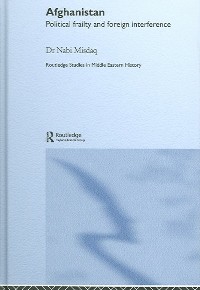
Afghan society is analyzed from a fresh standpoint in this book which discusses the countries two and a half centuries of socio-political disquiet and outside interference. The author explores the continuous struggle between the central government and the cornerstone of the present state, the tribes. In its examination of the interchange between the center and the periphery the book presents a compelling review of Afghan history, the role of Islam and the contemporary theories of state, Islam, nationalism, ethnicity, and tribalism. In addition, the book considers Afghanistan's dynamism and long established custom of dealing with foreign invaders. Covering the Soviet occupation, ethnic conflicts and the US invasion, the book examines Afghan resilience and the capacity to raise an army of fighting men. Written by a well-respected authority on the region, the book highlights past mistakes which should not be repeated and recommendations on the way forward for this troubled nation. 聽芒聙聹Nabi Misdaq has a rare blend of skills. As an anthropologist he studied contemporary Afghan society and then worked for many years as a journalist with the BBC's overseas Sevice in which capacity he met and interviewed most of Afghanistan's leading politicians. Combining these skills with a profound knowledge of Afghan history, he has produced an enthralling study which reveals the fundamental problems encountered by generations of Afghan state, problems which, as Misdaq also shows, still confront tralised Afghanistan's present-day leadership芒聙聺 - Ralpf Grillo, University of Sussex,UK 芒聙聹Afghanistan: Political Frailty and Foreign Interference is a timely book. At a time when the the focus of the world is on the region, it is one of the few anthropological commentaries by a well known native. Nabi Misdaq's book is detailed and insightful. He has established himself as an authority on Afghanistan. I strongly recommend the book.芒聙聺 -Dr. Akbar S. Ahmed, American University, USA About the Author Nabi Misdaq worked for the BBC for nearly two decades as a radio journalist, producer and as head of BBC Pashto Service, broadcasting three times a day to Afghanistan and South Asia. He has also taught Pashto at the George Mason Univeristy in Washington and Inlingua School in Roseland D.C
目录
List of illustrations p. xiii
Preface p. xiv
Acknowledgements p. xviii
Acronyms p. xix
Introduction p. 1
Aims and objectives p. 1
The scope of the book p. 2
Population and society in Afghanistan p. 6
Tribe and Pashtunwali p. 9
Pashtunwali p. 10
Afghanistan in history and anthropology p. 11
The Afghan state p. 19
The patrimonial state p. 19
The segmentary state p. 22
Nation and nationalism p. 24
Ethnicity p. 29
Islam p. 30
Conclusion p. 32
A state in the making p. 33
Formation of the Afghan state: 1747-72 p. 35
Introduction p. 35
Struggle against the Moghuls: the Roshani movement p. 36
Initial attempt in forming the state: the Ghilzai uprising, the Kandahar state 39
The conquest of Persia: Mir Wais' family wrangles, the Hotak downfall p. 40
The 1747 Jirga: election of Ahmad Shah in Kandahar p. 42
Ahmad Khan as king: final attempt to form the state p. 44
Declaration of independence p. 44
Ahmad Shah: from king to emperor p. 45
State formation p. 48
Conclusion p. 50
State to nation: 1773-1973 p. 52
Introduction p. 52
The fragility of the Afghan state p. 52
Rivalry between Abdali (Durrani) confederacies p. 53
The segmentary state p. 54
Attempts at modernisation p. 56
Amir Abdur Rahman: the second Anglo-Afghan war (1879-81) p. 56
Internal 'nationalisation' policy p. 59
External policy p. 60
Amanullah the Great Reformer: 1919-29 p. 62
Revolt at home p. 64
Nader Shah:1929-33 p. 66
The geopolitical position of Afghanistan: its vulnerability to external forces p. 67
Conclusion p. 71
Sowing the seeds of turmoil p. 73
Daoud's republic: 1973-78 p. 75
Introduction p. 75
Pashtunistan p. 77
The decade of constitution p. 79
Experiment in democracy p. 80
Assessing the decade of constitution p. 81
Daoud's comeback p. 82
Daoud's Soviet connection p. 84
Why Daoud came to power p. 85
Daoud in office p. 87
Daoud's u-turn on the communists p. 90
Murders, assassinations and Daoud's overthrow p. 93
Conclusion p. 95
Afghan communist parties and personalities p. 97
Introduction p. 97
Leftists and nationalists come of age p. 98
The entry of the communists p. 99
Strife among the communists p. 103
Key communist leaders p. 107
Nur Mohammad Taraki p. 107
Hafizullah Amin p. 109
Babrak Karmal p. 113
Conclusion p. 115
Events leading to the Soviet invasion p. 117
Introduction p. 117
PDPA internal tensions play into Soviet hands p. 118
Khalq vs. Parcham p. 118
Tension within the Khalq leadership p. 121
Soviets prepare the grounds for invasion p. 126
Soviets taking stock of uprisings and discontent p. 126
Amin's 104 days in office p. 130
Conclusion p. 138
Battleground of superpowers p. 141
Afghan resistance: 1975-92 p. 143
Introduction p. 143
Manning, finance and the organisation of resistance p. 144
The Islamist movement in Afghanistan p. 146
Resistance against Daoud p. 149
Resistance against the communists p. 152
Resistance against the Soviets p. 155
World reaction p. 156
Afghan reaction p. 157
The Kabul government's counter resistance p. 161
The Kabul government and the Soviet expenses of war p. 163
Resistance against the Soviet surrogate government p. 164
Conclusion p. 166
From common cause to internal war and the rise of the Taleban p. 167
Introduction p. 167
The struggle for power p. 168
The Kabul communists, the Loya Jirga and the king p. 169
A new anti-Pashtun alliance p. 171
The struggle for political power p. 172
The urban guerrilla war p. 173
The Taleban p. 175
The rise of the Taleban p. 176
Taleban conquests p. 179
A closer look at the Taleban movement p. 189
Conclusion p. 194
Post-communist ethnicity p. 198
Introduction p. 198
Ethnicity in the pre-state era p. 199
Ethnicity in the Afghan kingdom p. 199
Post-communist ethnicity p. 201
The ethnic divide p. 202
Dividing Afghanistan on ethnic lines p. 211
Ethnicity revitalised p. 213
Harmony and provocation p. 217
Conclusion p. 221
Conclusion p. 224
Introduction p. 224
Continuity and discontinuity p. 224
Terrain p. 224
Tribe as a cornerstone of governance p. 225
The emergence of the modern Afghan nation-state p. 227
R-sistance to modernity p. 228
The decade of the constitution p. 229
Ethnicity and ideology in contemporary Afghanistan p. 230
Comparative and theoretical issues: tribe and state p. 233
Islam p. 234
The way ahead p. 236
Epilogue: America's and Afghanistan's 9/11 p. 241
Introduction p. 241
Background to the US occupation: the Osama bin Laden affair p. 241
American bombing and occupation p. 244
Karzai and the new government p. 248
Karzai as America's leader for Afghanistan p. 251
Winning hearts and minds? p. 253
Long-term consequences of American occupation p. 266
Conclusion p. 269
Categorising books on Afghanistan p. 271
The institutions of Pashtunwali p. 273
Islam and Pashtunwali p. 275
State and Islamic jurisprudence p. 277
Struggle against Persians in the West p. 280
Abdali uprising, intrigue and deception p. 281
The early life of Ahmad Shah, king in waiting p. 283
Nader Shah's assassination, formation of the Afghan state p. 285
Britain's Forward Policy and the 'great game' p. 287
British and Soviet/Russian interest in Afghanistan p. 290
The Pashtunistan issue p. 293
Why was the Durand Agreement signed? p. 294
The British drawing of this line did not incorporate all the tribes p. 295
Could partition of British India legally pass on these tribes to the successor state of Pakistan? p. 296
What constitutes the claim over this territory and its people by the two disputing countries, Afghanistan and Pakistan? p. 297
The initial months of communists in power p. 300
Mujahideen resistance parties p. 302
Islamist p. 302
Moderate parties p. 303
Shi'ah parties p. 305
Geneva negotiations p. 306
Background to the talks p. 306
The mechanism for the talks p. 307
The agenda for negotiation p. 309
Russian designs on Afghanistan p. 310
Notes p. 311
Bibliography p. 335
Index p. 344
Preface p. xiv
Acknowledgements p. xviii
Acronyms p. xix
Introduction p. 1
Aims and objectives p. 1
The scope of the book p. 2
Population and society in Afghanistan p. 6
Tribe and Pashtunwali p. 9
Pashtunwali p. 10
Afghanistan in history and anthropology p. 11
The Afghan state p. 19
The patrimonial state p. 19
The segmentary state p. 22
Nation and nationalism p. 24
Ethnicity p. 29
Islam p. 30
Conclusion p. 32
A state in the making p. 33
Formation of the Afghan state: 1747-72 p. 35
Introduction p. 35
Struggle against the Moghuls: the Roshani movement p. 36
Initial attempt in forming the state: the Ghilzai uprising, the Kandahar state 39
The conquest of Persia: Mir Wais' family wrangles, the Hotak downfall p. 40
The 1747 Jirga: election of Ahmad Shah in Kandahar p. 42
Ahmad Khan as king: final attempt to form the state p. 44
Declaration of independence p. 44
Ahmad Shah: from king to emperor p. 45
State formation p. 48
Conclusion p. 50
State to nation: 1773-1973 p. 52
Introduction p. 52
The fragility of the Afghan state p. 52
Rivalry between Abdali (Durrani) confederacies p. 53
The segmentary state p. 54
Attempts at modernisation p. 56
Amir Abdur Rahman: the second Anglo-Afghan war (1879-81) p. 56
Internal 'nationalisation' policy p. 59
External policy p. 60
Amanullah the Great Reformer: 1919-29 p. 62
Revolt at home p. 64
Nader Shah:1929-33 p. 66
The geopolitical position of Afghanistan: its vulnerability to external forces p. 67
Conclusion p. 71
Sowing the seeds of turmoil p. 73
Daoud's republic: 1973-78 p. 75
Introduction p. 75
Pashtunistan p. 77
The decade of constitution p. 79
Experiment in democracy p. 80
Assessing the decade of constitution p. 81
Daoud's comeback p. 82
Daoud's Soviet connection p. 84
Why Daoud came to power p. 85
Daoud in office p. 87
Daoud's u-turn on the communists p. 90
Murders, assassinations and Daoud's overthrow p. 93
Conclusion p. 95
Afghan communist parties and personalities p. 97
Introduction p. 97
Leftists and nationalists come of age p. 98
The entry of the communists p. 99
Strife among the communists p. 103
Key communist leaders p. 107
Nur Mohammad Taraki p. 107
Hafizullah Amin p. 109
Babrak Karmal p. 113
Conclusion p. 115
Events leading to the Soviet invasion p. 117
Introduction p. 117
PDPA internal tensions play into Soviet hands p. 118
Khalq vs. Parcham p. 118
Tension within the Khalq leadership p. 121
Soviets prepare the grounds for invasion p. 126
Soviets taking stock of uprisings and discontent p. 126
Amin's 104 days in office p. 130
Conclusion p. 138
Battleground of superpowers p. 141
Afghan resistance: 1975-92 p. 143
Introduction p. 143
Manning, finance and the organisation of resistance p. 144
The Islamist movement in Afghanistan p. 146
Resistance against Daoud p. 149
Resistance against the communists p. 152
Resistance against the Soviets p. 155
World reaction p. 156
Afghan reaction p. 157
The Kabul government's counter resistance p. 161
The Kabul government and the Soviet expenses of war p. 163
Resistance against the Soviet surrogate government p. 164
Conclusion p. 166
From common cause to internal war and the rise of the Taleban p. 167
Introduction p. 167
The struggle for power p. 168
The Kabul communists, the Loya Jirga and the king p. 169
A new anti-Pashtun alliance p. 171
The struggle for political power p. 172
The urban guerrilla war p. 173
The Taleban p. 175
The rise of the Taleban p. 176
Taleban conquests p. 179
A closer look at the Taleban movement p. 189
Conclusion p. 194
Post-communist ethnicity p. 198
Introduction p. 198
Ethnicity in the pre-state era p. 199
Ethnicity in the Afghan kingdom p. 199
Post-communist ethnicity p. 201
The ethnic divide p. 202
Dividing Afghanistan on ethnic lines p. 211
Ethnicity revitalised p. 213
Harmony and provocation p. 217
Conclusion p. 221
Conclusion p. 224
Introduction p. 224
Continuity and discontinuity p. 224
Terrain p. 224
Tribe as a cornerstone of governance p. 225
The emergence of the modern Afghan nation-state p. 227
R-sistance to modernity p. 228
The decade of the constitution p. 229
Ethnicity and ideology in contemporary Afghanistan p. 230
Comparative and theoretical issues: tribe and state p. 233
Islam p. 234
The way ahead p. 236
Epilogue: America's and Afghanistan's 9/11 p. 241
Introduction p. 241
Background to the US occupation: the Osama bin Laden affair p. 241
American bombing and occupation p. 244
Karzai and the new government p. 248
Karzai as America's leader for Afghanistan p. 251
Winning hearts and minds? p. 253
Long-term consequences of American occupation p. 266
Conclusion p. 269
Categorising books on Afghanistan p. 271
The institutions of Pashtunwali p. 273
Islam and Pashtunwali p. 275
State and Islamic jurisprudence p. 277
Struggle against Persians in the West p. 280
Abdali uprising, intrigue and deception p. 281
The early life of Ahmad Shah, king in waiting p. 283
Nader Shah's assassination, formation of the Afghan state p. 285
Britain's Forward Policy and the 'great game' p. 287
British and Soviet/Russian interest in Afghanistan p. 290
The Pashtunistan issue p. 293
Why was the Durand Agreement signed? p. 294
The British drawing of this line did not incorporate all the tribes p. 295
Could partition of British India legally pass on these tribes to the successor state of Pakistan? p. 296
What constitutes the claim over this territory and its people by the two disputing countries, Afghanistan and Pakistan? p. 297
The initial months of communists in power p. 300
Mujahideen resistance parties p. 302
Islamist p. 302
Moderate parties p. 303
Shi'ah parties p. 305
Geneva negotiations p. 306
Background to the talks p. 306
The mechanism for the talks p. 307
The agenda for negotiation p. 309
Russian designs on Afghanistan p. 310
Notes p. 311
Bibliography p. 335
Index p. 344
- 名称
- 类型
- 大小
光盘服务联系方式: 020-38250260 客服QQ:4006604884
云图客服:
用户发送的提问,这种方式就需要有位在线客服来回答用户的问题,这种 就属于对话式的,问题是这种提问是否需要用户登录才能提问
Video Player
×
Audio Player
×
pdf Player
×
