

简介
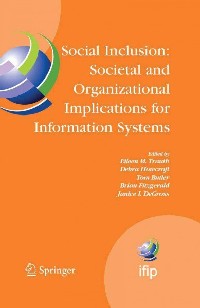
Changes in society resulting from the pervasiveness of information technology have produced positive and negative, intended and unintended consequences. Key among them is the exclusion of individuals鈥攚ho lack access to technological resources鈥攆rom various societal processes and services. The theme of this book, social inclusion, explores the many dimensions of this exclusion. This issue has been the focus of much debate within the social sciences, yet has largely been underresearched in the Information Systems field, despite our concerns with the social and organizational aspects of technology. To the extent that contemporary debates have identified access to information as a key component of poverty, digital exclusion is seen as the problem. Thus, ICTs are portrayed as either exacerbating exclusion or are presented as the solution for greater inclusion. This conference will provide us with the opportunity to build upon our strong tradition of studying technology design and use in organizations, and expand our field of enquiry to consider the processes that engender social exclusion and the issues that derive from it. This theme invites consideration of social and organizational constraints that result in the underrepresentation of certain groups and, by implication, certain issues. Likewise, it invites consideration of emerging technologies that have the potential to alter social, political, and economic relations. Much is being written about the ubiquitous nature of ICTs to change society, for example, open source software has recently emerged as a concept with implications far beyond the technology domain. This suggests that the role of ICTs in addressing social exclusion is far more complex than often thought. For this reason it is timely to expand our focus and progress the study of IS beyond the organizational level of analysis so that we may consider wider concerns affecting all citizens. This book contains the proceedings of the Working Conference on the societal and organizational implications for information systems of social inclusion. This conference, sponsored by the International Federation for Information Processing Working Group 8.2, was held in Limerick, Ireland, July 12-15, 2006. Eileen M. Trauth is at The Pennsylvania State University, USA; Debra Howcroft is at the University of Manchester, UK; Tom Butler is at University College Cork, Ireland; Brian Fitzgerald is at the University of Limerick, Ireland; and Janice I. DeGross is at the University of Minnesota, USA.
目录
Contents 5
PREFACE 8
CONFERENCE CHAIRS 9
Part 1 Introduction 11
1 SOCIAL INCLUSION AND THE INFORMATION SYSTEMS FIELD: Why Now? 12
Part 2 Economic Development and Geography 22
2 INFORMATION SYSTEMS PRACTICE FOR DEVELOPMENT IN AFRICA: Results from INDEHELA 23
3 A COMPARISON OF FACTORS IMPACTING ICT GROWTH RATES IN DEVELOPING AND INDUSTRIALIZED COUNTRIES 44
4 AMERICAN DISCOURSES OF THE DIGITAL DIVIDE AND ECONOMIC DEVELOPMENT: A Sisyphean^ Order to Catch Up? 58
5 DIGITAL INCLUSION PROJECTS IN DEVELOPING COUNTRIES: Value, Sustainability, and Scalability 73
Part 3 Political Participation 77
6 RIGHT ON TIME: Understanding eGovernment in Developing Countries 78
7 INTERNET VOTING: A Conceptual Challenge to Democracy 93
8 ENGAGING YOUTHS VIA E- PARTICIPATION INITIATIVES: An Investigation into the Context of Online Policy Discussion Forums 108
9 CYBERSOLIDARITY: Internet- Based Campaigning and Trade Union Internationalism 125
10 ICT POLICIES AS A MEANS TO INHIBIT SOCIAL EXCLUSION: The South African Case 138
Part 4 Demographic Disparities 152
11 INCLUSION THROUGH THE AGES? Gender, ICT Workplaces, and Life Stage Experiences in England 153
12 SPACE INVADERS- TIME RAIDERS: Gendered Technologies in Gendered UK Households 169
13 WOMEN AND ICT TRAINING: Inclusion or Segregation in the New Economy? 185
14 SOCIAL INCLUSION AND THE SHIFTING ROLE OF TECHNOLOGY: Is Age the New Gender in Mobile Access? 203
15 WEB ACCESSIBILITY: A Digital Divide for Disabled People? 216
Part 5 Ethical Issues 228
16 RESPONSIBLE MANAGEMENT OF DIGITAL DIVIDES: An Oxymoronic Endeavor? 229
17 PRIVACY, SECURITY, AND TRANSPARENCY: ICT- Related Ethical Perspectives and Contrasts in Contemporary Firms 242
Part 6 Technology and its Consequences 256
18 DEVELOPING OPEN SOURCE SOFTWARE: A Community- Based Analysis of Research 257
19 UNDERSTANDING MEANING AND BRIDGING DIVIDES: The Use of an African Metaphor for the South African Open Source Center 275
20 WEBLOGGING: Implementing Communities of Practice 290
21 TAKING PEOPLE OUT OF THE NETWORK: A Deconstructlon of \ 312
22 INSTITUTIONS, COMMUNITY, AND PEOPLE: An Evaluation of a Longitudinal Digital Divide Experience 328
23 HOW ( CAN) NONUSERS ENGAGE WITH TECHNOLOGY: Bringing in the Digitally Excluded 342
Part 7 The Information Systems Profession 360
24 TO VANQUISH THE SOCIAL MONSTER: The Struggle for Social Inclusion among Peers in the Field of Systems Development 361
25 VIEWING INFORMATION TECHNOLOGY OUTSOURCING ORGANIZATIONS THROUGH A POSTCOLONIAL LENS 375
26 METHODS AS THEORIES: Evidence and Arguments for Theorizing on Software Development 391
27 THE CORPORATE DIGITAL DIVIDE BETWEEN SMALLER AND LARGER FIRMS 406
Index of Contributors 411
PREFACE 8
CONFERENCE CHAIRS 9
Part 1 Introduction 11
1 SOCIAL INCLUSION AND THE INFORMATION SYSTEMS FIELD: Why Now? 12
Part 2 Economic Development and Geography 22
2 INFORMATION SYSTEMS PRACTICE FOR DEVELOPMENT IN AFRICA: Results from INDEHELA 23
3 A COMPARISON OF FACTORS IMPACTING ICT GROWTH RATES IN DEVELOPING AND INDUSTRIALIZED COUNTRIES 44
4 AMERICAN DISCOURSES OF THE DIGITAL DIVIDE AND ECONOMIC DEVELOPMENT: A Sisyphean^ Order to Catch Up? 58
5 DIGITAL INCLUSION PROJECTS IN DEVELOPING COUNTRIES: Value, Sustainability, and Scalability 73
Part 3 Political Participation 77
6 RIGHT ON TIME: Understanding eGovernment in Developing Countries 78
7 INTERNET VOTING: A Conceptual Challenge to Democracy 93
8 ENGAGING YOUTHS VIA E- PARTICIPATION INITIATIVES: An Investigation into the Context of Online Policy Discussion Forums 108
9 CYBERSOLIDARITY: Internet- Based Campaigning and Trade Union Internationalism 125
10 ICT POLICIES AS A MEANS TO INHIBIT SOCIAL EXCLUSION: The South African Case 138
Part 4 Demographic Disparities 152
11 INCLUSION THROUGH THE AGES? Gender, ICT Workplaces, and Life Stage Experiences in England 153
12 SPACE INVADERS- TIME RAIDERS: Gendered Technologies in Gendered UK Households 169
13 WOMEN AND ICT TRAINING: Inclusion or Segregation in the New Economy? 185
14 SOCIAL INCLUSION AND THE SHIFTING ROLE OF TECHNOLOGY: Is Age the New Gender in Mobile Access? 203
15 WEB ACCESSIBILITY: A Digital Divide for Disabled People? 216
Part 5 Ethical Issues 228
16 RESPONSIBLE MANAGEMENT OF DIGITAL DIVIDES: An Oxymoronic Endeavor? 229
17 PRIVACY, SECURITY, AND TRANSPARENCY: ICT- Related Ethical Perspectives and Contrasts in Contemporary Firms 242
Part 6 Technology and its Consequences 256
18 DEVELOPING OPEN SOURCE SOFTWARE: A Community- Based Analysis of Research 257
19 UNDERSTANDING MEANING AND BRIDGING DIVIDES: The Use of an African Metaphor for the South African Open Source Center 275
20 WEBLOGGING: Implementing Communities of Practice 290
21 TAKING PEOPLE OUT OF THE NETWORK: A Deconstructlon of \ 312
22 INSTITUTIONS, COMMUNITY, AND PEOPLE: An Evaluation of a Longitudinal Digital Divide Experience 328
23 HOW ( CAN) NONUSERS ENGAGE WITH TECHNOLOGY: Bringing in the Digitally Excluded 342
Part 7 The Information Systems Profession 360
24 TO VANQUISH THE SOCIAL MONSTER: The Struggle for Social Inclusion among Peers in the Field of Systems Development 361
25 VIEWING INFORMATION TECHNOLOGY OUTSOURCING ORGANIZATIONS THROUGH A POSTCOLONIAL LENS 375
26 METHODS AS THEORIES: Evidence and Arguments for Theorizing on Software Development 391
27 THE CORPORATE DIGITAL DIVIDE BETWEEN SMALLER AND LARGER FIRMS 406
Index of Contributors 411
- 名称
- 类型
- 大小
光盘服务联系方式: 020-38250260 客服QQ:4006604884
云图客服:
用户发送的提问,这种方式就需要有位在线客服来回答用户的问题,这种 就属于对话式的,问题是这种提问是否需要用户登录才能提问
Video Player
×
Audio Player
×
pdf Player
×
