

简介
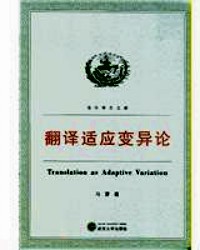
《青年学者文库:翻译适应变异论》由武汉大学出版社出版。
目录
Chapter 1 Introduction
1.1 Preview
1.2 Object of the research
1.3 Rationale of the research
1.4 Problems with the existing translation studies
1.5 Objectives of the research
1.6 Key research questions and hypotheses
1.7 Research methodology
1. 8 Significance of the research
1.9 Structure of the research
Chapter 2 Review of the Relevant Literature
2. 1 Introduction
2.2 A meta-theoretical thinking of translation studies
2. 2. 1 Different focuses of investigation
2. 2. 2 Problems of translation, studies
2. 2. 3 Problems with research methodology
2. 2. 4 Some taken for-granted facts in translation studies
2. 3 Studies related to translational variations
2.3.1 Translation shift
2. 3. 2 The variational approach
2. 3. 3 Huang's study on special variations in translation
2. 3. 4 Hu's adaptation and selection approach
2.4 Summary
Chapter 3 A Description of Adaptation-Theoretic Framework
3. 1 Introduction
3. 2 Introduction to adaptation theory
3. 2. 1 Pragmatics as a general functional perspective
3. 2. 2 Theory of linguistic adaptation
3. 2. 3 Four angles of investigation
3. 2. 4 Three properties of language
3. 3 An adaptation-theoretic approach to translation as adaptive variation
3. 3. 1 Contextual correlates in translational context
3. 3. 2 Translation as translator-centered
3. 3. 3 Language properties as prerequisites for translation operation
3. 3. 4 Translating as dynamic processes of making choices
3. 3. 5 Salience as cognitive filter
3. 3. 6 Translation as realization of adaptation
3. 3. 7 Translational variation as the result of adaptation
3.4 Summary
Chapter 4 Salience as a Cognitive Filter
4. 1 Introduction
4. 2 The Cognitive nature of salience
4.2.1 The notion of salience
4.2.2 Degree of salience
4.2.3 Dynamics of salience
4.3 Salience of the ST features
4.4 Salience of the TT norms
4.5 Salience of sociocultural context
4.6 Salience to the translator
4.7 Salience as a cognitive filter
4.8 Summary
Chapter 5 Adaptability of Translation
5.1 Introduction
5.2 Linguistic adaptability
5.3 Translational adaptability
5.3.1 Terminological problem and ambiguity
5.3.2 Redefining adaptation or adaptabdity
5.4 Bidirectionality of adaption
5.5 Obligatory adaptation
5.5.1 Adaptation to the rules of phonological patterns
5.5.2 Adaptation to the rules of syntactical structure
5.5.3 Adaptation to the rules of textual organization
5.6 Optional adaptation
5.6.1 Interpersonal adaptability
5.6.2 Intertextual adaptability
5.6.3 Sociocultural adaptability
5.7 Summary
Chapter 6 Variability of Translation
6.1 Introduction
6.2 Linguistic variability
6.3 Translational variability
6.4 Possibilities of translational variation
6.4.1 Variability of Linguistic forms
6.4.2 Variability of semantic content
6.4.3 Variability of pragmatic function
6.4.4 Variability of text type and text function
6.5 Variation as dynamic processes of choice making
6.5.1 Dynamic choice making of ST interpretation
6.5.2 Dynamic choice making of TT production
6.6 Variation as Translation Strategy
6.7 Variation as Translational Creativity
6.8 Translational products as a continuum of variations
6.9 Summary
Chapter 7 Translation as Adapave Variation: A Unified Account
7.1 Introduction
7.2 Translation as adaptive variation
7.3 Principles of translation
7.3.1 Adaptation principle
7.3.2 Conditioning principle
7.3.3 Variational principle
7.4 A Unified account of translation
7.4.1 ST as source of information for translation
7.4.2 TT as communicative text in target culture
7.4.3 Paradoxes and disputes revisited
7.4.4 Translatability reconsidered
7.5 Summary
……
Chapter 8 Conclusion
Bibliography
1.1 Preview
1.2 Object of the research
1.3 Rationale of the research
1.4 Problems with the existing translation studies
1.5 Objectives of the research
1.6 Key research questions and hypotheses
1.7 Research methodology
1. 8 Significance of the research
1.9 Structure of the research
Chapter 2 Review of the Relevant Literature
2. 1 Introduction
2.2 A meta-theoretical thinking of translation studies
2. 2. 1 Different focuses of investigation
2. 2. 2 Problems of translation, studies
2. 2. 3 Problems with research methodology
2. 2. 4 Some taken for-granted facts in translation studies
2. 3 Studies related to translational variations
2.3.1 Translation shift
2. 3. 2 The variational approach
2. 3. 3 Huang's study on special variations in translation
2. 3. 4 Hu's adaptation and selection approach
2.4 Summary
Chapter 3 A Description of Adaptation-Theoretic Framework
3. 1 Introduction
3. 2 Introduction to adaptation theory
3. 2. 1 Pragmatics as a general functional perspective
3. 2. 2 Theory of linguistic adaptation
3. 2. 3 Four angles of investigation
3. 2. 4 Three properties of language
3. 3 An adaptation-theoretic approach to translation as adaptive variation
3. 3. 1 Contextual correlates in translational context
3. 3. 2 Translation as translator-centered
3. 3. 3 Language properties as prerequisites for translation operation
3. 3. 4 Translating as dynamic processes of making choices
3. 3. 5 Salience as cognitive filter
3. 3. 6 Translation as realization of adaptation
3. 3. 7 Translational variation as the result of adaptation
3.4 Summary
Chapter 4 Salience as a Cognitive Filter
4. 1 Introduction
4. 2 The Cognitive nature of salience
4.2.1 The notion of salience
4.2.2 Degree of salience
4.2.3 Dynamics of salience
4.3 Salience of the ST features
4.4 Salience of the TT norms
4.5 Salience of sociocultural context
4.6 Salience to the translator
4.7 Salience as a cognitive filter
4.8 Summary
Chapter 5 Adaptability of Translation
5.1 Introduction
5.2 Linguistic adaptability
5.3 Translational adaptability
5.3.1 Terminological problem and ambiguity
5.3.2 Redefining adaptation or adaptabdity
5.4 Bidirectionality of adaption
5.5 Obligatory adaptation
5.5.1 Adaptation to the rules of phonological patterns
5.5.2 Adaptation to the rules of syntactical structure
5.5.3 Adaptation to the rules of textual organization
5.6 Optional adaptation
5.6.1 Interpersonal adaptability
5.6.2 Intertextual adaptability
5.6.3 Sociocultural adaptability
5.7 Summary
Chapter 6 Variability of Translation
6.1 Introduction
6.2 Linguistic variability
6.3 Translational variability
6.4 Possibilities of translational variation
6.4.1 Variability of Linguistic forms
6.4.2 Variability of semantic content
6.4.3 Variability of pragmatic function
6.4.4 Variability of text type and text function
6.5 Variation as dynamic processes of choice making
6.5.1 Dynamic choice making of ST interpretation
6.5.2 Dynamic choice making of TT production
6.6 Variation as Translation Strategy
6.7 Variation as Translational Creativity
6.8 Translational products as a continuum of variations
6.9 Summary
Chapter 7 Translation as Adapave Variation: A Unified Account
7.1 Introduction
7.2 Translation as adaptive variation
7.3 Principles of translation
7.3.1 Adaptation principle
7.3.2 Conditioning principle
7.3.3 Variational principle
7.4 A Unified account of translation
7.4.1 ST as source of information for translation
7.4.2 TT as communicative text in target culture
7.4.3 Paradoxes and disputes revisited
7.4.4 Translatability reconsidered
7.5 Summary
……
Chapter 8 Conclusion
Bibliography
Translation as adaptive variation
- 名称
- 类型
- 大小
光盘服务联系方式: 020-38250260 客服QQ:4006604884
云图客服:
用户发送的提问,这种方式就需要有位在线客服来回答用户的问题,这种 就属于对话式的,问题是这种提问是否需要用户登录才能提问
Video Player
×
Audio Player
×
pdf Player
×
