

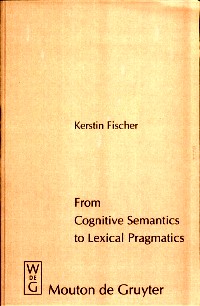
简介
In work carried out principally at the University of Bielefeld, Fischer examines small items in English such as , , , or and in German such as , , , or , which are grammatically peripheral but may fulfill a broad range of functions. He is concerned with the problem of polysemy, the occurrence of more-or-less discrete and unitary bundles of semantic properties associated with particular word forms. He basically wants to account for the fact that a particular discourse particle lexeme may get different interpretations that are perceived as related in some way. Annotation c. Book News, Inc., Portland, OR (booknews.com)
目录
Introduction: The domain p. 1
Aims p. 1
Definition p. 13
Semantic properties p. 16
Functional properties p. 18
Form-related properties p. 23
Corpora p. 27
The German corpora p. 29
The English corpora p. 34
Methods p. 35
Interpretative methods p. 36
Quantitative and computational methods p. 55
Linguistic models p. 58
The structure of the following p. 60
Contexts and categories: Functional interpretation p. 65
The functional spectrum of German ja p. 68
Category assignment p. 97
The descriptive inventory p. 99
Classification in artificial neural networks p. 110
Consequences for lexical representation: Constructions p. 120
Conceptual background frame: Evidence from extra-linguistic variables p. 125
The variable communication partner p. 126
The variable speaker's gender p. 157
Ah and ahm in human-to-human communication p. 157
Gender-related functional shifts in human-computer interaction p. 166
Consequences for lexical representation: Conceptual background frame p. 175
The relation lexeme--function p. 176
A frame of communicative domains p. 178
Lexical analysis p. 195
Semantic relations p. 197
Translation equivalents p. 199
Semantic fields p. 207
Semantic decomposition p. 219
Methodological considerations p. 219
Semantic tests for discourse particles p. 223
English oh p. 226
Tests for the features of oh p. 232
Further English discourse particles p. 239
Consequences for lexical representation: Invariant meanings p. 258
Lexical representation p. 261
A unified model of the meanings and functions of discourse particles p. 261
The contextual meanings of discourse particles p. 262
From contextual meanings to discourse functions p. 270
The different word classes p. 275
The general function of discourse particles p. 277
Aspects of the lexicon p. 284
General properties of linguistic lexica p. 285
The structure of lexical entries p. 289
Types of lexical information p. 292
Linguistic generalisations in ILEX/DATR p. 296
A frame- and construction-based lexicon for discourse particles p. 300
Conclusion and prospects p. 321
From cognitive semantics to lexical pragmatics p. 321
Automatic processing of discourse particles p. 323
References p. 327
Questionnaire p. 357
DATR Program p. 359
Index p. 367
Aims p. 1
Definition p. 13
Semantic properties p. 16
Functional properties p. 18
Form-related properties p. 23
Corpora p. 27
The German corpora p. 29
The English corpora p. 34
Methods p. 35
Interpretative methods p. 36
Quantitative and computational methods p. 55
Linguistic models p. 58
The structure of the following p. 60
Contexts and categories: Functional interpretation p. 65
The functional spectrum of German ja p. 68
Category assignment p. 97
The descriptive inventory p. 99
Classification in artificial neural networks p. 110
Consequences for lexical representation: Constructions p. 120
Conceptual background frame: Evidence from extra-linguistic variables p. 125
The variable communication partner p. 126
The variable speaker's gender p. 157
Ah and ahm in human-to-human communication p. 157
Gender-related functional shifts in human-computer interaction p. 166
Consequences for lexical representation: Conceptual background frame p. 175
The relation lexeme--function p. 176
A frame of communicative domains p. 178
Lexical analysis p. 195
Semantic relations p. 197
Translation equivalents p. 199
Semantic fields p. 207
Semantic decomposition p. 219
Methodological considerations p. 219
Semantic tests for discourse particles p. 223
English oh p. 226
Tests for the features of oh p. 232
Further English discourse particles p. 239
Consequences for lexical representation: Invariant meanings p. 258
Lexical representation p. 261
A unified model of the meanings and functions of discourse particles p. 261
The contextual meanings of discourse particles p. 262
From contextual meanings to discourse functions p. 270
The different word classes p. 275
The general function of discourse particles p. 277
Aspects of the lexicon p. 284
General properties of linguistic lexica p. 285
The structure of lexical entries p. 289
Types of lexical information p. 292
Linguistic generalisations in ILEX/DATR p. 296
A frame- and construction-based lexicon for discourse particles p. 300
Conclusion and prospects p. 321
From cognitive semantics to lexical pragmatics p. 321
Automatic processing of discourse particles p. 323
References p. 327
Questionnaire p. 357
DATR Program p. 359
Index p. 367
- 名称
- 类型
- 大小
光盘服务联系方式: 020-38250260 客服QQ:4006604884
云图客服:
用户发送的提问,这种方式就需要有位在线客服来回答用户的问题,这种 就属于对话式的,问题是这种提问是否需要用户登录才能提问
Video Player
×
Audio Player
×
pdf Player
×
