

简介
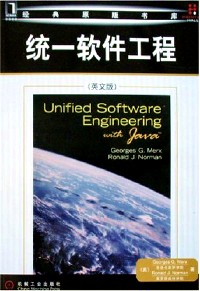
本书展示了如何使用统一建模语言(LJML)和简单设计模式等软件工程
最佳实践,在扩展的统一过程框架中开发实用的软件工程的技巧。
开发软件本身是一个复杂、有价值的过程。本书从面向过程的角度讨论
使用.Java语言进行有效软件开发的方法和技术。为了反映当前软件开发行
业的技术发展和趋势,本书不仅提供扎实的编程语言指导,还力图根据
Grady Booch、Jim RumbaLJgh、Ivar Jacobson、Peter Coad、Barry
Boellm、Kent Beck等备受推崇的软件工程思想领袖所开发的最佳实践和经
过验证的原理,为读者建立面向对象方法学方面的广泛的基本概念。基于全
面的、面向对象的软件设计和开发流程的生命周期观点,本书定义和描述的
软件工程中还包含如何使用、Java语言来开发健壮的、商用且非常实用的软
件解决方案。
本书适用于高等院校信息系统或计算机科学系有关Java和面向对象的程
序设计课程或软件工程课程。从最初构思到开发,软件工程项目的设计、开
发和管理将伴随学生的学习历程。他们将理解严格的基于迭代的需求管理(
使用项目干系人及案例分析)、概念性和具体设计(使用统一建模语言和设
计模式)、基于组件实现以及经过周密规划的任务部署如何推动软件开发从
一种艺术形态转变成一种工程学科。
目录
preface
1 introduction to java in the context of software engineering
1.1 getting acquainted
1.2 what is java programming?
1.2.1 what is software engineering?
1.3 learning objectives
1.3.1 learning layout
1.3.2 learning connections
1.4 executive summary
1.5 learning modules
1.5.1 concepts
1.5.2 unified process-based methodology overview
1.5.3 position in process
1.5.4 domain model
1.5.5 scenarios
1.5.6 the unified modeling language
1.6 the java programming language
1.6.1 historical perspective on java
1.6.2 java basics
1.7 relationships
. 1.7.1 caveats and complexities
1.8 example: the voting program
1.8.1 project (system) vision
1.8.2 project description
1.8.3 stakeholder analysis
1.8.4 customer profile
1.8.5 market analysis
1.8.6 risk analysis
1.8.7 business use case model and use cases
1.8.8 competitive analysis
1.8.9 distribution plan
1.8.10 financial plan
1.8.11 high-level project plan
1.8.12 recommendations
1.9 ongoing case study
1.9.1 introduction
1.9.2 initial concept
1.9.3 business justification
1.9.4 stakeholder analysis
1.9.5 case assignments
1.10 resources: connections·people·companies
1.11 summary and recommendations
1.12 review questions
1.13 glossary - terminology - concepts
1.14 exercises
1.15 setting up a java development environment
1.15.1 versions of java
1.15.2 class and classpath setup
1.16 java programming exercises
2 experimenting with classes and objects
2.1 learning objectives
2.1.1 learning layout
2.1.2 learning connections
2.2 executive summary
2.3 learning modules
2.3.1 concepts
2.3.2 position in process
2.4 the purpose of object orientation in software engineering
2.5 problems with procedural programming
2.6 how o-o solves software development problems
2.7 understanding object orientation
2.8 object-orientation in java
2.8.1 java classes and objects
2.9 architecture and class hierarchy
2.10 economies of reuse
2.10.1 quality
2.10.2 consistency
2.10.3 implement once
2.10.4 flexibility
2.11 use case models and classes
2.12 "real-life" variations
2.13 translating generic class descriptions into java classes
……
3 the structure and syntax of java
4 desing and development of java applications
5 architecture-driven component development
6 introduction to distributed comprting concepts
7 interfacing with users
8 implementing java programs
9 software quality assurance
10 information management in java
11 reality check:java programs in the real world
12 software integration and deployment
13 java on various computer platforms
14 advanced topics in java software engineering
15 the unified modeling language:a p rimer
index
1 introduction to java in the context of software engineering
1.1 getting acquainted
1.2 what is java programming?
1.2.1 what is software engineering?
1.3 learning objectives
1.3.1 learning layout
1.3.2 learning connections
1.4 executive summary
1.5 learning modules
1.5.1 concepts
1.5.2 unified process-based methodology overview
1.5.3 position in process
1.5.4 domain model
1.5.5 scenarios
1.5.6 the unified modeling language
1.6 the java programming language
1.6.1 historical perspective on java
1.6.2 java basics
1.7 relationships
. 1.7.1 caveats and complexities
1.8 example: the voting program
1.8.1 project (system) vision
1.8.2 project description
1.8.3 stakeholder analysis
1.8.4 customer profile
1.8.5 market analysis
1.8.6 risk analysis
1.8.7 business use case model and use cases
1.8.8 competitive analysis
1.8.9 distribution plan
1.8.10 financial plan
1.8.11 high-level project plan
1.8.12 recommendations
1.9 ongoing case study
1.9.1 introduction
1.9.2 initial concept
1.9.3 business justification
1.9.4 stakeholder analysis
1.9.5 case assignments
1.10 resources: connections·people·companies
1.11 summary and recommendations
1.12 review questions
1.13 glossary - terminology - concepts
1.14 exercises
1.15 setting up a java development environment
1.15.1 versions of java
1.15.2 class and classpath setup
1.16 java programming exercises
2 experimenting with classes and objects
2.1 learning objectives
2.1.1 learning layout
2.1.2 learning connections
2.2 executive summary
2.3 learning modules
2.3.1 concepts
2.3.2 position in process
2.4 the purpose of object orientation in software engineering
2.5 problems with procedural programming
2.6 how o-o solves software development problems
2.7 understanding object orientation
2.8 object-orientation in java
2.8.1 java classes and objects
2.9 architecture and class hierarchy
2.10 economies of reuse
2.10.1 quality
2.10.2 consistency
2.10.3 implement once
2.10.4 flexibility
2.11 use case models and classes
2.12 "real-life" variations
2.13 translating generic class descriptions into java classes
……
3 the structure and syntax of java
4 desing and development of java applications
5 architecture-driven component development
6 introduction to distributed comprting concepts
7 interfacing with users
8 implementing java programs
9 software quality assurance
10 information management in java
11 reality check:java programs in the real world
12 software integration and deployment
13 java on various computer platforms
14 advanced topics in java software engineering
15 the unified modeling language:a p rimer
index
- 名称
- 类型
- 大小
光盘服务联系方式: 020-38250260 客服QQ:4006604884
云图客服:
用户发送的提问,这种方式就需要有位在线客服来回答用户的问题,这种 就属于对话式的,问题是这种提问是否需要用户登录才能提问
Video Player
×
Audio Player
×
pdf Player
×
