

微信扫一扫,移动浏览光盘
简介
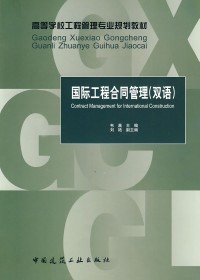
《国际工程合同管理(双语)》介绍了国际建筑市场常用的合同管理的主要内容,其中包括建筑业的概况;建设项目的参与方;建筑工程的采购方式;招标及合同构成;合同条款;承包商的合同义务;雇主的合同义务;时间;支付;合同管理者的角色;分包;合同的暂停和终止;合同纠纷的解决方法;仲裁与诉讼。
为适应双语教学的要求,同时考虑到该课程的性质比较适合双语教学,因此《国际工程合同管理(双语)》以英文编写。同时,为了更好地帮助读者更深入地理解《国际工程合同管理(双语)》内容,书中对重要的概念、术语以及较难理解的句子进行了详细解释,并有译文。
《国际工程合同管理(双语)》不仅适用于工程管理和工程造价专业的本科生及研究生,而且对从事国际工程承包管理的合同管理人员也具有一定的参考价值。
目录
Chapter 1 Introduction to Construction Industry
Chapter 2 The Parties To The Contracts
2.1 Employer
2.2 Contractor
2.3 Contract Administrator
Chapter 3 Procurement Methods of Construction Contracts
3.1 General Contracting
3.1.1 Background
3.1.2 Basic Characteristics of Traditional General Contracts
3.2 Design and build
3.2.1 Background
3.2.2 Features of Design and Build Contracts
3.3 Management contracting
3.4 Construction Management
3.5 EPC
Chapter 4 Tendering and Contract Formation
4.1 Agreement
4.1.1 Offer
4.1.2 Acceptance
4.2 Contracts made by tender
4.2.1 Purpose of tendering
4.2.2 Tendering procedures
4.2.3 Legal analysis of tenders
4.2.4 Problems in the constitution of bids
Chapter 5 Contraet Terms
5.1 Express Terms
5.1.1 Terms and representations
5.1.2 Contract documents
5.1.3 Priority of documents
5.2 Implied Terms
5.2.1 Implication in law
5.2.2 Implication in fact
Chapter 6 Contractor's Obligations
6.1 Standard of work
6.1.1 Workmanship
6.1.2 Standard of materials
6.1.3 Suitability of materials
6.1.4 Suitability of the building
6.2 Statutory obligations
6.2 1 Contractor's duties
6.2.2 Divergence between statutory requirements and contract
6.2.3 Emergency work
6.3 Co-ordination and Management
6.3.1 Control of persons on the site
6.3.2 Exclusion of persons from the works
6.3.3 Antiquities
6.3.4 Testing and approvals
6.4 Transfer of materials
6.4.1 General position
6.4.2 Contract provisions
6.4.3 Retention of title
Chapter 7 Employer's Obligations
7.1 Implied obligations
7.1.1 Non-hindrance and co-operation
7.1.2 Specific examples of non-hindrance and co-operation
7.2 Express terms of Employer's Obligations
7.2.1 Payment
7.2.2 Necessary Nominations
7.2.3 Site Obligations
7.2.4 Insurance
7.3 Responsibility for the Contract Administrator
7.4 Responsibility for site conditions
7.4.1 Contractor's Risk
7.4.2 Employer's Responsibility
Chapter 8 Time
8.1 Commencement
8.1.1 Possession of the site
8.1.2 Date for possession
8.1.3 Deferred Possession
8.2 Progress
8.3 Completion
8.3.1 Meaning of Completion
8.3.2 Date for Completion
8.3.3 Delay in completion"
8.3.4 Sectional completion and partial possession
8.3.5 Effects of completion
8.4 Contractor's Obligations after Completion
8.5 Extensions of Time
8.5.1 Grounds for extensions of time
8.5.2 'Relevant events' as a ground for extensions of time
Chapter 9 Payment
9.1 Employer's obligations to pay
9.1.1 Contract price
9.1.2 Time of payment
9.1.3 Effect of certificates
9.2 Contract sum
9.2.1 Definitions in the contracts
9.2.2 Permissible changes
9.3 Variations
9.3.1 The need for variations
9.3.2 Definition of variations
9.3.3 Issuing variations
9.3.4 Valuing variations
9.4 Fluctuations
9.5 Retention money
Chapter 10 Role of the Contract Administrator
10.1 Contract administrator as the employer's agent
10.1.1 Extent of powers
10.1.2 Functions and duties
10.2 Contract administrator as independent adjudicator
10.2.1 Certification
10.2.2 Other decision-making functions
10.2.3 Liability for negligent decision-making
Chapter 11 Subcontracting and Nomination
11.1 Outline of Subcontracting
11.1.1 What is construction subcontracting
11.1.2 Reasons for subcontracting
11.1.3 Types of subcontractors
11.2 Domestic subcontractor
11.2.1 Selection of domestic subcontractors
11.2.2 Relationship between the main contractor and subcontractors
11.3 Nominated Subcontracting
11.3.1 Why Nominate
11.3.2 Difference between nominated subcontractors and domestic subcontractors
11.4 Payment to subcontractors
Chapter 12 Suspension and Termination of Contract
12.1 Suspension of Work
12.1.1 Suspension by Employer
12.1. 2 Suspension by Contractor
12.2 Termination of Work
12.3 Termination by Employer
12.3.1 The Event Incurring Termination for Default
12.3.2 Steps of Termination for Cause Taken by Employer
12.3.3 Termination for Convenience
12.4 Termination by Contractor
Chapter 13 Alternative Dispute Resolutions
13.1 Definition of ADR
13.2 Features of ADR
13.3 Forms of ADR
13.3.1 Negotiation
13.3.2 Conciliation
13.3.3 Mediation
13.3.4 Dispute Adjudication Board
13.4 The Mediation/Conciliation Agreement
13.5 The Procedure of DRB/DAB
13.5.1 Selection and Appointment of Dispute Board Members
13.5.2 Dispute Board Rules
13.5.3 The Work of the Dispute Board
Chapter 14 Arbitration and Litigation
14.1 Arbitration
14.1.1 Advantages of Arbitration over Litigation
14.1.2 Disadvantages of Arbitration
14.1.3 Arbitration Institutions
14.1.4 Choosing of Arbitrator
14.1.5 Duty of Arbitrators
14.1.6 The Arbitral Proceedings
14. 2 Litigation
14.2.1 Litigation or Arbitration
14.2.2 Process of Litigation
Glossary
References
Chapter 2 The Parties To The Contracts
2.1 Employer
2.2 Contractor
2.3 Contract Administrator
Chapter 3 Procurement Methods of Construction Contracts
3.1 General Contracting
3.1.1 Background
3.1.2 Basic Characteristics of Traditional General Contracts
3.2 Design and build
3.2.1 Background
3.2.2 Features of Design and Build Contracts
3.3 Management contracting
3.4 Construction Management
3.5 EPC
Chapter 4 Tendering and Contract Formation
4.1 Agreement
4.1.1 Offer
4.1.2 Acceptance
4.2 Contracts made by tender
4.2.1 Purpose of tendering
4.2.2 Tendering procedures
4.2.3 Legal analysis of tenders
4.2.4 Problems in the constitution of bids
Chapter 5 Contraet Terms
5.1 Express Terms
5.1.1 Terms and representations
5.1.2 Contract documents
5.1.3 Priority of documents
5.2 Implied Terms
5.2.1 Implication in law
5.2.2 Implication in fact
Chapter 6 Contractor's Obligations
6.1 Standard of work
6.1.1 Workmanship
6.1.2 Standard of materials
6.1.3 Suitability of materials
6.1.4 Suitability of the building
6.2 Statutory obligations
6.2 1 Contractor's duties
6.2.2 Divergence between statutory requirements and contract
6.2.3 Emergency work
6.3 Co-ordination and Management
6.3.1 Control of persons on the site
6.3.2 Exclusion of persons from the works
6.3.3 Antiquities
6.3.4 Testing and approvals
6.4 Transfer of materials
6.4.1 General position
6.4.2 Contract provisions
6.4.3 Retention of title
Chapter 7 Employer's Obligations
7.1 Implied obligations
7.1.1 Non-hindrance and co-operation
7.1.2 Specific examples of non-hindrance and co-operation
7.2 Express terms of Employer's Obligations
7.2.1 Payment
7.2.2 Necessary Nominations
7.2.3 Site Obligations
7.2.4 Insurance
7.3 Responsibility for the Contract Administrator
7.4 Responsibility for site conditions
7.4.1 Contractor's Risk
7.4.2 Employer's Responsibility
Chapter 8 Time
8.1 Commencement
8.1.1 Possession of the site
8.1.2 Date for possession
8.1.3 Deferred Possession
8.2 Progress
8.3 Completion
8.3.1 Meaning of Completion
8.3.2 Date for Completion
8.3.3 Delay in completion"
8.3.4 Sectional completion and partial possession
8.3.5 Effects of completion
8.4 Contractor's Obligations after Completion
8.5 Extensions of Time
8.5.1 Grounds for extensions of time
8.5.2 'Relevant events' as a ground for extensions of time
Chapter 9 Payment
9.1 Employer's obligations to pay
9.1.1 Contract price
9.1.2 Time of payment
9.1.3 Effect of certificates
9.2 Contract sum
9.2.1 Definitions in the contracts
9.2.2 Permissible changes
9.3 Variations
9.3.1 The need for variations
9.3.2 Definition of variations
9.3.3 Issuing variations
9.3.4 Valuing variations
9.4 Fluctuations
9.5 Retention money
Chapter 10 Role of the Contract Administrator
10.1 Contract administrator as the employer's agent
10.1.1 Extent of powers
10.1.2 Functions and duties
10.2 Contract administrator as independent adjudicator
10.2.1 Certification
10.2.2 Other decision-making functions
10.2.3 Liability for negligent decision-making
Chapter 11 Subcontracting and Nomination
11.1 Outline of Subcontracting
11.1.1 What is construction subcontracting
11.1.2 Reasons for subcontracting
11.1.3 Types of subcontractors
11.2 Domestic subcontractor
11.2.1 Selection of domestic subcontractors
11.2.2 Relationship between the main contractor and subcontractors
11.3 Nominated Subcontracting
11.3.1 Why Nominate
11.3.2 Difference between nominated subcontractors and domestic subcontractors
11.4 Payment to subcontractors
Chapter 12 Suspension and Termination of Contract
12.1 Suspension of Work
12.1.1 Suspension by Employer
12.1. 2 Suspension by Contractor
12.2 Termination of Work
12.3 Termination by Employer
12.3.1 The Event Incurring Termination for Default
12.3.2 Steps of Termination for Cause Taken by Employer
12.3.3 Termination for Convenience
12.4 Termination by Contractor
Chapter 13 Alternative Dispute Resolutions
13.1 Definition of ADR
13.2 Features of ADR
13.3 Forms of ADR
13.3.1 Negotiation
13.3.2 Conciliation
13.3.3 Mediation
13.3.4 Dispute Adjudication Board
13.4 The Mediation/Conciliation Agreement
13.5 The Procedure of DRB/DAB
13.5.1 Selection and Appointment of Dispute Board Members
13.5.2 Dispute Board Rules
13.5.3 The Work of the Dispute Board
Chapter 14 Arbitration and Litigation
14.1 Arbitration
14.1.1 Advantages of Arbitration over Litigation
14.1.2 Disadvantages of Arbitration
14.1.3 Arbitration Institutions
14.1.4 Choosing of Arbitrator
14.1.5 Duty of Arbitrators
14.1.6 The Arbitral Proceedings
14. 2 Litigation
14.2.1 Litigation or Arbitration
14.2.2 Process of Litigation
Glossary
References
Contract management for international construction
- 名称
- 类型
- 大小
光盘服务联系方式: 020-38250260 客服QQ:4006604884
云图客服:
用户发送的提问,这种方式就需要有位在线客服来回答用户的问题,这种 就属于对话式的,问题是这种提问是否需要用户登录才能提问
Video Player
×
Audio Player
×
pdf Player
×
