

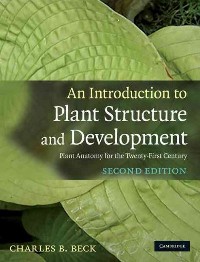
An introduction to plant structure and development : plant anatomy for the twenty-first century /...
副标题:无
作 者:Charles B. Beck.
分类号:
ISBN:9780521518055
微信扫一扫,移动浏览光盘
简介
Summary:
Publisher Summary 1
This is a plant anatomy textbook unlike any other on the market today. As suggested by the subtitle, it is plant anatomy for the twenty-first century. Whereas traditional plant anatomy texts include primarily descriptive aspects of structure with some emphasis on patterns of development, this book not only provides a comprehensive coverage of plant structure, but also introduces, in some detail, aspects of the mechanisms of development, especially the genetic and hormonal controls, and the roles of the cytoskeleton. The evolution of plant structure and the relationship between structure and function are also discussed throughout the book. Consequently, it provides students and, perhaps, some teachers as well, with an introduction to many of the exciting, contemporary areas at the forefront of research, especially those areas in the development of plant structure. Those who wish to delve more deeply into areas of plant development will find the extensive bibliographies at the end of each chapter indispensable. If this book stimulates a few students to become leaders in teaching and research in plant anatomy of the future, the goal of the author will have been accomplished.
"It is the best book on the subject of plant anatomy since the texts of Esau...can serve equally well as a text...or as a reference for researchers." Carol A. Peterson, Distinguished Professor Emerita, University of Waterloo, Canada Review in Annals of Botany
"..a fabulous and important contribution that needs to be read by anyone who calls himself or herself a botanist." Karl J. Niklas, Liberty Hyde Bailey Professor of Plant Biology, Cornell University
目录
Table Of Contents:
Preface to the second edition xiii
Preface xv
Acknowledgements xvii
General references xx
Chapter 1 Problems of adaptation to a terrestrial environment 1(7)
Perspective: the origin of vascular plants 1(2)
Structural adaptations 3(2)
Preview of subsequent chapters 5(1)
References 6(1)
Further reading 7(1)
Chapter 2 An overview of plant structure and development 8(30)
Perspective: origin of multicellularity 8(2)
Some aspects of the shoot system of the vascular plant 10(3)
Apical meristems 13(4)
Primary tissue regions of the stem and root 17(6)
Vascular bundle types 23(3)
Secondary growth 26(3)
Cells of the xylem 29(4)
Cells of the phloem 33(2)
References 35(1)
Further reading 36(2)
Chapter 3 The protoplast of the eukaryotic cell 38(20)
Perspective 38(1)
Morphology of the protoplast 39(12)
Vacuoles 51(1)
Movement of organelles in the protoplast 51(2)
Ergastic substances 53(2)
References 55(2)
Further reading 57(1)
Chapter 4 Structure and development of the cell wall 58(25)
Perspective 58(1)
Structure and composition of the cell wall 59(6)
Growth of the cell wall 65(3)
Cell wall development 68(4)
Plasmodesmata 72(5)
References 77(4)
Further reading 81(2)
Chapter 5 Meristems of the shoot and their role in plant growth and development 83(25)
Perspective 83(1)
Apical meristems 83(7)
Formation of leaf primordia 90(2)
Transitional tissue regions 92(3)
Intercalary meristems 95(1)
The primary peripheral thickening meristem of monocotyledons 96(1)
Cell growth and development 97(1)
The effect of hormones on cell growth and development 98(1)
Genetic control of cell growth and development 99(1)
Role of the cytoskeleton in cell growth and development 100(2)
Cell shaping by microtubules 102(1)
References 103(3)
Further reading 106(2)
Chapter 6 Morphology and development of the primary vascular system of the stem 108(15)
Perspective 108(1)
Cellular composition and patterns of development of primary xylem 109(3)
Cellular composition and patterns of development of primary phloem 112(1)
Differentiation of primary vascular tissues 113(6)
The role of auxin in the development of the primary vascular system 119(2)
References 121(1)
Further reading 122(1)
Chapter 7 Sympodial systems and patterns of nodal anatomy 123(18)
Perspective: leaf traces 123(1)
Nodal structure of pteridophytes 123(2)
Sympodial systems of seed plants 125(9)
Leaf trace lacunae 134(1)
The cauline vs. foliar nature of vascular bundles in the eustele 135(1)
Phyllotaxy 136(3)
References 139(1)
Further reading 140(1)
Chapter 8 The epidermis 141(16)
Perspective 141(1)
Epidermis of the shoot 141(8)
Epidermis of the root 149(1)
Stomata 149(3)
Signal transduction and movement in guard cells 152(1)
Development of stomata 153(2)
References 155(1)
Further reading 156(1)
Chapter 9 The origin of secondary tissue systems and the effect of their formation on the primary body in seed plants 157(9)
Perspective: role of the vascular cambium 157(3)
The effect of secondary growth on the primary body 160(2)
The effect of secondary growth on leaf and branch traces 162(3)
References 165(1)
Further reading 165(1)
Chapter 10 The vascular cambium: structure and function 166(18)
Perspective 166(1)
Structure of the vascular cambium 166(3)
General overview of cambial activity 169(4)
Plant hormones and cambial activity 173(1)
Submicroscopic structure of cambial initials 174(1)
The onset of dormancy and the reactivation of dormant cambium 175(2)
Cytokinesis in fusiform initials 177(1)
The problem of differential growth of cambial cells and immature cambial derivatives 178(1)
References 179(3)
Further reading 182(2)
Chapter 11 Secondary xylem 184(38)
Perspective 184(1)
Overview of the structure of secondary xylem 184(3)
Secondary xylem of gymnosperms 187(6)
Resin ducts 193(1)
Secondary xylem of dicotyledons 194(5)
Differentiation of tracheary elements 199(8)
Patterns of distribution of xylary elements and rays 207(4)
Tyloses 211(2)
Evolution in secondary xylem of dicotyledons 213(2)
Mechanism of water transport 215(1)
References 216(4)
Further reading 220(2)
Chapter 12 The phloem 222(25)
Perspective: evolution of the phloem 222(1)
Gross structure and development of the phloem 223(5)
The nature and development of the cell wall of sieve elements 228(3)
Role of the cytoskeleton in wall development 231(1)
The nature and development of the protoplast of sieve elements 232(2)
Nature and function of P-protein 234(2)
Distinctive features of the phloem of gymnosperms 236(1)
The nature and function of companion cells and Strasburger cells 237(4)
The mechanism of transport in the phloem 241(1)
References 242(3)
Further reading 245(2)
Chapter 13 Periderm, rhytidome, and the nature of bark 247(8)
Perspective 247(1)
Periderm: structure and development 247(3)
Formation of rhytidome 250(2)
Lenticels 252(1)
The outer protective layer of monocotyledons 253(1)
References 254(1)
Further reading 254(1)
Chapter 14 Unusual features of structure and development in stems and roots 255(9)
Perspective 255(1)
Primary peripheral thickening meristem 255(1)
Secondary growth in monocotyledons 256(1)
Anomalous stem and root structure 257(6)
References 263(1)
Further reading 263(1)
Chapter 15 Secretion in plants 264(15)
Perspective 264(1)
Substances secreted by plants 264(1)
Mechanisms of secretion 265(1)
Internal secretory structures 266(4)
External secretory structures 270(6)
References 276(2)
Further reading 278(1)
Chapter 16 The root 279(45)
Perspective: evolution of the root 279(2)
Gross morphology 281(1)
Contractile roots and other highly specialized root systems 282(1)
Apical meristems 283(3)
The quiescent center and its role in development 286(2)
Primary tissues and tissue regions 288(7)
Lateral transport of water and minerals in the young root 295(2)
Development of primary tissues 297(4)
Auxin and tissue patterning 301(1)
Lateral root development 302(4)
Adventitious roots 306(1)
Secondary growth 306(1)
The root cap: its function and role in gravitropism 307(5)
Mycorrhizae 312(1)
Nitrogen fixation in root nodules 313(2)
Root-stem transition 315(1)
References 316(5)
Further reading 321(3)
Chapter 17 The leaf 324(37)
Perspective: evolution of the leaf 324(1)
Basic leaf structure 325(9)
Leaf development 334(6)
The role of the cytoskeleton in leaf development 340(1)
The role of genetics in leaf development 341(2)
Variations in leaf form, structure, and arrangement 343(3)
Structure in relation to function 346(1)
Photosynthesis and phloem loading 346(2)
Leaf structure of C3 and C4 plants 348(1)
Supporting structures in leaves 349(1)
Transfusion tissue in conifers 350(1)
Leaf abscission 351(2)
References 353(4)
Further reading 357(4)
Chapter 18 Reproduction and the origin of the sporophyte 361(37)
Perspective: the plant life cycle 361(1)
Reproduction in gymnosperms 362(4)
Reproduction in angiosperms 366(7)
Development of the seed in angiosperms 373(4)
Fruit development and the role of fruits in seed dispersal 377(3)
Seed germination and development of the seedling 380(1)
Floral morphogenesis 381(3)
Pollen-pistil interactions 384(3)
Self-incompatibility 387(1)
Role of the cytoskeleton in pollen tube growth 388(2)
References 390(4)
Further reading 394(4)
Glossary 398(35)
Index 433
Preface to the second edition xiii
Preface xv
Acknowledgements xvii
General references xx
Chapter 1 Problems of adaptation to a terrestrial environment 1(7)
Perspective: the origin of vascular plants 1(2)
Structural adaptations 3(2)
Preview of subsequent chapters 5(1)
References 6(1)
Further reading 7(1)
Chapter 2 An overview of plant structure and development 8(30)
Perspective: origin of multicellularity 8(2)
Some aspects of the shoot system of the vascular plant 10(3)
Apical meristems 13(4)
Primary tissue regions of the stem and root 17(6)
Vascular bundle types 23(3)
Secondary growth 26(3)
Cells of the xylem 29(4)
Cells of the phloem 33(2)
References 35(1)
Further reading 36(2)
Chapter 3 The protoplast of the eukaryotic cell 38(20)
Perspective 38(1)
Morphology of the protoplast 39(12)
Vacuoles 51(1)
Movement of organelles in the protoplast 51(2)
Ergastic substances 53(2)
References 55(2)
Further reading 57(1)
Chapter 4 Structure and development of the cell wall 58(25)
Perspective 58(1)
Structure and composition of the cell wall 59(6)
Growth of the cell wall 65(3)
Cell wall development 68(4)
Plasmodesmata 72(5)
References 77(4)
Further reading 81(2)
Chapter 5 Meristems of the shoot and their role in plant growth and development 83(25)
Perspective 83(1)
Apical meristems 83(7)
Formation of leaf primordia 90(2)
Transitional tissue regions 92(3)
Intercalary meristems 95(1)
The primary peripheral thickening meristem of monocotyledons 96(1)
Cell growth and development 97(1)
The effect of hormones on cell growth and development 98(1)
Genetic control of cell growth and development 99(1)
Role of the cytoskeleton in cell growth and development 100(2)
Cell shaping by microtubules 102(1)
References 103(3)
Further reading 106(2)
Chapter 6 Morphology and development of the primary vascular system of the stem 108(15)
Perspective 108(1)
Cellular composition and patterns of development of primary xylem 109(3)
Cellular composition and patterns of development of primary phloem 112(1)
Differentiation of primary vascular tissues 113(6)
The role of auxin in the development of the primary vascular system 119(2)
References 121(1)
Further reading 122(1)
Chapter 7 Sympodial systems and patterns of nodal anatomy 123(18)
Perspective: leaf traces 123(1)
Nodal structure of pteridophytes 123(2)
Sympodial systems of seed plants 125(9)
Leaf trace lacunae 134(1)
The cauline vs. foliar nature of vascular bundles in the eustele 135(1)
Phyllotaxy 136(3)
References 139(1)
Further reading 140(1)
Chapter 8 The epidermis 141(16)
Perspective 141(1)
Epidermis of the shoot 141(8)
Epidermis of the root 149(1)
Stomata 149(3)
Signal transduction and movement in guard cells 152(1)
Development of stomata 153(2)
References 155(1)
Further reading 156(1)
Chapter 9 The origin of secondary tissue systems and the effect of their formation on the primary body in seed plants 157(9)
Perspective: role of the vascular cambium 157(3)
The effect of secondary growth on the primary body 160(2)
The effect of secondary growth on leaf and branch traces 162(3)
References 165(1)
Further reading 165(1)
Chapter 10 The vascular cambium: structure and function 166(18)
Perspective 166(1)
Structure of the vascular cambium 166(3)
General overview of cambial activity 169(4)
Plant hormones and cambial activity 173(1)
Submicroscopic structure of cambial initials 174(1)
The onset of dormancy and the reactivation of dormant cambium 175(2)
Cytokinesis in fusiform initials 177(1)
The problem of differential growth of cambial cells and immature cambial derivatives 178(1)
References 179(3)
Further reading 182(2)
Chapter 11 Secondary xylem 184(38)
Perspective 184(1)
Overview of the structure of secondary xylem 184(3)
Secondary xylem of gymnosperms 187(6)
Resin ducts 193(1)
Secondary xylem of dicotyledons 194(5)
Differentiation of tracheary elements 199(8)
Patterns of distribution of xylary elements and rays 207(4)
Tyloses 211(2)
Evolution in secondary xylem of dicotyledons 213(2)
Mechanism of water transport 215(1)
References 216(4)
Further reading 220(2)
Chapter 12 The phloem 222(25)
Perspective: evolution of the phloem 222(1)
Gross structure and development of the phloem 223(5)
The nature and development of the cell wall of sieve elements 228(3)
Role of the cytoskeleton in wall development 231(1)
The nature and development of the protoplast of sieve elements 232(2)
Nature and function of P-protein 234(2)
Distinctive features of the phloem of gymnosperms 236(1)
The nature and function of companion cells and Strasburger cells 237(4)
The mechanism of transport in the phloem 241(1)
References 242(3)
Further reading 245(2)
Chapter 13 Periderm, rhytidome, and the nature of bark 247(8)
Perspective 247(1)
Periderm: structure and development 247(3)
Formation of rhytidome 250(2)
Lenticels 252(1)
The outer protective layer of monocotyledons 253(1)
References 254(1)
Further reading 254(1)
Chapter 14 Unusual features of structure and development in stems and roots 255(9)
Perspective 255(1)
Primary peripheral thickening meristem 255(1)
Secondary growth in monocotyledons 256(1)
Anomalous stem and root structure 257(6)
References 263(1)
Further reading 263(1)
Chapter 15 Secretion in plants 264(15)
Perspective 264(1)
Substances secreted by plants 264(1)
Mechanisms of secretion 265(1)
Internal secretory structures 266(4)
External secretory structures 270(6)
References 276(2)
Further reading 278(1)
Chapter 16 The root 279(45)
Perspective: evolution of the root 279(2)
Gross morphology 281(1)
Contractile roots and other highly specialized root systems 282(1)
Apical meristems 283(3)
The quiescent center and its role in development 286(2)
Primary tissues and tissue regions 288(7)
Lateral transport of water and minerals in the young root 295(2)
Development of primary tissues 297(4)
Auxin and tissue patterning 301(1)
Lateral root development 302(4)
Adventitious roots 306(1)
Secondary growth 306(1)
The root cap: its function and role in gravitropism 307(5)
Mycorrhizae 312(1)
Nitrogen fixation in root nodules 313(2)
Root-stem transition 315(1)
References 316(5)
Further reading 321(3)
Chapter 17 The leaf 324(37)
Perspective: evolution of the leaf 324(1)
Basic leaf structure 325(9)
Leaf development 334(6)
The role of the cytoskeleton in leaf development 340(1)
The role of genetics in leaf development 341(2)
Variations in leaf form, structure, and arrangement 343(3)
Structure in relation to function 346(1)
Photosynthesis and phloem loading 346(2)
Leaf structure of C3 and C4 plants 348(1)
Supporting structures in leaves 349(1)
Transfusion tissue in conifers 350(1)
Leaf abscission 351(2)
References 353(4)
Further reading 357(4)
Chapter 18 Reproduction and the origin of the sporophyte 361(37)
Perspective: the plant life cycle 361(1)
Reproduction in gymnosperms 362(4)
Reproduction in angiosperms 366(7)
Development of the seed in angiosperms 373(4)
Fruit development and the role of fruits in seed dispersal 377(3)
Seed germination and development of the seedling 380(1)
Floral morphogenesis 381(3)
Pollen-pistil interactions 384(3)
Self-incompatibility 387(1)
Role of the cytoskeleton in pollen tube growth 388(2)
References 390(4)
Further reading 394(4)
Glossary 398(35)
Index 433
An introduction to plant structure and development : plant anatomy for the twenty-first century /...
- 名称
- 类型
- 大小
光盘服务联系方式: 020-38250260 客服QQ:4006604884
云图客服:
用户发送的提问,这种方式就需要有位在线客服来回答用户的问题,这种 就属于对话式的,问题是这种提问是否需要用户登录才能提问
Video Player
×
Audio Player
×
pdf Player
×
