

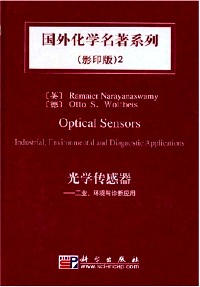
Optical sensors : industrial, environmental and diagnostic applications = 光学传感器 : 工业、环境...
副标题:无
作 者:Ramaier Narayanaswamy, Otto S. Wolfbeis.
分类号:
ISBN:9787030211866
微信扫一扫,移动浏览光盘
简介
本书内容涵盖此领域的最新研究成果,临床处理的具体细节,在过程
控制、生物芯片、临床分析、环境科学等领域的示范性应用等,概述了光
学传感技术在过去二十年各方面的发展,并对未来的趋势进行了展望。第
一章讨论了探针与标记物,接下来两章分别讨论基于分子印迹的分子识别
系统,环境分析中气体和液体的新的标记染料。随后介绍了用于医学诊断
和食品分析的光学生物传感器和生物芯片。最后讨论了化学传导原理和光
学传感器的设计,工业和环境样本监测分析结果。
本书可供分析化学、生物化学、分子生物学、材料科学和医学等专业
研究生以及相关领域科研人员参考使用。
目录
chapter 1
optical technology until the year 2000: an historical overview otto s. wolfbeis
1 introduction
2 very early history
3 early history (up to about 1985)
4 optical sensors for gases (including dissolved gases) and organics
5 opt(r)odes for ph
6 optical sensors for ions
7 enzyme-based biosensors
8 fiber optic systems
9 signal referencing
10 optical sensing schemes
11 materials for optical chemical sensors and biosensors
12 imaging and pressure-sensitive paints
13 commercial instrumentation using opt(r)odes
references
chapter 2 molecularly imprinted polymers for optical sensing devices
marta elena df az-garcfa, rosana badfa
1 introduction
2 molecular imprinting process
. 2.1 covalent molecular imprinting
2.2 self-assembly molecular imprinting
3 polymer composition
3.1 templates
3.2 type of monomer and crosslinker
3.3 porogenic solvents
3.4 radical initiators
4 mip optical sensing applications
4.1 optical sensing approaches for metals of environmental concern
4.1.1 imprinted metal ion sensors based on polymerizable metal chelates (covalent imprinting)
4.1.2 optical sensors based on non-covalent imprinting of fluorescent metal chelates
4.2 optical sensing approaches for environmental harmful compounds
4.3 mip optical sensing materials for organic volatile compounds
5 conclusions and outlook
references
chapter 3 chromogenic and fluorogenic reactands: new indicator dyes for monitoring amines, alcohols and aldehydes
gerhard j. mohr
1 introduction
2 sensing amines
2.1 trifluoroacetylazobenzene dyes
2.2 trifluoroacetylazobenzene copolymers
3 sensing alcohols
3.1 trifluoroacetylstilbenes
4 sensing aldehydes
4.1 perylene tetracarboxylbisimides
5 conclusions and outlook
references
chapter 4 design, quality control and normalization of biosensor chips
claudia preininger, ursula sauer
1 introduction
2 principle
3 biochip fabrication
3.1 biomolecular probes
5.2 array manufacture
3.3 slides and immobilization
4 optical read-out
5 quality control
5.1 autofluorescence
5.2 arraying
5.3 print buffer
5.4 immobilization
5.5 fluorescent label
5.6 validation
6 data collection and analysis
6.1 imaging
6.2 imaee analysis
……
chapter 5 rapid, multiplex optical biodetection for point-of-care applications
chapter 6 multi-functional biochip for medical diganostics and pathogen detection
chapter 7 surface plasmon resonance biosensors for food safety
chapter 8 nir dyes for ammonia and hci sensors
chapter 9 piezo-optical dosimeters for occupational and environmental montoring
chapter 10 interferometric biosensors for environmental pollution detection
chapter 11 fibre-optic sensors for humidity monitoring
chapter 12 optical sensing of ph low lonic strength waters
chapter 13 environmental and industrial optosensing with tailored luminescent ru(ii) polypyridyl complexes
chapter 14 tifr array biosensor for enviromental monitoring
chapter 15 optical techniques for determination and sensing of hydrogen peroxide in industrial and environmental smaples
subject index
optical technology until the year 2000: an historical overview otto s. wolfbeis
1 introduction
2 very early history
3 early history (up to about 1985)
4 optical sensors for gases (including dissolved gases) and organics
5 opt(r)odes for ph
6 optical sensors for ions
7 enzyme-based biosensors
8 fiber optic systems
9 signal referencing
10 optical sensing schemes
11 materials for optical chemical sensors and biosensors
12 imaging and pressure-sensitive paints
13 commercial instrumentation using opt(r)odes
references
chapter 2 molecularly imprinted polymers for optical sensing devices
marta elena df az-garcfa, rosana badfa
1 introduction
2 molecular imprinting process
. 2.1 covalent molecular imprinting
2.2 self-assembly molecular imprinting
3 polymer composition
3.1 templates
3.2 type of monomer and crosslinker
3.3 porogenic solvents
3.4 radical initiators
4 mip optical sensing applications
4.1 optical sensing approaches for metals of environmental concern
4.1.1 imprinted metal ion sensors based on polymerizable metal chelates (covalent imprinting)
4.1.2 optical sensors based on non-covalent imprinting of fluorescent metal chelates
4.2 optical sensing approaches for environmental harmful compounds
4.3 mip optical sensing materials for organic volatile compounds
5 conclusions and outlook
references
chapter 3 chromogenic and fluorogenic reactands: new indicator dyes for monitoring amines, alcohols and aldehydes
gerhard j. mohr
1 introduction
2 sensing amines
2.1 trifluoroacetylazobenzene dyes
2.2 trifluoroacetylazobenzene copolymers
3 sensing alcohols
3.1 trifluoroacetylstilbenes
4 sensing aldehydes
4.1 perylene tetracarboxylbisimides
5 conclusions and outlook
references
chapter 4 design, quality control and normalization of biosensor chips
claudia preininger, ursula sauer
1 introduction
2 principle
3 biochip fabrication
3.1 biomolecular probes
5.2 array manufacture
3.3 slides and immobilization
4 optical read-out
5 quality control
5.1 autofluorescence
5.2 arraying
5.3 print buffer
5.4 immobilization
5.5 fluorescent label
5.6 validation
6 data collection and analysis
6.1 imaging
6.2 imaee analysis
……
chapter 5 rapid, multiplex optical biodetection for point-of-care applications
chapter 6 multi-functional biochip for medical diganostics and pathogen detection
chapter 7 surface plasmon resonance biosensors for food safety
chapter 8 nir dyes for ammonia and hci sensors
chapter 9 piezo-optical dosimeters for occupational and environmental montoring
chapter 10 interferometric biosensors for environmental pollution detection
chapter 11 fibre-optic sensors for humidity monitoring
chapter 12 optical sensing of ph low lonic strength waters
chapter 13 environmental and industrial optosensing with tailored luminescent ru(ii) polypyridyl complexes
chapter 14 tifr array biosensor for enviromental monitoring
chapter 15 optical techniques for determination and sensing of hydrogen peroxide in industrial and environmental smaples
subject index
Optical sensors : industrial, environmental and diagnostic applications = 光学传感器 : 工业、环境...
- 名称
- 类型
- 大小
光盘服务联系方式: 020-38250260 客服QQ:4006604884
云图客服:
用户发送的提问,这种方式就需要有位在线客服来回答用户的问题,这种 就属于对话式的,问题是这种提问是否需要用户登录才能提问
Video Player
×
Audio Player
×
pdf Player
×
