

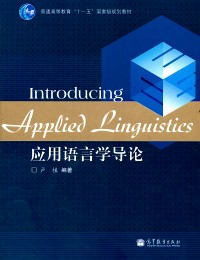
简介
本教材《应用语言学导论》为普通高等院校英语本科高年级学生编写,适合英语专业三年级或四年级学生学习使用。随着英语专业课程建设和教学改革的发展,各高校英语专业把改革课程设置、更新课程素材、加强专业素养培养放在优先考虑的重要位置。《应用语言学导论》以满足英语专业的语言学课程建设之需求为出发点,以期在英语专业语言学相关课程的建设中居于核心地位、发挥重要作用。
应用语言学是产生于20世纪50年代的跨门类综合性学科,是一门独立的、且无其他任何学科可以替代的新兴学科,有狭义和广义之分。语言学家们对应用语言学的学科性质及广义和狭义的区分已经达成了共识;但是,在应用语言学的研究范围、理论建构等其他许多方面,还是众说纷纭。应用语言学的研究面广、涉及的问题多,它既研究理论的应用,又研究理论自身的建构。本教材主要致力于狭义应用语言学,即语言/外语教学的学科体系介绍。编者在全面分析了国内外有关教材特点、特色的基础上设计了本教材的体系结构,教材充分吸纳本领域最新的研究成果,反映了应用语言学在国内外尤其是国外学术界的研究动态。课程中所设置的诸多内容,充分吸收了认知科学、社会语言学、计算语言学/语料库语言学、语篇分析、文本语言学等新兴学科的内容,力求新颖并具前沿性特点。
目录
《应用语言学导论:英文》
1 introduction to applied linguistics
synopsis 1
1.1 introduction 1
1.2 the definition of appfied linguistics 2
1.3 the nature of applied linguistics 4
1.4 fields overlapping with appfied linguistics 8
1.5 structure of this coursebook 9
further reading 11
questions for practice 14
2 contrastive linguistics and interlanguage
synopsis 15
2.1 introduction 15
2.2 what is contrastive linguistics? 16
2.3 the differences between l1 and l2 16
2.4 interlanguage and language transfer 17
2.5 pedagogical implications 22
further reading 25
questions for practice 26
3 communicative competence
.synopsis 27
3.1 introduction 27
3.2 sociolinguistic approaches to applied linguistics 28
3.3 composition of communicative competence 28
3.4 pedagogical lmplications 33
further reading 36
questions for practice 37
4 culture and intercultural communication
synopsis 38
4.1 introduction 38
4.2 culture 39
4.3 cultural competence and intercultural communication 39
4.4 language, thought and culture 42
4.5 culture and language in use 44
4.6 pedagogical lmplications 45
further reading 47
questions for practice 48
5 psycholinguistics and multilingual processing
synopsis 49
5.1 introduction 49
5.2 psycholinguistics to applied linguistics 50
5.3 cognitive mechanisms in language learning 53
5.4 the multilingual processing 54
5.5 pedagogical implications 56
further reading 59
questions for practice 61
6 corpus linguistics and applied linguistics
synopsis 62
6.1 introduction 62
6.2 types of corpora 63
6.3 characteristics of research in corpus linguistics 65
6.4 approaches in corpus-based research 66
6.5 pedagogical implications 68
6.6 recommended websites 70
further reading 72
questions for practice 74
7 conversation analysis and applied linguistics
synopsis 75
7.1 introduction 75
7.2 the organization of conversation 76
7.3 talk in contexts 80
7.4 conversation analysis to applied linguistics 82
7.5 pedagogical implications 84
further reading 85
questions for practice 87
8 discourse analysis and language teaching
synopsis 88
8.1 introduction 88
8.2 discourse analysis 89
8.3 discourse analysis interesting to applied linguists
8.4 pedagogical implications 97
further reading 99
questions for practice 100
9 syllabus design for language program
synopsis 101
9.1 introduction 101
9.2 types of syllabuses 102
9.3 steps for syllabus design 102
9.4 effectiveness of a syllabus 103
9.5 organizing principles 104
9.6 pedagogical implications 107
further reading 107
questions for practice 109
10 language teacher and teacher development
synopsis 110
10.1 introduction 110
10.2 teachers orientation 111
10.3 supporting teachers 114
10.4 successful teaching 117
10.5 pedagogical implications 118
further reading 119
questions for practice 120
11 learner factors and individual differences
synopsis 121
11.1 introduction 121
11.2 the age 122
11.3 language aptitude 123
11.4 cognitive factors 124
11.5 affective and personality factors 126
11.6 pedagogical implications 129
further reading 130
questions for practice 132
12 testing and assessment
synopsis 133
12.1 introduction 133
12.2 the categories of tests 134
12.3 tests design and construction 136
12.4 explain and use test results 143
12.5 pedagogical implications 144
further reading 145
questions for practice 146
bibliography
1 introduction to applied linguistics
synopsis 1
1.1 introduction 1
1.2 the definition of appfied linguistics 2
1.3 the nature of applied linguistics 4
1.4 fields overlapping with appfied linguistics 8
1.5 structure of this coursebook 9
further reading 11
questions for practice 14
2 contrastive linguistics and interlanguage
synopsis 15
2.1 introduction 15
2.2 what is contrastive linguistics? 16
2.3 the differences between l1 and l2 16
2.4 interlanguage and language transfer 17
2.5 pedagogical implications 22
further reading 25
questions for practice 26
3 communicative competence
.synopsis 27
3.1 introduction 27
3.2 sociolinguistic approaches to applied linguistics 28
3.3 composition of communicative competence 28
3.4 pedagogical lmplications 33
further reading 36
questions for practice 37
4 culture and intercultural communication
synopsis 38
4.1 introduction 38
4.2 culture 39
4.3 cultural competence and intercultural communication 39
4.4 language, thought and culture 42
4.5 culture and language in use 44
4.6 pedagogical lmplications 45
further reading 47
questions for practice 48
5 psycholinguistics and multilingual processing
synopsis 49
5.1 introduction 49
5.2 psycholinguistics to applied linguistics 50
5.3 cognitive mechanisms in language learning 53
5.4 the multilingual processing 54
5.5 pedagogical implications 56
further reading 59
questions for practice 61
6 corpus linguistics and applied linguistics
synopsis 62
6.1 introduction 62
6.2 types of corpora 63
6.3 characteristics of research in corpus linguistics 65
6.4 approaches in corpus-based research 66
6.5 pedagogical implications 68
6.6 recommended websites 70
further reading 72
questions for practice 74
7 conversation analysis and applied linguistics
synopsis 75
7.1 introduction 75
7.2 the organization of conversation 76
7.3 talk in contexts 80
7.4 conversation analysis to applied linguistics 82
7.5 pedagogical implications 84
further reading 85
questions for practice 87
8 discourse analysis and language teaching
synopsis 88
8.1 introduction 88
8.2 discourse analysis 89
8.3 discourse analysis interesting to applied linguists
8.4 pedagogical implications 97
further reading 99
questions for practice 100
9 syllabus design for language program
synopsis 101
9.1 introduction 101
9.2 types of syllabuses 102
9.3 steps for syllabus design 102
9.4 effectiveness of a syllabus 103
9.5 organizing principles 104
9.6 pedagogical implications 107
further reading 107
questions for practice 109
10 language teacher and teacher development
synopsis 110
10.1 introduction 110
10.2 teachers orientation 111
10.3 supporting teachers 114
10.4 successful teaching 117
10.5 pedagogical implications 118
further reading 119
questions for practice 120
11 learner factors and individual differences
synopsis 121
11.1 introduction 121
11.2 the age 122
11.3 language aptitude 123
11.4 cognitive factors 124
11.5 affective and personality factors 126
11.6 pedagogical implications 129
further reading 130
questions for practice 132
12 testing and assessment
synopsis 133
12.1 introduction 133
12.2 the categories of tests 134
12.3 tests design and construction 136
12.4 explain and use test results 143
12.5 pedagogical implications 144
further reading 145
questions for practice 146
bibliography
Introducting applied linguistics
- 名称
- 类型
- 大小
光盘服务联系方式: 020-38250260 客服QQ:4006604884
云图客服:
用户发送的提问,这种方式就需要有位在线客服来回答用户的问题,这种 就属于对话式的,问题是这种提问是否需要用户登录才能提问
Video Player
×
Audio Player
×
pdf Player
×
