

微信扫一扫,移动浏览光盘
简介
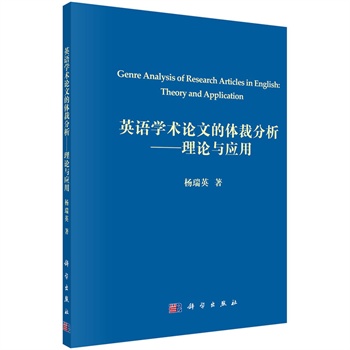
杨瑞英编著的这本《英语学术论文的体裁分析--理论与应用》对体裁分析三大流派、分析的方法和过程以及如何将分析结果应用于教学进行了全面、系统的阐述。全书共分四个部分。第一部分的创新性内容是关于体裁的定义及分类方法。第二部分是基于“专门用途英语”(ESP)体裁分析传统对应用语言学学科学术论文全文进行的非常系统的分析,既揭示了学术论文宏观和微观层面的共性,又用实例展示了因具体研究设计或作者因素所存在的个性。第三部分汇报了三个工科学科学术论文的语篇结构特征并讨论了学科之间的异同。最后,本书结合二语习得与体裁分析的研究成果,提出了基于体裁的学术英语教学应该遵循的原则。 该书的出版有弥补空白的作用。对有志从事体裁分析研究的应用语言学领域的年轻教师和研究生有指导意义,对高校有志于运用体裁分析理论推动英语教学改革,使之满足高层次的学术英语需求有很高的实用价值。
目录
序
前言
Abstract
Acknowledgements
PART I THEORETICAL ISSUES
Chapter I Introduction
1.1 The importance of genre knowledge
1.2 The ESP genre approach
1.3 Aims of the book
Chapter 2 Genre Definition and Classification
2.1 Overview
2.2 The definitions of genre in applied linguistics
2.3 A new definition of genre
2.4 Comparison of the three approaches
2.5 Summary
PART II RESEARCH ARTICLES IN APPLIED LINGUISTICS
Chapter 3 Data and Data Analysis
3.1 Overview
3.2 General principles of data collection
3.2.1 The selection of journals
3.2.2 Defining 'research' in applied linguistics
3.2.3 The selection procedure of research articles
3.3 The general procedure of analyses
3.4 The RA abstracts
3.5 The macro-structure of research articles
3.6 The unit of analysis of RA micro-structure
3.7 Lexical signals and the analysis of moves and steps
3.8 The principles of analysis
3.9 Working definitions of moves and steps
3.9.1 The moves and steps in the abstracts, introductions, theoretical basis and literature review sections in primary and secondary RAs
3.9.2 The moves and steps in the distinctive sections in primary RAs
3.9.3 The moves and steps in the distinctive section in secondary RAs
3.9.4 The moves and steps in the conclusion and pedagogic implication sections
3.10 Summary
Chapter 4 The Abstract of Research Articles
4.1 The structure of APP abstracts
4.2 The structure of TESOL abstracts
4.3 The structure of ESP abstracts
4.4 The structure of ELT abstracts
4.5 Comparison of the abstracts from the four journals
4.6 The potential structure of RA abstracts
Chapter 5 The Macro-Structure of Research Articles
5.1 The macro-structure of primary RAs
5.2 The section headings of primary RAs
5.3 The macro-structure of secondary RAs
5.4 Summary
Chapter 6 The Introduction, Theoretical Basis and Literature Review Sections
6.1 The structure of the introduction section
6.1.1 Absence and low occurrence of some steps in the CARS model
6.1.2 Varied sequence of moves and steps
6.1.3 High cyclicity of moves and steps
6.1.4 The presence of new steps
6.2 The structure of the theoretical basis section
6.3 The structure of the literature review section
Chapter 7 The Method Section of Primary RAs
7.1 The structure of the method section
7.2 Journal and disciplinary characteristics
Chapter 8 The Argumentation Section of Secondary RAs
8.1 The argumentation of the theoretical-orientated secondary RAs
8.2 The argumentation of pedagogic-orientated secondary RAs
8.3 The argumentation of the application-orientated secondary RAs
8.4 The structure of sub-arguments
Chapter 9 The Results, Discussion, Conclusion and Pedagogic Implications Sections
9.1 Occurrences of related sections and section headings
9.2 The structure of the results section
9.3 The structure of the discussion section
9.4 The structure of the conclusion section in both primary and secondary RAs
9.5 The structure of the pedagogic implications section
9.6 Summary
PART III RESEARCH ARTICLES IN ENGINEERING DISCIPLINES
Chapter 10 RAs in Three Engineering Disciplines
10.1 Data collection
10.2 The method of analysis
10.3 Research findings
10.3.1 The structure of the abstract
10.3.2 The RA macro structure
10.3.3 The structure of the introduction section
10.3.4 The structure of the method section in experimental RAs
10.3.5 The structure of the theoretical analysis section in theoretical RAs
10.3.6 Structure of the results and discussion section
10.3.7 The structure of the application/implementation section
10.3.8 The structure of the conclusion section
10.4 Summary
PART IV GENRE-BASEDPEDAGOGY
Chapter 11 Implications and Application
11.1 Pedagogic implications
11.1.1 Awareness-raising of the shared features and variations
11.1.2 Pattern-seeking pedagogic activities
11.1.3 Integration of situated learning and explicit teaching
11.1.4 Exploration of underlying motivations
11.2 Genre-based pedagogic approach
11.3 Task design
11.4 Summary
Chapter 12 Conclusion
References
Appendixes
Appendix I. Selected RAs in Applied Linguistics
Appendix II. Selected RAs in Mechanical Engineering
Appendix III. Selected RAs in Electronics and Information Engineering
Appendix IV. Selected RAs in Energy and Power Engineering
前言
Abstract
Acknowledgements
PART I THEORETICAL ISSUES
Chapter I Introduction
1.1 The importance of genre knowledge
1.2 The ESP genre approach
1.3 Aims of the book
Chapter 2 Genre Definition and Classification
2.1 Overview
2.2 The definitions of genre in applied linguistics
2.3 A new definition of genre
2.4 Comparison of the three approaches
2.5 Summary
PART II RESEARCH ARTICLES IN APPLIED LINGUISTICS
Chapter 3 Data and Data Analysis
3.1 Overview
3.2 General principles of data collection
3.2.1 The selection of journals
3.2.2 Defining 'research' in applied linguistics
3.2.3 The selection procedure of research articles
3.3 The general procedure of analyses
3.4 The RA abstracts
3.5 The macro-structure of research articles
3.6 The unit of analysis of RA micro-structure
3.7 Lexical signals and the analysis of moves and steps
3.8 The principles of analysis
3.9 Working definitions of moves and steps
3.9.1 The moves and steps in the abstracts, introductions, theoretical basis and literature review sections in primary and secondary RAs
3.9.2 The moves and steps in the distinctive sections in primary RAs
3.9.3 The moves and steps in the distinctive section in secondary RAs
3.9.4 The moves and steps in the conclusion and pedagogic implication sections
3.10 Summary
Chapter 4 The Abstract of Research Articles
4.1 The structure of APP abstracts
4.2 The structure of TESOL abstracts
4.3 The structure of ESP abstracts
4.4 The structure of ELT abstracts
4.5 Comparison of the abstracts from the four journals
4.6 The potential structure of RA abstracts
Chapter 5 The Macro-Structure of Research Articles
5.1 The macro-structure of primary RAs
5.2 The section headings of primary RAs
5.3 The macro-structure of secondary RAs
5.4 Summary
Chapter 6 The Introduction, Theoretical Basis and Literature Review Sections
6.1 The structure of the introduction section
6.1.1 Absence and low occurrence of some steps in the CARS model
6.1.2 Varied sequence of moves and steps
6.1.3 High cyclicity of moves and steps
6.1.4 The presence of new steps
6.2 The structure of the theoretical basis section
6.3 The structure of the literature review section
Chapter 7 The Method Section of Primary RAs
7.1 The structure of the method section
7.2 Journal and disciplinary characteristics
Chapter 8 The Argumentation Section of Secondary RAs
8.1 The argumentation of the theoretical-orientated secondary RAs
8.2 The argumentation of pedagogic-orientated secondary RAs
8.3 The argumentation of the application-orientated secondary RAs
8.4 The structure of sub-arguments
Chapter 9 The Results, Discussion, Conclusion and Pedagogic Implications Sections
9.1 Occurrences of related sections and section headings
9.2 The structure of the results section
9.3 The structure of the discussion section
9.4 The structure of the conclusion section in both primary and secondary RAs
9.5 The structure of the pedagogic implications section
9.6 Summary
PART III RESEARCH ARTICLES IN ENGINEERING DISCIPLINES
Chapter 10 RAs in Three Engineering Disciplines
10.1 Data collection
10.2 The method of analysis
10.3 Research findings
10.3.1 The structure of the abstract
10.3.2 The RA macro structure
10.3.3 The structure of the introduction section
10.3.4 The structure of the method section in experimental RAs
10.3.5 The structure of the theoretical analysis section in theoretical RAs
10.3.6 Structure of the results and discussion section
10.3.7 The structure of the application/implementation section
10.3.8 The structure of the conclusion section
10.4 Summary
PART IV GENRE-BASEDPEDAGOGY
Chapter 11 Implications and Application
11.1 Pedagogic implications
11.1.1 Awareness-raising of the shared features and variations
11.1.2 Pattern-seeking pedagogic activities
11.1.3 Integration of situated learning and explicit teaching
11.1.4 Exploration of underlying motivations
11.2 Genre-based pedagogic approach
11.3 Task design
11.4 Summary
Chapter 12 Conclusion
References
Appendixes
Appendix I. Selected RAs in Applied Linguistics
Appendix II. Selected RAs in Mechanical Engineering
Appendix III. Selected RAs in Electronics and Information Engineering
Appendix IV. Selected RAs in Energy and Power Engineering
英语学术论文的体裁分析:理论与应用
- 名称
- 类型
- 大小
光盘服务联系方式: 020-38250260 客服QQ:4006604884
云图客服:
用户发送的提问,这种方式就需要有位在线客服来回答用户的问题,这种 就属于对话式的,问题是这种提问是否需要用户登录才能提问
Video Player
×
Audio Player
×
pdf Player
×
