

简介
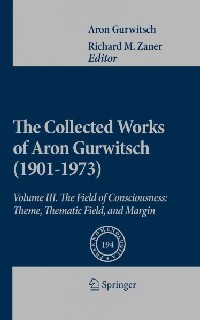
This volume of the Collected Works edition contains Gurwitsch's magnum opus, which emphasizes how items in the thematic field are relevant to the theme. It is introduced by his student Richard Zaner. This volume also includes the posthumous text, "Marginal Consciousness," the contents of which were merely summarized in The Field of Consciousness. It presents his positions on the body and on ego-less consciousness in detail. Gurwitsch's student, Lester Embree, introduces it. For the full appreciation of their significance, all earlier and later writings by Gurwitsch must be related to the contents of this volume.
目录
Preface 6
Dedication 5
Contents 8
The Field of Consciousness 12
Editorial Introduction 13
I. Brief Background 13
II. The Modern Theory of Ideas 15
III. The Distrust of Perceptual Life 17
IV. The Flawed Epistemic Move 19
V. Husserls View of Whole-Part Relations: Gurwitschs Critique 21
VI. Thematic Organization 25
VII. The Phenomenon of Context 27
VIII. Summary 32
Author's Introduction 34
PART ONE General Problems of Organization in Consciousness 44
Chapter I The Problem of Dimensional Differences Between Conjunctions of Phases of Experience 45
I. Serial and Dimensional Differences 45
II. The Problem of Dimensional Differences and the Philosophy of Radical Empiricism 47
III. Jamess Description of the Field of Consciousness 51
Chapter II Origin of Organization 54
I. Jamess Sensible Totals and Their Dissociation 54
II. Organization as an Autochthonous Feature of Experience 59
III. The Problem of Organization in Piagets Psychology 65
1. The Concept of ''Schemata'' 65
2. Assimilation, Accommodation, and the Problem of Segregation 70
3. Historical Continuity of Mental Development 73
4. Structural Organization as an Immanent Feature of Experience 77
IV. Reformulation of the Problem of Organization 80
Chapter III Grouping and Organization of Sense-Data 85
I. von Ehrenfelss Concept of Form-Qualities 85
II. Theories of the School of Graz 88
1. Objects of Higher Order 88
2. The Theory of ''Production'' 92
III. Sensuous Qualities of a Higher Order 98
1. Husserl''s Concept of ''Figurale Momente'' 98
2. Stumpf''''s Concept of ''Verschmelzung'' 105
PART TWO Some Principles of Gestalt Psychology 113
Chapter I Some Principles of Gestalt Psychology 114
I. The Constancy-Hypothesis and Its Abandonment 114
II. Dependence of Perception on External and Internal Conditions 119
III. On Acquisition by Experience 123
1. The Traditional and the Gestalt Theoretical Concepts of Experience 123
2. Acquisition of Empirical Meanings 125
3. Discrimination and Segregation 128
4. Impossibility of an ''Intuitionistic'' Philosophy 130
IV. Reformulation of the Problem of Gestalt (Form) Qualities 131
V. Types of Gestalt-Contextures 132
1. Intervals and Terminals 132
2. Figure and Ground 136
VI. Functional Significance 140
1. The Concept of Gestalt 140
2. Experiential and Experimental Evidence 143
3. Qualification of Gestalt-Constituents by Their Functional Significance 146
VII. On Successive Comparison 149
1. Koffka's Discussion of Stumpf''s Paradox 149
2. James''s Concepts of ''Sensation of Difference'' and ''Sensation of Likeness'' 152
VIII. Gestalt-Coherence 157
1. Interdependence of the Constituents of a Gestalt-Contexture 157
2. Segregation and Unification of Gestalt-Contextures 162
IX. Bergsons Concept of Qualitative Multiplicities 164
X. Wholes and Parts 168
XI. The Law of Good Continuation 174
PART THREE Some Fundamental Concepts of Constitutive Phenomenology 178
Chapter I Some Fundamental Concepts of Constitutive Phenomenology 179
I. The Psychological and the Phenomenological Approach to Consciousness 179
II. The Root of The Constancy-Hypothesis 183
III. The Phenomenological Reduction 186
IV. Phenomenological Interpretation of the Dismissal of the Constancy-Hypothesis 190
V. The Perceptual Noema 195
1. Act of Perception; Perceptual Noema; Thing Perceived 195
2. The Perceptual Noema as Perceptual Meaning 198
3. The Object as Noematic Phenomenon 203
VI. Jamess Concept of Object of Thought and Husserls Concept of Noema 206
VII. Problems of Ideation 211
1. Eidetic Sciences 211
2. The Apprehension of Eide and Eidetic Relations by the Method of ''Free Variation'' 213
PART FOUR Phenomenological Theory of Perception 220
Chapter I The Perceptual Process 222
I. Perceptual Adumbration 222
II. Essential Insufficiency of Every Single Perception 224
III. The Condition of the Unity of the Perceptual Process 227
IV. Open Infinity of the Perceptual Process 233
V. Characterization of the Perceptual Process in Terms of Gestalt Theory 236
VI. Some Principles of Transcendental Phenomenology 239
1. Reference of Objects to Consciousness 239
2. The Presumptive Existence of the Perceptual World 242
Chapter II Analysis of the Perceptual Noema 247
I. Sense-Experience and Perception 247
II. Descriptive Orientation of Phenomenological Analyses 250
III. The Inner Horizon 253
IV. Open Possibilities 263
V. The Theories of J. Ward and G. F. Stout 265
1. Implicit Ideas 266
2. Stout's Meaning-Theory of Perception and His Concept of Retentiveness 270
3. Koffka's Criticism of Stout's Theory 276
4. Meaning and Carrier of Meaning 279
VI. Husserls Dualistic Theory of Perception 283
VII. Gestalt Theoretical Account of the Perceptual Noema 290
1. Formulation of the Problem 290
2. The Structure of the Perceptual Noema 292
Chapter III Noetic Analysis of Perception 298
I. Anticipations and Expectancies 298
II. Husserls Concept of Potentialities of Consciousness 303
III. Necessary and Sufficient Conditions of the Perceptual Process 305
IV. On Intentional Analysis 310
V. Merleau-Pontys Theory of Perceptual Organization 312
PART FIVE The Thematic Field 324
Chapter I The Thematic Field 325
I. Jamess Concept of Fringes 325
II. Distinction and Connection Between Topic and Object of Thought According to James 329
III. The Phenomenon of Context 334
1. Definition of the Thematic Field 334
2. Experience of Context 336
IV. Context in Logic 340
1. Noematic Nucleus and Contextual Characters of Propositions 340
2. Philosophical Problems of Logic 346
V. Indeterminateness of the Thematic Field 351
VI. Relevancy and Irrelevancy 355
1. Unity by Relevancy 355
2. Mere Copresence 358
3. Continuity of Consciousness and Continuity of Context 359
4. Husserl's Concept of Cogito 363
5. Articulation of the Field of Consciousness 366
VII. Relative Independence of the Theme with Regard to the Thematic Field 368
VIII. The Positional Index 372
IX. Field Potentialities 379
1. Potential Themes 379
2. Intrathematic Potentialities and Field-Potentialities 384
PART SIX Ontological Problems 390
Chapter I Ontological Problems 391
I. Indefinite Continuation of Context 391
II. Orders of Existence 394
1. The Order of Reality and its Suborders 394
2. Autonomous Orders of Existence 399
III. Relevancy-Principles Constitutive of Orders of Existence 403
IV. Schutzs Theory of Finite Provinces of Meaning 406
1. Exposition of Schutz's Theory 406
2. The Psychological and the Constitutive Point of View 410
V. On the Concept of Existence 415
Conclusion 425
Marginal Consciousness 432
Editorial Introduction 433
1. A Noematically Oriented Constitutive Phenomenology 435
2. Marginal Consciousness Before Marginal Consciousness 439
3. Gurwitsch on the Body 443
4. The Margin in Phenomenological Ontology 450
5. Schutz's Question 458
6. Editing Decisions 464
Author's Introduction: The General Characteristics of Marginal Consciousness 466
Chapter I The Self-Awareness of Consciousness 469
Chapter II The Empirical Psychic Ego 483
Chapter III The Awareness of EmbodiedExistence 494
Chapter IV Awareness of the Perceptual World 509
Chapter V The [Somatic] Ego in the Perceptual World 523
Appendix: Outlines of a Theory of ``Essentially Occasional Expressions'' 535
Works Cited in this Volume 554
Index of Names 560
Index of Topics 563
Dedication 5
Contents 8
The Field of Consciousness 12
Editorial Introduction 13
I. Brief Background 13
II. The Modern Theory of Ideas 15
III. The Distrust of Perceptual Life 17
IV. The Flawed Epistemic Move 19
V. Husserls View of Whole-Part Relations: Gurwitschs Critique 21
VI. Thematic Organization 25
VII. The Phenomenon of Context 27
VIII. Summary 32
Author's Introduction 34
PART ONE General Problems of Organization in Consciousness 44
Chapter I The Problem of Dimensional Differences Between Conjunctions of Phases of Experience 45
I. Serial and Dimensional Differences 45
II. The Problem of Dimensional Differences and the Philosophy of Radical Empiricism 47
III. Jamess Description of the Field of Consciousness 51
Chapter II Origin of Organization 54
I. Jamess Sensible Totals and Their Dissociation 54
II. Organization as an Autochthonous Feature of Experience 59
III. The Problem of Organization in Piagets Psychology 65
1. The Concept of ''Schemata'' 65
2. Assimilation, Accommodation, and the Problem of Segregation 70
3. Historical Continuity of Mental Development 73
4. Structural Organization as an Immanent Feature of Experience 77
IV. Reformulation of the Problem of Organization 80
Chapter III Grouping and Organization of Sense-Data 85
I. von Ehrenfelss Concept of Form-Qualities 85
II. Theories of the School of Graz 88
1. Objects of Higher Order 88
2. The Theory of ''Production'' 92
III. Sensuous Qualities of a Higher Order 98
1. Husserl''s Concept of ''Figurale Momente'' 98
2. Stumpf''''s Concept of ''Verschmelzung'' 105
PART TWO Some Principles of Gestalt Psychology 113
Chapter I Some Principles of Gestalt Psychology 114
I. The Constancy-Hypothesis and Its Abandonment 114
II. Dependence of Perception on External and Internal Conditions 119
III. On Acquisition by Experience 123
1. The Traditional and the Gestalt Theoretical Concepts of Experience 123
2. Acquisition of Empirical Meanings 125
3. Discrimination and Segregation 128
4. Impossibility of an ''Intuitionistic'' Philosophy 130
IV. Reformulation of the Problem of Gestalt (Form) Qualities 131
V. Types of Gestalt-Contextures 132
1. Intervals and Terminals 132
2. Figure and Ground 136
VI. Functional Significance 140
1. The Concept of Gestalt 140
2. Experiential and Experimental Evidence 143
3. Qualification of Gestalt-Constituents by Their Functional Significance 146
VII. On Successive Comparison 149
1. Koffka's Discussion of Stumpf''s Paradox 149
2. James''s Concepts of ''Sensation of Difference'' and ''Sensation of Likeness'' 152
VIII. Gestalt-Coherence 157
1. Interdependence of the Constituents of a Gestalt-Contexture 157
2. Segregation and Unification of Gestalt-Contextures 162
IX. Bergsons Concept of Qualitative Multiplicities 164
X. Wholes and Parts 168
XI. The Law of Good Continuation 174
PART THREE Some Fundamental Concepts of Constitutive Phenomenology 178
Chapter I Some Fundamental Concepts of Constitutive Phenomenology 179
I. The Psychological and the Phenomenological Approach to Consciousness 179
II. The Root of The Constancy-Hypothesis 183
III. The Phenomenological Reduction 186
IV. Phenomenological Interpretation of the Dismissal of the Constancy-Hypothesis 190
V. The Perceptual Noema 195
1. Act of Perception; Perceptual Noema; Thing Perceived 195
2. The Perceptual Noema as Perceptual Meaning 198
3. The Object as Noematic Phenomenon 203
VI. Jamess Concept of Object of Thought and Husserls Concept of Noema 206
VII. Problems of Ideation 211
1. Eidetic Sciences 211
2. The Apprehension of Eide and Eidetic Relations by the Method of ''Free Variation'' 213
PART FOUR Phenomenological Theory of Perception 220
Chapter I The Perceptual Process 222
I. Perceptual Adumbration 222
II. Essential Insufficiency of Every Single Perception 224
III. The Condition of the Unity of the Perceptual Process 227
IV. Open Infinity of the Perceptual Process 233
V. Characterization of the Perceptual Process in Terms of Gestalt Theory 236
VI. Some Principles of Transcendental Phenomenology 239
1. Reference of Objects to Consciousness 239
2. The Presumptive Existence of the Perceptual World 242
Chapter II Analysis of the Perceptual Noema 247
I. Sense-Experience and Perception 247
II. Descriptive Orientation of Phenomenological Analyses 250
III. The Inner Horizon 253
IV. Open Possibilities 263
V. The Theories of J. Ward and G. F. Stout 265
1. Implicit Ideas 266
2. Stout's Meaning-Theory of Perception and His Concept of Retentiveness 270
3. Koffka's Criticism of Stout's Theory 276
4. Meaning and Carrier of Meaning 279
VI. Husserls Dualistic Theory of Perception 283
VII. Gestalt Theoretical Account of the Perceptual Noema 290
1. Formulation of the Problem 290
2. The Structure of the Perceptual Noema 292
Chapter III Noetic Analysis of Perception 298
I. Anticipations and Expectancies 298
II. Husserls Concept of Potentialities of Consciousness 303
III. Necessary and Sufficient Conditions of the Perceptual Process 305
IV. On Intentional Analysis 310
V. Merleau-Pontys Theory of Perceptual Organization 312
PART FIVE The Thematic Field 324
Chapter I The Thematic Field 325
I. Jamess Concept of Fringes 325
II. Distinction and Connection Between Topic and Object of Thought According to James 329
III. The Phenomenon of Context 334
1. Definition of the Thematic Field 334
2. Experience of Context 336
IV. Context in Logic 340
1. Noematic Nucleus and Contextual Characters of Propositions 340
2. Philosophical Problems of Logic 346
V. Indeterminateness of the Thematic Field 351
VI. Relevancy and Irrelevancy 355
1. Unity by Relevancy 355
2. Mere Copresence 358
3. Continuity of Consciousness and Continuity of Context 359
4. Husserl's Concept of Cogito 363
5. Articulation of the Field of Consciousness 366
VII. Relative Independence of the Theme with Regard to the Thematic Field 368
VIII. The Positional Index 372
IX. Field Potentialities 379
1. Potential Themes 379
2. Intrathematic Potentialities and Field-Potentialities 384
PART SIX Ontological Problems 390
Chapter I Ontological Problems 391
I. Indefinite Continuation of Context 391
II. Orders of Existence 394
1. The Order of Reality and its Suborders 394
2. Autonomous Orders of Existence 399
III. Relevancy-Principles Constitutive of Orders of Existence 403
IV. Schutzs Theory of Finite Provinces of Meaning 406
1. Exposition of Schutz's Theory 406
2. The Psychological and the Constitutive Point of View 410
V. On the Concept of Existence 415
Conclusion 425
Marginal Consciousness 432
Editorial Introduction 433
1. A Noematically Oriented Constitutive Phenomenology 435
2. Marginal Consciousness Before Marginal Consciousness 439
3. Gurwitsch on the Body 443
4. The Margin in Phenomenological Ontology 450
5. Schutz's Question 458
6. Editing Decisions 464
Author's Introduction: The General Characteristics of Marginal Consciousness 466
Chapter I The Self-Awareness of Consciousness 469
Chapter II The Empirical Psychic Ego 483
Chapter III The Awareness of EmbodiedExistence 494
Chapter IV Awareness of the Perceptual World 509
Chapter V The [Somatic] Ego in the Perceptual World 523
Appendix: Outlines of a Theory of ``Essentially Occasional Expressions'' 535
Works Cited in this Volume 554
Index of Names 560
Index of Topics 563
- 名称
- 类型
- 大小
光盘服务联系方式: 020-38250260 客服QQ:4006604884
云图客服:
用户发送的提问,这种方式就需要有位在线客服来回答用户的问题,这种 就属于对话式的,问题是这种提问是否需要用户登录才能提问
Video Player
×
Audio Player
×
pdf Player
×
