

简介
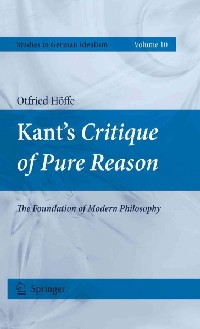
Kant鈥檚 "Critique of Pure Reason" is so outstanding among modern philosophical works, that it can be termed "the" foundation of modern philosophy. Schopenhauer termed it "the most important book ever to have been written in Europe." Otfried H枚ffe guides the reader through the "Critique" one step at a time, expounding Kant鈥檚 thoughts, submitting them to an interpretation and drawing a summary conclusion, placing the work and its topics within the context of its modern successors. A "critical" interpretation of Kant鈥檚 text reveals that he had something to say on many discussions that are said to have originated after his death. Reducing his argumentation to its central tenets, it can be made stronger and applicable to current problems. Kant鈥檚 eventual concern, however, even when writing theoretical philosophy, lay with the practical. Elaborating this concern and its connection to Kant鈥檚 theoretical philosophy is a prime tenet of this book.
目录
Table of Contents 5
Method of Citation and Abbreviations 10
Italicised Abbreviations of Other Cited Texts 10
Foreword 14
1 FOUR REASONS FOR ENGAGING WITH KANT'S FIRST Critique 18
1.1The Historical Significance of Kants Philosophy 18
1.2An Alternative Form of Fundamental Philosophy 21
1.3Epistemic Cosmopolitanism 23
1.4Practical Philosophy in the Age of (Natural) Science 27
Part IThe Full Critical Programme 33
2 Innovation and Tradition 34
2.1Knowledge in the Service of Morality 34
2.2The Aporetic Quest for Knowledge 38
2.3Judicial Critique 41
2.4A Philosophy of Experience 47
2.5And the Alternative of Naturalism? 49
Notes 51
3 Objectivity through Subjectivity 52
3.1Philosophy as Science 52
3.2The Epistemic Revolution 56
3.3The Realm of Appearance is the Only Truth 63
Notes 65
4 A Philosophical Theory of Science 66
4.1The Decisive Question 66
4.2Thinking in Continuity with the Sciences 69
4.3This-Wordly Transcendence 71
4.4Three Objections to Kant 76
Notes 83
5 FIRST ASSESSMENT: KANT'S PROGRAMME 84
5.1Is Philosophy Possible without an Antecedent Critique of Language? 84
5.2Cosmopolitan Interests 87
5.3An Epistemic Tightrope 91
Notes 92
Part IIOnly Human Beings Pursue Mathematics 94
6 A Philosophy of Intuition 97
6.1Contesting the Prejudice Against Sensibility 97
6.2Space and Time as Such 104
6.3Two Priorities 107
6.4A Sensibility Independent of Experience 109
Notes 116
7 A Transcendental Geometry 117
7.1Mathematics, Metamathematics and Metaphysics 117
7.2Does Mathematics Involve the Synthetic a Priori? 119
7.3The Indeterminacy of Transcendental Space 124
Notes 128
8 Second Assessment: Sensibility and World 129
8.1An Idealism Beyond the Alternative to Realism 129
8.2Only Human Beings Pursue Mathematics 133
8.3Walking a Perilous Tightrope 134
Part IIIA Transcendental Grammar 138
9 Categories 139
9.1A New Kind of Logic 139
9.2Pure Concepts 143
9.3The Table of Judgements 146
9.4The Table of Categories 153
Notes 156
10 The Problem of Justification 158
10.1The Aim of the Argument 158
10.2Transcendental Self-Consciousness 165
10.3Excursus: Kant and Descartes 170
10.4Keeping to the Limits of Experience 174
Notes 179
11 The Incomplete Deduction 180
11.1A Third Faculty? 180
11.2The Subsidiary Faculty of Judgement 184
11.3Transcendental Schemata 186
Note 188
12 Third Assessment: Understanding and World (1) 190
12.1Fundamental Concepts 190
12.2Three Approaches to Truth 191
12.3A Critique of Naturalism 199
Notes 202
Part IVTranscendental Laws of Nature 203
13 Mathematisation 205
13.1Transcendental Grounding Principles 205
13.2Intuition 207
13.3Perception 212
14 Physicalisation 216
14.1Substance: Permanence 219
14.2Causality 222
14.3Empirical Thought 230
Notes 231
15 Fourth Assessment: Understanding and World (2) 232
15.1Contra Scepticism concerning the External World 232
15.2Things in Themselves 235
15.3No Science without Mathematics 240
15.4Probability An Alternative to Causality? 244
15.5Notes 249
Part VA Post-Metaphysical Metaphysics 251
16 Constructive Deconstruction 252
16.1A Re-evaluation of Dialectic 253
16.2Three Fallacies 255
16.3The Truth in the Illusion 259
Note 261
17 A Critical Philosophy of Mind 262
17.1Transcendental Psychology 262
17.2The Illusions of Reification 265
17.3The Dualism of Body and Soul 273
17.4Some Alternative Positions 277
Notes 284
18 Cosmological Contradictions 285
18.1Constructive Scepticism 285
18.2The Transcendental Key 290
18.3On the Beginning and the Divisibility of the World 294
18.4Cosmological or Practical Freedom? 298
Notes 304
19 Transcendental Theology 306
19.1A Complex Paradigm Change 306
19.2A New Concept of God 309
19.3Dismantling the Proofs of the Existence of God 311
19.4A Rehabilitation of the Ontological Argument (Plantinga)? 317
Notes 319
20 Fifth Assessment: Reason and World 321
20.1Three Principles of Enquiry 322
20.2A Surprising Completion of the Critical Enterprise 326
20.3Metaphysics or Positivism? 331
Notes 337
Part VIEpistemic Universalism 338
21 From Theoretical to Practical Reason 340
21.1A Principle of Right in Place of Mathematics 341
21.2Morality 348
21.3Rational Hope 354
Notes 360
22 System and History 361
22.1The Architectonic 362
22.2Cosmical Concepts and Scholastic Concepts 370
22.3A Philosophical Archaeology 373
Notes 380
23 The Kantian Metaphors 382
23.1Separating the Materials 386
23.2Inner Structure 387
23.3The Deceptive Appearance of Further Shores 388
23.4Buildings in Ruins 390
23.5Soaring in Empty Space 393
23.6From Civil Conflict to Due Process 393
Note 396
24 Conclusion and Prospect 397
24.1Re-Transcendentalising Philosophy 397
24.2Subversive Affirmation 401
24.3Trans-Subjectivity 406
24.4An Epistemic and Moral World Republic 412
Notes 416
Bibliography 418
Index 440
Method of Citation and Abbreviations 10
Italicised Abbreviations of Other Cited Texts 10
Foreword 14
1 FOUR REASONS FOR ENGAGING WITH KANT'S FIRST Critique 18
1.1The Historical Significance of Kants Philosophy 18
1.2An Alternative Form of Fundamental Philosophy 21
1.3Epistemic Cosmopolitanism 23
1.4Practical Philosophy in the Age of (Natural) Science 27
Part IThe Full Critical Programme 33
2 Innovation and Tradition 34
2.1Knowledge in the Service of Morality 34
2.2The Aporetic Quest for Knowledge 38
2.3Judicial Critique 41
2.4A Philosophy of Experience 47
2.5And the Alternative of Naturalism? 49
Notes 51
3 Objectivity through Subjectivity 52
3.1Philosophy as Science 52
3.2The Epistemic Revolution 56
3.3The Realm of Appearance is the Only Truth 63
Notes 65
4 A Philosophical Theory of Science 66
4.1The Decisive Question 66
4.2Thinking in Continuity with the Sciences 69
4.3This-Wordly Transcendence 71
4.4Three Objections to Kant 76
Notes 83
5 FIRST ASSESSMENT: KANT'S PROGRAMME 84
5.1Is Philosophy Possible without an Antecedent Critique of Language? 84
5.2Cosmopolitan Interests 87
5.3An Epistemic Tightrope 91
Notes 92
Part IIOnly Human Beings Pursue Mathematics 94
6 A Philosophy of Intuition 97
6.1Contesting the Prejudice Against Sensibility 97
6.2Space and Time as Such 104
6.3Two Priorities 107
6.4A Sensibility Independent of Experience 109
Notes 116
7 A Transcendental Geometry 117
7.1Mathematics, Metamathematics and Metaphysics 117
7.2Does Mathematics Involve the Synthetic a Priori? 119
7.3The Indeterminacy of Transcendental Space 124
Notes 128
8 Second Assessment: Sensibility and World 129
8.1An Idealism Beyond the Alternative to Realism 129
8.2Only Human Beings Pursue Mathematics 133
8.3Walking a Perilous Tightrope 134
Part IIIA Transcendental Grammar 138
9 Categories 139
9.1A New Kind of Logic 139
9.2Pure Concepts 143
9.3The Table of Judgements 146
9.4The Table of Categories 153
Notes 156
10 The Problem of Justification 158
10.1The Aim of the Argument 158
10.2Transcendental Self-Consciousness 165
10.3Excursus: Kant and Descartes 170
10.4Keeping to the Limits of Experience 174
Notes 179
11 The Incomplete Deduction 180
11.1A Third Faculty? 180
11.2The Subsidiary Faculty of Judgement 184
11.3Transcendental Schemata 186
Note 188
12 Third Assessment: Understanding and World (1) 190
12.1Fundamental Concepts 190
12.2Three Approaches to Truth 191
12.3A Critique of Naturalism 199
Notes 202
Part IVTranscendental Laws of Nature 203
13 Mathematisation 205
13.1Transcendental Grounding Principles 205
13.2Intuition 207
13.3Perception 212
14 Physicalisation 216
14.1Substance: Permanence 219
14.2Causality 222
14.3Empirical Thought 230
Notes 231
15 Fourth Assessment: Understanding and World (2) 232
15.1Contra Scepticism concerning the External World 232
15.2Things in Themselves 235
15.3No Science without Mathematics 240
15.4Probability An Alternative to Causality? 244
15.5Notes 249
Part VA Post-Metaphysical Metaphysics 251
16 Constructive Deconstruction 252
16.1A Re-evaluation of Dialectic 253
16.2Three Fallacies 255
16.3The Truth in the Illusion 259
Note 261
17 A Critical Philosophy of Mind 262
17.1Transcendental Psychology 262
17.2The Illusions of Reification 265
17.3The Dualism of Body and Soul 273
17.4Some Alternative Positions 277
Notes 284
18 Cosmological Contradictions 285
18.1Constructive Scepticism 285
18.2The Transcendental Key 290
18.3On the Beginning and the Divisibility of the World 294
18.4Cosmological or Practical Freedom? 298
Notes 304
19 Transcendental Theology 306
19.1A Complex Paradigm Change 306
19.2A New Concept of God 309
19.3Dismantling the Proofs of the Existence of God 311
19.4A Rehabilitation of the Ontological Argument (Plantinga)? 317
Notes 319
20 Fifth Assessment: Reason and World 321
20.1Three Principles of Enquiry 322
20.2A Surprising Completion of the Critical Enterprise 326
20.3Metaphysics or Positivism? 331
Notes 337
Part VIEpistemic Universalism 338
21 From Theoretical to Practical Reason 340
21.1A Principle of Right in Place of Mathematics 341
21.2Morality 348
21.3Rational Hope 354
Notes 360
22 System and History 361
22.1The Architectonic 362
22.2Cosmical Concepts and Scholastic Concepts 370
22.3A Philosophical Archaeology 373
Notes 380
23 The Kantian Metaphors 382
23.1Separating the Materials 386
23.2Inner Structure 387
23.3The Deceptive Appearance of Further Shores 388
23.4Buildings in Ruins 390
23.5Soaring in Empty Space 393
23.6From Civil Conflict to Due Process 393
Note 396
24 Conclusion and Prospect 397
24.1Re-Transcendentalising Philosophy 397
24.2Subversive Affirmation 401
24.3Trans-Subjectivity 406
24.4An Epistemic and Moral World Republic 412
Notes 416
Bibliography 418
Index 440
- 名称
- 类型
- 大小
光盘服务联系方式: 020-38250260 客服QQ:4006604884
云图客服:
用户发送的提问,这种方式就需要有位在线客服来回答用户的问题,这种 就属于对话式的,问题是这种提问是否需要用户登录才能提问
Video Player
×
Audio Player
×
pdf Player
×
