

简介
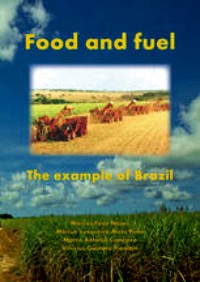
This book is a contribution of the authors to the food - fuel debate. During 2007 and 2008 several factors led to the food inflation problem: growing population, income distribution, urbanization, biofuel, social programs, production scarcity etc.. Biofuel got most of the blame for food inflation but its responsibility was only limited. There are several possibilities of solving the food inflation problem that are discussed this book. It explores the example of Brazil鈥檚 agricultural sector, where a quiet revolution occurred in the last 15 years. This development is leading to Brazil becoming one of the largest food exporters globally. This position will strengthen as an additional 100 million hectares becomes available for crop development. The second part of the book explores the basics of the sugar cane chain. Sugar cane occupies less than 2% of Brazilian arable land and supplies 50% of Brazilian car fuel. In 2010 Brazil produced 53% of the world鈥檚 sugar. Sugar cane produces sugar, ethanol (used as car fuel), biogases that are used to co-generate electricity and other by-products. Biofuel is a booming industry. New technologies allow production of diesel and other fuels from cane. Sugar cane ethanol is the only renewable fuel that can currently compete with gasoline. Coca Cola just launched the plastic bottle with sugar cane plastic. This book helps us to understand Brazilian agribusiness and sugar cane economics from various perspectives e.g. international investments, sustainability, future trends and the strategic plan for the Brazilian industry.
目录
Table of contents 5
Introduction 7
1. The need for food and fuel production and the role of Brazilian agribusiness 8
1.1 The global economic/financial crisis 8
1.2 Food demand and food inflation 10
1.3 The road to addressing increased food demand and food inflation 14
1.4 Background and overview of Brazil\u2019s agricultural production 18
1.5 The importance of agribusiness for the Brazilian economy 24
1.6 The scenario for TNC investments: trends and global issues 29
1.6.1 The political-legal environment for investments in Brazil 29
1.6.2 The economic and natural environment for investments in Brazil 30
1.6.3 The socio-cultural environment for investments in Brazil 31
1.6.4 The technological environment for investments in Brazil 33
2. The sugar-energy value chain in Brazil 35
2.1 The sugar-energy supply chain 35
2.2 The sugar-ethanol evolution in Brazil 42
2.2.1 The sugar evolution in Brazil 42
2.2.2 The ethanol evolution in Brazil 45
2.3 Mapping and quantification of the sugar-energy supply chain in Brazil2 48
2.4 Pre-farm statistics 50
2.4.1 Agricultural inputs 50
2.5 On-farm statistics: sugarcane production 53
2.6 Post-farm statistics 54
2.6.1 Equipment, industrial services, and supplies 54
2.6.2 Sugar mills and ethanol plants 55
2.6.3 Ethanol 56
2.6.4 Wholesale distributors and service stations 57
2.6.5 Sugar 57
2.6.6 Wholesale and retail 58
2.6.7 Bioelectricity 58
2.6.8 Yeast 59
2.6.9 Carbon credits 59
2.6.10 Bioplastics 59
2.7 Facilitating agents 60
2.7.1 Brazilian development bank (BNDES) 60
2.7.2 Outsourcing of cutting, loading, and transportation of sugarcane (CLT) 60
2.7.3 Sugar and ethanol road freight export 61
2.7.4 Tolls (road fees) for sugar and ethanol exportation 61
2.7.5 Cost at port (Port of Santos) 61
2.7.6 Research & development (R&D) 61
2.7.7 Events 61
2.7.8 Specialty magazines 61
2.7.9 Health care and meals 61
2.7.10 Wage bill/jobs 62
2.7.11 Taxes 62
2.8 Managerial implications and discussion 63
3. Strategic plan for the sugar-energy value chain in Brazil 64
3.1 Introduction 64
3.1.1 Political-legal factors 64
3.1.2 Economic-natural factors 64
3.1.3 Socio-cultural factors 64
3.1.4 Technological factors 65
3.1.5 Strategic planning process 65
3.2 An application of the CHAINPLAN method 65
3.3 Understanding 71
3.4 External analysis: opportunities and threats 71
3.4.1 Biofuel drivers for investments in Brazil 71
3.5 Internal analysis: strengths and weaknesses 84
3.6 Objectives (goals) of the plan 89
3.7 Main strategies 91
3.8 Projects and decisions related to production, products, research, development, and innovation 92
3.9 Projects and decisions related to communication 94
3.10 Projects and decisions related to distribution and logistics 95
3.11 Projects and decisions related to training 96
3.12 Projects and decisions related to coordination and adequacy of the institutional environment 97
3.13 Conclusions 98
4. An overview of FDI in the sugar-energy sector in Brazil and lessons learned 99
4.1 Characterisation of the largest groups in the sugar-energy sector 99
4.2 The institutional and regulatory framework 101
4.3 The growth strategies in the sugar-energy sector 103
4.4 The role of investment funds (private equity) 104
4.5 Financing (leverage debt equity) 115
4.6 Corporate social responsibility 116
4.7 Environmental regulations and trends 117
5. Concluding remarks \u2013 FDI: suggestions for regulations, public policies, and incentives 119
5.1 How to evaluate the capacity of international investment to generate the regional development 119
5.2 How to promote and regulate international investments 120
5.3 A strategy for international investments 124
5.4 Planning strategies for 2010-2020 126
5.5 Final discussion 127
References and websites 129
Annex 1. Most relevant M&A operations from 2007 to 2010. 134
About the authors 135
Keyword index 137
Introduction 7
1. The need for food and fuel production and the role of Brazilian agribusiness 8
1.1 The global economic/financial crisis 8
1.2 Food demand and food inflation 10
1.3 The road to addressing increased food demand and food inflation 14
1.4 Background and overview of Brazil\u2019s agricultural production 18
1.5 The importance of agribusiness for the Brazilian economy 24
1.6 The scenario for TNC investments: trends and global issues 29
1.6.1 The political-legal environment for investments in Brazil 29
1.6.2 The economic and natural environment for investments in Brazil 30
1.6.3 The socio-cultural environment for investments in Brazil 31
1.6.4 The technological environment for investments in Brazil 33
2. The sugar-energy value chain in Brazil 35
2.1 The sugar-energy supply chain 35
2.2 The sugar-ethanol evolution in Brazil 42
2.2.1 The sugar evolution in Brazil 42
2.2.2 The ethanol evolution in Brazil 45
2.3 Mapping and quantification of the sugar-energy supply chain in Brazil2 48
2.4 Pre-farm statistics 50
2.4.1 Agricultural inputs 50
2.5 On-farm statistics: sugarcane production 53
2.6 Post-farm statistics 54
2.6.1 Equipment, industrial services, and supplies 54
2.6.2 Sugar mills and ethanol plants 55
2.6.3 Ethanol 56
2.6.4 Wholesale distributors and service stations 57
2.6.5 Sugar 57
2.6.6 Wholesale and retail 58
2.6.7 Bioelectricity 58
2.6.8 Yeast 59
2.6.9 Carbon credits 59
2.6.10 Bioplastics 59
2.7 Facilitating agents 60
2.7.1 Brazilian development bank (BNDES) 60
2.7.2 Outsourcing of cutting, loading, and transportation of sugarcane (CLT) 60
2.7.3 Sugar and ethanol road freight export 61
2.7.4 Tolls (road fees) for sugar and ethanol exportation 61
2.7.5 Cost at port (Port of Santos) 61
2.7.6 Research & development (R&D) 61
2.7.7 Events 61
2.7.8 Specialty magazines 61
2.7.9 Health care and meals 61
2.7.10 Wage bill/jobs 62
2.7.11 Taxes 62
2.8 Managerial implications and discussion 63
3. Strategic plan for the sugar-energy value chain in Brazil 64
3.1 Introduction 64
3.1.1 Political-legal factors 64
3.1.2 Economic-natural factors 64
3.1.3 Socio-cultural factors 64
3.1.4 Technological factors 65
3.1.5 Strategic planning process 65
3.2 An application of the CHAINPLAN method 65
3.3 Understanding 71
3.4 External analysis: opportunities and threats 71
3.4.1 Biofuel drivers for investments in Brazil 71
3.5 Internal analysis: strengths and weaknesses 84
3.6 Objectives (goals) of the plan 89
3.7 Main strategies 91
3.8 Projects and decisions related to production, products, research, development, and innovation 92
3.9 Projects and decisions related to communication 94
3.10 Projects and decisions related to distribution and logistics 95
3.11 Projects and decisions related to training 96
3.12 Projects and decisions related to coordination and adequacy of the institutional environment 97
3.13 Conclusions 98
4. An overview of FDI in the sugar-energy sector in Brazil and lessons learned 99
4.1 Characterisation of the largest groups in the sugar-energy sector 99
4.2 The institutional and regulatory framework 101
4.3 The growth strategies in the sugar-energy sector 103
4.4 The role of investment funds (private equity) 104
4.5 Financing (leverage debt equity) 115
4.6 Corporate social responsibility 116
4.7 Environmental regulations and trends 117
5. Concluding remarks \u2013 FDI: suggestions for regulations, public policies, and incentives 119
5.1 How to evaluate the capacity of international investment to generate the regional development 119
5.2 How to promote and regulate international investments 120
5.3 A strategy for international investments 124
5.4 Planning strategies for 2010-2020 126
5.5 Final discussion 127
References and websites 129
Annex 1. Most relevant M&A operations from 2007 to 2010. 134
About the authors 135
Keyword index 137
- 名称
- 类型
- 大小
光盘服务联系方式: 020-38250260 客服QQ:4006604884
云图客服:
用户发送的提问,这种方式就需要有位在线客服来回答用户的问题,这种 就属于对话式的,问题是这种提问是否需要用户登录才能提问
Video Player
×
Audio Player
×
pdf Player
×
