

Physical diagnosis of pain:an atlas of signs and symptoms
副标题:无
作 者:Steven D. Waldman原著;倪家骧,何明伟主译
分类号:
ISBN:9787565901126
微信扫一扫,移动浏览光盘
简介
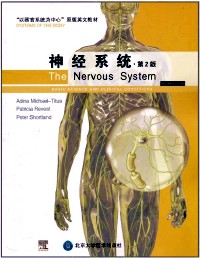
《以器官系统为中心原版英文教材:神经系统(第2版)》“以器官系统为中心”的医学教学模式是国际医学教育的趋势。本系列书是世界著名医药卫生出版集团爱思唯尔公司出版的一套“以器官系统为中心”的医学基础课程教材。该套教材第1版出版后受到世界各地许多医学院校的欢迎,并被多家进行“以器官系统为中心”教学的医学院校选定为教材。第2版根据第1版出版后教师和学生的反馈意见,结合医学知识的更新进行了全新修订。在编写内容上,该系列教材强调基础与临床的整合。每一章节都是围绕着一个临床病例展开,通过对病人问题的呈现以及解决过程引出对相关知识的探究,从而使与器官系统结构、功能以及疾病相关的重要的基础医学知识得到了完善的整合。在版式安排上,图框中的病例资料与正文中的医学知识完美匹配,一步一步地激起读者的求知欲望。本册为《神经系统》。
目录
1 ORGANIZATION OFTHE NERVOUS SYSTEM 1
Introduction 2
Overview of brain anatomy 2
Internal anatomy of the brain 5
Ventricular system 10
Forebrain 11
Hemisphere specialization 12
Limbic system 14
Orbitofrontal cortex 17
Basal ganglia 17
Diencephalon 17
Thalamus 18
Hypothalamus 19
Peripheral nervous system 21
Putting it all together: from anatomy to behaviour 29
2 ELEMENTS OF CELLULAR AND MOLECULAR NEUROSCIENCE 31
Introduction 32
Neurones 32
Glial cells 34
Neurone excitability 35
Neurotransmitters 41
Postsynaptic events and postsynaptic receptors 42
3 CLINICAL EXAMINATION 47
Introduction 48
Parts of the clinical examination 48
Other investigations 55
General comments 57
4 THE SPINAL CORD 59
Introduction 60
Gross anatomy of the spinal cord and vertebral
column 60
Functional organization of the spinal cord 61
Spinal cord cell types 63
Receptive fields 64
Somatosensory pathways 65
Blood supply to the spinal cord 71
Damage to the spinal cord 72
Comments on the case history 78
5 PAIN AND ANALGESIA 79
Introduction 80
Nociceptors 81
Pain pathways 82
How does the central nervous system interpret a
stimulus as painful? 84
Physiology of pain modulation 86
Pain mechanisms after tissue damage: peripheral and
central sensitization 90
Neuropathic pain mechanisms 92
Pharmacology of pain 93
Other approaches to pain management 99
General comments on pain management 104
6 CRANIAL NERVES AND THE BRAINSTEM 105
Introduction 106
Anatomical organization of cranial nerves in the brain 106
Internal organization of the brainstem 107
Reticular formation 109
Blood supply to the brainstem ~12
Brainstem reflexes 112
Brainstem lesions 116
Comments on the case history 118
7 THE VISUAL SYSTEM 121
Introduction 122
Structure of the eye 122
Visual pathways 125
Visual field defects 127
Pupillary light reflexes 127
Focusing of light on the retina 127
Control of eye movements 130
Structure and function of the retina 131
Processing of visual information 137
Summary 140
8 HEARING AND BALANCE: THE AUDITORY AND VESTIBULAR SYSTEMS 141
Introduction 142
The auditory system 142
The vestibular system 152
Comments on the case history 158
9 MOTOR SYSTEMS h DESCENDING PATHWAYS AND CEREBELLUM 159
Introduction 160
Skeletal muscle contraction 161
Reflexes 164
Descending pathways 167
Clinical importance of reflexes 172
The cerebellum 175
10 MOTOR SYSTEMS II: THE BASAL GANGLIA 181
Introduction 182
The basal ganglia: structure and organization 182
Parkinson's disease 184
Huntington's disease 194
11 STROKE AND HEAD iNJURY 199
Introduction 200
Physiological control of cdrebral blood flow 200
Blood supply to the brain 201
Venous system 204
Functional anatomy of the cerebral vasculature 205
Angiography 206
Stroke 206
Head injury 219
Comments on the case history 225
12 INFECTION IN THE CENTRAL NERVOUS SYSTEM 227
Introduction 228
Types of infection of the central nervous system 228
The meninges 229
Cerebrospinal fluid production and circulation 230
The blood-brain barrier 232
Meningitis 232
Diagnosis and treatment of meningitis 234
Treatment of meningitis 235
Encephalitis 235
Cerebral abscesses 235
Brain infections in the immunocompromised patient 236
13 EPILEPSY 237
Introduction 238
General description of epilepsy 238
Epidemiology of epilepsy 238
Types o.f epileptic syndrome 239
Diagnostic investigations of epilepsy 239
Different types of seizure 242
Neurobiology of epilepsy 243
Pharmacological treatment of epilepsy 246
Other treatments for epilepsy 248
Treatment of status epilepticus 249
Social consequences of epilepsy 249
14 DEMENTIA 251
Introduction 252
Causes and diagnosis of dementia 252
Neurobiology of learning and memory 253
Alzheimer's disease 256
Treatment of Alzheimer's disease 261
Other types of dementia 263
General considerations in the management of
Alzheimer's disease and other types of dementia 265
15 SCHIZOPHRENIA 267
Introduction 268
Schizophrenia: the clinical diagnosis 268
Aetiology of schizophrenia 271
Neurobiology of schizophrenia 272
Treatment of schizophrenia 275
Comments on the management of schizophrenia and the long-term prognosis 278
Other psychoses and schizophrenia-like syndromes 279
16 DEPRESSION AND ANXIETY 281
Introduction 282
Classification o~ mood disorders 282
Clinical features of mood disorders 282
Epidemiology of depression and natural evolution of the disease 283
Genetics of mood disorders 283
Neurobiology of depression 286
Treatment of depression 287
Bipolar disorder and its treatment 292
General comments on mood disorders 293
Need for new therapeutic targets 294
Comments on the case history 294
Anxiety disorders 294
Treatment of anxiety disorders 295
Insomnia 297
17 ADDICTION 301
Introduction 302
Addiction and drug misuse: general comments 302
Opiates 302
Cocaine and crack 304
Cannabis 305
Nicotine 307
Alcohol 308
Phencyclidine 309
Amphetamines 310
Ecstasy--or the beginning of agony? 310
Hallucinogens 311
Solvents 311
Neurobiology of addiction 312
Addiction and rehabilitation: general issues 313
Index 315
Introduction 2
Overview of brain anatomy 2
Internal anatomy of the brain 5
Ventricular system 10
Forebrain 11
Hemisphere specialization 12
Limbic system 14
Orbitofrontal cortex 17
Basal ganglia 17
Diencephalon 17
Thalamus 18
Hypothalamus 19
Peripheral nervous system 21
Putting it all together: from anatomy to behaviour 29
2 ELEMENTS OF CELLULAR AND MOLECULAR NEUROSCIENCE 31
Introduction 32
Neurones 32
Glial cells 34
Neurone excitability 35
Neurotransmitters 41
Postsynaptic events and postsynaptic receptors 42
3 CLINICAL EXAMINATION 47
Introduction 48
Parts of the clinical examination 48
Other investigations 55
General comments 57
4 THE SPINAL CORD 59
Introduction 60
Gross anatomy of the spinal cord and vertebral
column 60
Functional organization of the spinal cord 61
Spinal cord cell types 63
Receptive fields 64
Somatosensory pathways 65
Blood supply to the spinal cord 71
Damage to the spinal cord 72
Comments on the case history 78
5 PAIN AND ANALGESIA 79
Introduction 80
Nociceptors 81
Pain pathways 82
How does the central nervous system interpret a
stimulus as painful? 84
Physiology of pain modulation 86
Pain mechanisms after tissue damage: peripheral and
central sensitization 90
Neuropathic pain mechanisms 92
Pharmacology of pain 93
Other approaches to pain management 99
General comments on pain management 104
6 CRANIAL NERVES AND THE BRAINSTEM 105
Introduction 106
Anatomical organization of cranial nerves in the brain 106
Internal organization of the brainstem 107
Reticular formation 109
Blood supply to the brainstem ~12
Brainstem reflexes 112
Brainstem lesions 116
Comments on the case history 118
7 THE VISUAL SYSTEM 121
Introduction 122
Structure of the eye 122
Visual pathways 125
Visual field defects 127
Pupillary light reflexes 127
Focusing of light on the retina 127
Control of eye movements 130
Structure and function of the retina 131
Processing of visual information 137
Summary 140
8 HEARING AND BALANCE: THE AUDITORY AND VESTIBULAR SYSTEMS 141
Introduction 142
The auditory system 142
The vestibular system 152
Comments on the case history 158
9 MOTOR SYSTEMS h DESCENDING PATHWAYS AND CEREBELLUM 159
Introduction 160
Skeletal muscle contraction 161
Reflexes 164
Descending pathways 167
Clinical importance of reflexes 172
The cerebellum 175
10 MOTOR SYSTEMS II: THE BASAL GANGLIA 181
Introduction 182
The basal ganglia: structure and organization 182
Parkinson's disease 184
Huntington's disease 194
11 STROKE AND HEAD iNJURY 199
Introduction 200
Physiological control of cdrebral blood flow 200
Blood supply to the brain 201
Venous system 204
Functional anatomy of the cerebral vasculature 205
Angiography 206
Stroke 206
Head injury 219
Comments on the case history 225
12 INFECTION IN THE CENTRAL NERVOUS SYSTEM 227
Introduction 228
Types of infection of the central nervous system 228
The meninges 229
Cerebrospinal fluid production and circulation 230
The blood-brain barrier 232
Meningitis 232
Diagnosis and treatment of meningitis 234
Treatment of meningitis 235
Encephalitis 235
Cerebral abscesses 235
Brain infections in the immunocompromised patient 236
13 EPILEPSY 237
Introduction 238
General description of epilepsy 238
Epidemiology of epilepsy 238
Types o.f epileptic syndrome 239
Diagnostic investigations of epilepsy 239
Different types of seizure 242
Neurobiology of epilepsy 243
Pharmacological treatment of epilepsy 246
Other treatments for epilepsy 248
Treatment of status epilepticus 249
Social consequences of epilepsy 249
14 DEMENTIA 251
Introduction 252
Causes and diagnosis of dementia 252
Neurobiology of learning and memory 253
Alzheimer's disease 256
Treatment of Alzheimer's disease 261
Other types of dementia 263
General considerations in the management of
Alzheimer's disease and other types of dementia 265
15 SCHIZOPHRENIA 267
Introduction 268
Schizophrenia: the clinical diagnosis 268
Aetiology of schizophrenia 271
Neurobiology of schizophrenia 272
Treatment of schizophrenia 275
Comments on the management of schizophrenia and the long-term prognosis 278
Other psychoses and schizophrenia-like syndromes 279
16 DEPRESSION AND ANXIETY 281
Introduction 282
Classification o~ mood disorders 282
Clinical features of mood disorders 282
Epidemiology of depression and natural evolution of the disease 283
Genetics of mood disorders 283
Neurobiology of depression 286
Treatment of depression 287
Bipolar disorder and its treatment 292
General comments on mood disorders 293
Need for new therapeutic targets 294
Comments on the case history 294
Anxiety disorders 294
Treatment of anxiety disorders 295
Insomnia 297
17 ADDICTION 301
Introduction 302
Addiction and drug misuse: general comments 302
Opiates 302
Cocaine and crack 304
Cannabis 305
Nicotine 307
Alcohol 308
Phencyclidine 309
Amphetamines 310
Ecstasy--or the beginning of agony? 310
Hallucinogens 311
Solvents 311
Neurobiology of addiction 312
Addiction and rehabilitation: general issues 313
Index 315
Physical diagnosis of pain:an atlas of signs and symptoms
- 名称
- 类型
- 大小
光盘服务联系方式: 020-38250260 客服QQ:4006604884
云图客服:
用户发送的提问,这种方式就需要有位在线客服来回答用户的问题,这种 就属于对话式的,问题是这种提问是否需要用户登录才能提问
Video Player
×
Audio Player
×
pdf Player
×
