

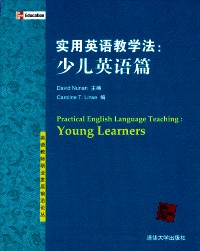
Practical English language teaching,young learners
副标题:无
作 者:David Nunan主编;Caroline T. Linse编
分类号:
ISBN:9787302308881
微信扫一扫,移动浏览光盘
简介
《实用英语教学法:少儿英语篇》意在为在职英语教师或有意从事英语教学的人土编写。无论这些人之前是否接受过英语作为第二语言教学的正规指导,均能从《实用英语教学法:少儿英语篇》中受益。
目录
丛书总序
中文导读
Acknowledgements
Foreword
Chapter One
The child as a language learner
1.Introduction
2.What is developmentally appropriate instruction?
3.Learning about children's development and interests
4.Children's language learning and acquisition
5.Making input meaningful to learners
6.Supporting children's language acquisition and learning
7.Conclusion
Further Readings
Helpful Websites
References
Chapter Two
Teachinglistening to young learners
1.Introduction
2.What is listening?
3.Background to the teaching oflistening
4.The development of listening skills
5.Classroom techniques and activities.
6.Listening in the classroom
7.Conclusion
Further Readings
Helpful Websites
References
Chapter Three
Teaching speaking to young learners
1.Introduction
2.What is speaking?
3.Background to the teaching of speaking
4.The development of speaking skills
5.Classroom techniques and activities
6.Managing speaking activities
7.Speaking in the classroom
8.Conclusion
Further Readings
Helpful Websites
References
Chapter Four
Teaching reading to young learners
1.Introduction
2.What is reading?
3.Background to the teaching ofreading
4.The development of reading skills
5.Classroom techniques and activities
6.Reading in the classroom
7.Conclusion
Further Readings
Helpful Websites
References
Chapter Five
Teaching writing to young learners
1.Introduction
2.What is writing?
3.Background to the teaching ofwriting
4.Development of writing skills
5.Classroom techniques and activities
6.Writing in the classroom
7.Conclusion
Further Readings
Helpful Websites
References
Chapter Six
Teaching vocabulary to young learners
1.Introduction
2.What is vocabulary?
3.Background to the teaching of vocabulary
4.Principles for teaching vocabulary
5.Classroom techniques and activities
6.Vocabulary in the classroom
7.Conclusion
Further Readings
Helpful Websites
References
Chapter Seven
Assessing young learners
1.Introduction
2.What is assessment?
3.Background to assessing young learners
4.Formal assessment
5.Classroom-based assessment
6.Assessment in the classroom
7.Conclusion
Further Readings
Helpful Websites
References
Chapter Eight
Working with parents of young learners
1.Introduction
2.Why are parents important?
3.Ways that parents can be involved and connected
4.Creating a teacher-parent
5.Condlusion
Further Readings
Helpful Websites
References
Chapter Nine
Key issues in teaching young learners
1.Introduction
2.Classroom management
3.Speaal needs
4.Multiple intelligences
5.Tutoring
6.Technology
7.Professional support
8.Conclusion
Further Readings
Helpful Websites
References
Children's songs and finger-plays
Glossary
Index
Credits
中文导读
Acknowledgements
Foreword
Chapter One
The child as a language learner
1.Introduction
2.What is developmentally appropriate instruction?
3.Learning about children's development and interests
4.Children's language learning and acquisition
5.Making input meaningful to learners
6.Supporting children's language acquisition and learning
7.Conclusion
Further Readings
Helpful Websites
References
Chapter Two
Teachinglistening to young learners
1.Introduction
2.What is listening?
3.Background to the teaching oflistening
4.The development of listening skills
5.Classroom techniques and activities.
6.Listening in the classroom
7.Conclusion
Further Readings
Helpful Websites
References
Chapter Three
Teaching speaking to young learners
1.Introduction
2.What is speaking?
3.Background to the teaching of speaking
4.The development of speaking skills
5.Classroom techniques and activities
6.Managing speaking activities
7.Speaking in the classroom
8.Conclusion
Further Readings
Helpful Websites
References
Chapter Four
Teaching reading to young learners
1.Introduction
2.What is reading?
3.Background to the teaching ofreading
4.The development of reading skills
5.Classroom techniques and activities
6.Reading in the classroom
7.Conclusion
Further Readings
Helpful Websites
References
Chapter Five
Teaching writing to young learners
1.Introduction
2.What is writing?
3.Background to the teaching ofwriting
4.Development of writing skills
5.Classroom techniques and activities
6.Writing in the classroom
7.Conclusion
Further Readings
Helpful Websites
References
Chapter Six
Teaching vocabulary to young learners
1.Introduction
2.What is vocabulary?
3.Background to the teaching of vocabulary
4.Principles for teaching vocabulary
5.Classroom techniques and activities
6.Vocabulary in the classroom
7.Conclusion
Further Readings
Helpful Websites
References
Chapter Seven
Assessing young learners
1.Introduction
2.What is assessment?
3.Background to assessing young learners
4.Formal assessment
5.Classroom-based assessment
6.Assessment in the classroom
7.Conclusion
Further Readings
Helpful Websites
References
Chapter Eight
Working with parents of young learners
1.Introduction
2.Why are parents important?
3.Ways that parents can be involved and connected
4.Creating a teacher-parent
5.Condlusion
Further Readings
Helpful Websites
References
Chapter Nine
Key issues in teaching young learners
1.Introduction
2.Classroom management
3.Speaal needs
4.Multiple intelligences
5.Tutoring
6.Technology
7.Professional support
8.Conclusion
Further Readings
Helpful Websites
References
Children's songs and finger-plays
Glossary
Index
Credits
Practical English language teaching,young learners
- 名称
- 类型
- 大小
光盘服务联系方式: 020-38250260 客服QQ:4006604884
云图客服:
用户发送的提问,这种方式就需要有位在线客服来回答用户的问题,这种 就属于对话式的,问题是这种提问是否需要用户登录才能提问
Video Player
×
Audio Player
×
pdf Player
×
