

简介
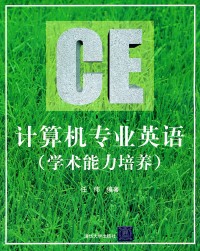
任伟编著的《计算机专业英语(学术能力培养)》根据计算机专业英语
学术能力的培养要求设计了10个教学单元。每个教学单元分为听、说、读
、写、学术能力指导五个模块,深入探讨了如何做研究、如何写论文、如
何读论文、如何做学术报告等问题。本书选材新颖独特,均来自名家、名
著、名校、名刊,具有代表性和权威性,内容讲解注重启发和引导。
《计算机专业英语(学术能力培养)》适合作为信息类专业本科生、研
究生专业英语课程的教材,也适合准备出国攻读硕士、博士学位的学生,
准备从事博士后研究的博士生,使用英语进行学术研究的青年教师和自修
者,以及在工作中使用英语的IT从业人员和科技英语爱好者。
目录
Index
Unit 1 1
1.1 Listening: Tech Team Puts Microscope on Cell Phone 2
1.2 Speaking: How to Make Your Speaking Easier and More Effective 4
1.3 Reading: What is Computer Science from Wikipedia 9
1.4 Writing: Introduction to Writing in English for an English Academic Audience 25
1.5 Inside Academics: How to Write Email or What is Email Etiquette 27
Unit 2 31
2.1 Listening: Soccer Players Ranked with Network Analysis 32
2.2 Speaking: Effective PowerPoint 34
2.3 Reading: Manipulation of the Crowd: How Trustworthy Are Online Ratings 37
2.4 Writing: Elementary Rules of Usage from the Elements of Style (Part Ⅱ) 39
2.5 Inside Academics: Tips for Writing a Cover Letter 46
Unit 3 48
3.1 Listening: Selected from Science Magazine Podcast 49
3.2 Speaking: Presentation Tips 53
3.3 Reading: Is Your Computer Secure 57
3.4 Writing: The Elements of Style III Elementary Principles of Composition 64
3.5 Inside Academics: How to Write an Effective CV 79
Unit 4 82
4.1 Listening: The Impact of Innovation and Technology to US Election 83
4.2 Speaking: Identifying your Goals and Organizing your Presentation 98
4.3 Reading: Cybersecurity: How Safe are Your Data? 101
4.4 Writing: The Standards of a Scientific Paper 107
4.5 Inside Academics: How to Write Personal Statement 112
Unit 5 116
5.1 Listening: Bill Gates’s Keynote in CES 2008 117
5.2 Speaking: Oral Presentation Advices 121
5.3 Reading: How to Read a Paper 124
5.4 Writing: Notes on Technical Writing in Mathematical Writing 128
5.5 Inside Academics: How to Write a Literature Review 135
Unit 6 137
6.1 Listening: Steve Jobs’ Keynote in WWDC 2010 138
6.2 Speaking: How to Give a Good Talk 142
6.3 Reading: How to Read a Computer Science Research Paper 146
6.4 Writing: Tips on (Science and Engineering) Bachelor’s and Master’s
Thesis Writing 149
6.5 Inside Academics: How to Write a Dissertation 152
Unit 7 163
7.1 Listening: A Lecture on Hardware in Harvard University 164
7.2 Speaking: Delivering Winning Presentations 171
7.3 Reading: How to Read a CS Research Paper 175
7.4 Writing: Scientific Writing for Computer Science Students 179
7.5 Inside Academics: How to Survive in Graduate School 182
Unit 8 188
8.1 Listening: A Lecture on Internet in Harvard University 189
8.2 Speaking: Hints for Ph.D. Proposal Defense and Ph.D. Defense 195
8.3 Reading: from IEEE S&P Magazine 201
8.4 Writing: Tips for Writing Technical Papers 203
8.5 Inside Academics: How to do Research and Research Methodology 210
Unit 9 215
9.1 Listening: A Lecture on Introduction of Algorithm in MIT 216
9.2 Speaking: Phone Interview Preparation 233
9.3 Reading: Selected from the Most Cited Textbook in Computer Science 236
9.4 Writing: An Evaluation of the Ninth SOSP Submissions 238
9.5 Inside Academics: The Three Golden Rules for Successful Scientific
Research and The Ph.D. Experience 246
Unit 10 253
10.1 Listening: ACM SIGKDD Tutorial 254
10.2 Speaking: How to do a Good Lecturing 255
10.3 Reading: One of the Most Cited Papers in Computer Science 257
10.4 Writing: How to Write a Title, Abstract and Conclusion (Selected from Scientific Writing, A Reader and Writer’s Guide) 259
10.5 Inside Academics: NSF Career Proposal Writing Tips 265
Appendix A Other Related Suggestions 270
A.1 On Looking at Sentences 271
A.2 Ten Lessions in Clarity and Grace 276
A.3 Four (Easy) Steps to Better Writing 282
A.4 How to Read an Engineering Researth Paper 284
A.5 Computer Science Academic Conferences 287
A.6 CiteSeer’s Most Cited Computer Science Citations 297
Appendix B Partial Translations 303
B.1 The Elements of style II―Elementary Rules of Usage 304
B.2 The Elements of Style III―Elementary Principles of Composition 309
Reference 321
Unit 1 1
1.1 Listening: Tech Team Puts Microscope on Cell Phone 2
1.2 Speaking: How to Make Your Speaking Easier and More Effective 4
1.3 Reading: What is Computer Science from Wikipedia 9
1.4 Writing: Introduction to Writing in English for an English Academic Audience 25
1.5 Inside Academics: How to Write Email or What is Email Etiquette 27
Unit 2 31
2.1 Listening: Soccer Players Ranked with Network Analysis 32
2.2 Speaking: Effective PowerPoint 34
2.3 Reading: Manipulation of the Crowd: How Trustworthy Are Online Ratings 37
2.4 Writing: Elementary Rules of Usage from the Elements of Style (Part Ⅱ) 39
2.5 Inside Academics: Tips for Writing a Cover Letter 46
Unit 3 48
3.1 Listening: Selected from Science Magazine Podcast 49
3.2 Speaking: Presentation Tips 53
3.3 Reading: Is Your Computer Secure 57
3.4 Writing: The Elements of Style III Elementary Principles of Composition 64
3.5 Inside Academics: How to Write an Effective CV 79
Unit 4 82
4.1 Listening: The Impact of Innovation and Technology to US Election 83
4.2 Speaking: Identifying your Goals and Organizing your Presentation 98
4.3 Reading: Cybersecurity: How Safe are Your Data? 101
4.4 Writing: The Standards of a Scientific Paper 107
4.5 Inside Academics: How to Write Personal Statement 112
Unit 5 116
5.1 Listening: Bill Gates’s Keynote in CES 2008 117
5.2 Speaking: Oral Presentation Advices 121
5.3 Reading: How to Read a Paper 124
5.4 Writing: Notes on Technical Writing in Mathematical Writing 128
5.5 Inside Academics: How to Write a Literature Review 135
Unit 6 137
6.1 Listening: Steve Jobs’ Keynote in WWDC 2010 138
6.2 Speaking: How to Give a Good Talk 142
6.3 Reading: How to Read a Computer Science Research Paper 146
6.4 Writing: Tips on (Science and Engineering) Bachelor’s and Master’s
Thesis Writing 149
6.5 Inside Academics: How to Write a Dissertation 152
Unit 7 163
7.1 Listening: A Lecture on Hardware in Harvard University 164
7.2 Speaking: Delivering Winning Presentations 171
7.3 Reading: How to Read a CS Research Paper 175
7.4 Writing: Scientific Writing for Computer Science Students 179
7.5 Inside Academics: How to Survive in Graduate School 182
Unit 8 188
8.1 Listening: A Lecture on Internet in Harvard University 189
8.2 Speaking: Hints for Ph.D. Proposal Defense and Ph.D. Defense 195
8.3 Reading: from IEEE S&P Magazine 201
8.4 Writing: Tips for Writing Technical Papers 203
8.5 Inside Academics: How to do Research and Research Methodology 210
Unit 9 215
9.1 Listening: A Lecture on Introduction of Algorithm in MIT 216
9.2 Speaking: Phone Interview Preparation 233
9.3 Reading: Selected from the Most Cited Textbook in Computer Science 236
9.4 Writing: An Evaluation of the Ninth SOSP Submissions 238
9.5 Inside Academics: The Three Golden Rules for Successful Scientific
Research and The Ph.D. Experience 246
Unit 10 253
10.1 Listening: ACM SIGKDD Tutorial 254
10.2 Speaking: How to do a Good Lecturing 255
10.3 Reading: One of the Most Cited Papers in Computer Science 257
10.4 Writing: How to Write a Title, Abstract and Conclusion (Selected from Scientific Writing, A Reader and Writer’s Guide) 259
10.5 Inside Academics: NSF Career Proposal Writing Tips 265
Appendix A Other Related Suggestions 270
A.1 On Looking at Sentences 271
A.2 Ten Lessions in Clarity and Grace 276
A.3 Four (Easy) Steps to Better Writing 282
A.4 How to Read an Engineering Researth Paper 284
A.5 Computer Science Academic Conferences 287
A.6 CiteSeer’s Most Cited Computer Science Citations 297
Appendix B Partial Translations 303
B.1 The Elements of style II―Elementary Rules of Usage 304
B.2 The Elements of Style III―Elementary Principles of Composition 309
Reference 321
计算机专业英语:学术能力培养
- 名称
- 类型
- 大小
光盘服务联系方式: 020-38250260 客服QQ:4006604884
云图客服:
用户发送的提问,这种方式就需要有位在线客服来回答用户的问题,这种 就属于对话式的,问题是这种提问是否需要用户登录才能提问
Video Player
×
Audio Player
×
pdf Player
×
