

微信扫一扫,移动浏览光盘
简介
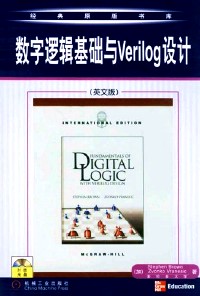
本书是为数字逻辑设计入门课程准备的教科书,这门课是大多数电气和计算机工程学科的基础课程。
成功的逻辑电路设计人员必须深入理解基本概念,并熟练地掌握计算机辅助设计工具。本书很好地兼顾了基本概念的教学和计算机辅助工具的实际应用,着重介绍电路的综合并解释如何在实际的芯片上实现电路。书中通过许多例子来引入基本概念,这些例子涉及简单的电路设计,当中不但用手工的方法,也用现代的基于计算机辅助设计的方法来完成设计。本书使用的计算机辅助设计工具是当前流行的MAX+plusII软件,它能自动地把Verilog设计映射到复杂可编程逻辑器件(CPLD)和现场可编程门阵列(FPGA)中,而这两种器件是工业界最常用的可编程逻辑器件。
随书光盘中包括MAX+plusII软件,以便学生能第一手操作、运行和测试书中的各个设计范例。
成功的逻辑电路设计人员必须深入理解基本概念,并熟练地掌握计算机辅助设计工具。本书很好地兼顾了基本概念的教学和计算机辅助工具的实际应用,着重介绍电路的综合并解释如何在实际的芯片上实现电路。书中通过许多例子来引入基本概念,这些例子涉及简单的电路设计,当中不但用手工的方法,也用现代的基于计算机辅助设计的方法来完成设计。本书使用的计算机辅助设计工具是当前流行的MAX+plusII软件,它能自动地把Verilog设计映射到复杂可编程逻辑器件(CPLD)和现场可编程门阵列(FPGA)中,而这两种器件是工业界最常用的可编程逻辑器件。
随书光盘中包括MAX+plusII软件,以便学生能第一手操作、运行和测试书中的各个设计范例。
目录
chapter 1.
design concepts
1.1 digital hardware
1.2 the design process
1.3 design of digital hardware
1.4 logic circuit design in this book
1.5 theory and practice
chapter 2
introduction to logic circuits
2.1 variables and functions
2.2 inversion
2.3 truth tables
2.4 logic gates and networks
2.5 boolean algebra
2.6 synthesis using and, or, and not gates
2.7 nand and nor logic networks
2.8 design examples
2.9 introduction to cad tools
2.10 introduction to verilog
2.11 concluding remarks
.chapter 3
implementation technology
3.1 transistor switches
3.2 nmos logic gates
3.3 cmos logic gates
3.4 negative logic system
3.5 standard chips
3.6 programmable logic devices
3.7 custom chips, standard cells, and gate arrays
3.8 practical aspects
3.9 transmission gates
3.10 implementation details for splds, cplds,and fpgas
3.11 concluding remarks
chapter 4
optimized implementation of logic functions
4.1 karnaugh map
4.2 strategy for minimization
4.3 minimization of product-of-sums forms
4.4 incompletely specified functions
4.5 multiple-output circuits
4.6 multilevel synthesis
4.7 analysis of multilevel circuits
4.8 cubical representation
4.9 a tabular method for minimization
4.10 a cubical technique for minimization
4.11 practical considerations
4.12 cad tools
4.13 concluding remarks
chapter 5
number representation and arithmetic circuits
5.1 positional number representation
5.2 addition of unsigned numbers
5.3 signed numbers
5.4 fast adders
5.5 design of arithmetic circuits using cad tools
5.6 multiplication
5.7 other number representations
5.8 ascii character code
chapter 6
combinational-circuit building blocks
6.1 multiplexers
6.2 decoders
6.3 encoders
6.4 code converters
6.5 arithmetic comparison circuits
6.6 verilog for combinational circuits
6.7 concluding remarks
chapter 7
flip-flops, registers,counters, ano a simple processor
7.1 basic latch
7.2 gated sr latch
7.3 gated d latch
7.4 master-slave and edge-triggered d hip-flops
7.5 t hip-flop
7.6 jk flip-hop
7.7 summary of terminology
7.8 registers
7.9 counters
7.10 reset synchronization
7.11 other types of counters
7.12 using storage elements with cad tools
7.13 using registers and counters with cad tools
7.14 design examples
7.15 concluding remarks
chapter 8
synchronous sequential circuits
8.1 basic design steps
8.2 state-assignment problem
8.3 mealy state model
8.4 design of finite state machines using cad
tools
8.5 serialadder example
8.6 state minimization
8.7 design of a counter using the sequential circuit approach..
8.8 fsm as an arbiter circuit
8.9 analysis of synchronous sequential circuits
8.10 algorithmic state machine (asm) charts
8.11 formal model for sequential cimuits
8.12 concluding remarks chapter 9
asynchronous sequential circuits
9.1 asynchronous behavior
9.2 analysis of asynchronous circuits
9.3 synthesis of asynchronous circuits
9.4 state reduction
9.5 state assignment
9.6 hazards
9.7 a complete design example
9.8 concluding remarks
chapter 10
digital system design
10.1 building block circuits
10.2 design examples
10.3 clock synchronization
10.4 concluding remarks
chapter 11
testing of logic circuits
11.1 fault model
11.2 complexity of a test set
11.3 path sensitizing
11.4 circuits with tree structure
11.5 random tests
11.6 testing of sequential circuits
11.7 built-in self-test
11.8 printed circuit boards
11.9 concluding remarks
appendix a
verilog reference
a.i documentation in vefilog code
a.2 white space
a.3 signals in vefilog code
a.4 identifier names
a.5 signal values, numbers, and parameters
a.6 net and variable types
a.7 operators
a.8 verilog module
a.9 gate lnstantiations
a.10 concurrent statements
a.11 procedural statements
a.12 using subcircuits
a.13 functions and tasks
a.14 sequential circuits
a.15 guidelines,for writing verilog code
a.16 max+plusli verilog support
a.17 concluding remarks
appendix b
tutorial 1
b.1 introduction
b.2 design entry using schematic capture
b.3 design entry using verilog
b.4 design entry using truth tables
b.5 mixing design-entry methods
appendix c
tutorial 2
c.1 implementing a circuit
c.2 implementing a circuit in a flex 10k fpga
c.3 downloading a circuit into a device
c.4 making pin assignments
c.5 concluding remarks
appendix d
tutorial 3
d.i design using verilog code
d.2 using an lpm module
d.3 design of a sequential circuit
d.4 design of a finite state machine
d.5 concluding remarks
appendix e
commercial devices
e.1 simple plds
e.2 complex plds
e.3 field-programmable gate arrays
e.4 transistor-transistor logic
index...
design concepts
1.1 digital hardware
1.2 the design process
1.3 design of digital hardware
1.4 logic circuit design in this book
1.5 theory and practice
chapter 2
introduction to logic circuits
2.1 variables and functions
2.2 inversion
2.3 truth tables
2.4 logic gates and networks
2.5 boolean algebra
2.6 synthesis using and, or, and not gates
2.7 nand and nor logic networks
2.8 design examples
2.9 introduction to cad tools
2.10 introduction to verilog
2.11 concluding remarks
.chapter 3
implementation technology
3.1 transistor switches
3.2 nmos logic gates
3.3 cmos logic gates
3.4 negative logic system
3.5 standard chips
3.6 programmable logic devices
3.7 custom chips, standard cells, and gate arrays
3.8 practical aspects
3.9 transmission gates
3.10 implementation details for splds, cplds,and fpgas
3.11 concluding remarks
chapter 4
optimized implementation of logic functions
4.1 karnaugh map
4.2 strategy for minimization
4.3 minimization of product-of-sums forms
4.4 incompletely specified functions
4.5 multiple-output circuits
4.6 multilevel synthesis
4.7 analysis of multilevel circuits
4.8 cubical representation
4.9 a tabular method for minimization
4.10 a cubical technique for minimization
4.11 practical considerations
4.12 cad tools
4.13 concluding remarks
chapter 5
number representation and arithmetic circuits
5.1 positional number representation
5.2 addition of unsigned numbers
5.3 signed numbers
5.4 fast adders
5.5 design of arithmetic circuits using cad tools
5.6 multiplication
5.7 other number representations
5.8 ascii character code
chapter 6
combinational-circuit building blocks
6.1 multiplexers
6.2 decoders
6.3 encoders
6.4 code converters
6.5 arithmetic comparison circuits
6.6 verilog for combinational circuits
6.7 concluding remarks
chapter 7
flip-flops, registers,counters, ano a simple processor
7.1 basic latch
7.2 gated sr latch
7.3 gated d latch
7.4 master-slave and edge-triggered d hip-flops
7.5 t hip-flop
7.6 jk flip-hop
7.7 summary of terminology
7.8 registers
7.9 counters
7.10 reset synchronization
7.11 other types of counters
7.12 using storage elements with cad tools
7.13 using registers and counters with cad tools
7.14 design examples
7.15 concluding remarks
chapter 8
synchronous sequential circuits
8.1 basic design steps
8.2 state-assignment problem
8.3 mealy state model
8.4 design of finite state machines using cad
tools
8.5 serialadder example
8.6 state minimization
8.7 design of a counter using the sequential circuit approach..
8.8 fsm as an arbiter circuit
8.9 analysis of synchronous sequential circuits
8.10 algorithmic state machine (asm) charts
8.11 formal model for sequential cimuits
8.12 concluding remarks chapter 9
asynchronous sequential circuits
9.1 asynchronous behavior
9.2 analysis of asynchronous circuits
9.3 synthesis of asynchronous circuits
9.4 state reduction
9.5 state assignment
9.6 hazards
9.7 a complete design example
9.8 concluding remarks
chapter 10
digital system design
10.1 building block circuits
10.2 design examples
10.3 clock synchronization
10.4 concluding remarks
chapter 11
testing of logic circuits
11.1 fault model
11.2 complexity of a test set
11.3 path sensitizing
11.4 circuits with tree structure
11.5 random tests
11.6 testing of sequential circuits
11.7 built-in self-test
11.8 printed circuit boards
11.9 concluding remarks
appendix a
verilog reference
a.i documentation in vefilog code
a.2 white space
a.3 signals in vefilog code
a.4 identifier names
a.5 signal values, numbers, and parameters
a.6 net and variable types
a.7 operators
a.8 verilog module
a.9 gate lnstantiations
a.10 concurrent statements
a.11 procedural statements
a.12 using subcircuits
a.13 functions and tasks
a.14 sequential circuits
a.15 guidelines,for writing verilog code
a.16 max+plusli verilog support
a.17 concluding remarks
appendix b
tutorial 1
b.1 introduction
b.2 design entry using schematic capture
b.3 design entry using verilog
b.4 design entry using truth tables
b.5 mixing design-entry methods
appendix c
tutorial 2
c.1 implementing a circuit
c.2 implementing a circuit in a flex 10k fpga
c.3 downloading a circuit into a device
c.4 making pin assignments
c.5 concluding remarks
appendix d
tutorial 3
d.i design using verilog code
d.2 using an lpm module
d.3 design of a sequential circuit
d.4 design of a finite state machine
d.5 concluding remarks
appendix e
commercial devices
e.1 simple plds
e.2 complex plds
e.3 field-programmable gate arrays
e.4 transistor-transistor logic
index...
数字逻辑基础与Verilog设计(英文版)
- 名称
- 类型
- 大小
光盘服务联系方式: 020-38250260 客服QQ:4006604884
云图客服:
用户发送的提问,这种方式就需要有位在线客服来回答用户的问题,这种 就属于对话式的,问题是这种提问是否需要用户登录才能提问
Video Player
×
Audio Player
×
pdf Player
×
亲爱的云图用户,
光盘内的文件都可以直接点击浏览哦
无需下载,在线查阅资料!
