

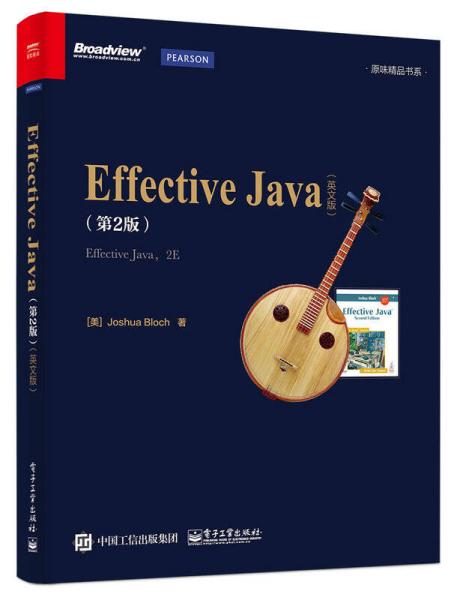
简介
本书通过78个有效案例,旨在帮助读者深入理解Java,以写出更加清楚、健壮、可重复使用的代码。书中每个章节均包含小论文,针对Java平台和杰出的代码样例,提供了具体的分析和建议,这些综合的描述和解释为程序员们明确指出了做什么、不做什么以及为什么这样。
目录
1 Introduction
2 Creating and Destroying Objects
Item 1: Consider static factory methods instead of constructors
Item 2: Consider a builder when faced with many constructor parameters
Item 3: Enforce the singleton property with a private constructor or an enum type
Item 4: Enforce noninstantiability with a private constructor
Item 5: Avoid creating unnecessary objects
Item 6: Eliminate obsolete object references
Item 7: Avoid finalizers
3 Methods Common to All Objects
Item 8: Obey the general contract when overriding equals
Item 9: Always override hashCode when you override equals
Item 10: Always override toString
Item 11: Override clone judiciously
Item 12: Consider implementing Comparable
4 Classes and Interfaces
Item 13: Minimize the accessibility of classes and members
Item 14: In public classes, use accessor methods, not public fields
Item 15: Minimize mutability
Item 16: Favor composition over inheritance
Item 17: Design and document for inheritance or else prohibit it
Item 18: Prefer interfaces to abstract classes
Item 19: Use interfaces only to define types
Item 20: Prefer class hierarchies to tagged classes
Item 21: Use function objects to represent strategies
Item 22: Favor static member classes over nonstatic
5 Generics
Item 23: Don’t use raw types in new code
Item 24: Eliminate unchecked warnings
Item 25: Prefer lists to arrays
Item 26: Favor generic types
Item 27: Favor generic methods
Item 28: Use bounded wildcards to increase API flexibility
Item 29: Consider typesafe heterogeneous containers
6 Enums and Annotations
Item 30: Use enums instead of int constants
Item 31: Use instance fields instead of ordinals
Item 32: Use EnumSet instead of bit fields
Item 33: Use EnumMap instead of ordinal indexing
Item 34: Emulate extensible enums with interfaces
Item 35: Prefer annotations to naming patterns
Item 36: Consistently use the Override annotation
Item 37: Use marker interfaces to define types
7 Methods
Item 38: Check parameters for validity
Item 39: Make defensive copies when needed
Item 40: Design method signatures carefully
Item 41: Use overloading judiciously
Item 42: Use varargs judiciously
Item 43: Return empty arrays or collections, not nulls
Item 44: Write doc comments for all exposed API elements
8 General Programming
Item 45: Minimize the scope of local variables
Item 46: Prefer for-each loops to traditional for loops
Item 47: Know and use the libraries
Item 48: Avoid float and double if exact answers are required
Item 49: Prefer primitive types to boxed primitives
Item 50: Avoid strings where other types are more appropriate
Item 51: Beware the performance of string concatenation
Item 52: Refer to objects by their interfaces
Item 53: Prefer interfaces to reflection
Item 54: Use native methods judiciously
Item 55: Optimize judiciously
Item 56: Adhere to generally accepted naming conventions
9 Exceptions
Item 57: Use exceptions only for exceptional conditions
Item 58: Use checked exceptions for recoverable conditions and runtime exceptions for programming errors
Item 59: Avoid unnecessary use of checked exceptions
Item 60: Favor the use of standard exceptions
Item 61: Throw exceptions appropriate to the abstraction
Item 62: Document all exceptions thrown by each method
Item 63: Include failure-capture information in detail messages
Item 64: Strive for failure atomicity
Item 65: Don’t ignore exceptions
10 Concurrency
Item 66: Synchronize access to shared mutable data
Item 67: Avoid excessive synchronization
Item 68: Prefer executors and tasks to threads
Item 69: Prefer concurrency utilities to wait and notify
Item 70: Document thread safety
Item 71: Use lazy initialization judiciously
Item 72: Don’t depend on the thread scheduler
Item 73: Avoid thread groups
11 Serialization
Item 74: Implement Serializable judiciously
Item 75: Consider using a custom serialized form
Item 76: Write readObject methods defensively
Item 77: For instance control, prefer enum types to readResolve
Item 78: Consider serialization proxies instead of serialized instances
Appendix: Items Corresponding to First Edition
References
Index
2 Creating and Destroying Objects
Item 1: Consider static factory methods instead of constructors
Item 2: Consider a builder when faced with many constructor parameters
Item 3: Enforce the singleton property with a private constructor or an enum type
Item 4: Enforce noninstantiability with a private constructor
Item 5: Avoid creating unnecessary objects
Item 6: Eliminate obsolete object references
Item 7: Avoid finalizers
3 Methods Common to All Objects
Item 8: Obey the general contract when overriding equals
Item 9: Always override hashCode when you override equals
Item 10: Always override toString
Item 11: Override clone judiciously
Item 12: Consider implementing Comparable
4 Classes and Interfaces
Item 13: Minimize the accessibility of classes and members
Item 14: In public classes, use accessor methods, not public fields
Item 15: Minimize mutability
Item 16: Favor composition over inheritance
Item 17: Design and document for inheritance or else prohibit it
Item 18: Prefer interfaces to abstract classes
Item 19: Use interfaces only to define types
Item 20: Prefer class hierarchies to tagged classes
Item 21: Use function objects to represent strategies
Item 22: Favor static member classes over nonstatic
5 Generics
Item 23: Don’t use raw types in new code
Item 24: Eliminate unchecked warnings
Item 25: Prefer lists to arrays
Item 26: Favor generic types
Item 27: Favor generic methods
Item 28: Use bounded wildcards to increase API flexibility
Item 29: Consider typesafe heterogeneous containers
6 Enums and Annotations
Item 30: Use enums instead of int constants
Item 31: Use instance fields instead of ordinals
Item 32: Use EnumSet instead of bit fields
Item 33: Use EnumMap instead of ordinal indexing
Item 34: Emulate extensible enums with interfaces
Item 35: Prefer annotations to naming patterns
Item 36: Consistently use the Override annotation
Item 37: Use marker interfaces to define types
7 Methods
Item 38: Check parameters for validity
Item 39: Make defensive copies when needed
Item 40: Design method signatures carefully
Item 41: Use overloading judiciously
Item 42: Use varargs judiciously
Item 43: Return empty arrays or collections, not nulls
Item 44: Write doc comments for all exposed API elements
8 General Programming
Item 45: Minimize the scope of local variables
Item 46: Prefer for-each loops to traditional for loops
Item 47: Know and use the libraries
Item 48: Avoid float and double if exact answers are required
Item 49: Prefer primitive types to boxed primitives
Item 50: Avoid strings where other types are more appropriate
Item 51: Beware the performance of string concatenation
Item 52: Refer to objects by their interfaces
Item 53: Prefer interfaces to reflection
Item 54: Use native methods judiciously
Item 55: Optimize judiciously
Item 56: Adhere to generally accepted naming conventions
9 Exceptions
Item 57: Use exceptions only for exceptional conditions
Item 58: Use checked exceptions for recoverable conditions and runtime exceptions for programming errors
Item 59: Avoid unnecessary use of checked exceptions
Item 60: Favor the use of standard exceptions
Item 61: Throw exceptions appropriate to the abstraction
Item 62: Document all exceptions thrown by each method
Item 63: Include failure-capture information in detail messages
Item 64: Strive for failure atomicity
Item 65: Don’t ignore exceptions
10 Concurrency
Item 66: Synchronize access to shared mutable data
Item 67: Avoid excessive synchronization
Item 68: Prefer executors and tasks to threads
Item 69: Prefer concurrency utilities to wait and notify
Item 70: Document thread safety
Item 71: Use lazy initialization judiciously
Item 72: Don’t depend on the thread scheduler
Item 73: Avoid thread groups
11 Serialization
Item 74: Implement Serializable judiciously
Item 75: Consider using a custom serialized form
Item 76: Write readObject methods defensively
Item 77: For instance control, prefer enum types to readResolve
Item 78: Consider serialization proxies instead of serialized instances
Appendix: Items Corresponding to First Edition
References
Index
Effective Java英文版(第2版)
- 名称
- 类型
- 大小
光盘服务联系方式: 020-38250260 客服QQ:4006604884
云图客服:
用户发送的提问,这种方式就需要有位在线客服来回答用户的问题,这种 就属于对话式的,问题是这种提问是否需要用户登录才能提问
Video Player
×
Audio Player
×
pdf Player
×
