

微信扫一扫,移动浏览光盘
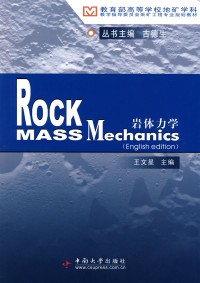
简介
During the period from the end of 1950s to the early 1960s, a series of engineering disasters of rock mass occurred one after another, for example, in December 1959, the foundation of the Malpasset concrete arch dam in France failed and resulted in a flood and about 450 people were killed ; in October 1963, a landslide of upstream of the reservoir of Vajont dam in Italy generated wave of 100 meters overtopped the dam and killed about 2500 people of the downstream of the dam; in
1960, a coal mine in South Mriea collapsed with the loss of 432 lives; in our country, several mines, such as Stannary Mining Bureau, Pangushan tungsten mine, Dajishan tungsten mine were mined in open stopping method, generated early or late many dilapidations of large-scale rock mass. These disasters aroused the galactic attention of people of rock engineering world and they joined in the study of rock mass mechanics, making rock mass mechanics effectively developed, and formed an
engineering subject with specifically category of investigation. At the same time, the course of rock mechanics was arranged in various specialties associated with rock projects in overseas institutions of higher learning. In our country, because of serious disturbance of euhural revolution, it was just in the first grade (new grade 1977) after resuming of enrolment system of institutions of higher learning that rock mass mechanics start to be taken as a basal course of specialty of mining engineering.
目录
书名页
目录页
Introduction
Chapter 1 Mechanical characteristics of rocks
1.1 Static characteristics of rocks
1.1.1 Mechanical characteristics of rocks under uniaxial stress condition
1.1.2 Mechanical characteristics of rocks under shear load
1.1.3 Mechanical characteristics of rocks under triaxial compression
1.2 The rheological characteristics of rocks
1.2.1 Creep curves and its characteristics of rock
1.2.2 Loading methods for the creep tests of rock
1.2.3 Rheologic constitutive models of rock
1.3 Factors affecting mechanical properties of rocks
1.3.1 Influence of mineral components on the mechanical properties of rocks
1.3.2 Influence of the texture and structure of rocks on the mechanical properties of rocks
1.3.3 Influence of water on the mechanical properties of rocks
1.3.4 Influence of temperature on the mechanical properties of rocks
1.4 Failure criterions of rock
1.4.1 Maximum tensile strain criterion
1.4.2 Mohr and Mohr Coulomb criteria
1.4.3 Griffith and correctional Griffith criteria
Chapter 2 Mechanical characteristics of rock mass
2.1 Characteristics of structural plane and structural body in rock mass
2.1.1 Characteristics of structural planes
2.1.2 Characteristics of structural bodies
2.2 Static characteristics of rock mass
2.2.1 Mechanical characteristics of discontinuities under shear load
2.2.2 Failure mechanism of rock mass
2.2.3 Failure criterion and estimation of strength and deformation parameters of rock mass
2.2.4 Determination of deformation parameters and strength of insitu rock mass
2.3 Dynamic characteristics of rock mass
2.3.1 Elastic wave exploration technique
2.3.2 Acoustic emission technique
2.4 Hydraulical characteristics of rock mass
2.4.1 Hydrogeogical structures of rock mass
2.4.2 Seepage in rock mass
2.5 Thermodynamic characteristics of rock mass
2.5.1 Calorifics properties of rock and determination parameters of calorifics of rock mass
2.5.2 Determination of rock mass calorifics parameters
2.5.3 Thermodynamical effect of rock mass
Chapter 3 Synthetical investigation and classification of rock mass
3.1 Methods for synthetical investigation and analysis of rock mass
3.1.1 Borehole investigation
3.1.2 Investigation on exposed surface
3.1.3 Spatial distribution law of structural planes
3.1.4 Statistical law of structural plane spacings
3.2 Classifications of rock mass structure
3.3 Engineering classifications of rock mass
3.3.1 Reference considerations of engineering classification of rock mass
3.3.2 Rock Quality Designation (RQD) index proposed by Deere et al
3.3.3 Bieniawski's Geomechanics Classification of jointed rock mass
3.3.4 Barton et al's classification of rock mass
Chapter 4 Original stresses in rock mass
4.1 Gravitational stress in rock mass
4.2 Tectonic stress in a rock mass
4.2.1 Conception of tectonic stress in a rock mass
4.2.2 Origin of tectonic movement
4.2.3 Analysis of tectonic stress field
4.3 Measurement of original stress in rock mass
4.3.1 Stress relief method
4.3.2 Hydrofracturing method
4.4 Distribution state of original stress in rock mass
Chapter 5 Rock slope
5.1 Evaluation of potential problems of rock slopes
5.1.1 Basic failure types of slopes
5.1.2 Compiling of structural plot of slope rock mass
5.2 Analysis of plane failure
5.2.1 Conditions of a plane failure
5.2.2 Method for analyzing a plane failure
5.3 Analysis of wedge failure
5.3.1 Analysis of wedge failure:only the friction force of the structural plane is considered
5.3.2 Analysis of wedge failure:consider simultaneously friction and cohesion of discontinuities as well as water pressure
5.3.3 General analytical method of wedge failure
5.4 Monitoring of slope
5.5 Maintenance of a slope
5.5.1 Drainage of a slope
5.5.2 Reinforcement of a slope
Chapter 6 Underground opening
6.1 Underground excavation
6.1.1 Stress distribution in surrounding rock and lining of an excavation
6.1.2 Stability analysis and pressure calculation of surrounding rock
6.1.3 Support and monitoring technique of excavations
6.2 Shaft
6.2.1 Stress distribution in rock mass surrounding a shaft
6.2.2 Evaluation of the stability of rock mass surrounding a shaft
6.2.3 Calculation of pressure on lining of shafts
Chapter 7 Batholith
7.1 Batholith under vertical load
7.1.1 Stress distribution in batholith
7.1.2 Settlement of batholith
7.1.3 Bearing capacity of batholith
7.2 Batholith under inclined load
7.2.1 Stress distribution in batholith
7.2.2 Bearing capacity of batholith
Appendix 1 Stereographic projection and entity proportional projection of structural units in rock mass
Appendix 2 Elastoplastic analysis of stress and displacement in surounding rock mass of a circular excavation in axial symmetry condition
Appendix 3 Explanation of some professional terms
References
目录页
Introduction
Chapter 1 Mechanical characteristics of rocks
1.1 Static characteristics of rocks
1.1.1 Mechanical characteristics of rocks under uniaxial stress condition
1.1.2 Mechanical characteristics of rocks under shear load
1.1.3 Mechanical characteristics of rocks under triaxial compression
1.2 The rheological characteristics of rocks
1.2.1 Creep curves and its characteristics of rock
1.2.2 Loading methods for the creep tests of rock
1.2.3 Rheologic constitutive models of rock
1.3 Factors affecting mechanical properties of rocks
1.3.1 Influence of mineral components on the mechanical properties of rocks
1.3.2 Influence of the texture and structure of rocks on the mechanical properties of rocks
1.3.3 Influence of water on the mechanical properties of rocks
1.3.4 Influence of temperature on the mechanical properties of rocks
1.4 Failure criterions of rock
1.4.1 Maximum tensile strain criterion
1.4.2 Mohr and Mohr Coulomb criteria
1.4.3 Griffith and correctional Griffith criteria
Chapter 2 Mechanical characteristics of rock mass
2.1 Characteristics of structural plane and structural body in rock mass
2.1.1 Characteristics of structural planes
2.1.2 Characteristics of structural bodies
2.2 Static characteristics of rock mass
2.2.1 Mechanical characteristics of discontinuities under shear load
2.2.2 Failure mechanism of rock mass
2.2.3 Failure criterion and estimation of strength and deformation parameters of rock mass
2.2.4 Determination of deformation parameters and strength of insitu rock mass
2.3 Dynamic characteristics of rock mass
2.3.1 Elastic wave exploration technique
2.3.2 Acoustic emission technique
2.4 Hydraulical characteristics of rock mass
2.4.1 Hydrogeogical structures of rock mass
2.4.2 Seepage in rock mass
2.5 Thermodynamic characteristics of rock mass
2.5.1 Calorifics properties of rock and determination parameters of calorifics of rock mass
2.5.2 Determination of rock mass calorifics parameters
2.5.3 Thermodynamical effect of rock mass
Chapter 3 Synthetical investigation and classification of rock mass
3.1 Methods for synthetical investigation and analysis of rock mass
3.1.1 Borehole investigation
3.1.2 Investigation on exposed surface
3.1.3 Spatial distribution law of structural planes
3.1.4 Statistical law of structural plane spacings
3.2 Classifications of rock mass structure
3.3 Engineering classifications of rock mass
3.3.1 Reference considerations of engineering classification of rock mass
3.3.2 Rock Quality Designation (RQD) index proposed by Deere et al
3.3.3 Bieniawski's Geomechanics Classification of jointed rock mass
3.3.4 Barton et al's classification of rock mass
Chapter 4 Original stresses in rock mass
4.1 Gravitational stress in rock mass
4.2 Tectonic stress in a rock mass
4.2.1 Conception of tectonic stress in a rock mass
4.2.2 Origin of tectonic movement
4.2.3 Analysis of tectonic stress field
4.3 Measurement of original stress in rock mass
4.3.1 Stress relief method
4.3.2 Hydrofracturing method
4.4 Distribution state of original stress in rock mass
Chapter 5 Rock slope
5.1 Evaluation of potential problems of rock slopes
5.1.1 Basic failure types of slopes
5.1.2 Compiling of structural plot of slope rock mass
5.2 Analysis of plane failure
5.2.1 Conditions of a plane failure
5.2.2 Method for analyzing a plane failure
5.3 Analysis of wedge failure
5.3.1 Analysis of wedge failure:only the friction force of the structural plane is considered
5.3.2 Analysis of wedge failure:consider simultaneously friction and cohesion of discontinuities as well as water pressure
5.3.3 General analytical method of wedge failure
5.4 Monitoring of slope
5.5 Maintenance of a slope
5.5.1 Drainage of a slope
5.5.2 Reinforcement of a slope
Chapter 6 Underground opening
6.1 Underground excavation
6.1.1 Stress distribution in surrounding rock and lining of an excavation
6.1.2 Stability analysis and pressure calculation of surrounding rock
6.1.3 Support and monitoring technique of excavations
6.2 Shaft
6.2.1 Stress distribution in rock mass surrounding a shaft
6.2.2 Evaluation of the stability of rock mass surrounding a shaft
6.2.3 Calculation of pressure on lining of shafts
Chapter 7 Batholith
7.1 Batholith under vertical load
7.1.1 Stress distribution in batholith
7.1.2 Settlement of batholith
7.1.3 Bearing capacity of batholith
7.2 Batholith under inclined load
7.2.1 Stress distribution in batholith
7.2.2 Bearing capacity of batholith
Appendix 1 Stereographic projection and entity proportional projection of structural units in rock mass
Appendix 2 Elastoplastic analysis of stress and displacement in surounding rock mass of a circular excavation in axial symmetry condition
Appendix 3 Explanation of some professional terms
References
Rock mass mechanics
- 名称
- 类型
- 大小
光盘服务联系方式: 020-38250260 客服QQ:4006604884
云图客服:
用户发送的提问,这种方式就需要有位在线客服来回答用户的问题,这种 就属于对话式的,问题是这种提问是否需要用户登录才能提问
Video Player
×
Audio Player
×
pdf Player
×
